Treasury of Atreus: Mycenae’s Monumental Tholos Tomb
A vast Bronze Age chamber, dramatic entrance and remarkable preservation make this an essential companion to the archaeological site of Mycenae.

More photos


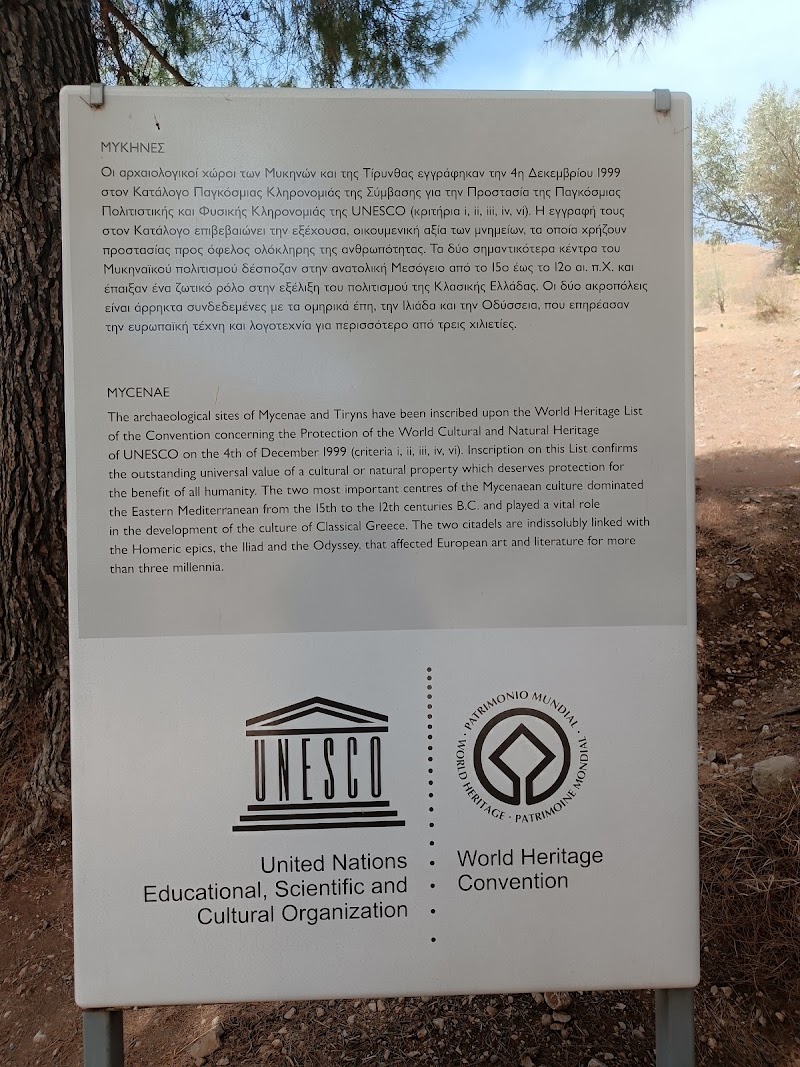
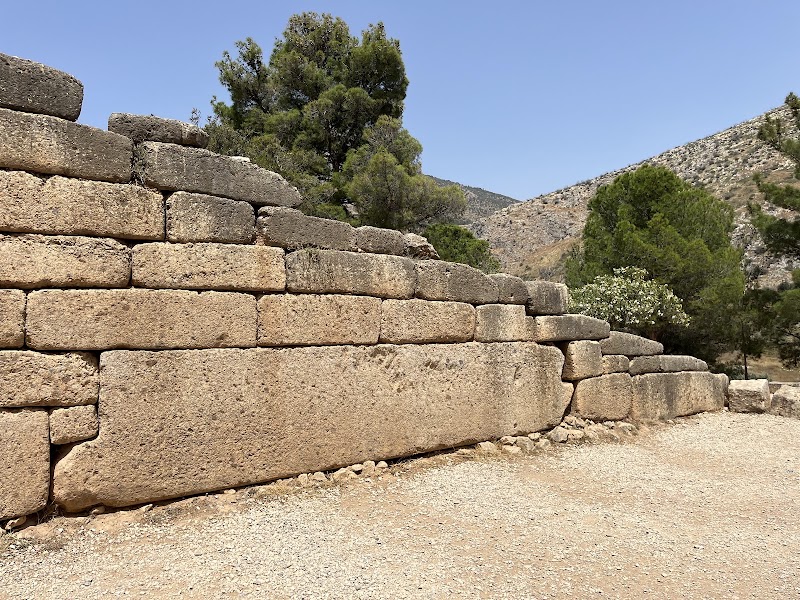

Photos published by travelers on Google, not AI generated.
What stands out
- Monumental stone-lined entrance
- Vast corbelled dome
- Well-preserved tholos tomb
- Bronze Age Mycenaean engineering
Worth knowing
- The standalone site is fairly small
- Agamemnon attribution is traditional, not confirmed
- Check whether admission includes both Mycenae sites
Don't miss
What comes up most in public reviews
- Walk the monumental entrance passage
- Examine the massive doorway and stonework
- Pair the tomb with the archaeological site of Mycenae
Worth the trip?
Why it stands out
The Treasury of Atreus, also called the Tomb of Agamemnon, ranks among the most striking surviving monuments connected with Mycenaean Greece. Its public feedback leaves little doubt about its appeal. The site holds a Google rating of 4.7 from 6103 reviews, with visitors repeatedly pointing to the sheer scale, the imposing approach and the unusually well-preserved structure.
The standalone site is compact. The tomb is anything but. A long entrance passage lined with stone draws visitors towards a tall doorway, then into the circular burial chamber. Reviews often dwell on that shift from the bright exterior to the monumental interior, where the height and exact geometry of the corbelled dome bring the ambition of Bronze Age engineering sharply into focus.
History, scale and attribution
Public reviews commonly date the tomb to around 1300 BC and describe it as one of the grandest tholos tombs constructed by the Mycenaeans. Its precise ranking is less settled. Some reviewers call it the largest example, while another places it second in size. On its remarkable preservation and architectural force, however, the commentary is much more consistent.
The alternative name is familiar, but it rests on legend rather than confirmed identification. Tradition associates the tomb with Agamemnon, the king known through Homeric tradition. One detailed reviewer points out that the structure probably predates the period linked to his reign. Visitors who do some reading before arrival seem to get more from the stop, especially as the chamber’s interest comes chiefly from its construction, proportions and historical context, not from elaborate decoration that has survived.
“Treasury” is a traditional name too. The building is understood to have been a monumental tomb, not a storehouse, with the label reflecting the way later observers interpreted its grandeur and scale.
What the visit is like
The entrance passage comes up again and again in reviews. Massive masonry gives the approach a ceremonial quality before the main chamber is revealed. Once inside, attention tends to move upwards, towards the dome’s height and its carefully fitted courses of stone. Several visitors say the scale is hard to grasp properly until they are standing underneath it.
Despite the monument’s fame, the visit does not have to take long. One reviewer describes the area as fairly small, so this is a focused stop rather than a large attraction in its own right. The reward is in looking closely: at the doorway, the chamber’s form, the stonework and the survival of a structure built so early.
Pairing it with Mycenae
Reviews strongly recommend adding the Treasury of Atreus to a visit to the nearby archaeological site of Mycenae, rather than treating the tomb as an optional extra. One public review states that admission covered both locations. Ticket arrangements may change, though, and are best checked locally before entry.
Seen together, the tomb and the main archaeological site give a fuller sense of Mycenaean power, ritual and engineering. The Treasury provides the concentrated architectural spectacle. Among travellers drawn to ancient Greece, Bronze Age construction or legendary Mycenae, public feedback consistently treats it as a must-see stop.
Ask anything
Looking for somewhere else?
Keep exploring around Mykines
More from Greece
Greece · Peloponnese
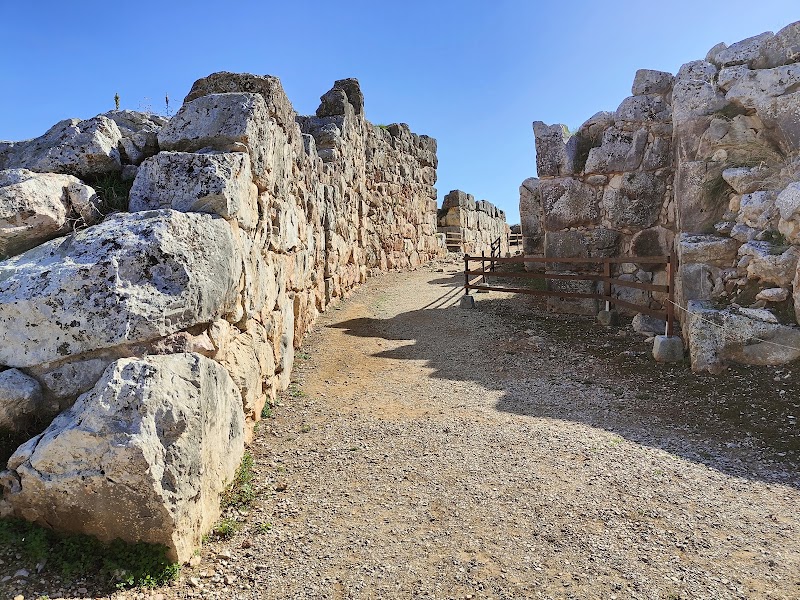
Tiryns: Mighty Mycenaean Walls Close to Nafplio
Massive stone ramparts and atmospheric galleries make this compact citadel a rewarding companion to better-known Mycenae.
Greece · Delphi
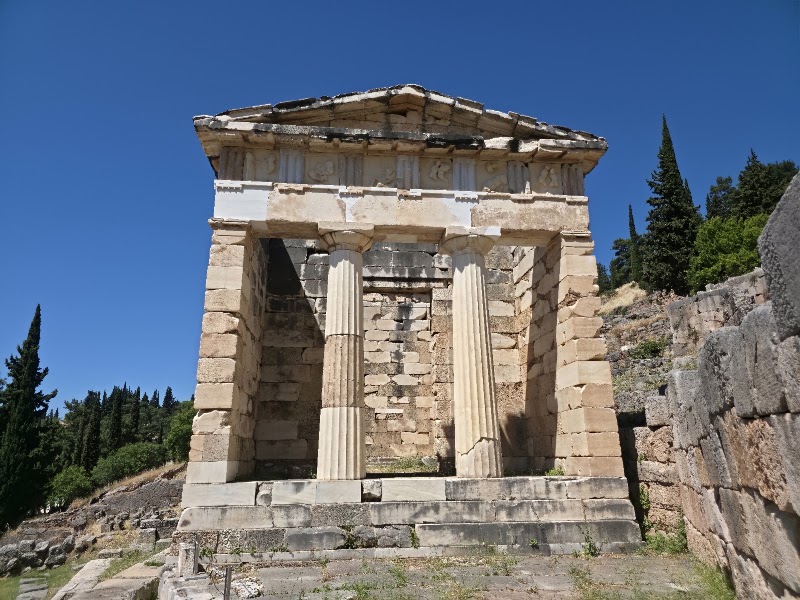
Delphi Archaeological Site: Ruins Above a Dramatic Valley
Ancient monuments, mountain scenery and a rewarding climb make Delphi one of Greece’s most impressive archaeological sites.
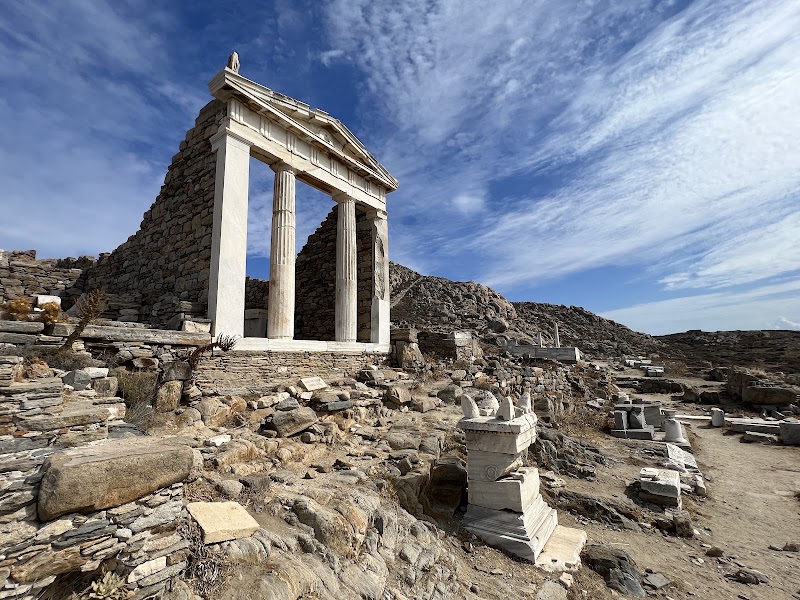
Greece · Delos
Delos rewards time, context and sturdy walking shoes
Ancient sanctuaries, residential ruins and sweeping views make Delos a compelling half-day excursion for history-minded travellers.
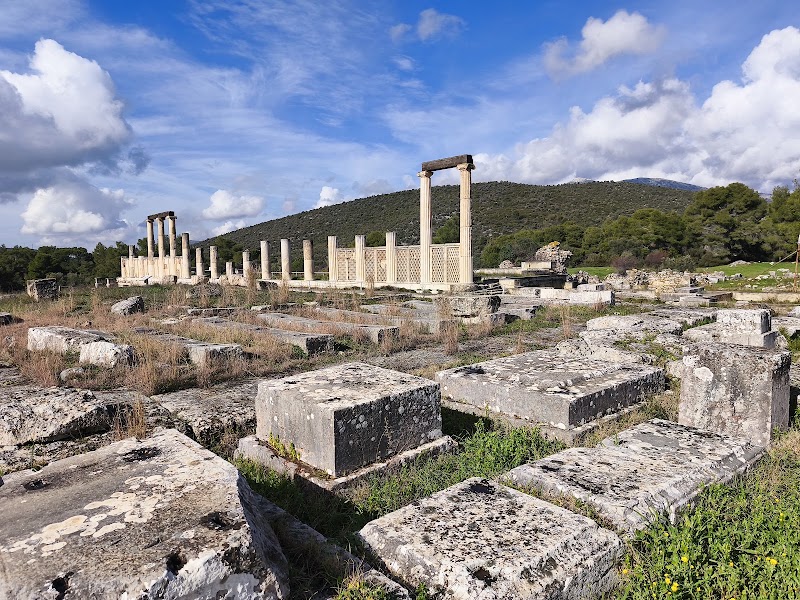
Greece · Epidavros
Epidaurus: Theatre, Healing Sanctuary and Ancient Ruins
A vast ancient healing sanctuary where a monumental theatre, evocative foundations and a compact museum reward several hours of exploration.