Holy Monastery of Daphni: Byzantine Art Near Athens
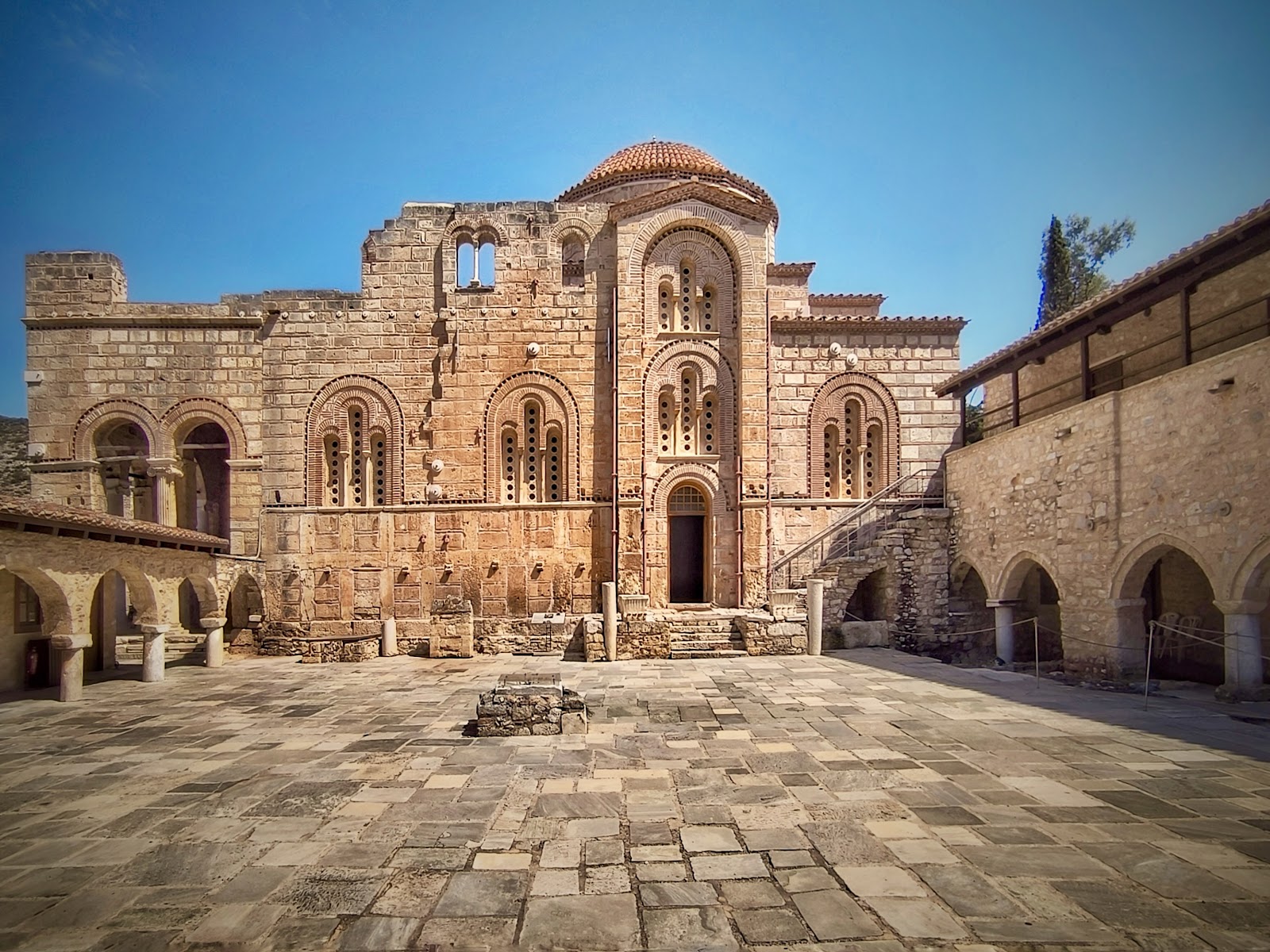
This peaceful monastery in Chaidari is known for extraordinary Byzantine mosaics, including its powerful Christ Pantocrator.
More photos
Photos published by travelers on Google, not AI generated.
What stands out
- 11th-century Byzantine mosaics
- Christ Pantocrator in the dome
- Peaceful, uncrowded atmosphere
- Monumental monastery architecture
- Free admission reported by reviewers
Worth knowing
- Journey from central Athens requires planning
- No interior lighting reported
- Steps lead into the site
Don't miss
What comes up most in public reviews
- Look up at the Christ Pantocrator
- Study the Byzantine mosaics
- Ask about the monastery’s history
- Allow time for the peaceful surroundings
Worth the trip?
Why visit
The Holy Monastery of Daphni gives visitors a quieter historical stop outside central Athens. Public ratings place it at 4.7 from 1,454 reviews, with repeated praise for the Byzantine mosaics, the monastery’s solemn interior and the calm atmosphere around the site.
The main draw is the artwork inside the church. Reviews single out the 11th-century mosaics as exceptionally beautiful, with the Christ Pantocrator in the dome receiving particular attention. Visitors describe the image as powerful and severe, yet finely made. The mosaics are not presented as decorative background. They are the reason to make the journey.
What the visit feels like
Reviewers consistently describe Daphni as peaceful and far less crowded than Athens’ best-known archaeological attractions. That quiet matters inside the monastery, where visitors can take time to look closely at the mosaics. Several reviews say the interior was breathtaking, while others focus on the combination of monumental architecture, religious history and stillness.
The approach takes some planning from central Athens. Public reviews mention using the metro followed by a bus or taxi. It is not the sort of landmark most visitors simply encounter while walking between central sights. The extra effort is widely considered worthwhile by those who make the trip.
Practical notes
Reviews describe admission as free and mention a free restroom onsite. Since the listed price level is unknown, visitors should confirm current access arrangements before setting out.
Daylight affects the experience. One reviewer specifically recommends going on a sunny day because there are no lights inside the monastery, making natural light important for seeing the artwork clearly. Steps lead into the site, so the visit may require some care for travellers with limited mobility.
A woman at the entrance was praised for explaining the history of the monastery to visitors. That kind of welcome appears in the public reviews, though opening arrangements and on-site staffing can change. The grounds also have cats that several visitors noticed, adding a small informal detail to the arrival.
Who should go
Daphni suits travellers interested in Byzantine art, religious architecture and places that reward close observation. It works particularly well for visitors spending several days in Athens who want a substantial excursion without the crowds associated with the city’s central monuments.
The monastery is not a broad entertainment attraction. Its appeal depends on the mosaics, the age of the church and the chance to sit with the setting. Visitors looking for that kind of focused cultural stop are likely to find it memorable. Those who need extensive visitor facilities or a central location may find the journey less convenient.
The strongest reason to go is simple: stand beneath the dome and look up. The Christ Pantocrator and the surrounding Byzantine mosaics carry the visit.
Plan the rest of the trip
Ask anything
Looking for somewhere else?
Keep exploring around Chaidari
More from Greece
Greece · Kastoria
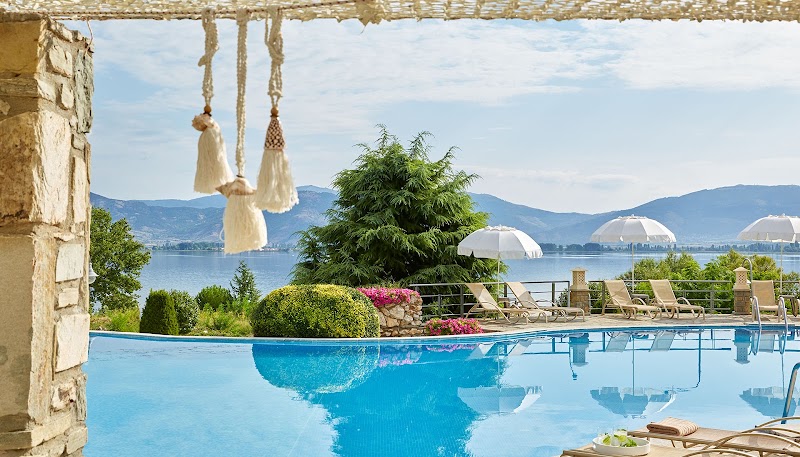
Limneon Resort & Spa: Lake Views Above Kastoria
Public reviews rate this hillside resort highly for its lake views, welcoming staff, pools and useful facilities, with some renovation caveats.

Greece · Vergina
Ancient Necropolis of Aigai: Macedonia’s Royal Tombs
Public reviews place Vergina’s ancient necropolis among Greece’s most powerful historical sites, with royal tombs, artefacts and a deeply atmospheric museum.
Greece · Αθήνα
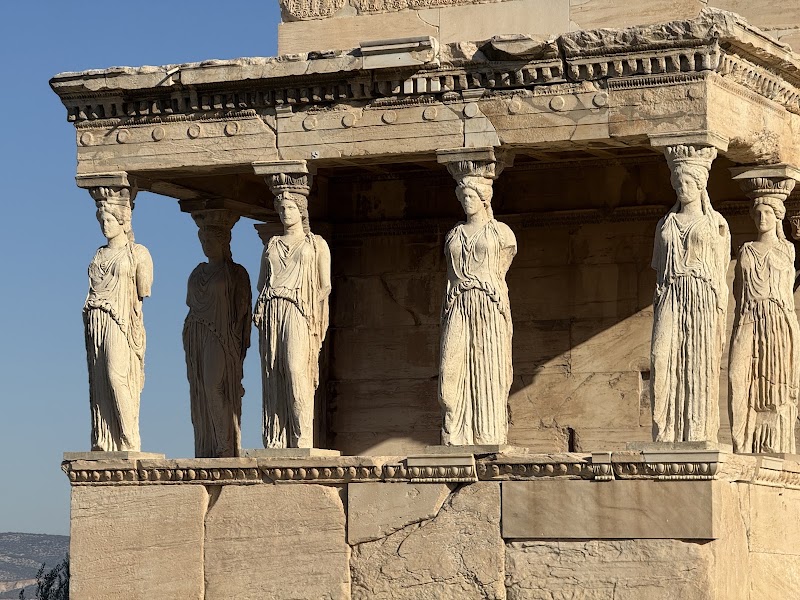
Temple of Athena Nike: Athens’s Small Classical Masterpiece
Public reviews consistently praise this elegant Acropolis temple for its symmetry, restoration, historical depth and commanding views over Athens.
Greece · Archaia Olympia
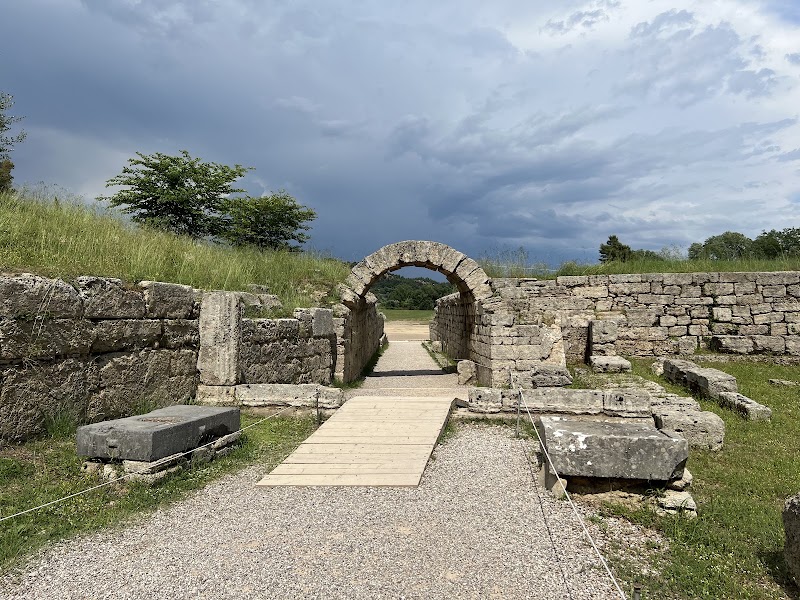
Stadium at Olympia: Where the Ancient Games Took Shape
Public reviews point to a powerful historic site with extensive ruins, shaded resting places and a quieter early-morning experience.