Stadium at Olympia: Where the Ancient Games Took Shape
Public reviews point to a powerful historic site with extensive ruins, shaded resting places and a quieter early-morning experience.
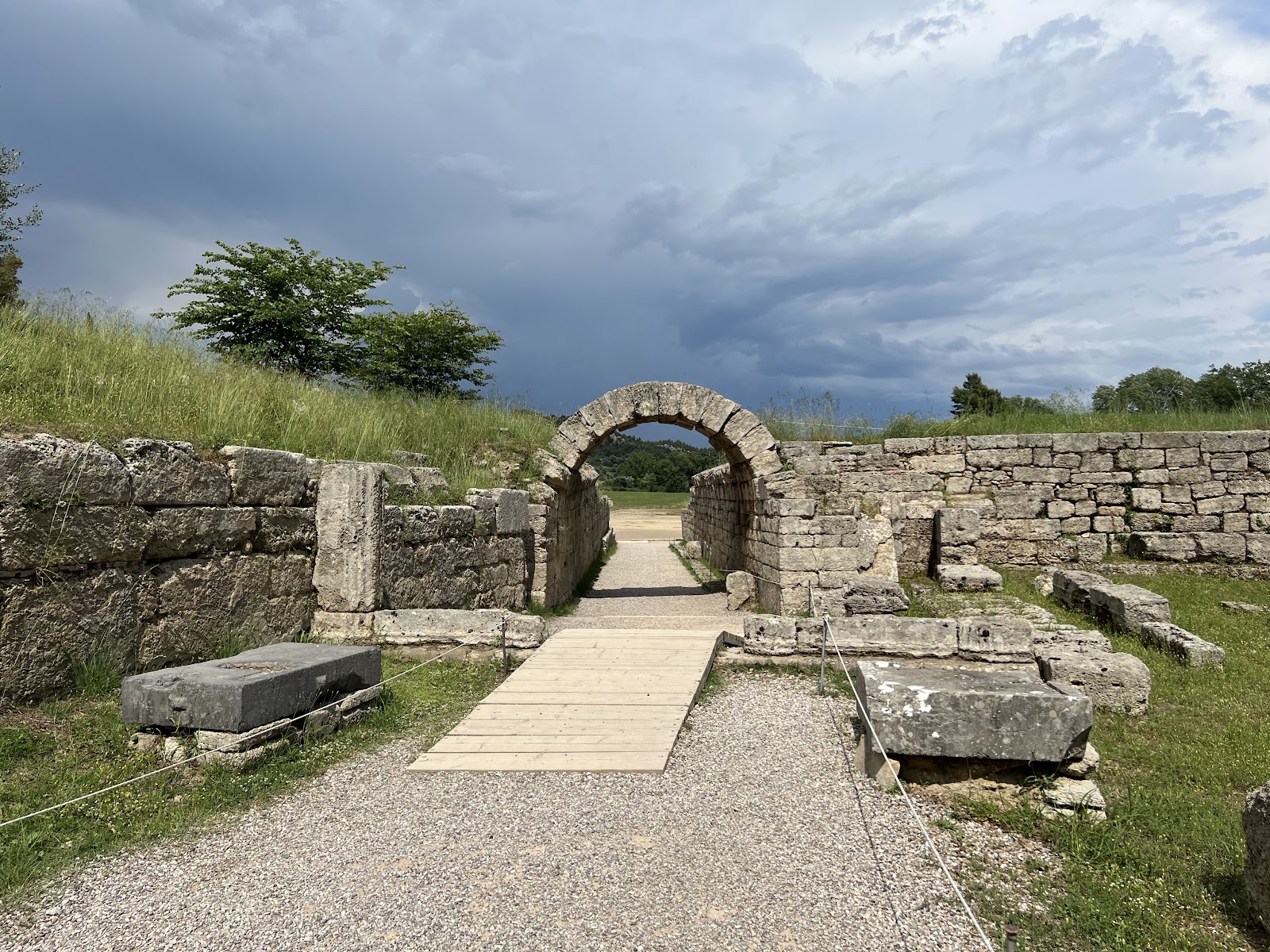
More photos
Photos published by travelers on Google, not AI generated.
What stands out
- Ancient Olympic Games setting
- Extensive archaeological ruins
- Shaded benches between the ruins
- Temple of Zeus remains
- Quieter off-season atmosphere
Worth knowing
- About three kilometres of walking
- Can feel hot and tiring
- Crowds may be higher later in the day
Don't miss
What comes up most in public reviews
- The ancient stadium
- Temple of Zeus at Olympia
- The restored temple column
- The ruins around the sanctuary
Worth the trip?
What the reviews show
The Stadium at Olympia is the athletic centrepiece of ancient Olympia, in Archaia Olympia, Greece. Public feedback is unusually strong, with a Google rating of 4.8 from 2,198 reviews. Visitors describe the experience as memorable, impressive and occasionally difficult to take in at a glance because the site extends well beyond the running ground itself.
Several reviews frame Olympia as the birthplace of the Olympic Games. The setting is not presented as a single monument. It is an archaeological landscape tied to athletics, worship and the ancient sanctuary of Zeus. One detailed review highlights the Temple of Zeus at Olympia, dated there to the fifth century BCE, and its former gold-and-ivory statue, which was counted among the Seven Wonders of the Ancient World. A restored corner column helps visitors picture the scale of the temple.
A sizeable site with places to pause
The practical detail in the reviews matters. One visitor describes walking about three kilometres around the ruins, then returning to the village for lunch and sorbet. That makes the Stadium at Olympia better suited to travellers who are comfortable spending several hours on foot rather than making a brief roadside stop.
Heat can shape the visit. A reviewer who arrived on a hot day and felt low on energy appreciated the numerous benches and shade provided by mature trees between the ruins. Those breaks seem to be part of the appeal, not an afterthought. Still, comfortable shoes, water and a slower pace make sense given the reported walking distance and exposed archaeological setting.
What the visit feels like
The strongest responses describe a direct connection with ancient sport. Visitors imagine early athletes racing, wrestling and competing in the same historic setting. The reviews also acknowledge that the games belonged to a very different society, including restrictions on women’s access and participation. That historical context gives the site more depth than a simple sports landmark.
The ruins receive repeated praise for their preservation and atmosphere. One visitor found the remains among the best preserved in Greece, while another arrived in the off season and had the place almost to themselves. A separate review says the site was less crowded in the morning. These comments suggest that timing can significantly affect the experience, especially for visitors hoping to study the ruins quietly or take photographs without heavy foot traffic.
Planning the stop
The Stadium at Olympia suits travellers interested in ancient history, archaeology and the origins of international sport. It also works for visitors who prefer walking through a substantial historic setting rather than viewing a single structure. The public reviews support allowing at least half a day, particularly if the archaeological remains are explored at an unhurried pace.
The nearby village of Olympia appears in the reviews as a useful place for a meal or a cool break after the site. The evidence does not support a firm judgment on price level, and visitors should check current access information before travelling. The main takeaway is clear: this is a physically active historical visit with strong rewards for those willing to slow down.
Plan the rest of the trip
Ask anything
Looking for somewhere else?
Keep exploring around Archaia Olympia
More from Greece
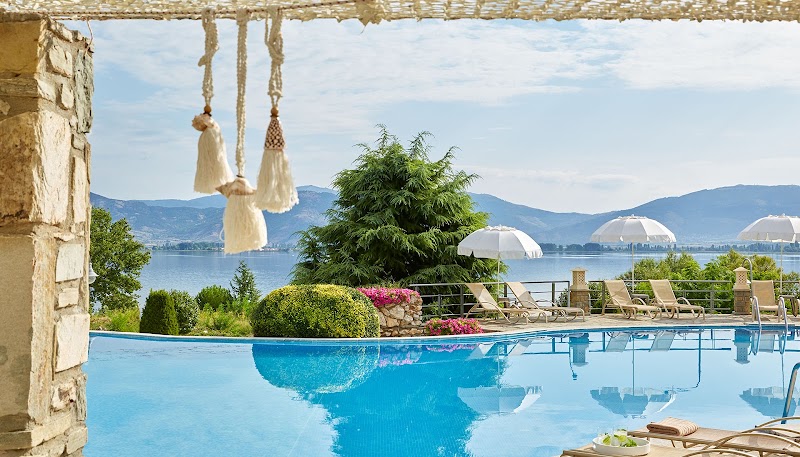
Greece · Kastoria
Limneon Resort & Spa: Lake Views Above Kastoria
Public reviews rate this hillside resort highly for its lake views, welcoming staff, pools and useful facilities, with some renovation caveats.

Greece · Vergina
Ancient Necropolis of Aigai: Macedonia’s Royal Tombs
Public reviews place Vergina’s ancient necropolis among Greece’s most powerful historical sites, with royal tombs, artefacts and a deeply atmospheric museum.
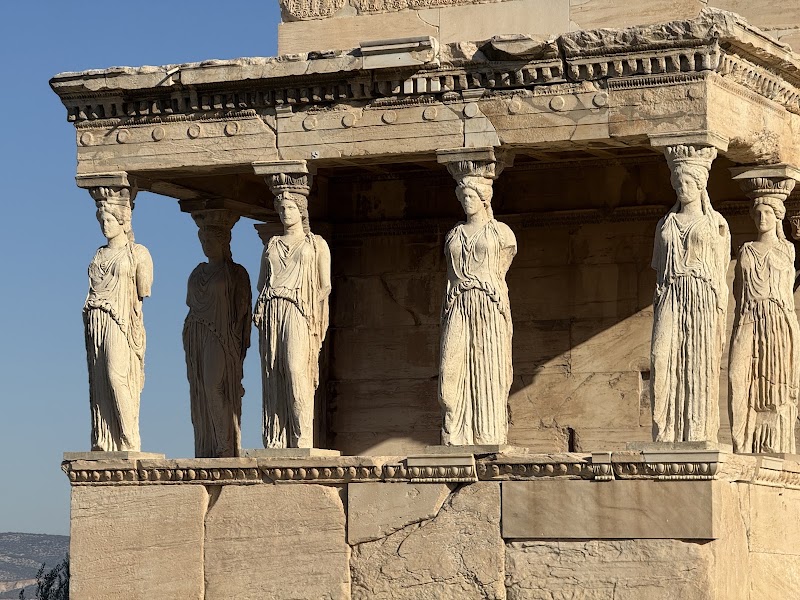
Greece · Αθήνα
Temple of Athena Nike: Athens’s Small Classical Masterpiece
Public reviews consistently praise this elegant Acropolis temple for its symmetry, restoration, historical depth and commanding views over Athens.
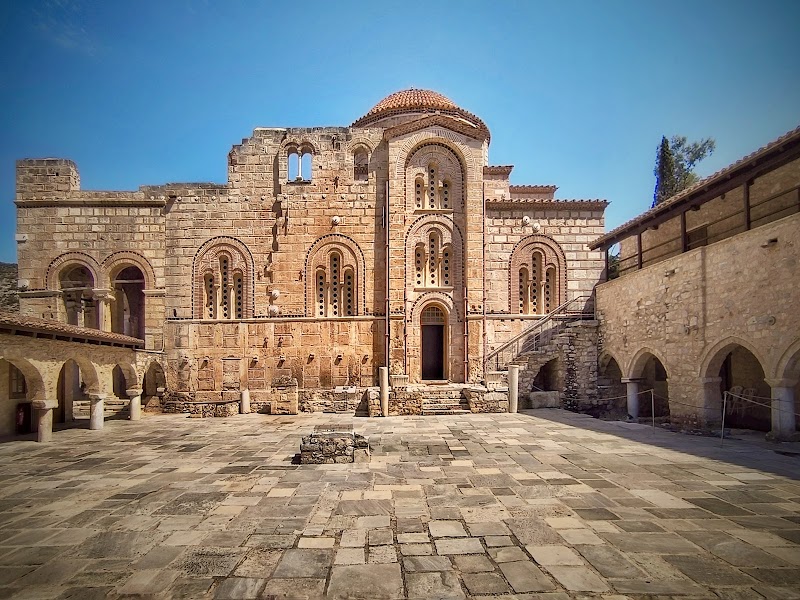
Greece · Chaidari
Holy Monastery of Daphni: Byzantine Art Near Athens
This peaceful monastery in Chaidari is known for extraordinary Byzantine mosaics, including its powerful Christ Pantocrator.