Temple of Hephaestus: Athens’ remarkably intact classic
Set above the Ancient Agora, this well-preserved temple offers classical architecture, broad views and a calmer counterpoint to the Acropolis.
More photos
Photos published by travelers on Google, not AI generated.
What stands out
- Remarkably well-preserved temple structure
- Surviving roof and substantial stonework
- Hilltop views over the Ancient Agora
- Quieter atmosphere than the Acropolis
Worth knowing
- Possible entrance detour during construction
- Daytime heat and larger crowds
Don't miss
What comes up most in public reviews
- Walk through the Ancient Agora
- View the temple from the Acropolis
- Examine the surviving roof and stone structure
- Take in the hilltop views
Worth the trip?
Why it stands out
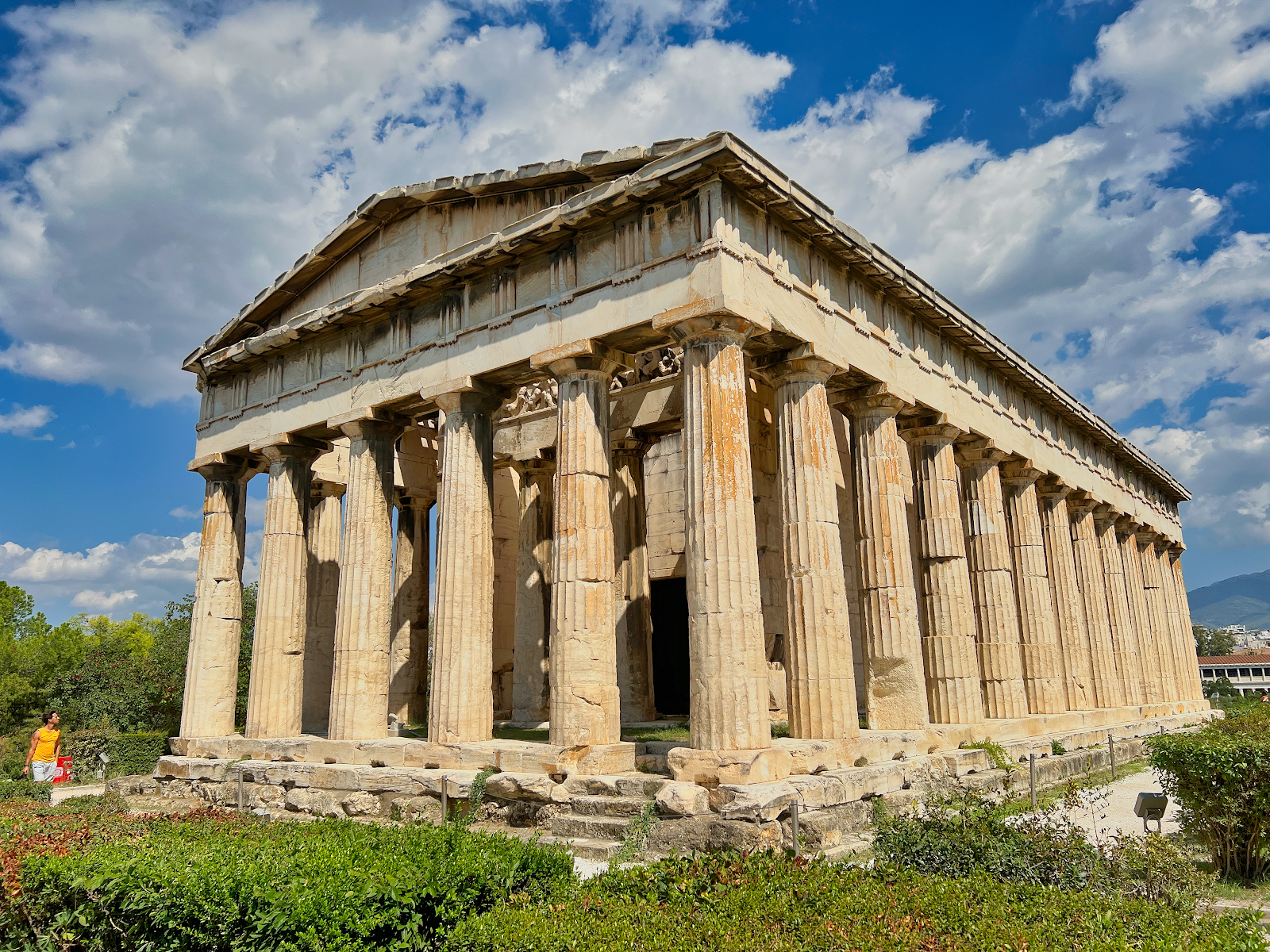
With a public rating of 4.8 from 12774 reviews, the Temple of Hephaestus draws repeated praise for one thing above all: its preservation. Travellers often call it one of the best-preserved ancient Greek temples. The roof survives, much of the stone structure remains, and the original form of a classical sanctuary is easier to grasp here than at many ruined sites.
That sense of completeness sets it apart from Athens’ more fragmented remains. Reviewers arriving after the Acropolis frequently say it helps them imagine how the city’s larger monuments once looked. The Parthenon gets more attention. Yet the Hephaisteion, as the temple is also known, gives visitors an unusually clear impression of the architecture.
Setting and atmosphere
The temple occupies a hill on the northwestern side of the Ancient Agora. From the elevated site there are views across the archaeological grounds. It is also visible from the Acropolis, where it appears small within the broader cityscape.
In public reviews, praise for the temple often extends to the Agora itself, described as somewhere to walk, pause and reflect among major monuments of ancient Greek history. Several visitors find it quieter and less crowded than the Acropolis, particularly early in the morning. Open space and hillside views add to the visit, while the unusually complete building keeps it from feeling like a brief architectural stop.
Construction is generally dated, on stylistic and archaeological grounds, to around 449–445 BC. Reviews also point to the cella, the sanctuary section in which statues of the gods would have stood, enclosed by the temple’s exterior structure.
Planning a visit
Admission to the Temple of Hephaestus is included as part of a visit to the Ancient Agora. Travellers should therefore leave enough time for both, rather than approaching the temple as an isolated roadside sight. Half a day allows for a relaxed walk around the archaeological grounds, a look at the temple from several angles and time to take in the views.
Early morning is the recommendation that appears most consistently in public feedback. The site is quieter then, and visitors may avoid some of Athens’ daytime heat. Some reviewers report finding the main entrance closed for construction and having to make a detour to enter. Access arrangements can change, so the current entrance is worth checking before setting out.
The verdict
For travellers drawn to ancient architecture, the Temple of Hephaestus is repeatedly rated as an Athens highlight. It is not mainly about spectacle. Its strength is clarity: the roof, columns and overall shape remain readable enough to show what a Greek temple looked like as a complete building.
The Ancient Agora adds historical context and gives visitors room for a comparatively relaxed walk. Those short on time may understandably put the Acropolis first, but public reviews strongly favour fitting this site into the same itinerary. After the Parthenon, it offers a useful visual reference. Early in the day, it can also provide one of the calmer encounters with classical Athens.
Plan the rest of the trip
Ask anything
Looking for somewhere else?
Keep exploring around Athens
More from Greece
Greece · Peloponnese
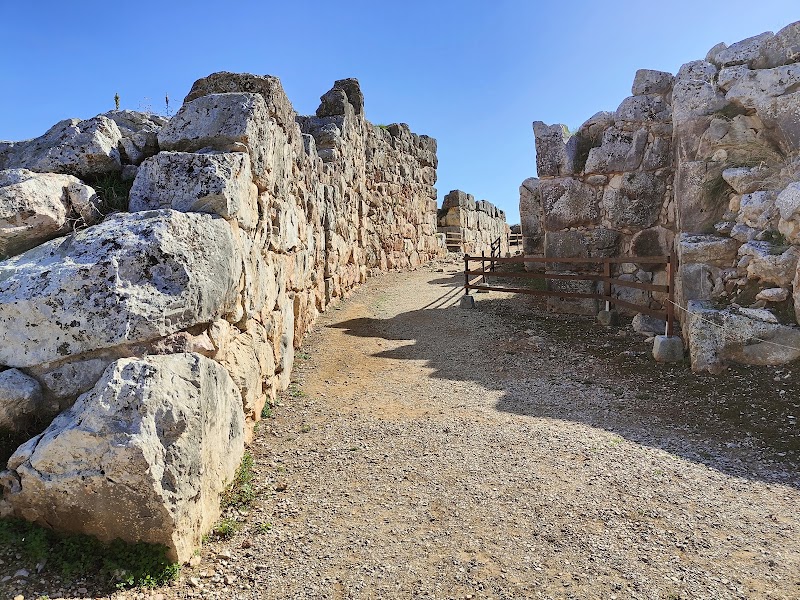
Tiryns: Mighty Mycenaean Walls Close to Nafplio
Massive stone ramparts and atmospheric galleries make this compact citadel a rewarding companion to better-known Mycenae.
Greece · Delphi
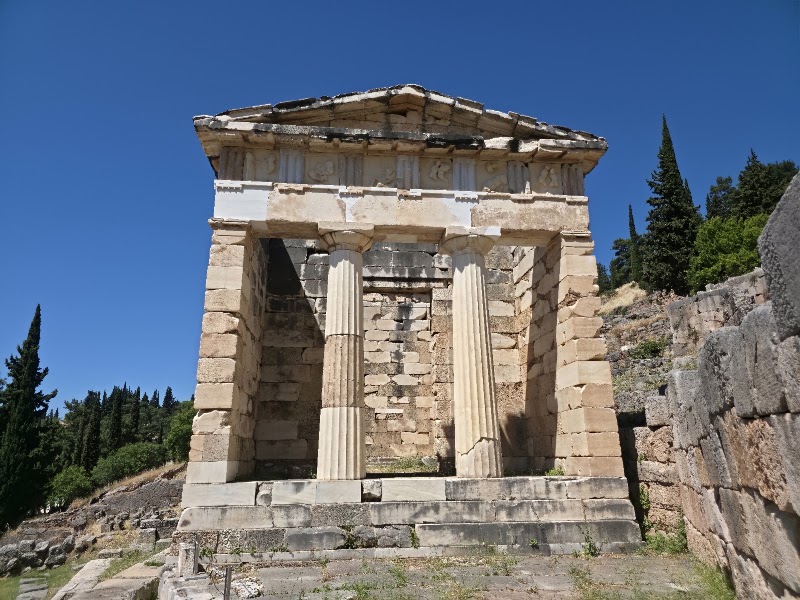
Delphi Archaeological Site: Ruins Above a Dramatic Valley
Ancient monuments, mountain scenery and a rewarding climb make Delphi one of Greece’s most impressive archaeological sites.
Greece · Delos
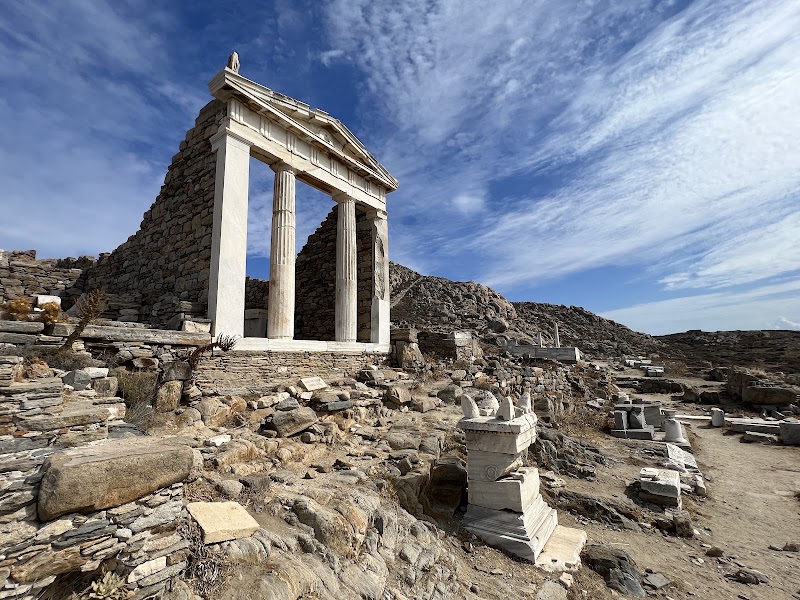
Delos rewards time, context and sturdy walking shoes
Ancient sanctuaries, residential ruins and sweeping views make Delos a compelling half-day excursion for history-minded travellers.
Greece · Epidavros
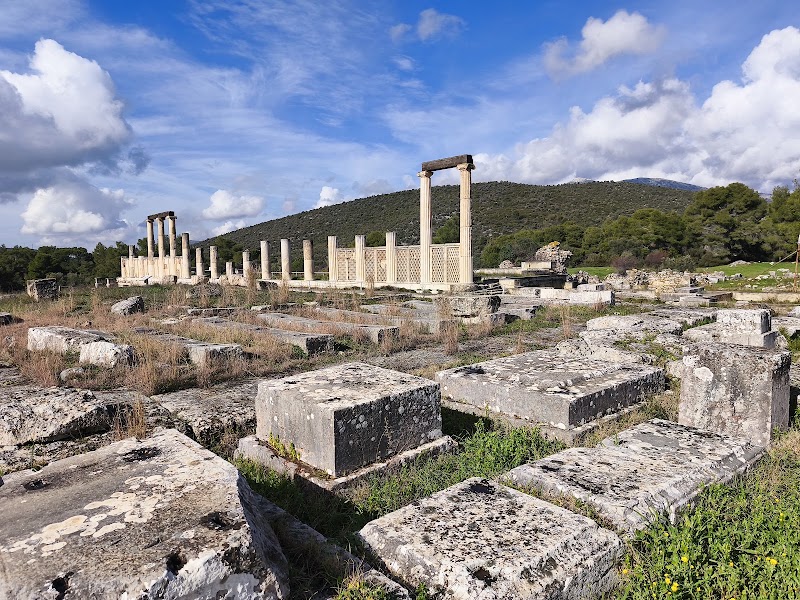
Epidaurus: Theatre, Healing Sanctuary and Ancient Ruins
A vast ancient healing sanctuary where a monumental theatre, evocative foundations and a compact museum reward several hours of exploration.