Temple of Apollo Epicurius: A Remote Classical Landmark
High in the Peloponnese, this remarkably preserved UNESCO-listed temple rewards travellers willing to tackle its challenging approach.

More photos
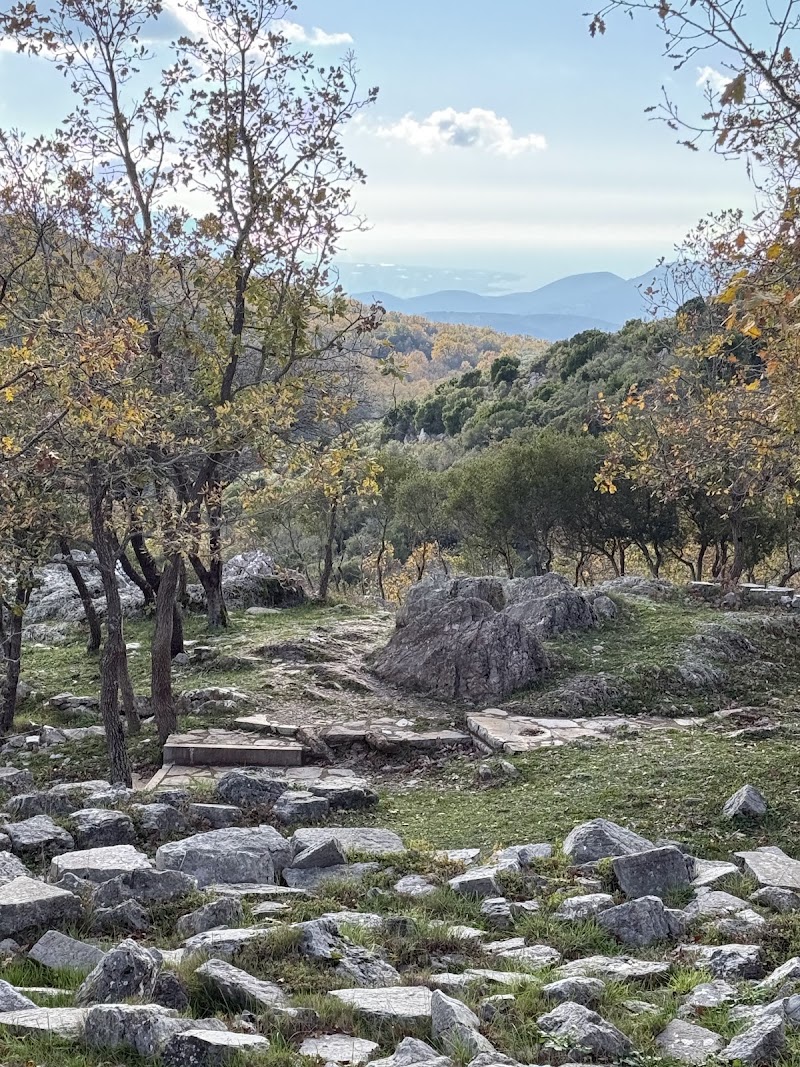

Photos published by travelers on Google, not AI generated.
What stands out
- Remarkably preserved ancient temple
- Remote mountaintop setting
- Quiet, contemplative atmosphere
- UNESCO World Heritage status
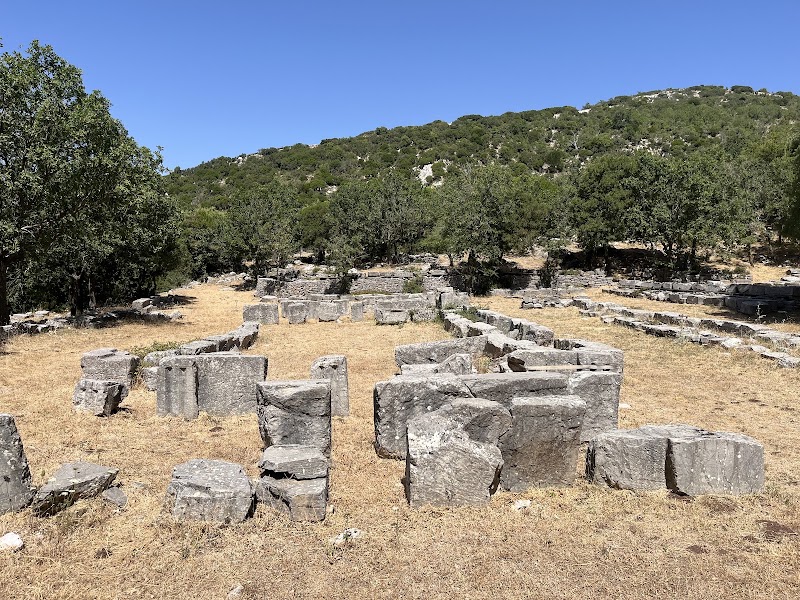
- Additional remains around the grounds
Worth knowing
- Narrow, twisting approach roads
- Navigation times may be unrealistic
- Relatively small archaeological site
Don't miss
What comes up most in public reviews
- The preserved temple
- A walk around the mountain setting
Worth the trip?
Why the temple stands out
Public feedback presents the Temple of Apollo Epicurius at Bassae as a destination that requires commitment. With a Google rating of 4.8 from 3126 reviews, it earns especially strong praise for its preservation, mountain setting and sense of isolation. Travellers repeatedly describe the monument as an impressive encounter with the ancient Peloponnese rather than a casual roadside stop.
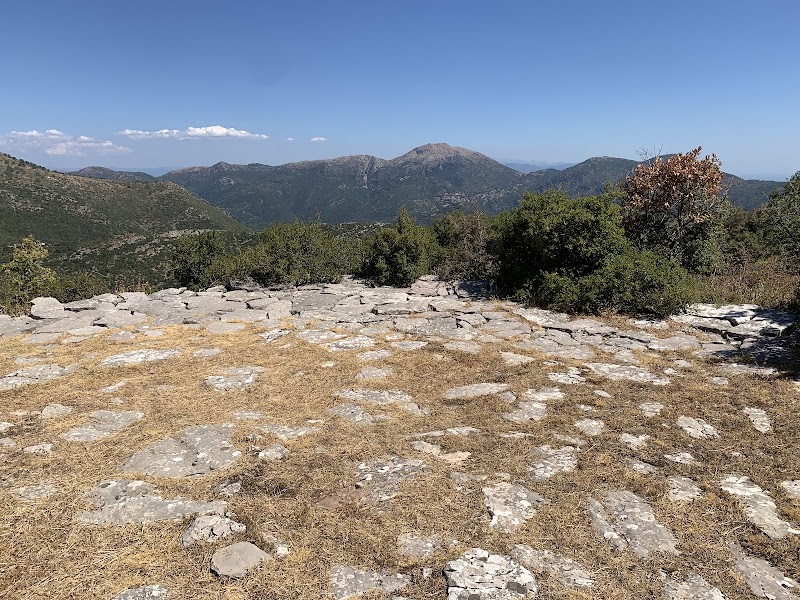
The temple’s remote position is central to its appeal. Reviewers express astonishment that such a massive structure could have been erected on a mountaintop, far from the region’s easier modern routes. That setting also gives the site an atmosphere quite different from busier archaeological attractions. Some visitors report having the grounds almost entirely to themselves, creating time and space to study the surviving stones without crowds pressing around them.
The site is also identified in public reviews as a UNESCO World Heritage Site. For history-focused travellers, that status and the temple’s condition make the difficult journey feel worthwhile.
What visitors can expect
The archaeological area is relatively small, so this is not generally described as an all-day attraction. The preserved temple is the clear focus, with additional ancient remains visible across the surrounding grounds. Reviews suggest that the experience benefits from a slower pace. Visitors who linger can walk around the archaeological site, take in the landscape and consider how the setting was used for gatherings and celebrations over many centuries.
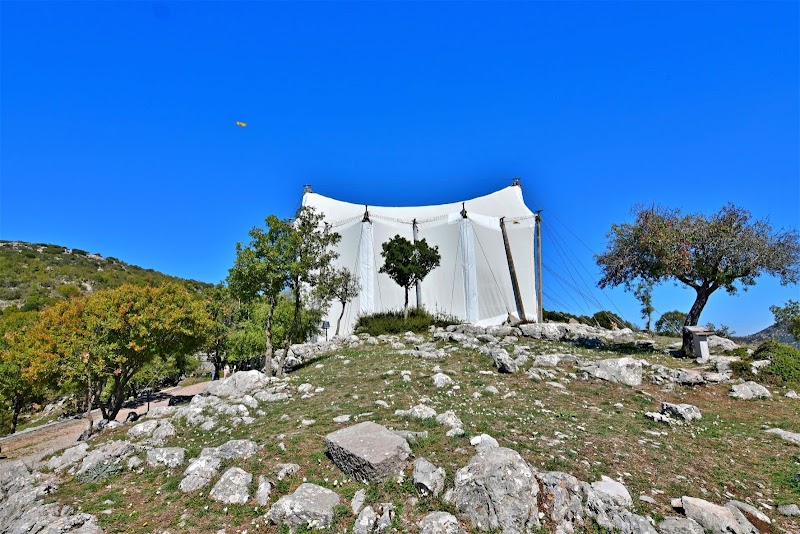
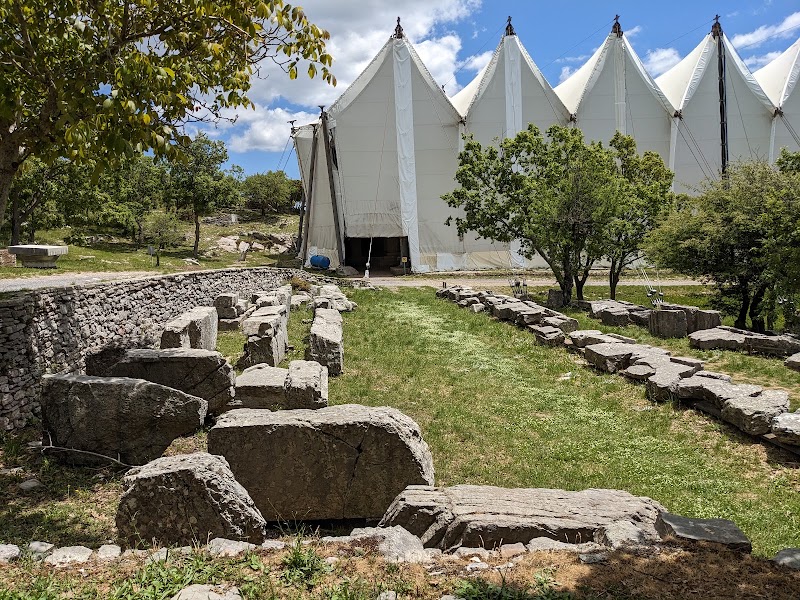
A protective tent covers the temple. While that changes the visual impression of approaching an open-air ruin, reviewers still find the structure striking once inside the covered area. Several comments emphasise how much survives and how closely visitors can appreciate the monument’s scale and construction.
The combination of substantial ancient stonework and rugged scenery gives Bassae much of its emotional force. Public feedback frequently uses language of awe and reflection, particularly when discussing the labour involved in building at this elevation and the austere lives associated with the surrounding landscape.
The road to Bassae
Access is the most consistent drawback. Reviews warn that navigation apps may direct drivers along narrow, twisting roads through villages, sometimes using unrealistic travel-speed estimates. In places, passing can be difficult when vehicles meet, and one driver may need to reverse to create enough room.
Travellers should therefore allow more time than a navigation estimate suggests and treat the drive as part of the day rather than something to rush. The temple is best suited to confident drivers or visitors who have planned transport carefully. Pairing it with wider exploration of the central Peloponnese or the nearby Neda River area can make the lengthy approach more practical.
Overall verdict
Synthesised public opinion is unusually positive: Bassae offers a well-preserved classical monument, dramatic mountain surroundings and a strong possibility of a quiet visit. Its compact size and demanding access mean it will not suit every itinerary. For travellers interested in archaeology and willing to navigate rural roads deliberately, however, it ranks among the region’s most memorable historical landmarks.
Ask anything
Looking for somewhere else?
Keep exploring around Figaleia
More from Greece
Greece · Peloponnese
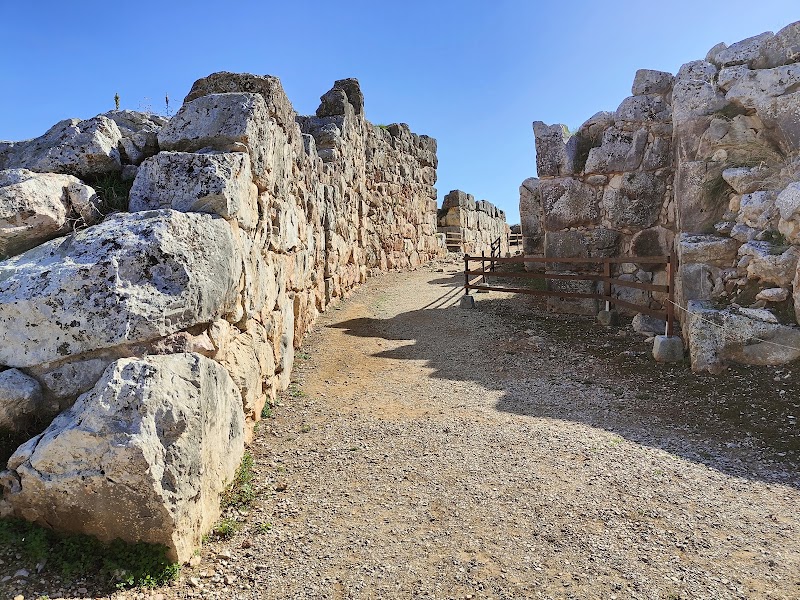
Tiryns: Mighty Mycenaean Walls Close to Nafplio
Massive stone ramparts and atmospheric galleries make this compact citadel a rewarding companion to better-known Mycenae.
Greece · Delphi
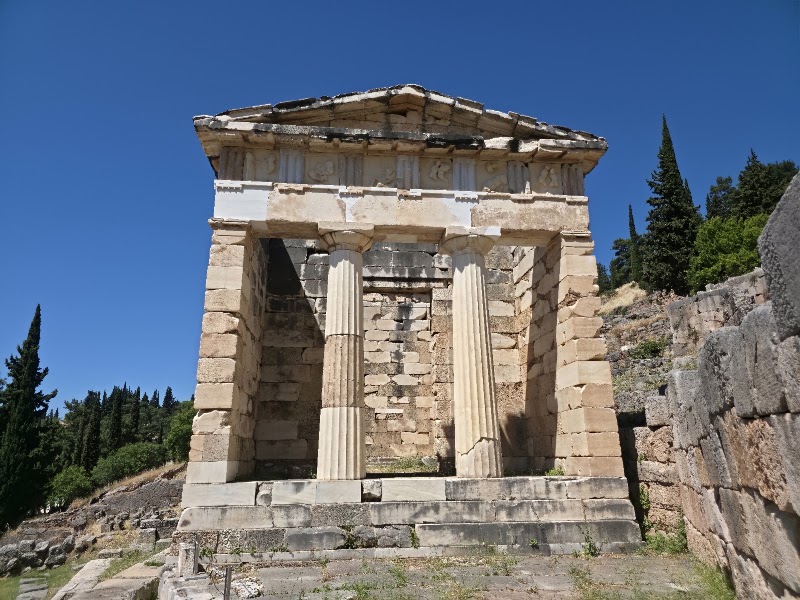
Delphi Archaeological Site: Ruins Above a Dramatic Valley
Ancient monuments, mountain scenery and a rewarding climb make Delphi one of Greece’s most impressive archaeological sites.
Greece · Delos
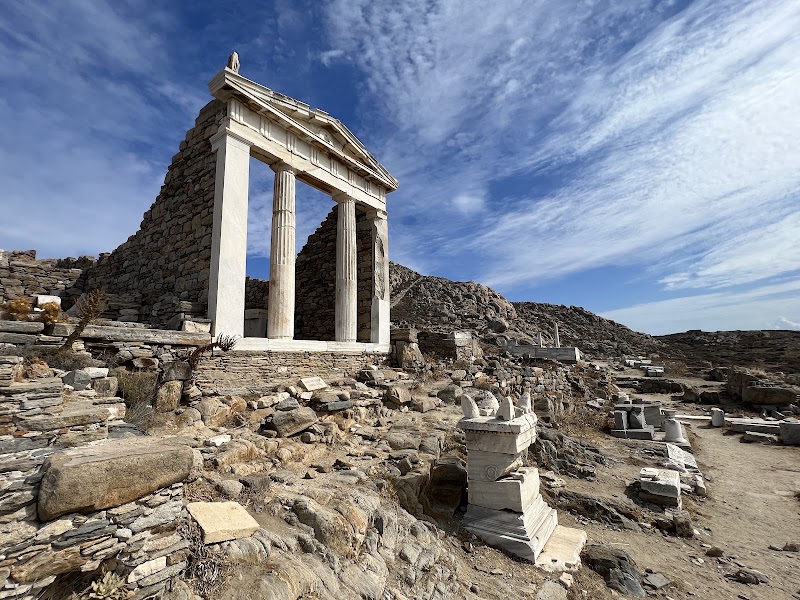
Delos rewards time, context and sturdy walking shoes
Ancient sanctuaries, residential ruins and sweeping views make Delos a compelling half-day excursion for history-minded travellers.
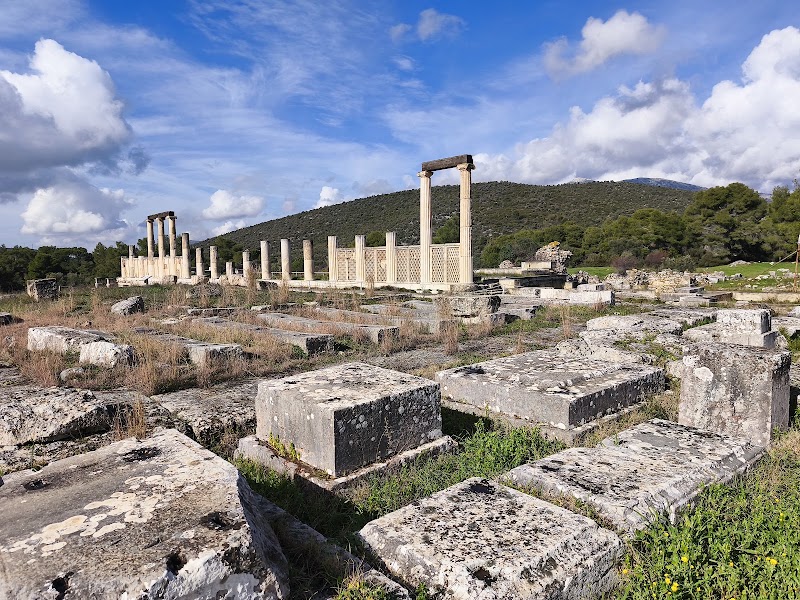
Greece · Epidavros
Epidaurus: Theatre, Healing Sanctuary and Ancient Ruins
A vast ancient healing sanctuary where a monumental theatre, evocative foundations and a compact museum reward several hours of exploration.