Taa-Dzong: Trongsa’s Watchtower Museum
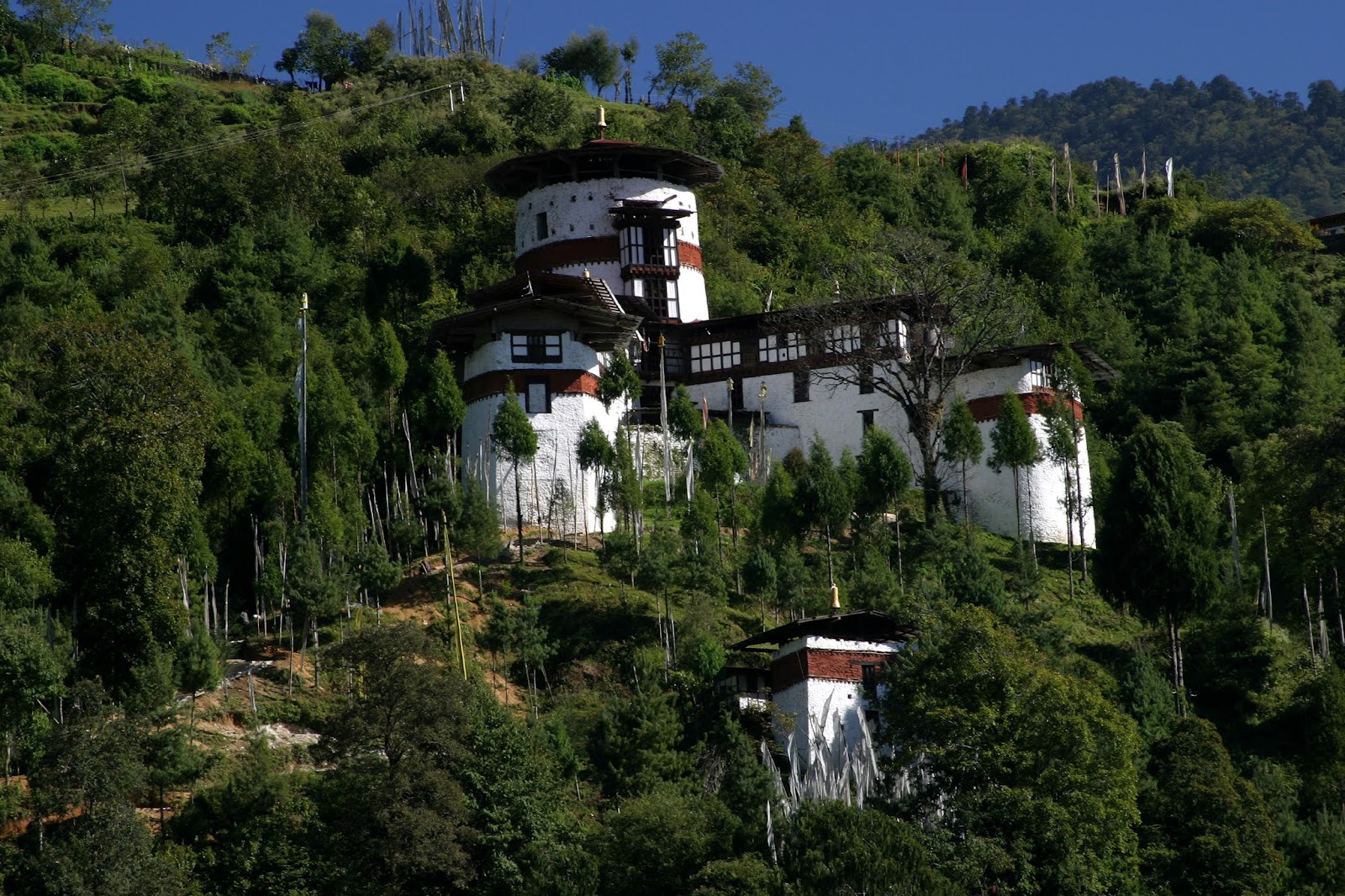
A former defensive tower above Trongsa Dzong, Taa-Dzong now presents Bhutanese history, royal heritage and mountain views.
More photos
Photos published by travelers on Google, not AI generated.
What stands out
- Chronological museum exhibition
- Introductory historical film
- Raven crown, textiles and weapons
- Views of Trongsa Dzong and Mangde Chhu valley
- 1652 watchtower setting
Worth knowing
- No public price information supplied
- One review incorrectly places the attraction in Paro
Don't miss
What comes up most in public reviews
- Watch the chronological film
- See the raven crown
- Look at the older textiles and weapons
- Visit the rooftop viewpoint
Worth the trip?
Why visit Taa-Dzong
Public ratings and traveller reviews give Taa-Dzong a strong 4.5 score from 56 Google reviews. The attraction occupies a historic watchtower above Trongsa Dzong, with wide views towards the Mangde Chhu valley. Its position explains the building’s original purpose. Built in 1652, Taa-Dzong guarded the dzong and nearby settlements against possible invasions.
The watchtower later became a Royal Heritage Museum, with the conversion dated to 2008 in the supplied public information. The setting does much of the work. Visitors reach a place built for surveillance, then find exhibitions focused on Bhutan’s history, customs and royal heritage.
What the museum shows
Reviewers consistently describe the exhibition as well organised and chronological. The visit begins with a film divided into historical chapters, giving visitors a useful framework for the displays that follow. One reviewer found this particularly helpful for making sense of Bhutan’s history.
The collection includes artefacts connected with Bhutanese royal and cultural life. Public reviews specifically mention a raven crown, older textiles and weapons. Other comments refer to displays covering cultural history, customs, fashion and Bhutanese traditions. The museum is therefore more useful for visitors who want context than for those looking only for a quick viewpoint.
The exhibits also help explain the relationship between Trongsa’s political history and its fortified architecture. The former military role remains part of the experience, even after the building’s conversion into a museum.
Views and visit experience
The rooftop view is a recurring highlight in the reviews. From above, visitors can look across to Trongsa Dzong and out over the Mangde Chhu valley. The view adds a strong visual finish to the indoor exhibits, especially after the chronological film and galleries have established the historical setting.
Reviewers describe the museum as worthy of a visit and call it an essential stop for understanding the wider Bhutanese journey. That broader claim should be read in context: it comes from visitor commentary, and one supplied review incorrectly places Taa-Dzong in Paro. The attraction itself is in Trongsa.
Who should go
Taa-Dzong suits travellers interested in Bhutanese history, royal heritage, traditional clothing and defensive architecture. It also works for visitors already planning to see Trongsa Dzong, since the watchtower overlooks it and offers a different perspective on the same historic landscape.
A half-day is a sensible allowance when the museum, introductory film and rooftop view are combined. No public price information is supplied in the available listing material, so the cost level cannot be assessed here. The strongest reason to visit is clarity: the exhibits put local history into sequence, while the building and its views keep the experience rooted in Trongsa.
Plan the rest of the trip
Ask anything
Looking for somewhere else?
Keep exploring around Trongsa
More from Bhutan
Bhutan · Thanza
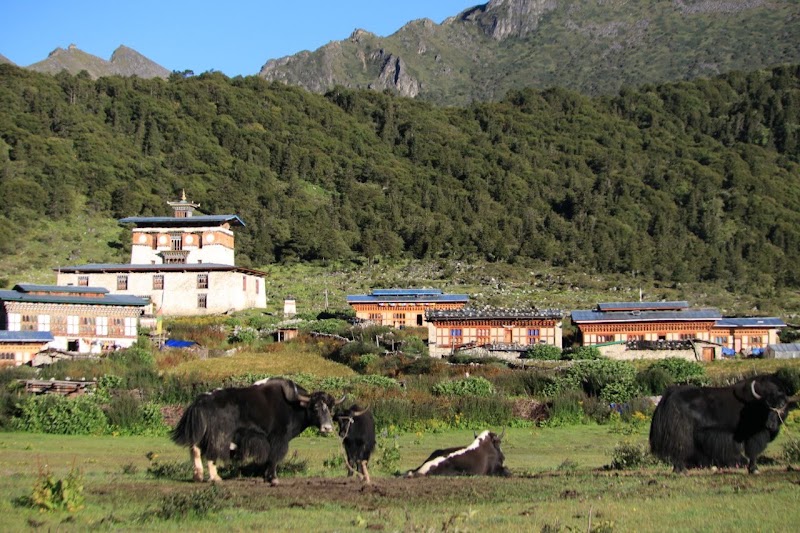
Lunana Village: Bhutan’s Remote Himalayan Way of Life
Public reviews portray Lunana Village as a remote, deeply traditional place shaped by clean air, mountain weather and resilient community life.
Bhutan
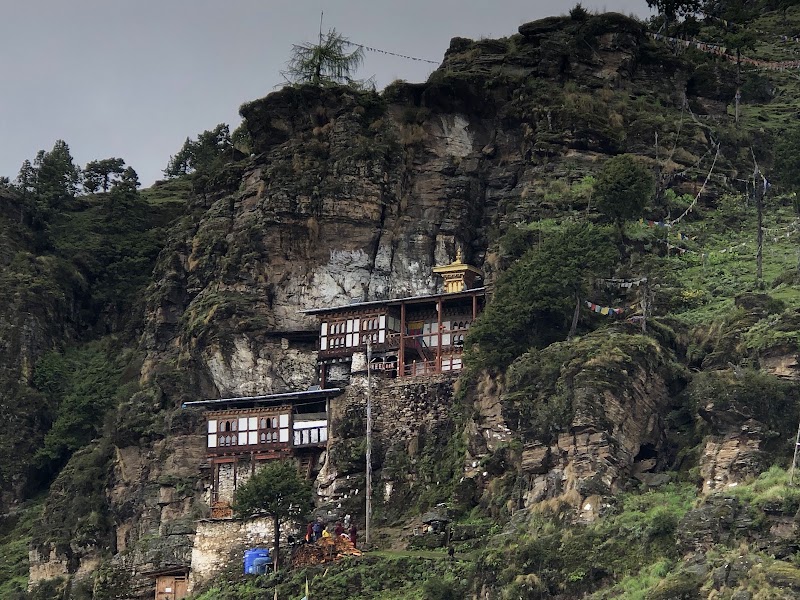
Bumdrak Monastery: A High Mountain Trek Above Paro
Bumdrak Monastery suits strong hikers seeking mountain views, spiritual quiet and an overnight trek beyond Bhutan’s better-known Tiger’s Nest route.
Bhutan · Trashigang
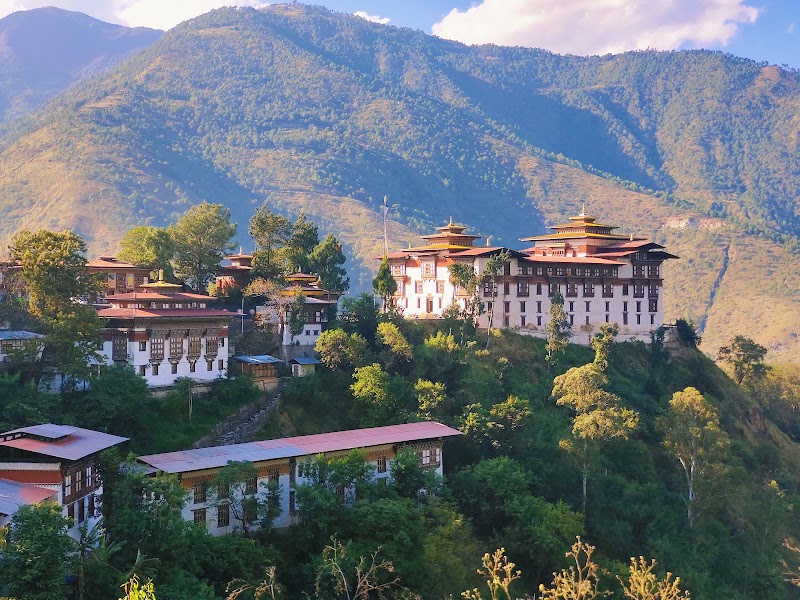
Trashigang Dzong: A Ridge-Top Fortress in Eastern Bhutan
Public reviews describe Trashigang Dzong as a working religious and administrative fortress with broad views over the Drangme Chhu and surrounding valleys.

Bhutan · Thimphu
Royal Botanical Garden Serbithang: A Quiet Thimphu Escape
Peaceful trails, Himalayan plants and mountain views make this garden a worthwhile nature stop outside Thimphu, with some maintenance gaps noted.