Trashigang Dzong: A Ridge-Top Fortress in Eastern Bhutan
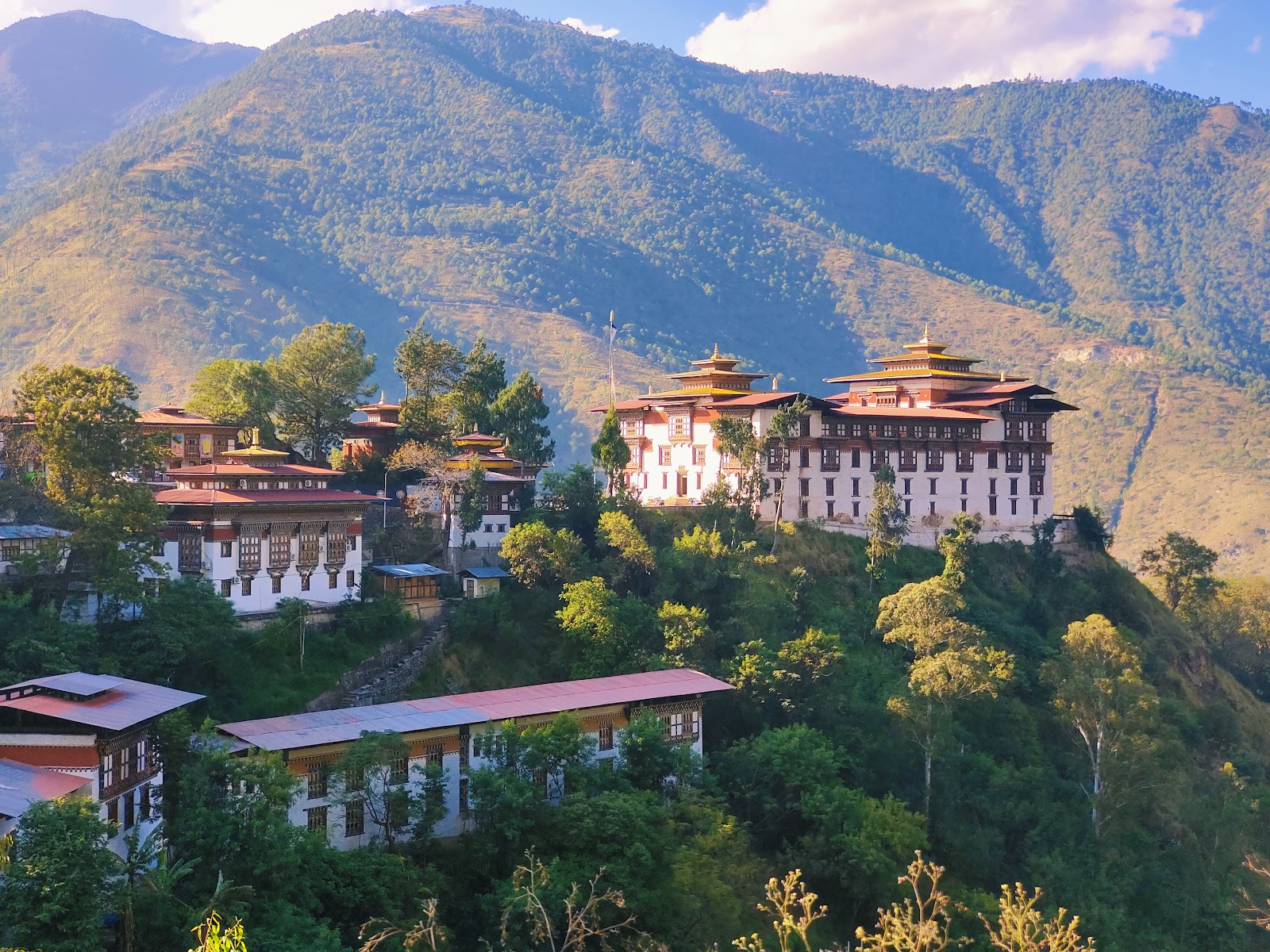
Public reviews describe Trashigang Dzong as a working religious and administrative fortress with broad views over the Drangme Chhu and surrounding valleys.
More photos
Photos published by travelers on Google, not AI generated.
What stands out
- Ridge-top setting above the Drangme Chhu
- Courtyard and window views for photography
- Religious and administrative functions
- History as an eastern political stronghold
- Panoramas across surrounding valleys
Worth knowing
- The approach is described as narrow and steep
- Some visitors find it typical compared with other dzongs
- Scenery may feel less impressive than expected
Don't miss
What comes up most in public reviews
- Look across the Drangme Chhu and surrounding valleys
- Photograph the courtyard
- Peek through the windows for framed views
- Observe the fortress's religious and administrative role
Worth the trip?
Trashigang Dzong is the defining sight of Trashigang, Bhutan, and public reviews give it a Google rating of 4.4 from 81 reviews. Known as the Fortress of the Auspicious Hill, it stands on a ridge above the Drangme Chhu and the valleys around Trashigang. The setting does much of the work. Visitors see steep drops beside the structure, higher mountains beyond and a river far below.
A fortress with a living role
Reviews consistently present the dzong as more than a historic building. It serves religious and administrative purposes, and people from Trashigang District visit for blessings and official matters. One review mentions land registration and recording the names of newborn children. That ongoing civic and spiritual role gives the site a stronger sense of place than a monument that is used only for sightseeing.
The public descriptions also refer to its long history as an eastern political stronghold. It reportedly guarded the region for more than 300 years against local and Tibetan invasions. The exact construction date is not established in the supplied material, though one review places its building in the 1650s. Visitors should treat the historical detail as background rather than a substitute for an on-site interpretation.
What the visit feels like
The approach is described as narrow and steep, with the dzong reached from the ridge. Once inside, reviewers highlight the courtyard, windows and elevated outlook. The views are a major reason to stop: the building looks over the river and surrounding valleys, while the ridge position creates a clear sense of the terrain that shaped its importance.
The courtyard is a good place for photographs, and the windows offer framed views across the landscape. Those details recur in positive reviews, which describe the fortress as beautiful and impressive. The site is especially meaningful for travellers exploring eastern Bhutan, since one reviewer calls it the first place to explore in the region.
Expectations to set
Not every visitor considers Trashigang Dzong exceptional compared with other dzongs in Bhutan. One review calls it fairly typical and finds the structure and surrounding scenery less striking than expected. That criticism matters for travellers building a trip around grand architecture alone. The appeal is more complete when the fortress is considered as a religious and administrative centre in a dramatic ridge setting.
Trashigang Dzong suits visitors already in Trashigang, travellers interested in Bhutanese religious life and anyone who wants a viewpoint over the Drangme Chhu valley. It is not presented in the reviews as a full-day attraction. A focused visit should allow time for the approach, the courtyard, the views and respectful observation of its working functions.
Plan the rest of the trip
Ask anything
Looking for somewhere else?
Keep exploring around Trashigang
More from Bhutan

Bhutan · Thimphu
Royal Botanical Garden Serbithang: A Quiet Thimphu Escape
Peaceful trails, Himalayan plants and mountain views make this garden a worthwhile nature stop outside Thimphu, with some maintenance gaps noted.
Bhutan · Pachu
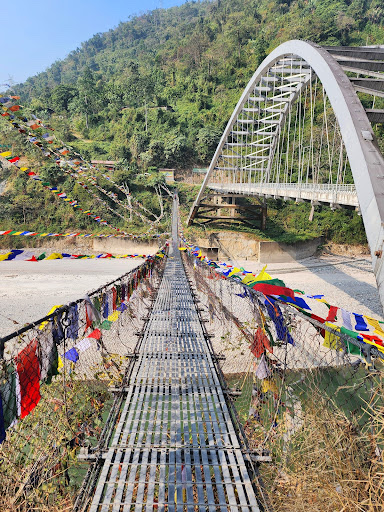
Amochu Suspension Bridge: A Scenic Walk Over the River
Public reviews rate this Pachu attraction highly for its river views, mountain setting and short suspension-bridge walk near Phuentsholing.
Bhutan · Teoprongchu
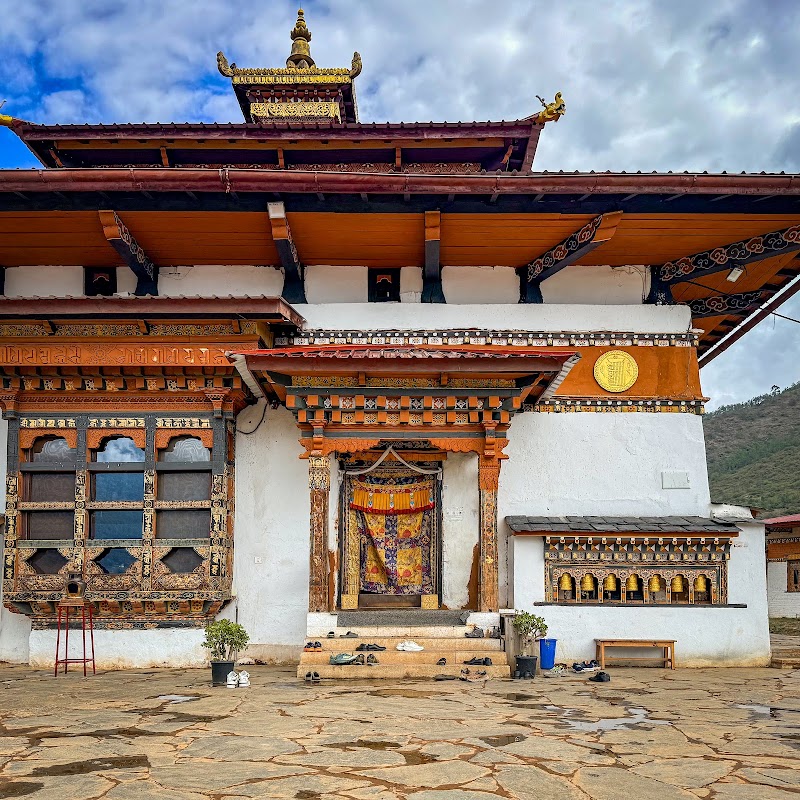
Chimi Lhakhang, Bhutan’s Fertility Temple in the Punakha Valley
Chimi Lhakhang combines a short rural walk, distinctive religious symbolism and the stories of Bhutan’s unconventional Divine Madman.
Bhutan · Chapna N.C.
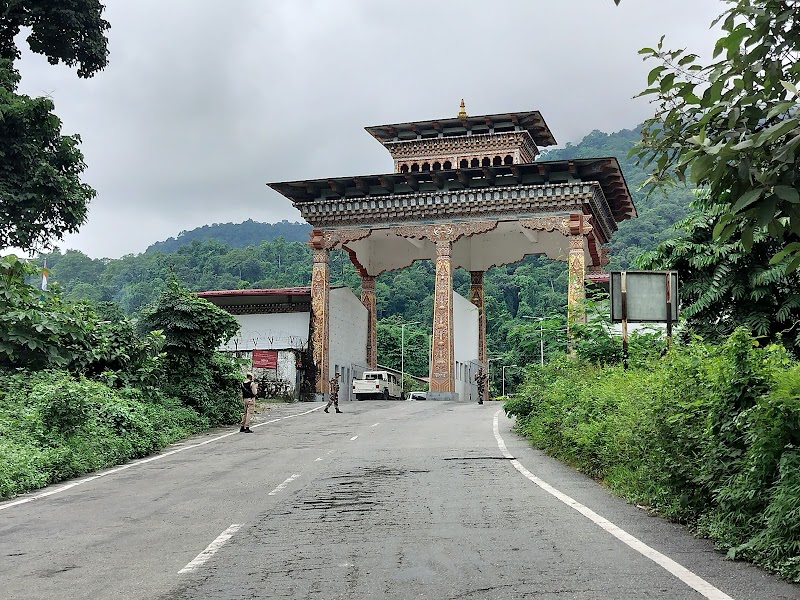
Indo-Bhutan Border Gateway: A Practical Crossing Visit
This India-Bhutan gateway offers a brief cultural stop, photo opportunities and a firsthand look at the contrast between Jaigaon and Phuentsholing.