Swedish Lion Statue, Narva: History with a Castle View
This compact Narva monument marks the 1700 Battle of Narva and offers a clear outlook towards Narva Castle and Ivangorod Fortress.
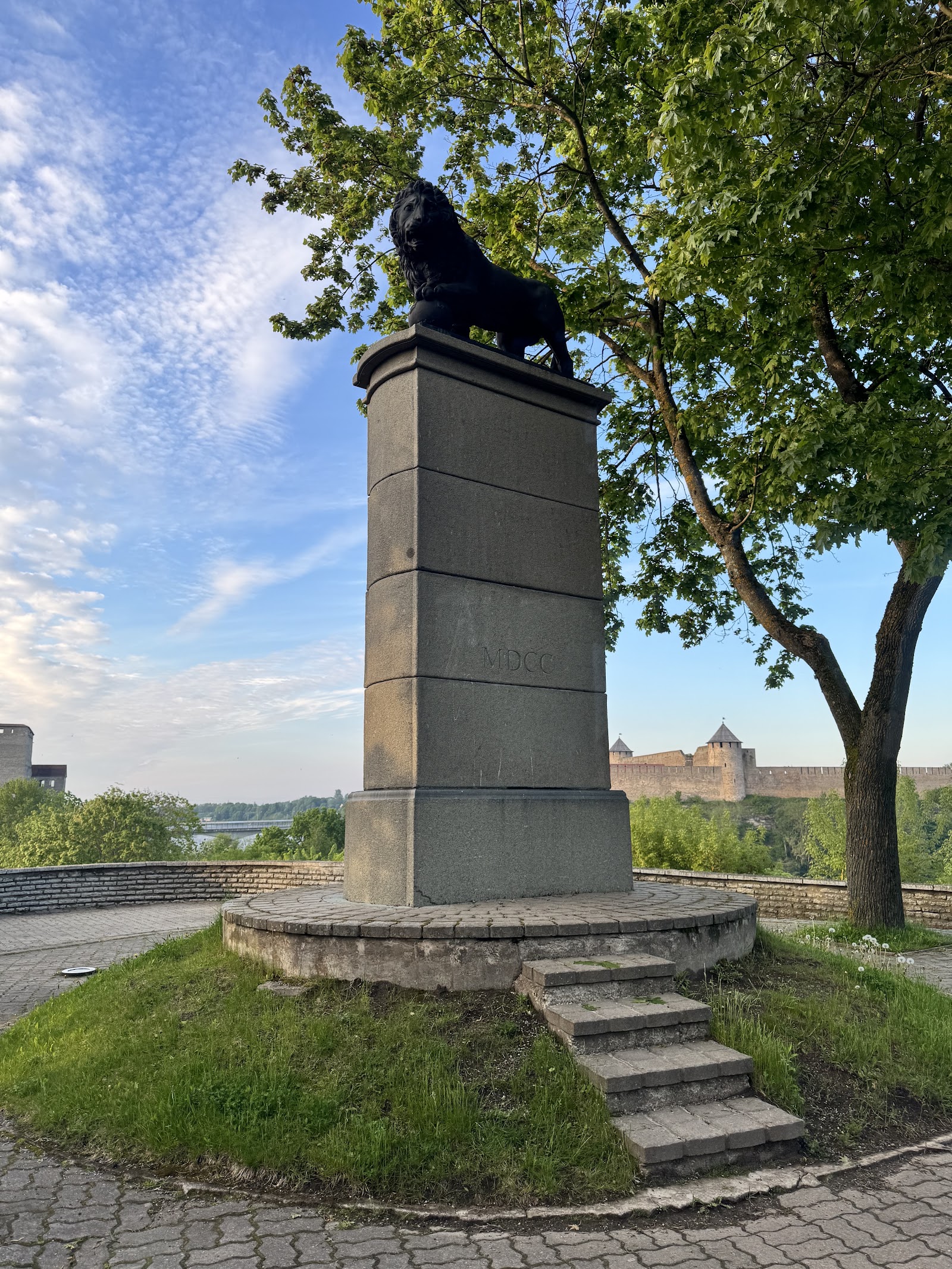
More photos
Photos published by travelers on Google, not AI generated.
What stands out
- Monument to the 1700 Battle of Narva
- Views towards Narva Castle
- Views towards Ivangorod Fortress
- Historic Swedish lion sculpture
Worth knowing
- Check current drone and border restrictions
- The statue is a brief stop, not a large attraction
- Price information is not provided
Don't miss
What comes up most in public reviews
- Read about the Battle of Narva
- Look towards Narva Castle
- Look towards Ivangorod Fortress
- Check the monument’s history
Worth the trip?
Why visit
The Swedish Lion is a small attraction with a strong historical focus. Public reviews give it a 4.7 rating from 553 reviews, with visitors mainly coming for two reasons: the monument’s connection to the Battle of Narva and the elevated view across the river towards two fortresses.
The battle took place in 1700, when Swedish forces under King Charles XII defeated a larger Russian army led by Peter the Great. The lion commemorates the soldiers who died in the conflict. Reviewers also note that the date can be given as 30 November in the Gregorian calendar, or 19 November under the Julian calendar used at the time.
What the reviews show
The view is the attraction’s most consistent practical appeal. From the statue, visitors can look towards Narva Castle in Estonia and Ivangorod Fortress in Russia. The paired fortifications give the stop more visual interest than the monument alone, especially for travellers already exploring Narva’s riverfront and historic centre.
The statue itself has a complicated history. One earlier version, described in public reviews as a copy of a lion at Stockholm Palace, was installed near a city entrance in 1936 and destroyed during the Second World War. The present monument is described as a copy of the Medici lion associated with the Royal Swedish Academy of Fine Arts.
Some visitors find the statue underwhelming as a standalone sight. That criticism appears alongside repeated praise for the outlook, so expectations matter. This is a brief historical stop, not a large museum or an attraction with a long programme of activities.
Planning the stop
The available listing does not provide a price level, so the visit should be treated as an attraction to check locally rather than assigned a cost category. The reviews do not establish a best season or time of day. A short visit is likely enough for the monument and the view, with more time useful if the traveller is photographing the fortifications or combining the stop with Narva Castle.
The setting also requires care around photography and drones. One public review describes a visitor being detained after flying a small drone, with police citing the location’s proximity to the Russian border. That account is not a substitute for current official guidance, but it is a clear reason to check Estonian aviation and border restrictions before bringing a drone.
Verdict
The Swedish Lion suits travellers interested in Narva’s military history and visitors looking for a strong river view. Its appeal depends less on the sculpture’s scale than on its position and context. The monument connects the city to a major 1700 battle, while the sightline towards Narva Castle and Ivangorod Fortress provides the memorable part of the visit.
It works best as a short stop within a wider walk through Narva. Visitors who expect a substantial attraction may find it slight. Those who value historical markers, fortress views and a quick, easily combined sightseeing point should find it worthwhile.
Plan the rest of the trip
Ask anything
Looking for somewhere else?
Keep exploring around Narva
More from Estonia
Estonia · Tallinn
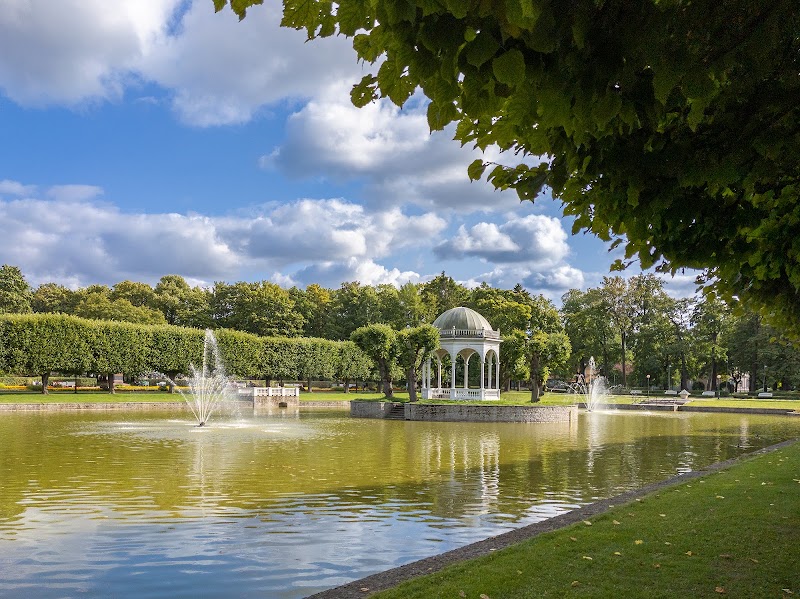
Kadriorg Park: Tallinn’s Calm, Spacious Green Escape
Kadriorg Park combines formal gardens, museums, fountains and long walking routes in one of Tallinn’s most highly rated outdoor attractions.
Estonia · Tallinn
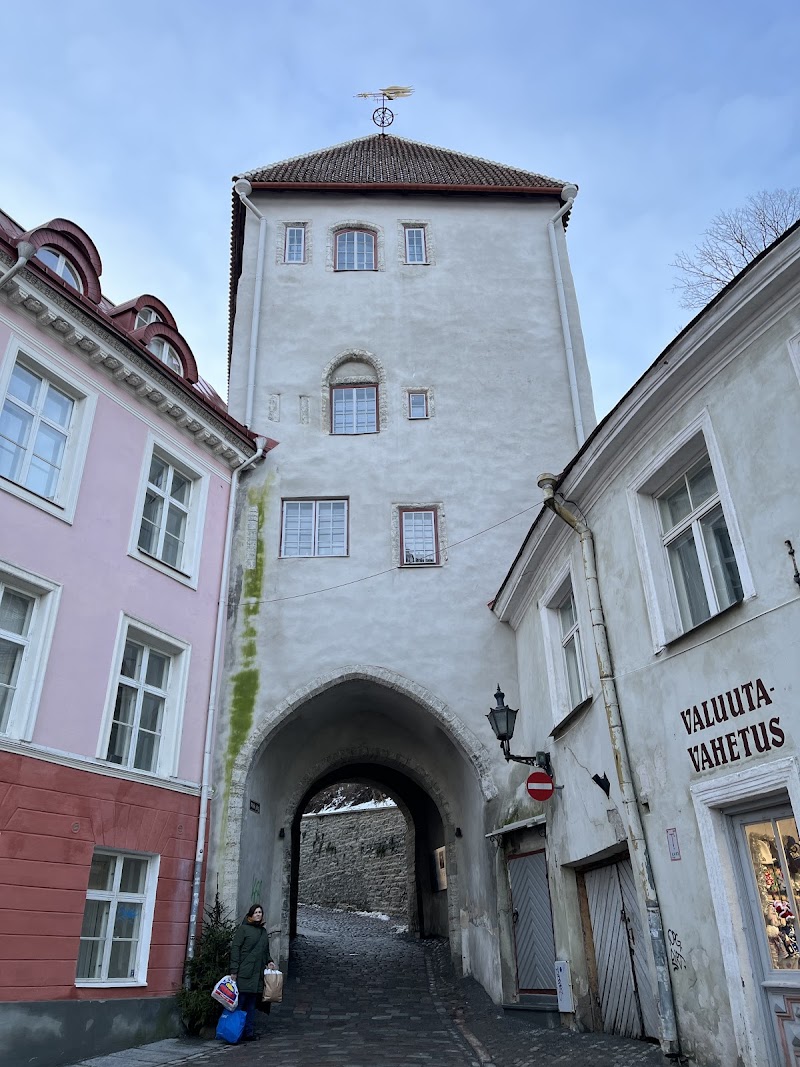
Pika Jala Väravatorn: Tallinn’s Medieval Gateway
This preserved gate tower links Tallinn’s Lower Town with Toompea Hill, offering a compact glimpse of the city’s medieval past.
Estonia · Tallinn
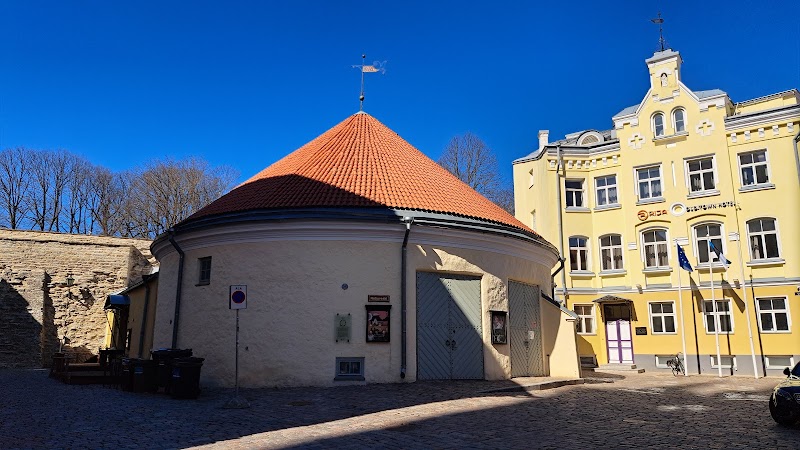
Tallinn Horse Mill: A Small Historic Stage in the Old Town
Tallinn Horse Mill combines an old mill setting with intimate theatre performances, making it a worthwhile stop for culture-focused visitors.
Estonia · Põlli
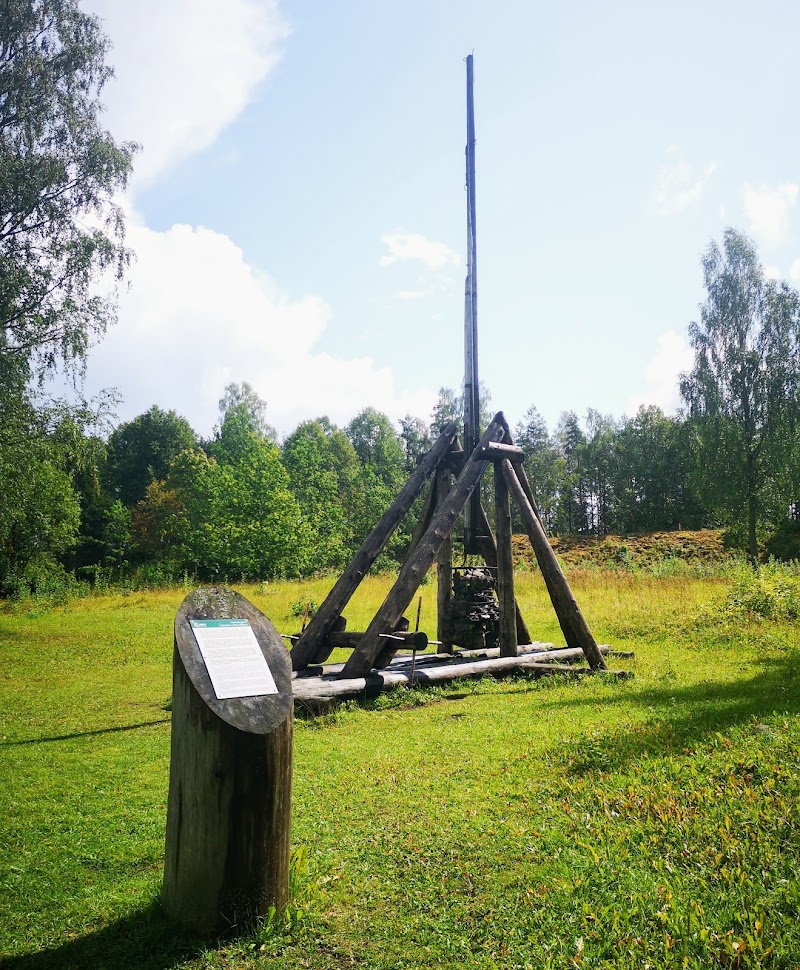
Varbola linnus: Estonia’s Ancient Fortress Site
Public reviews describe a tidy, well-organised fortress site where visitors can explore ancient walls, gates and reconstructions at their own pace.