Varbola linnus: Estonia’s Ancient Fortress Site
Public reviews describe a tidy, well-organised fortress site where visitors can explore ancient walls, gates and reconstructions at their own pace.
More photos
Photos published by travelers on Google, not AI generated.
What stands out
- 576-metre circular fortress wall
- Excavated and reconstructed west gate
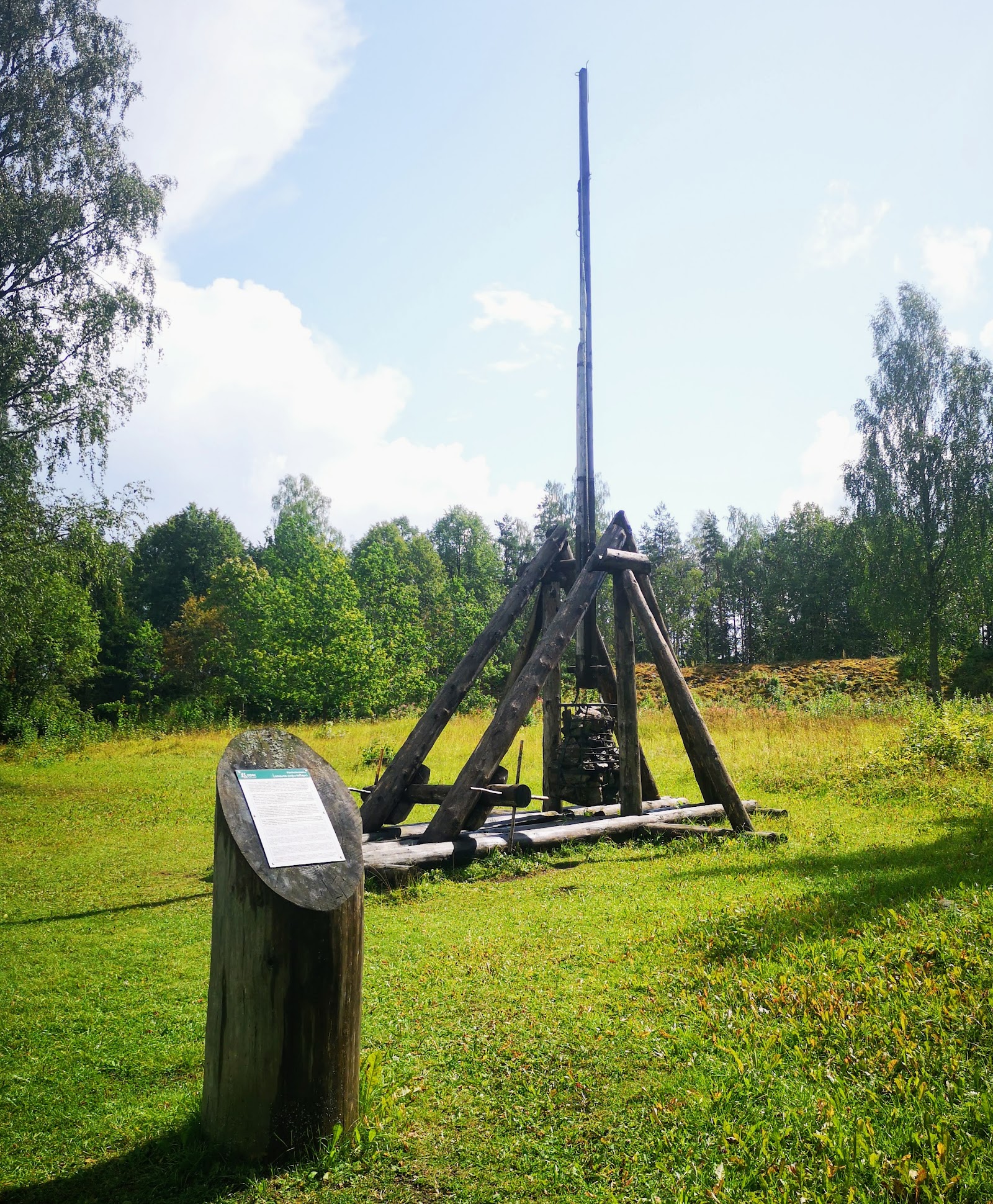
- Fortress well and reconstructed catapult
- Information boards, plaques and history comics
- Convenient parking, benches and tables
Don't miss
What comes up most in public reviews
- Walk along the fortress wall
- See the reconstructed west gate
- Look for the fortress well
- View the reconstructed catapult
- Read the information boards and comics
Worth the trip?
Why visit Varbola linnus
Varbola linnus is one of Estonia’s most significant ancient fortress sites, according to the public reviews and listing information examined for this guide. The stronghold was first mentioned in 1212 and is described in visitor accounts as one of the largest ancient cities in Estonia and Northern Europe.
The site stands on a natural limestone outcrop. Its circular defensive wall stretches for 576 metres and remains between two and five metres high, giving the visit a clear sense of scale. Visitors can walk along sections of the wall and look across the area that once formed the fortress.
Google reviewers give Varbola linnus a 4.7 rating from 422 reviews. Their comments repeatedly focus on the site’s historical importance, good upkeep and helpful interpretation.
What visitors can see
The west gate has been excavated and reconstructed, making it one of the clearest points for understanding how the fortress was organised. Reviews also mention two larger gates, a fortress well and a reconstructed catapult.
Information boards explain the site and its connection with ancient Estonia. Some visitors specifically mention plaques and comics that make the history easier to follow, including explanations of why parts of the fort were designed as they were. Small wooden sculptures represent people and stories from the period.
The result is a site that works through physical remains rather than a large collection of indoor displays. The wall, gates and open layout do most of the explaining. That makes the visit especially useful for travellers interested in Estonia’s 13th-century history and earlier fortified settlements.
The visitor experience
The reviews consistently describe Varbola linnus as tidy, well kept and well organised. Several comments say the site is maintained to a high standard, with information available throughout the area. That matters here because the fortress is explored outdoors and visitors need context as they move between the remains.
Parking is described as convenient, with many spaces near the site. Benches and tables provide places to pause or have a small snack. The open setting also allows visitors to set their own pace, spending time on the wall, reading the boards or examining the reconstructions.
The attraction appears best suited to an unhurried visit rather than a quick roadside photograph. It offers enough visible detail to hold the attention of history-minded travellers, while the simple layout remains accessible for people who prefer independent sightseeing.
Who should go
Varbola linnus suits travellers seeking a direct encounter with Estonia’s ancient history. Families and curious first-time visitors may find the comics, wooden figures and reconstructed features easier to engage with than bare earthworks alone. History enthusiasts will have more reason to linger around the walls, gates and well.
Public reviews do not establish a ticket price, seasonal programme or guided-tour offering, so those details should be checked before arrival. Based on the available visitor evidence, the strongest reason to come is the combination of substantial surviving earthworks, clear interpretation and careful maintenance. It is a focused historical stop, with plenty of room to walk and think.
Plan the rest of the trip
Ask anything
Looking for somewhere else?
Keep exploring around Põlli
More from Estonia

Estonia · Rummu
Rummu’s Quarry Landscape Rewards a Climb
Public reviews highlight turquoise water, limestone cliffs and prison ruins, with mixed views on admission costs and the on-site museum.
Estonia · Tallinn
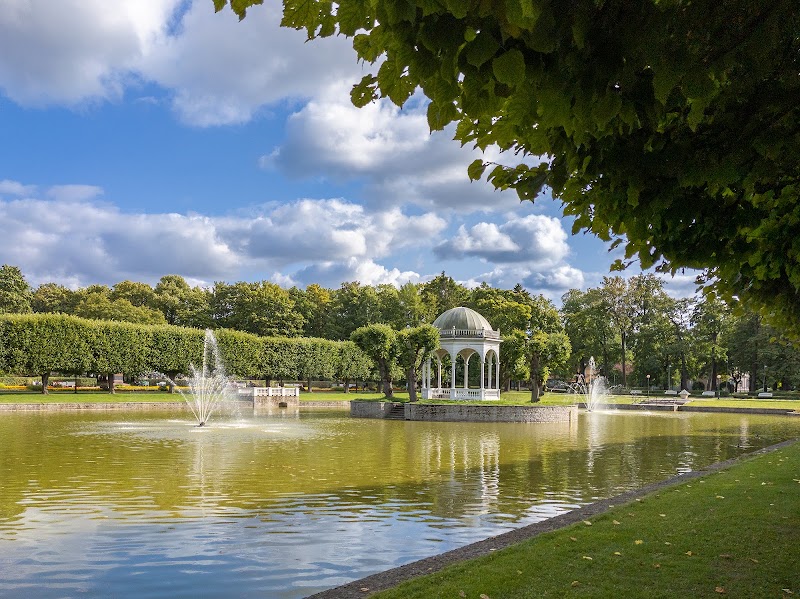
Kadriorg Park: Tallinn’s Calm, Spacious Green Escape
Kadriorg Park combines formal gardens, museums, fountains and long walking routes in one of Tallinn’s most highly rated outdoor attractions.
Estonia · Tallinn
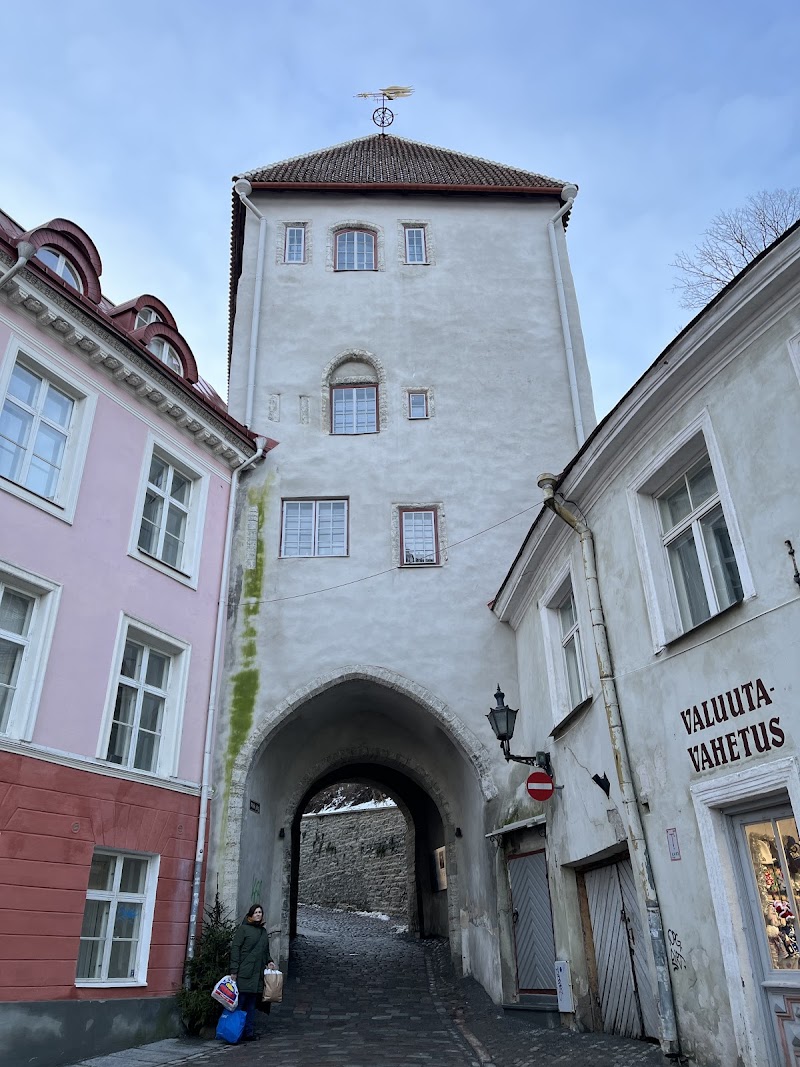
Pika Jala Väravatorn: Tallinn’s Medieval Gateway
This preserved gate tower links Tallinn’s Lower Town with Toompea Hill, offering a compact glimpse of the city’s medieval past.
Estonia · Tallinn
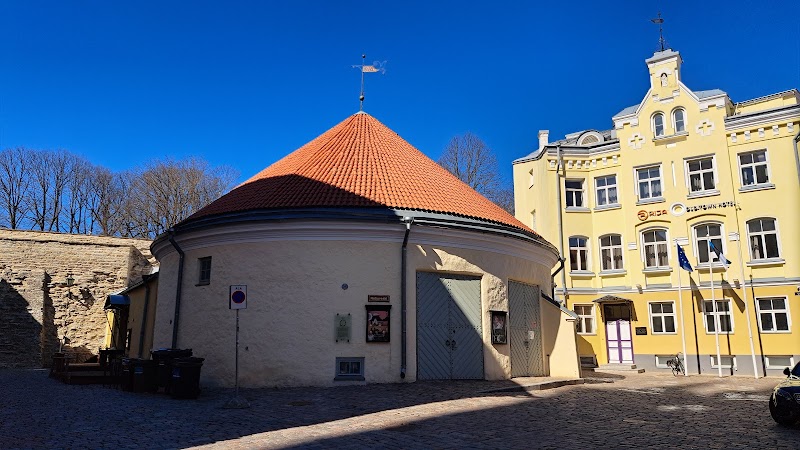
Tallinn Horse Mill: A Small Historic Stage in the Old Town
Tallinn Horse Mill combines an old mill setting with intimate theatre performances, making it a worthwhile stop for culture-focused visitors.