Pachacamac: Lima’s Expansive Archaeological Sanctuary
A well-presented museum and sprawling adobe complex give visitors a clear introduction to Peru’s pre-Spanish cultures near Lima.
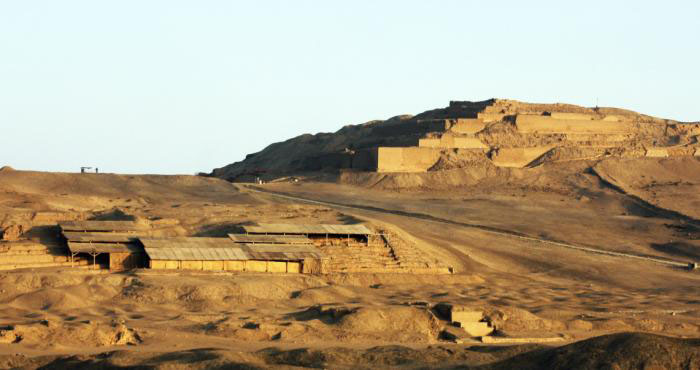
More photos
Photos published by travelers on Google, not AI generated.
What stands out
- Modern, well-curated site museum
- Temples and plazas across a large sanctuary
- Adobe construction linked to the Inca period
- Views of the valley and Pacific Ocean
- Clear introduction to Lima, Wari and Inca cultures
Worth knowing
- Fine sand can enter shoes and socks
- The archaeological area is expansive
Don't miss
What comes up most in public reviews
- Take the guided tour
- Explore the Site Museum
- Compare construction styles across cultures
- See the temples and plazas
- Look for views of the valley and Pacific Ocean
Worth the trip?
The Site Museum and Archaeological Sanctuary of Pachacamac sits in Lurín, just outside Lima, with temples, plazas and broad views across the surrounding landscape. Public ratings place it at 4.6 from 4050 reviews, and the recurring message is clear: this is a substantial site that rewards time and attention.
What the reviews show
Visitors value Pachacamac as both an archaeological site and a museum. The displays explain the history of the area across several periods, with reviews mentioning the Lima, Wari and Inca cultures. One recurring point of interest is the contrast between construction styles. The Inca used adobe brick here, reflecting the materials available in the region, rather than the stone associated with many better-known Andean sites.
The museum is frequently described as modern, clean and well curated. That makes it useful for visitors who want context before exploring the ruins. It also works as preparation for a later visit to Machu Picchu, particularly for travellers trying to understand Peru’s long pre-Spanish history beyond a single famous destination.
Allow time for the scale
Pachacamac is not a compact ruin that can be covered in a quick walk around one central structure. Reviews describe a large archaeological area with temples and plazas, and several visitors emphasise its impressive scale. Only part of the site has been excavated, which helps explain the sense of distance and unfinished discovery across the sanctuary.
The setting adds to the experience. Public reviews mention striking views of the valley and Pacific Ocean, while another visitor describes the landscape as sandy and visually impressive. The open terrain gives the site a spacious character. It also means visitors should expect exposure and loose sand underfoot.
Guided visits are worth considering
The site offers guided and unguided visit options, according to public reviews. Visitors repeatedly recommend choosing a guide. The reason is practical: guided access may include more of the archaeological area, while explanations help distinguish the different cultural periods and construction methods.
A guide can also bring structure to a place where the ruins are spread across a wide area. Without that context, the museum may carry much of the historical explanation. With it, the temples, plazas and adobe remains become easier to read.
Practical verdict
Pachacamac suits travellers staying in Lima who want a serious historical outing without committing to a multi-day journey into the Andes. It is also a strong stop before Machu Picchu, especially for visitors interested in how different cultures shaped Peru over time.
The main drawback is the terrain. Fine sand can work through running shoes and socks, according to one review, so practical footwear matters. The site is best approached as a half-day visit, with enough time for the museum, a guided tour and views across the sanctuary. Its 4.6 rating from 4050 Google reviews reflects broad visitor approval, particularly for the museum’s clarity, the site’s scale and the quality of the archaeological setting.
Plan the rest of the trip
Ask anything
Looking for somewhere else?
Keep exploring around Lurín
More from Peru
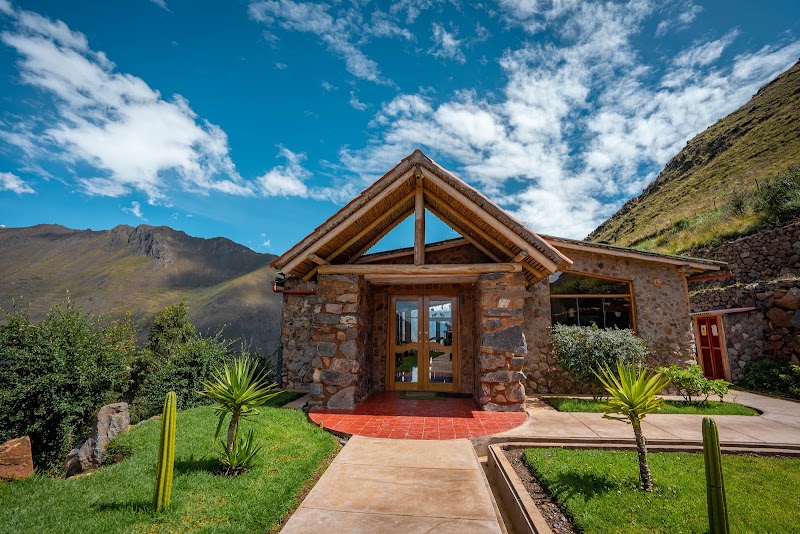
Peru · Ollantaytambo
StarDome Peru: Mountain Views and Quiet Nights in Ollantaytambo
Public reviews describe a distinctive mountain stay with dome rooms, attentive service, cultural activities, farm animals and wide valley views.
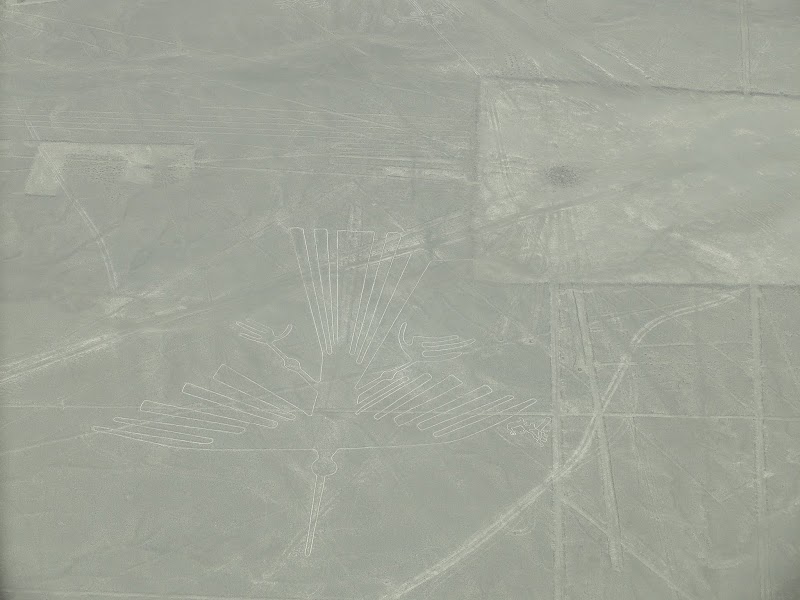
Peru · Estudiantes
Nazca Condor: A Striking Geoglyph in the Nazca Desert
Public reviews describe a powerful, large-scale geoglyph whose surrounding lines add to the mystery and make it worth seeking out.
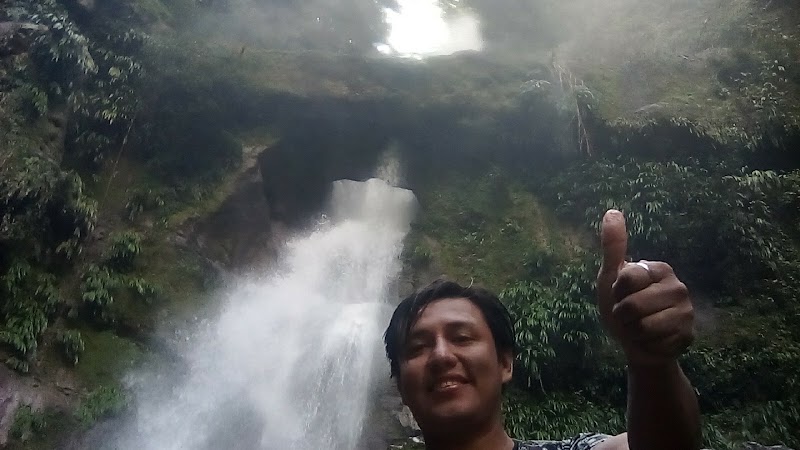
Peru · 67448P97+CC
Abiseo River National Park: A Remote Natural Escape
Public reviews praise the park’s untouched scenery and wildlife, but provide little practical guidance for planning a visit.
Peru · Cusco
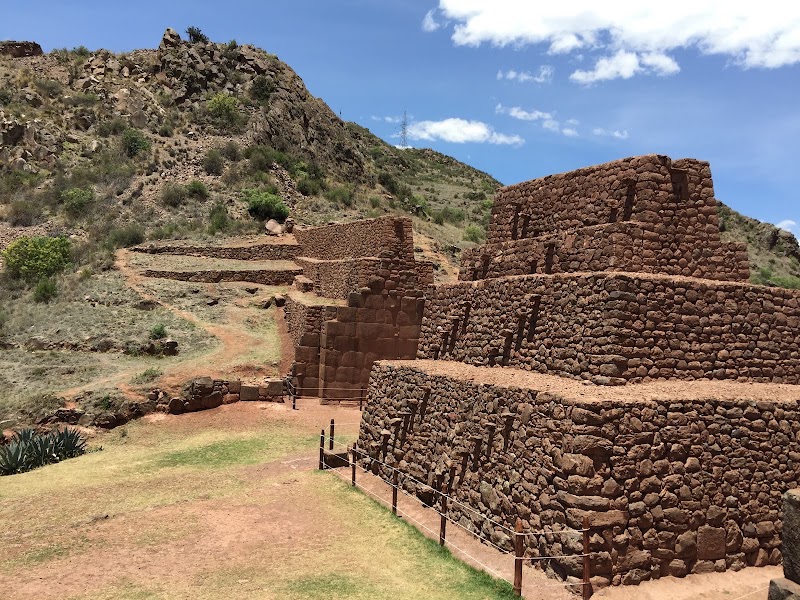
Rumicolca: Wari Stonework Along the Inca Road
This quiet archaeological site near Cusco reveals Wari engineering, Inca alterations and a surviving section of the Qhapaq Ñan.