Rumicolca: Wari Stonework Along the Inca Road
This quiet archaeological site near Cusco reveals Wari engineering, Inca alterations and a surviving section of the Qhapaq Ñan.
More photos
Photos published by travelers on Google, not AI generated.
What stands out
- Wari aqueduct construction
- Inca modifications to earlier stonework
- Section of the Qhapaq Ñan
- Quiet, uncrowded atmosphere
- Short walk from nearby parking
Worth knowing
- No public transport mentioned
- Small site with limited facilities
Don't miss
What comes up most in public reviews
- Look closely at the Wari and Inca stonework
- Walk along the Inca road section
- Take the short climb for a wider view
- Ask about the aqueduct’s link with Pikillaqta
Worth the trip?
Why visit Rumicolca
Rumicolca suits travellers who want a brief archaeological stop away from Cusco’s busiest attractions. Public reviews give the site a 4.6 rating from 398 reviews, with repeated praise for its quiet setting, free entry and straightforward walk from nearby parking. It is a small place, not a full-day attraction, but the remains reward a closer look.
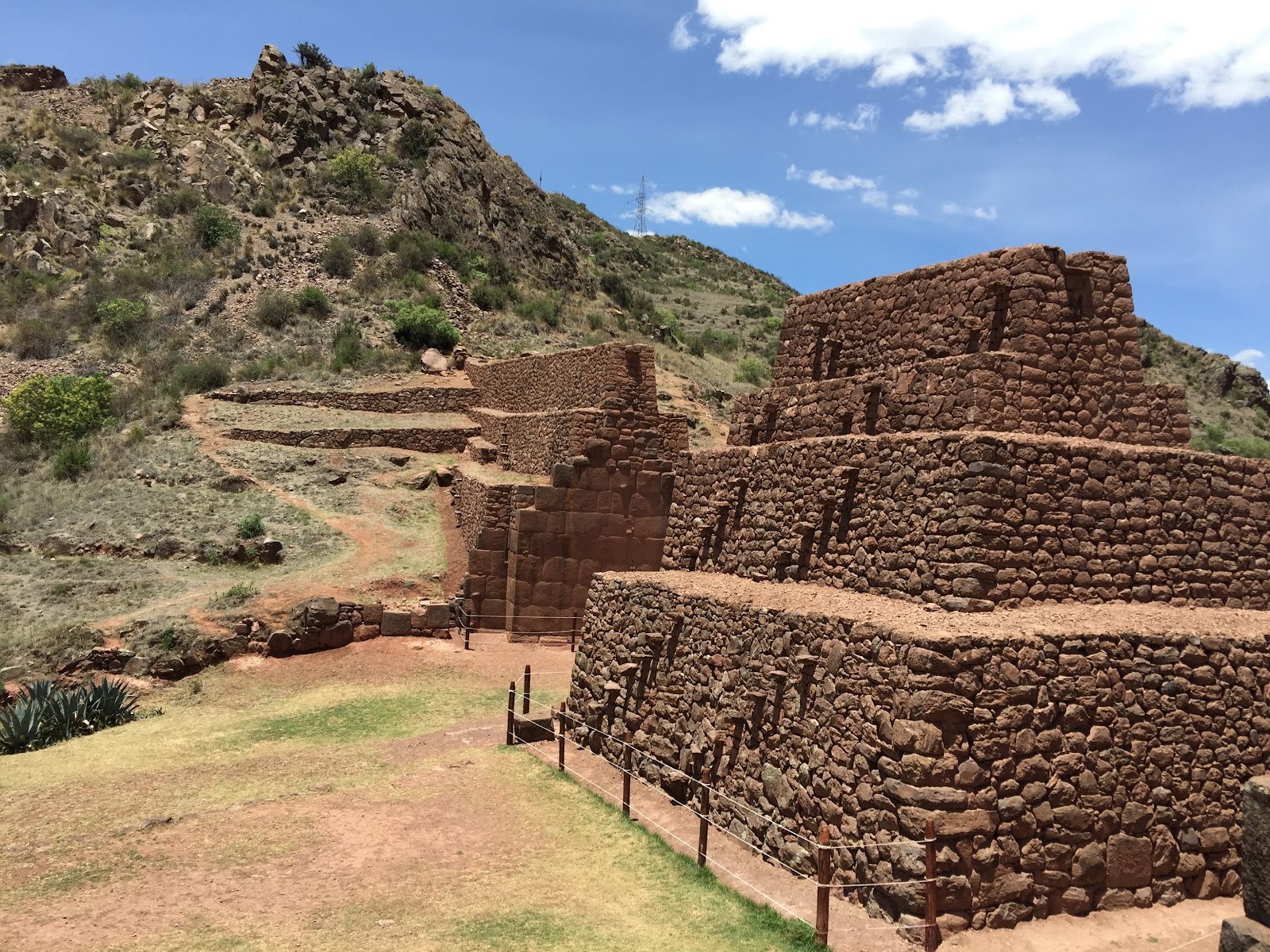
The structure is widely described in reviews as a Wari aqueduct, later modified by the Incas. Reviewers connect it with the nearby archaeological complex of Pikillaqta, suggesting that its original purpose was to carry water towards that settlement. Inca additions are also visible in the stonework. The site’s interest comes from reading those layers together rather than viewing a single, untouched monument.
What the reviews highlight
Visitors repeatedly mention the contrast between Wari and Inca construction. Some describe three pyramid-like structures that formed part of the aqueduct system. Others focus on the masonry and the way later builders adapted earlier work. The exact interpretation is best left to an on-site guide or local archaeological information, but the recurring point is clear: Rumicolca shows more than one period of Andean construction in one compact location.
A section of the Qhapaq Ñan, the Inca imperial road, is another draw. Reviewers identify it as part of the route connecting Cusco with the Collasuyu quarter of the Inca Empire. The road helps place Rumicolca within a wider network of water management, settlement and movement. It also gives the visit more context than the aqueduct alone.
There is a short climb for a broader view, and reviewers describe the walk to the structure as easy. The site can be seen without a long hike. That makes it practical as a stop near Pikillaqta or on a wider excursion in the Cusco area.
Getting there and planning the stop
Public transport is not identified in the supplied reviews. Several visitors recommend arranging a private ride from Cusco, with one specifically suggesting that the driver wait during the visit. Parking is described as close to the monument. Travellers should confirm current road conditions and access arrangements before setting out, since listing information can change.
The visit is best approached as a focused archaeological stop. It is free according to multiple public reviews, though the available listing does not provide a formal price level. There are no repeated reports of extensive visitor facilities, so travellers should plan around the short visit rather than expect a staffed museum or a large site complex.
Verdict
Rumicolca is a strong choice for independent travellers, archaeology enthusiasts and anyone who prefers quieter places. Its appeal lies in the combination of Wari engineering, Inca modifications and the nearby Inca road. The site is modest in scale, but the historical layers are substantial. Pairing it with Pikillaqta makes the outing more worthwhile.
The main limitation is access. Without public transport mentioned in the reviews, a private vehicle or arranged ride is the sensible plan. For travellers already exploring the Cusco countryside, Rumicolca earns the stop. For visitors seeking a large ceremonial complex with many restored structures, it may feel too brief.
Plan the rest of the trip
Ask anything
Looking for somewhere else?
Keep exploring around Cusco
More from Peru
Peru · Ollantaytambo
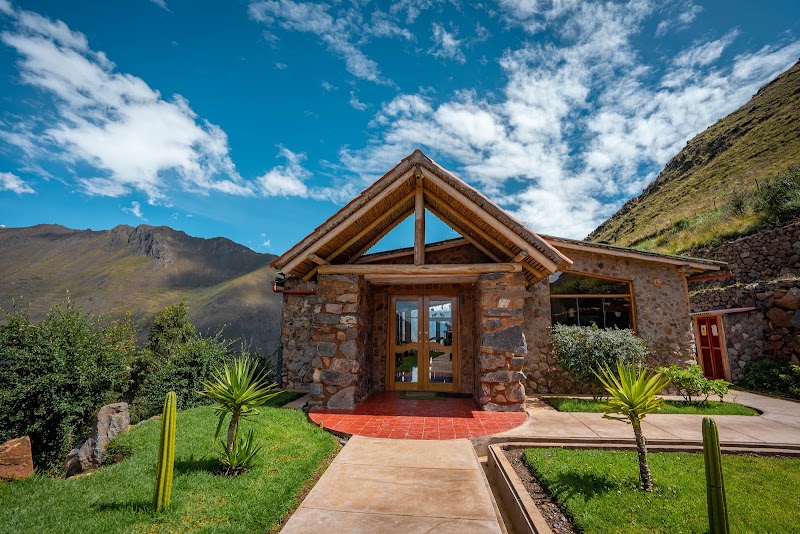
StarDome Peru: Mountain Views and Quiet Nights in Ollantaytambo
Public reviews describe a distinctive mountain stay with dome rooms, attentive service, cultural activities, farm animals and wide valley views.
Peru · Estudiantes
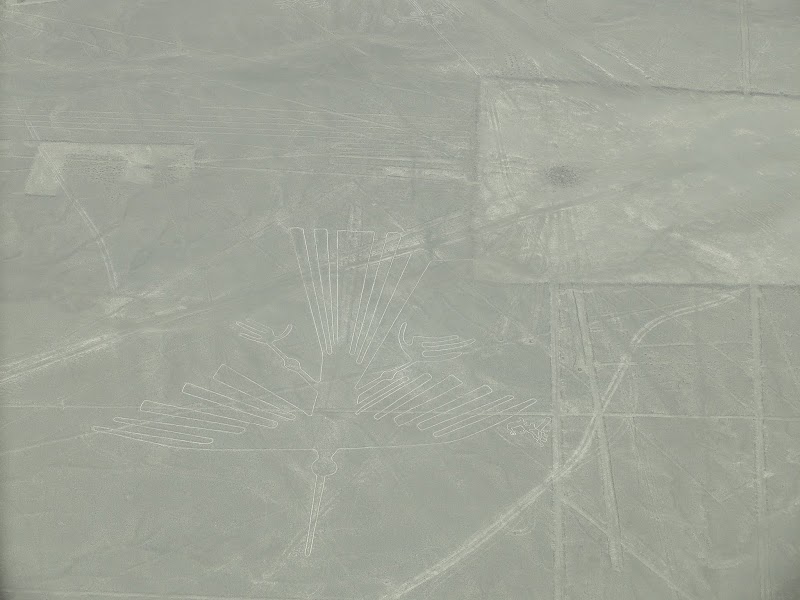
Nazca Condor: A Striking Geoglyph in the Nazca Desert
Public reviews describe a powerful, large-scale geoglyph whose surrounding lines add to the mystery and make it worth seeking out.
Peru · 67448P97+CC
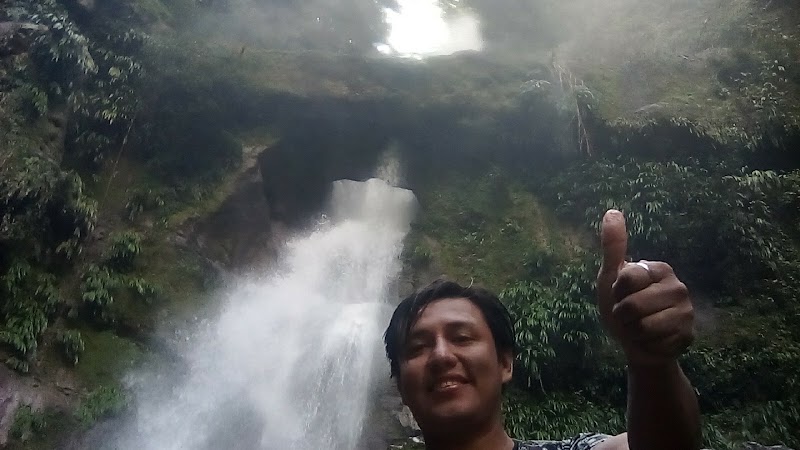
Abiseo River National Park: A Remote Natural Escape
Public reviews praise the park’s untouched scenery and wildlife, but provide little practical guidance for planning a visit.
Peru
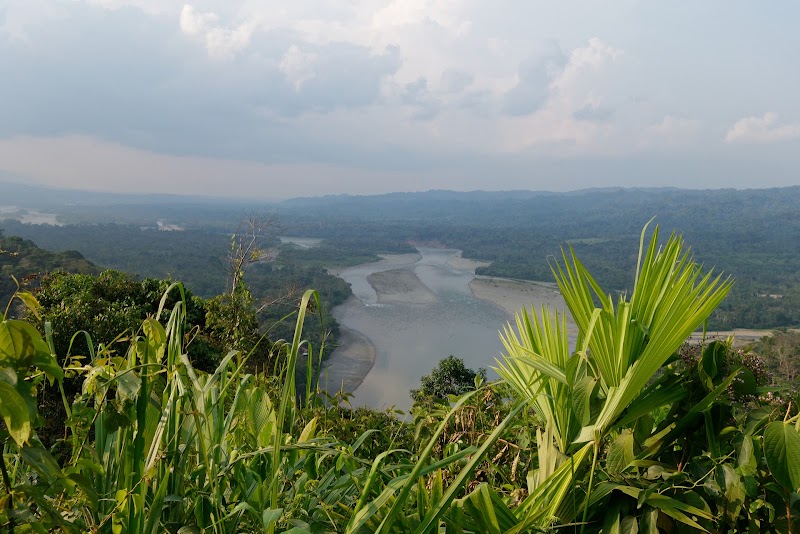
Parque Nacional del Manu: Deep Rainforest, Big Wildlife
Public reviews describe Parque Nacional del Manu as a demanding, rewarding rainforest trip with diverse habitats, knowledgeable guides and strong wildlife potential.