Seville Museum of Fine Arts: Murillo and Sevillian Masters
A former convent with a strong collection of Spanish religious art, celebrated in public reviews for its Murillo paintings and calm courtyards.
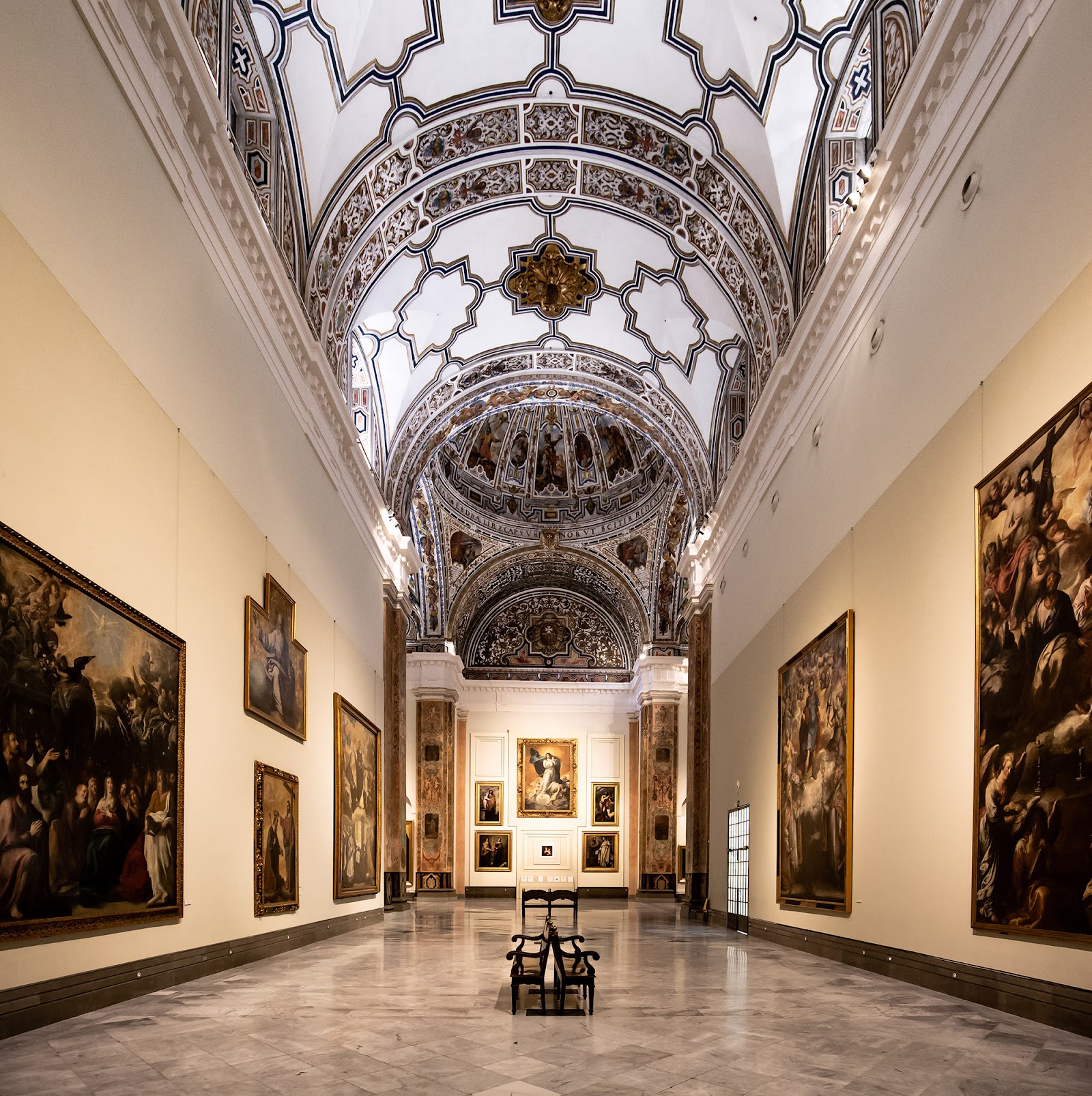
More photos
Photos published by travelers on Google, not AI generated.
What stands out
- Murillo salon and major canvases
- Spanish Golden Age painting
- Former convent architecture
- Peaceful courtyards and small park
- Clearly signed gallery route
Worth knowing
- Religious art dominates the collection
- Some interpretation is only in Spanish
- Check current payment arrangements
Don't miss
What comes up most in public reviews
- Murillo’s dedicated salon
- Works by Zurbarán and Velázquez
- The former convent courtyards
- The route through the historic galleries
Worth the trip?
What the reviews show
The Seville Museum of Fine Arts is one of Seville’s most consistently praised art attractions, with a Google rating of 4.7 from 16,993 reviews. Public feedback focuses on two things: the quality of the Spanish paintings and the character of the building that houses them.
The collection is mainly devoted to Spanish visual art, covering the medieval period through the early twentieth century. The strongest emphasis falls on the Spanish Golden Age and the seventeenth-century Sevillian school. Reviews repeatedly name Bartolomé Murillo, Francisco de Zurbarán, Diego Velázquez, Francisco de Herrera the Younger and Valdés Leal. Murillo receives particular attention. The museum has a dedicated salon for his work, and visitors describe his canvases as a high point of the collection.
The building matters
The museum occupies a former convent, and its architecture is part of the appeal. Visitors mention elegant courtyards, a small park and a substantial historic interior. One review refers to the building as a palace, while another highlights the peaceful courtyard areas. The galleries are described as well laid out, with a clearly marked route through the rooms.
That setting gives the visit a different pace from a large, purpose-built gallery. The collection is arranged within an older architectural framework, so the rooms and courtyards remain part of the experience. Some reviewers find the building impressive even where the exhibits partially obscure its details.
What to expect inside
Religious painting dominates the displays. That focus suits visitors interested in Spanish art, church history and the relationship between faith, politics and patronage. It may be less appealing to travellers looking for modern art or a broad international collection.
Interpretive material appears throughout the museum. Reviews mention information in English and Spanish, along with sections presented only in Spanish. A clearly signed route helps visitors move through the galleries without a guide, and one traveller reported visiting without booking. The public feedback also mentions lockers, though visitors should confirm current arrangements before relying on them.
Planning the visit
The museum works well as a half-day stop, particularly for travellers building an itinerary around Seville’s historic centre and its major cultural institutions. The collection is substantial enough to reward a focused visit, but its emphasis makes advance expectations useful. Those who already know Murillo or want to explore Andalusian painting will find the visit especially worthwhile.
Public reviews mention later opening hours as useful during Seville’s summer heat. They also report different admission arrangements for European Union citizens and other visitors, with one review noting that the museum accepted cash only. Current opening hours, entry rules and payment methods should be checked before going. The overall review pattern is clear: this is a strong choice for Spanish art, Murillo and historic interiors, with excellent value frequently noted by visitors.
Plan the rest of the trip
Ask anything
Looking for somewhere else?
Keep exploring around Sevilla
More from Spain
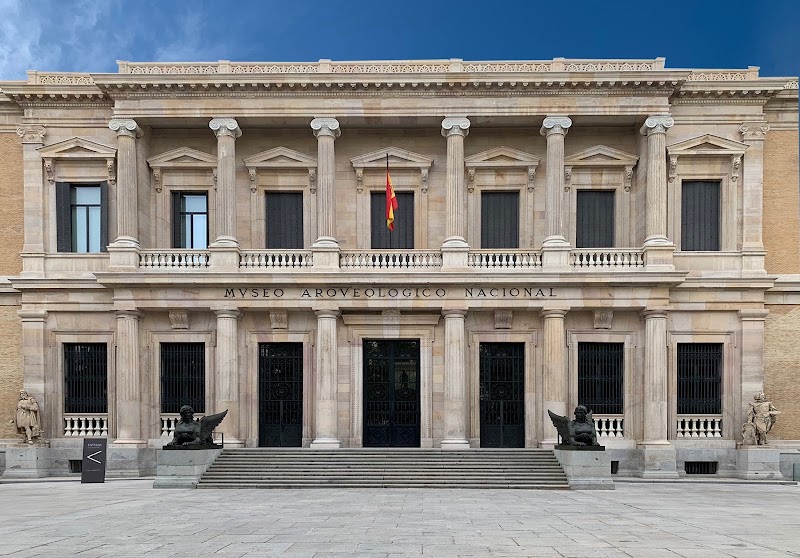
Spain · Madrid
National Museum of Archaeology: Madrid’s Deep History in Focus
A well-organized Madrid museum tracing Spain’s past, with strong prehistoric, Roman and Egyptian collections and useful hands-on features for children.
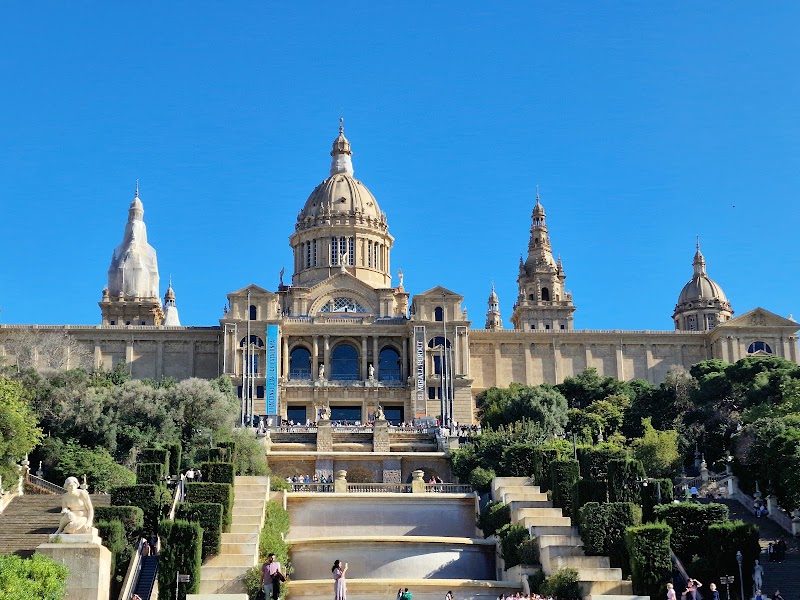
Spain · Barcelona
Museu Nacional d'Art de Catalunya: Art on Montjuïc
A grand Barcelona museum known for Romanesque frescoes, Catalan art, varied collections and broad city views.
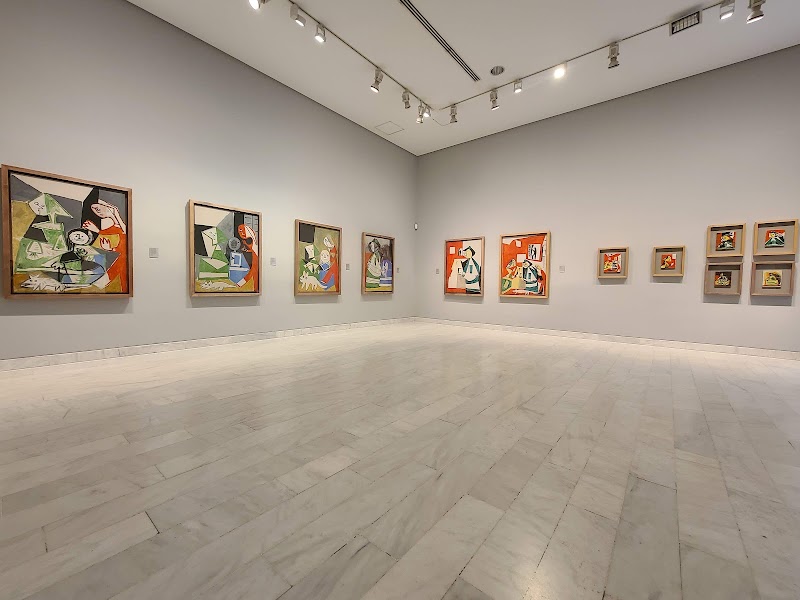
Spain · Barcelona
Picasso Museum Barcelona: A Clear Route Through His Evolution
Public reviews praise the museum’s logical layout, contextual notes and close look at Picasso’s artistic development.
Spain · Madrid
Thyssen-Bornemisza National Museum: Madrid’s Broad Art Collection
Public reviews praise this well-organised Madrid museum for its range, strong collection and manageable visit length.