National Museum of Archaeology: Madrid’s Deep History in Focus
A well-organized Madrid museum tracing Spain’s past, with strong prehistoric, Roman and Egyptian collections and useful hands-on features for children.
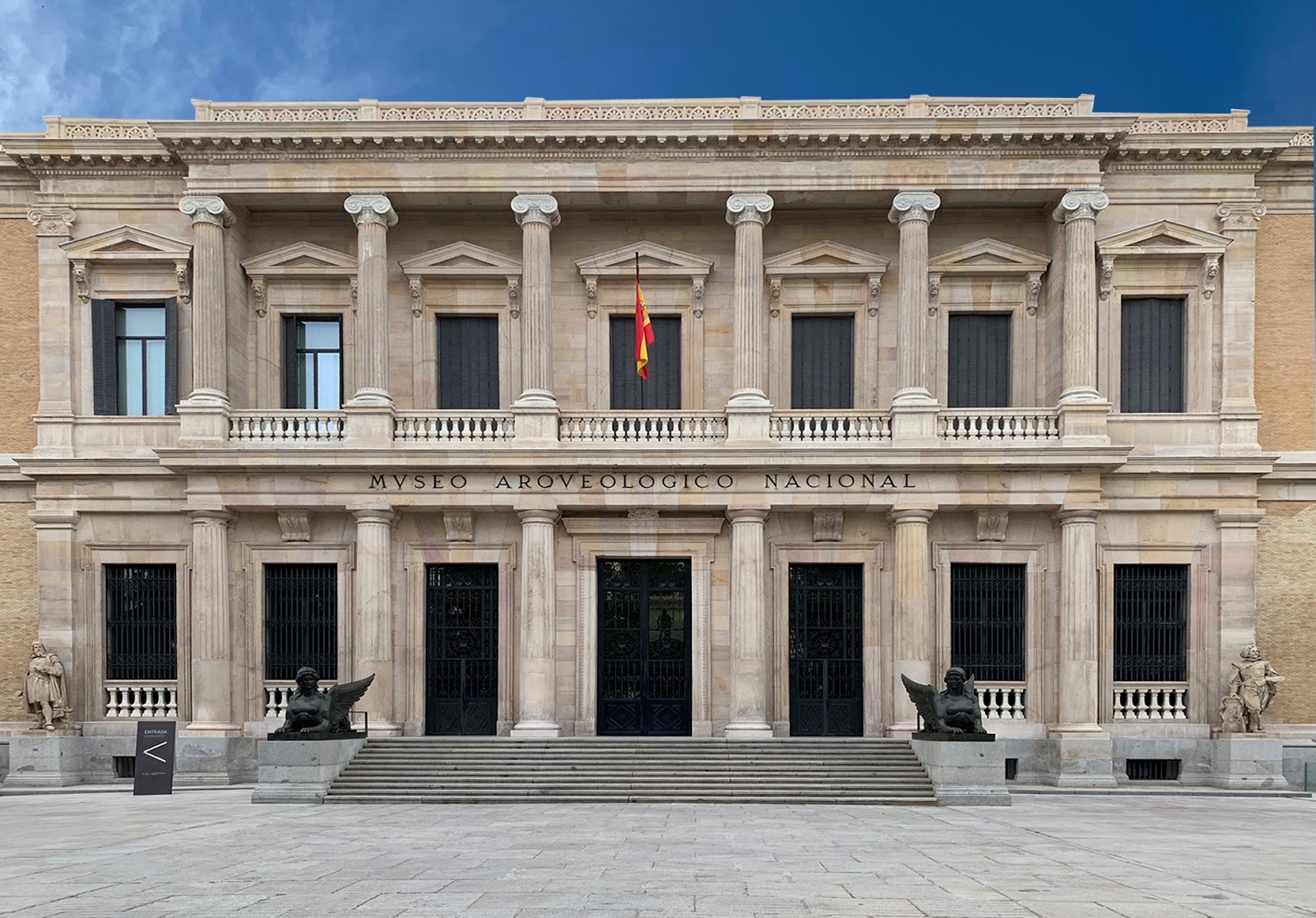
More photos
Photos published by travelers on Google, not AI generated.
What stands out
- Prehistoric human remains
- Iberian and Roman collections
- Permanent Egyptian exhibition
- Touch-friendly replica stations
- Numbered self-guided museum route
Worth knowing
- Some galleries may feel monotonous
- Layout can be less creative than larger museums
- Some visitors found gallery supervision intrusive
Don't miss
What comes up most in public reviews
- Roman emperor busts
- The permanent Egyptian exhibition
- The prehistoric remains
- Touch the replica displays
- Follow the numbered self-tour
Worth the trip?
The National Museum of Archaeology is one of Madrid’s strongest choices for visitors who want context before exploring Spain’s monuments and historic cities. Public ratings are unusually strong, with a 4.7 rating from 28,987 Google reviews. The reviews repeatedly describe a substantial, approachable museum in central Madrid, housed in a building that makes an immediate impression.
What the reviews show
The collection follows a broad historical line, beginning with prehistory and continuing through the Roman period and later eras. Reviewers particularly value the chance to see early human remains, Iberian material and Roman objects in one place. An Egyptian permanent exhibition also receives praise. Roman emperor busts and high-quality carvings are among the more frequently noted displays.
Several reviewers call the museum well organized. Numbered self-guided routes and map-based orientation help visitors make sense of the galleries, while media resources available on personal phones add useful background. One review recommends allowing at least two hours. Another suggests a morning or longer for visitors who want to read labels and explore at a slower pace.
A good fit for families
The museum is not presented as a children’s attraction first, but public feedback points to features that make it accessible for younger visitors. Around ten stations reportedly include replicas that can be touched, giving children a more physical connection with the material. That matters in a museum built around objects that are often viewed behind glass.
The layout also makes it possible to shorten the visit without missing the main themes. Families can follow the numbered route, choose a period, or focus on the interactive stations. Adults with a strong interest in archaeology may want much longer. The collection rewards patience.
What may frustrate visitors
The experience is not universally praised. One reviewer found the galleries monotonous and felt the exhibition layout lacked creativity, especially when compared with larger institutions such as the British Museum or the Louvre. That comparison sets an ambitious standard, and the National Museum of Archaeology is more contained in scale.
Another review mentions that some gallery staff felt overly watchful, although the entrance staff were described as helpful. This is a minority concern within the sample, yet it is worth knowing for visitors who prefer a relaxed, less supervised museum atmosphere.
Planning the visit
The reviews support setting aside at least half a day, with two hours as a practical minimum. Saturday afternoon visits may be especially appealing because one reviewer notes free admission after 2 PM. Visitors should confirm current access arrangements before relying on that detail.
A map is worth taking, particularly for a first visit. The numbered self-tour appears to be the clearest way to navigate the collection. The museum suits travellers interested in early Spanish history, families looking for tactile learning opportunities and anyone wanting a quieter alternative to Madrid’s largest art museums. It is not a quick stop. Give it room.
Plan the rest of the trip
Ask anything
Looking for somewhere else?
Keep exploring around Madrid
More from Spain
Spain · Barcelona
Museu Nacional d'Art de Catalunya: Art on Montjuïc
A grand Barcelona museum known for Romanesque frescoes, Catalan art, varied collections and broad city views.
Spain · Barcelona
Picasso Museum Barcelona: A Clear Route Through His Evolution
Public reviews praise the museum’s logical layout, contextual notes and close look at Picasso’s artistic development.
Spain · Madrid
Thyssen-Bornemisza National Museum: Madrid’s Broad Art Collection
Public reviews praise this well-organised Madrid museum for its range, strong collection and manageable visit length.
Spain · Barcelona
CosmoCaixa Barcelona: Hands-On Science for Curious Families
CosmoCaixa is a large, highly interactive science museum where children and adults can spend much of a day experimenting, exploring and learning.