Seokguram Grotto: A Serene Buddha Above Gyeongju
Seokguram rewards careful transport planning with a monumental stone Buddha, mountain scenery and a notably peaceful atmosphere.

More photos

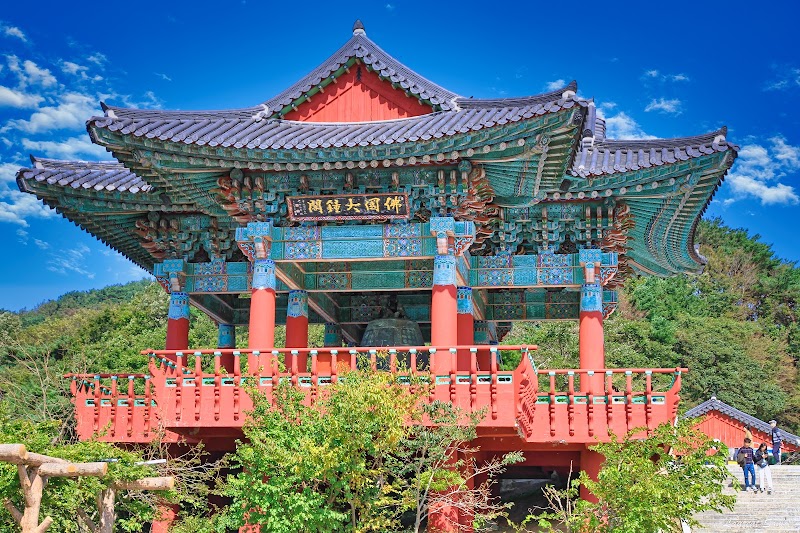
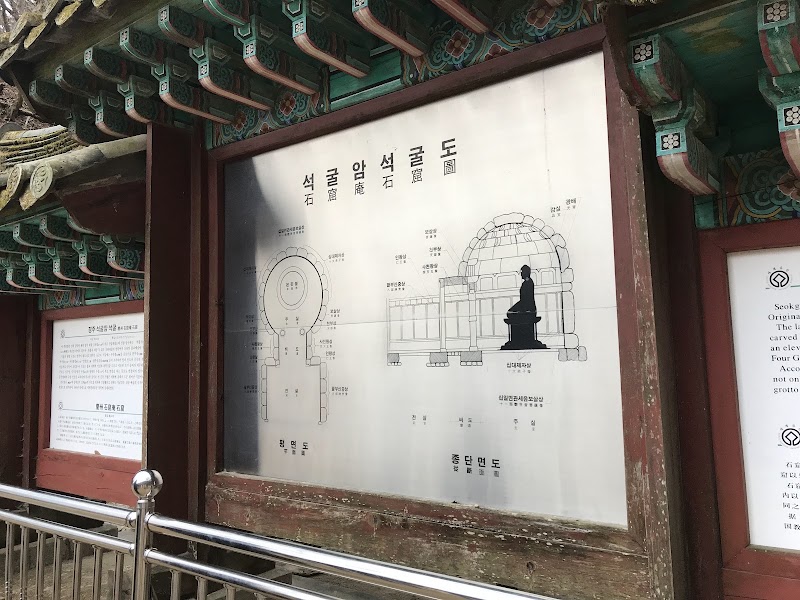
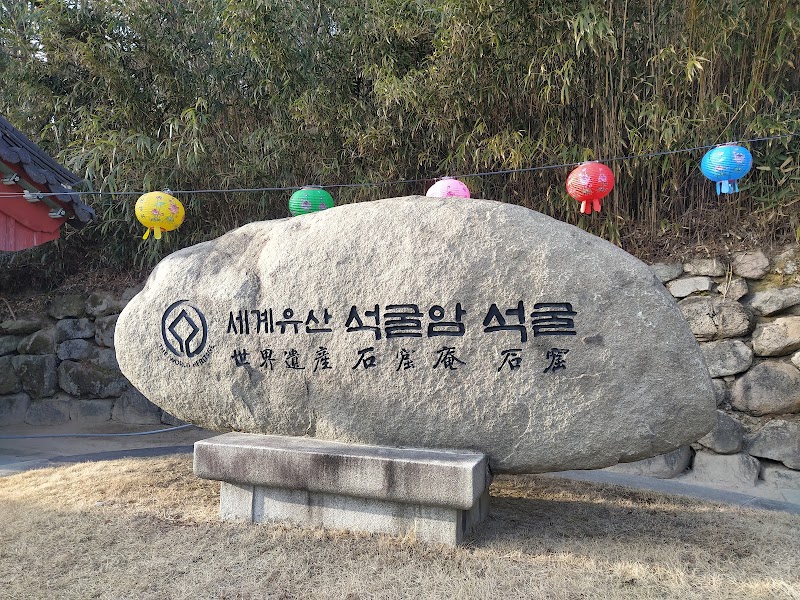
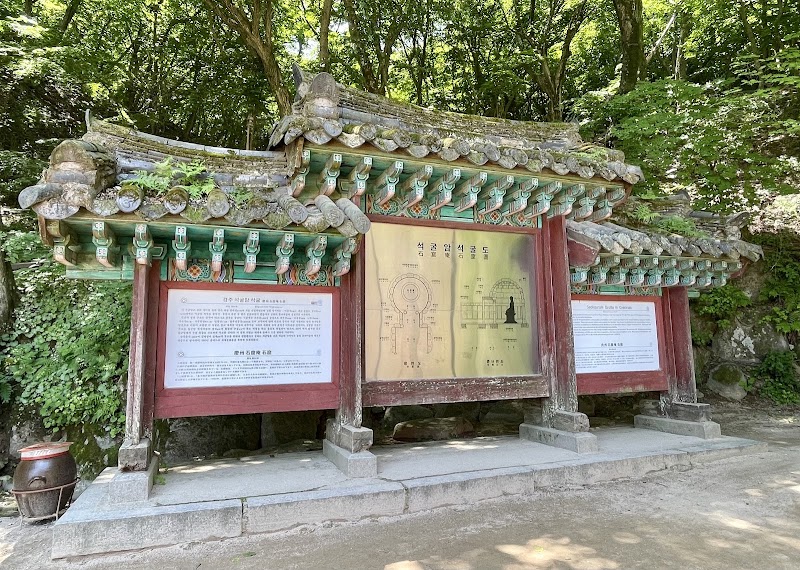
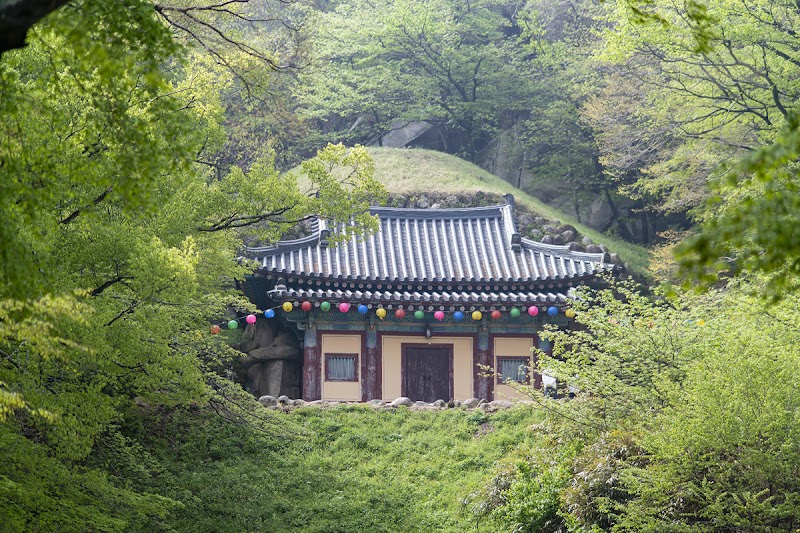
Photos published by travelers on Google, not AI generated.
What stands out
- Granite Buddha statue
- Peaceful mountain atmosphere
- Short forested approach
- Sacred architecture
Worth knowing
- Confusing or infrequent bus connections
- Steep one-hour hiking route
- Winding road and possible motion sickness
Don't miss
What comes up most in public reviews
- The granite Buddha statue
- The calm grotto setting
- The mountain approach from Bulguksa
Worth the trip?
The experience
Seokguram Grotto earns a Google rating of 4.4 from 7921 reviews, with public feedback repeatedly centring on its granite Buddha and calm mountain setting. Travellers interested in Buddhism, sacred architecture and Korean historical landmarks tend to find the visit especially meaningful. Several describe the Buddha as impressive or stunning, while others value the quiet atmosphere as much as the monument itself.
The experience is focused rather than expansive. One less enthusiastic reviewer considered the site fairly limited, particularly for visitors without a strong interest in Buddhism. That distinction matters: Seokguram is better approached as a contemplative cultural visit than as an attraction packed with numerous exhibits or activities.
Reaching the grotto
Transport planning is the most consistent practical theme in the reviews. Visitors can travel up by bus, car or taxi, or hike from the Bulguksa area. The hike is described as taking about an hour, with a steep incline, so it is better suited to travellers comfortable with a sustained uphill walk.
The easier alternative is to reach the grotto parking area and continue on foot. Reviewers estimate this final walk at roughly 10 minutes and note that it includes additional steps. Bus 12 from Bulguksa is specifically mentioned, but comments also suggest that services are not especially frequent and that online maps can make the connection seem confusing. Checking the current route and timetable before leaving would reduce the chance of a long wait.
Taxi and car passengers should expect a winding mountain road. One reviewer warns that the curves may be uncomfortable for anyone prone to motion sickness.
What stands out
The seated stone Buddha is the clear centrepiece. Public reviews describe the figure as the main reason to make the journey, supported by the subdued atmosphere of the grotto and its forested approach. The setting appears to contribute strongly to the visit, creating a sense of separation from busier sightseeing areas around Gyeongju.
Photography inside is reported to be prohibited. That may disappoint visitors hoping for detailed interior images, but it also helps preserve the restrained, place-of-worship character noted in positive reviews. The short viewing experience encourages attention to the sculpture itself rather than a rapid circuit of multiple displays.
Editorial verdict
Seokguram is most compelling for travellers already visiting Bulguksa, those interested in Buddhist heritage, and anyone who appreciates a quiet mountain destination. Its 4.4 rating reflects broad admiration, though the reviews also show that expectations should be calibrated: the principal reward is a single, significant sacred space rather than a large complex.
The most satisfying visit is likely to come from treating the journey as part of the experience. A planned bus connection or the steeper walking route adds context to the secluded setting. Visitors short on time should use road transport, allow for the walk and steps from the parking area, and confirm the return connection in advance.
Ask anything
Looking for somewhere else?
Keep exploring around Gyeongju
More from South Korea
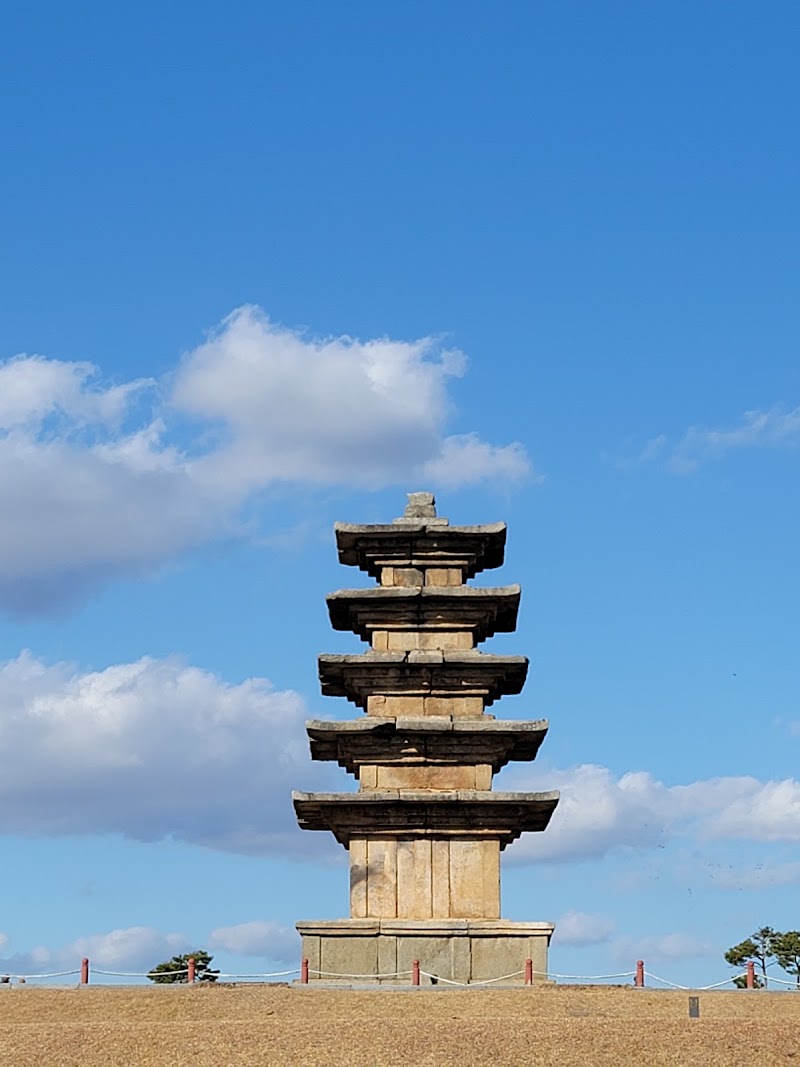
South Korea · Iksan
Wanggung-ri’s Pagoda and Spacious Historic Grounds
A well-rated Iksan landmark where an old stone pagoda, open grounds and relaxed walks shape the visitor experience.
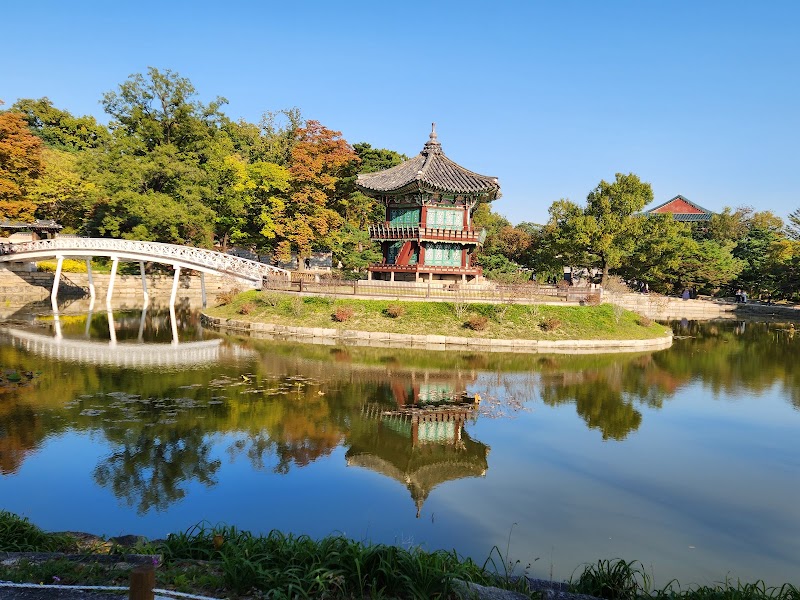
South Korea · 율곡로
Changdeokgung Secret Garden: serene palace landscapes
Timed access and guided interpretation reward advance planning at this tranquil historic garden within Changdeokgung Palace.
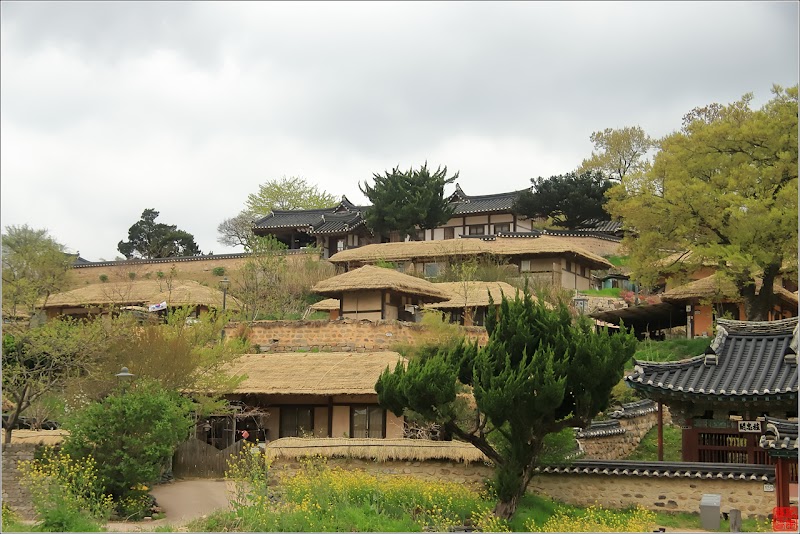
South Korea · Gyeongju
Yangdong Folk Village: A Living Slice of Historic Gyeongju
Traditional houses, mountain scenery and a lived-in atmosphere reward travellers prepared for uphill walking and a journey beyond central Gyeongju.
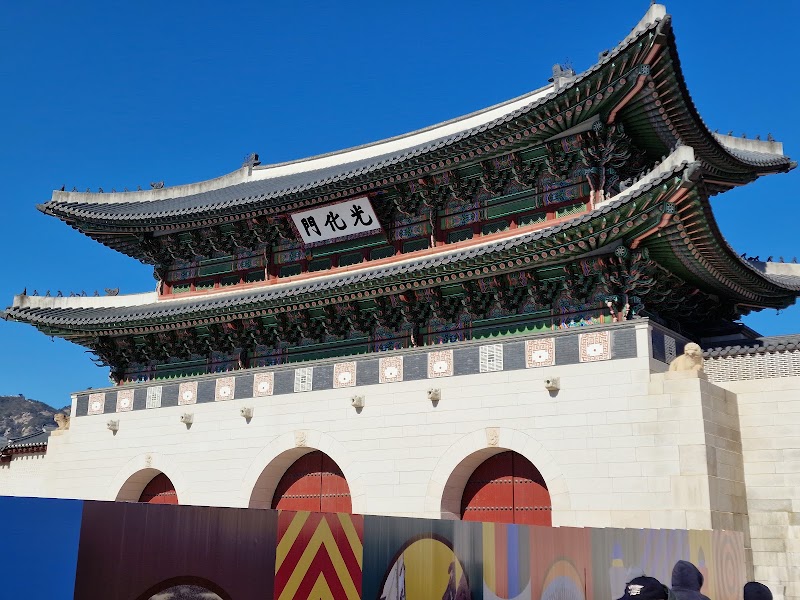
South Korea · Sajik-ro
Gwanghwamun Gate: Seoul’s Grand Historic Threshold
Monumental architecture, a mountain backdrop and the Royal Guard ceremony make this an impressive introduction to historic Seoul.