Sarmizegetusa Regia: Dacian ruins deep in the forest
Romania’s ancient Dacian capital rewards the mountain drive with atmospheric ruins, forest scenery and a strong sense of history.
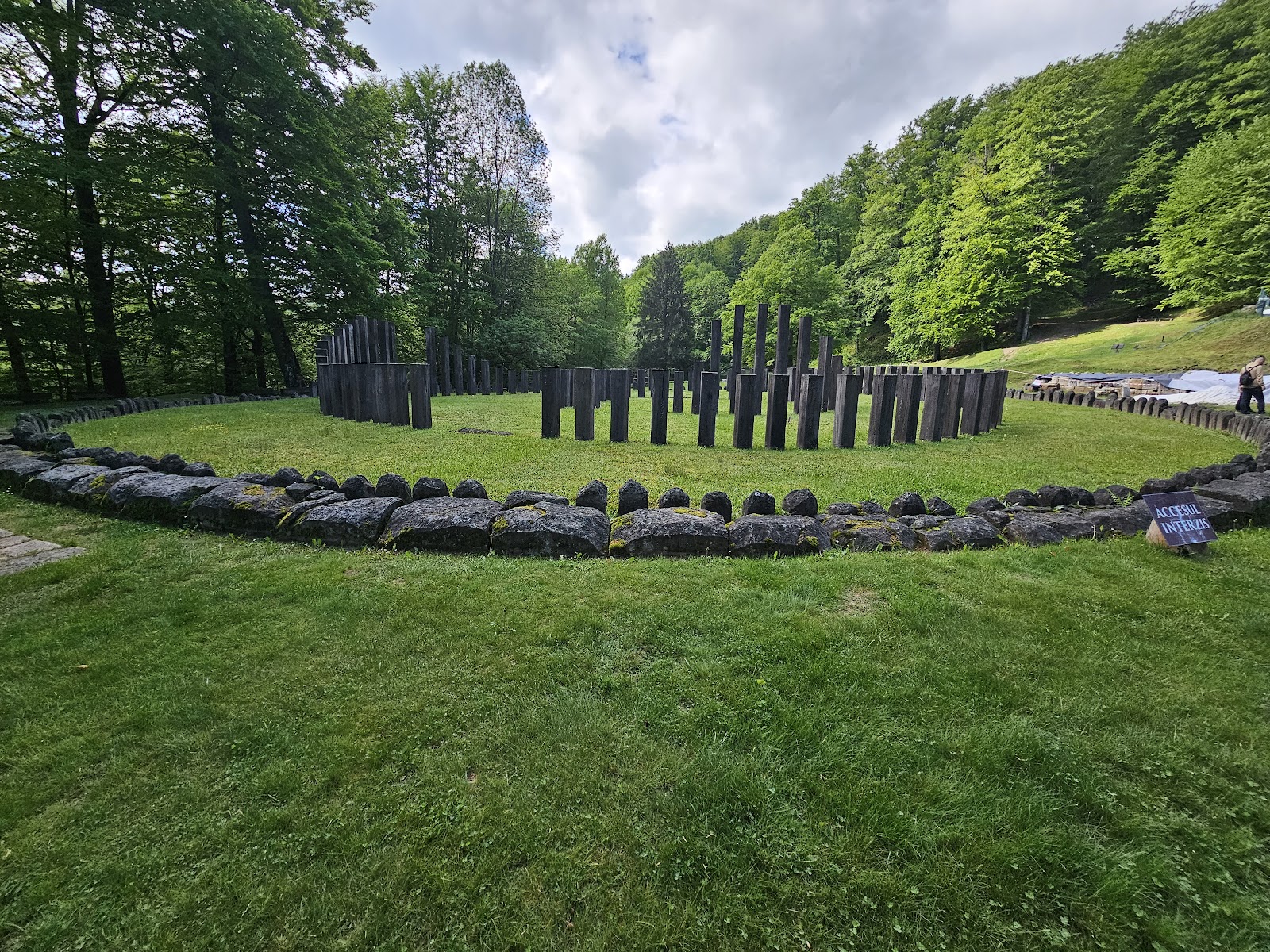
More photos

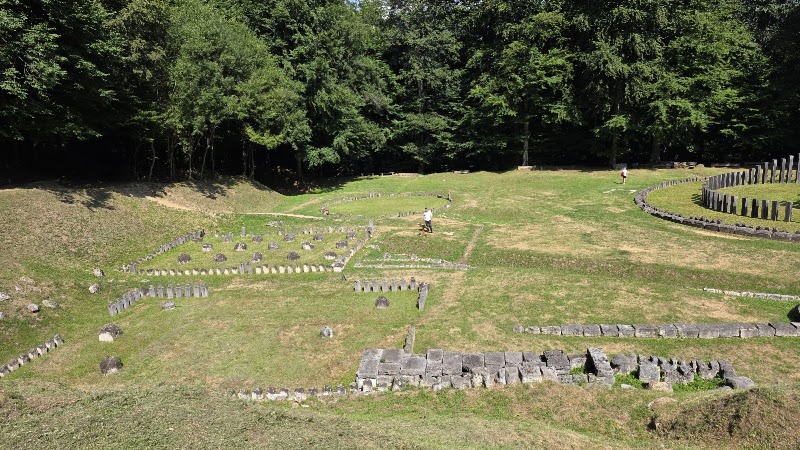
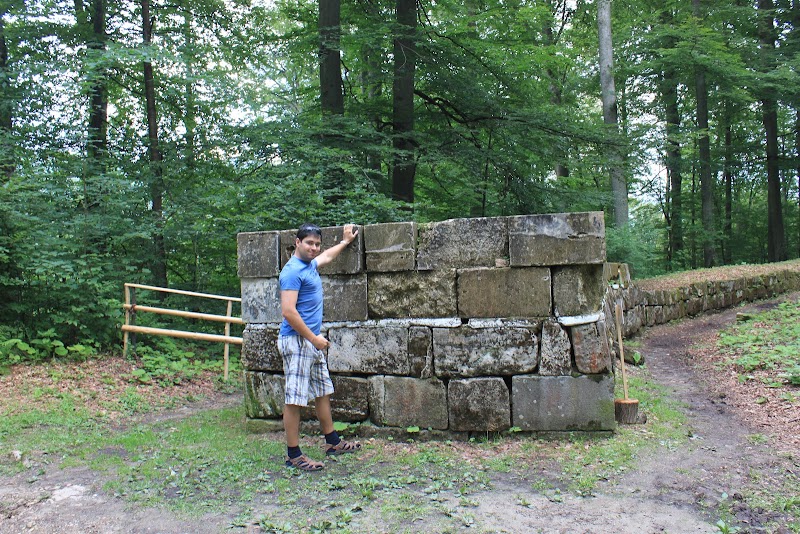
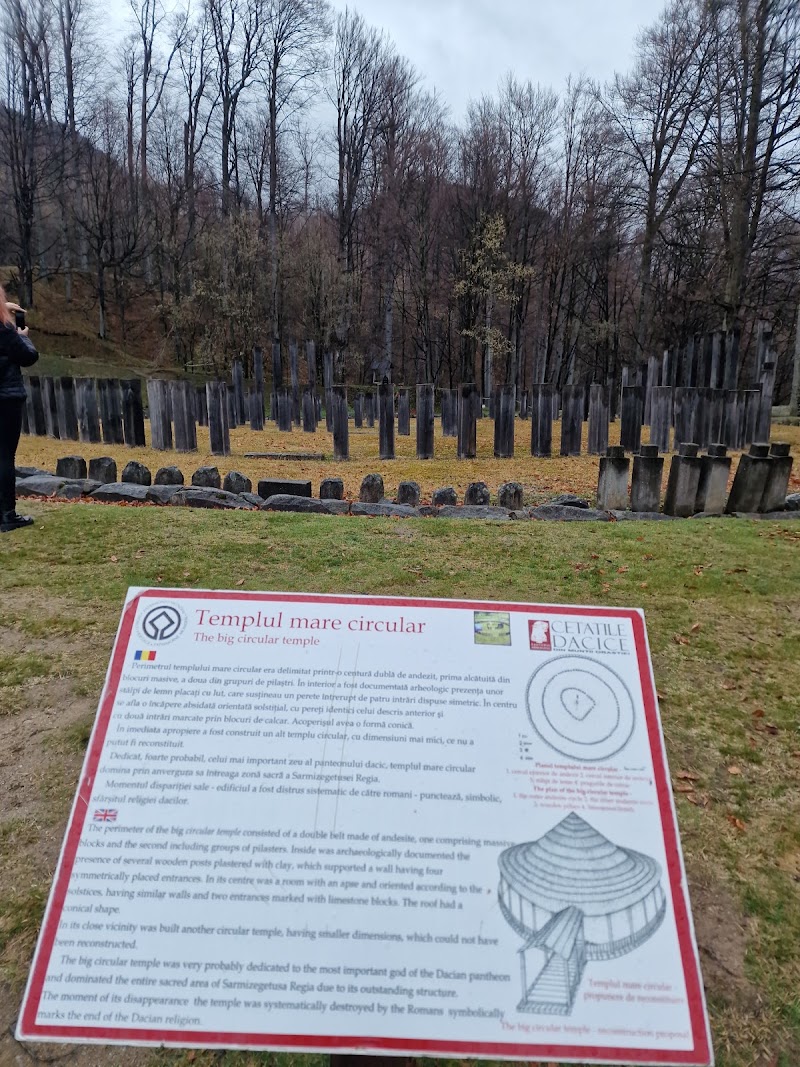
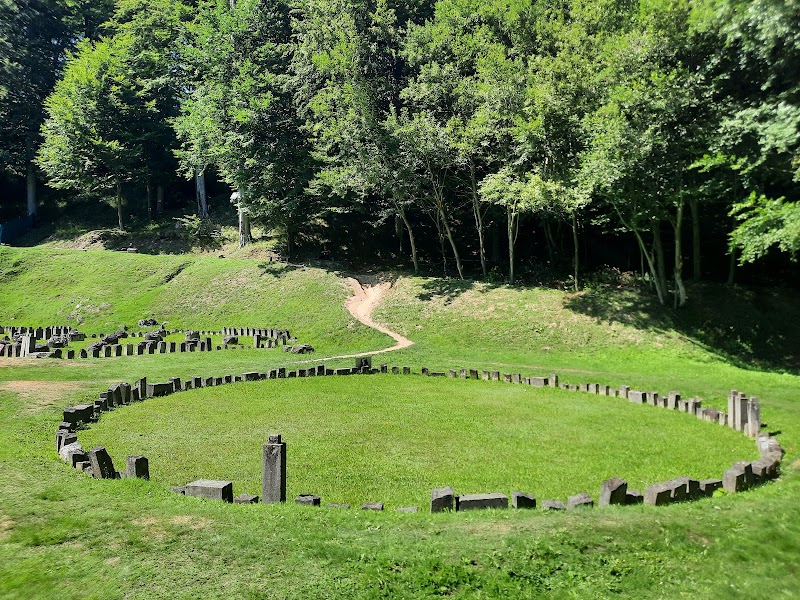

Photos published by travelers on Google, not AI generated.
What stands out
- Ancient Dacian citadel ruins
- Peaceful Orăștie Mountains setting
- Forest-lined mountain approach
- Marked route through the site
Worth knowing
- Confirm opening days before travelling
- Parking is limited
- Expect a narrow road and unreliable connectivity
Don't miss
What comes up most in public reviews
- Walk among the ancient Dacian ruins
- Follow the marked archaeological route
- Take in the surrounding mountain forests
Worth the trip?
Why travellers rate it highly
With a 4.7 Google rating from 648 reviews, Sarmizegetusa Regia is repeatedly described in public feedback as one of Romania’s most compelling historical attractions. Visitors come to walk through what remains of the ancient Dacian capital, a roughly 2,000-year-old citadel surrounded by the forests of the Orăștie Mountains.
The reviews rarely dwell on grand or intact structures. Instead, travellers write about the mood: archaeological remains in mountain woodland, comparative quiet and a feeling of being cut off from modern life. Several say that photographs do not capture the impact of the site. History enthusiasts, meanwhile, stress the importance of seeing Dacian ruins in their original landscape.
It is not a roadside monument. Getting there takes effort, and public reviews suggest the journey is part of the experience. The mountain approach runs through extensive forest before reaching the parking area below the entrance.
Arrival and access
Reviewers generally describe the access road as relatively good, though narrow. It is a mountain route, not a quick urban detour, so drivers should allow extra time and take care where there is little room to pass.
Parking sits below the archaeological site and may be limited. Reports differ slightly on the exact distance, but they agree that visitors must walk from the parking area to the entrance. One review puts the walk at around 15 minutes. Another estimates approximately one kilometre. Typical visitors should find the approach manageable, although footwear, timing and mobility needs are worth considering beforehand.
At the entrance, travellers buy a ticket and continue along a marked route through the site. Nothing in the reviews suggests that specialist hiking equipment is necessary. Practical shoes are still a sensible choice for an archaeological site in woodland.
Planning the visit
One piece of advice comes up repeatedly: check the opening schedule before leaving. A visitor reported that access was limited to weekends at the time of their trip and warned others not to make the long drive without confirming first. Schedules can change, so current official information should be followed rather than older reviews.
Phone and internet connectivity can also be unreliable in the mountains. Carrying cash is sensible, as one reviewer specifically warned that it might be required for admission. Parking is limited too, another reason not to arrive without a plan, especially when the site is open only on restricted days.
Overall verdict
Sarmizegetusa Regia will suit travellers drawn to archaeology, ancient history and evocative landscapes. These ruins need context and close attention. They do not offer instant spectacle, but for many reviewers that is precisely the appeal. Public feedback consistently portrays the site as peaceful, memorable and historically important.
The narrow approach road, the walk up from the parking area and uncertain connectivity make this less convenient than a conventional visitor attraction. Still, the high public rating and repeated recommendations indicate that the visit is worth the extra preparation. For travellers passing through the area, it is a rewarding half-day excursion, provided they check the opening arrangements in advance.
Ask anything
Looking for somewhere else?
Keep exploring around Grădiștea de Munte
More from Romania
Romania · Romanii de Jos
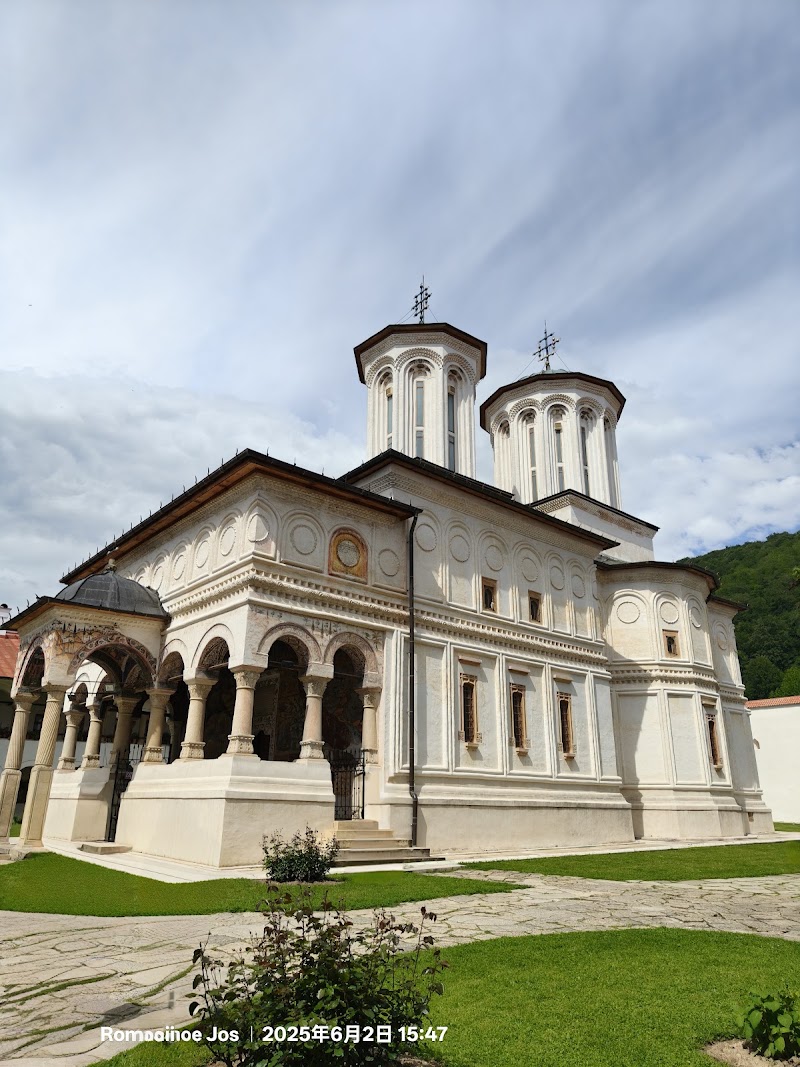
Hurezi Monastery: Brâncovenesc art in a peaceful setting
Historic architecture, richly painted surfaces and tranquil grounds make Hurezi Monastery one of the area’s most rewarding cultural landmarks.
Romania · București
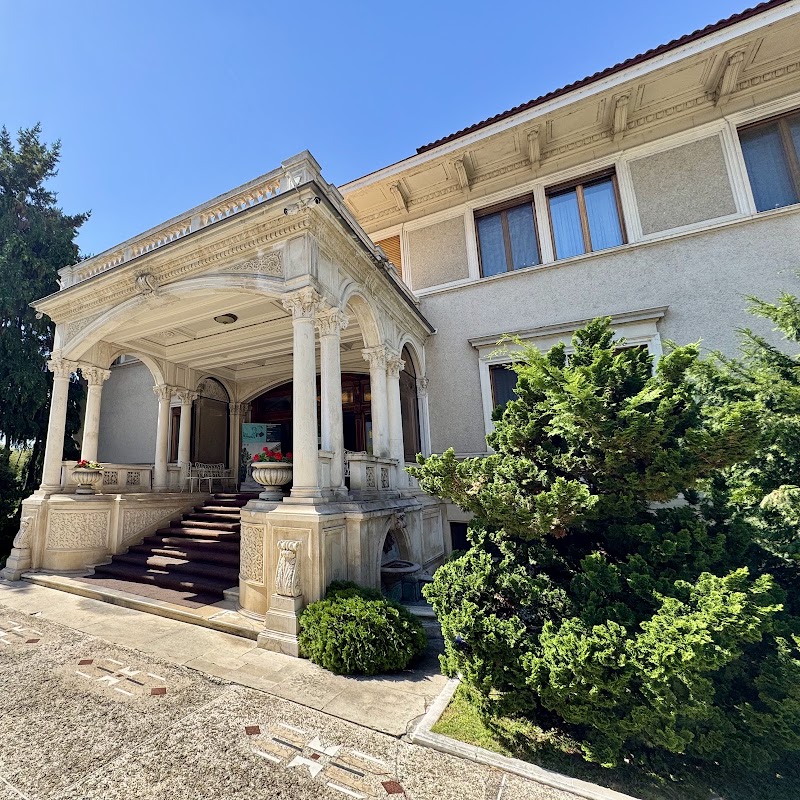
Ceaușescu House: luxury, history and an uneven tour
Bucharest’s Primăverii Palace exposes the Ceaușescu family’s lavish private world, although the quality of its compulsory guided tours can vary.
Romania · Bonțida
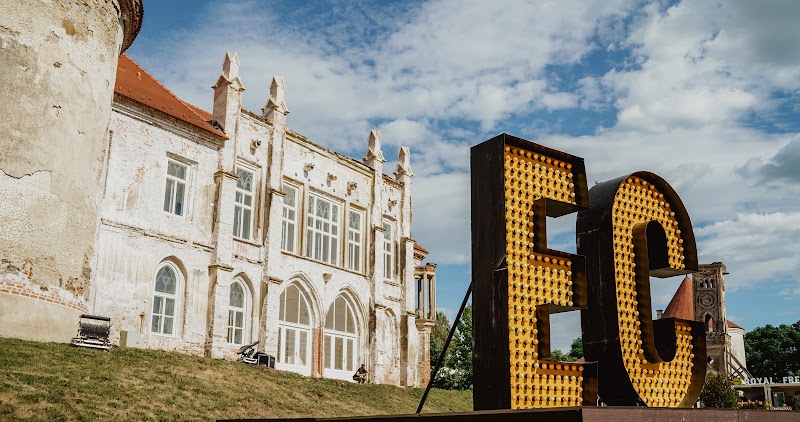
Electric Castle: Music and Festival Energy in Bonțida
Electric Castle pairs major live performances with a friendly festival atmosphere, though transport to and from Bonțida attracts recurring criticism.
Romania · București
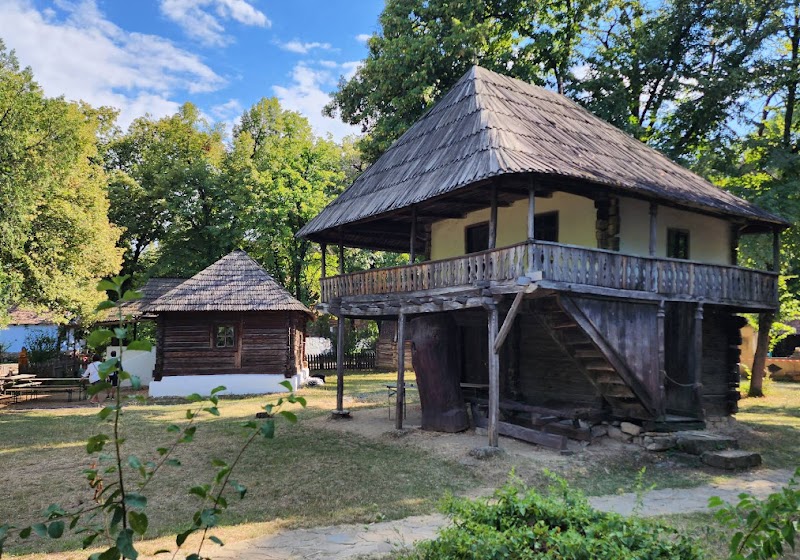
Romanian village life, preserved in the capital
This expansive open-air museum brings together traditional homes, churches, farms and windmills from across Romania.