Coronation Cathedral, Alba Iulia’s Place of Royal History
This richly decorated Orthodox cathedral connects Alba Iulia with the 1922 coronation of King Ferdinand I and Queen Marie.
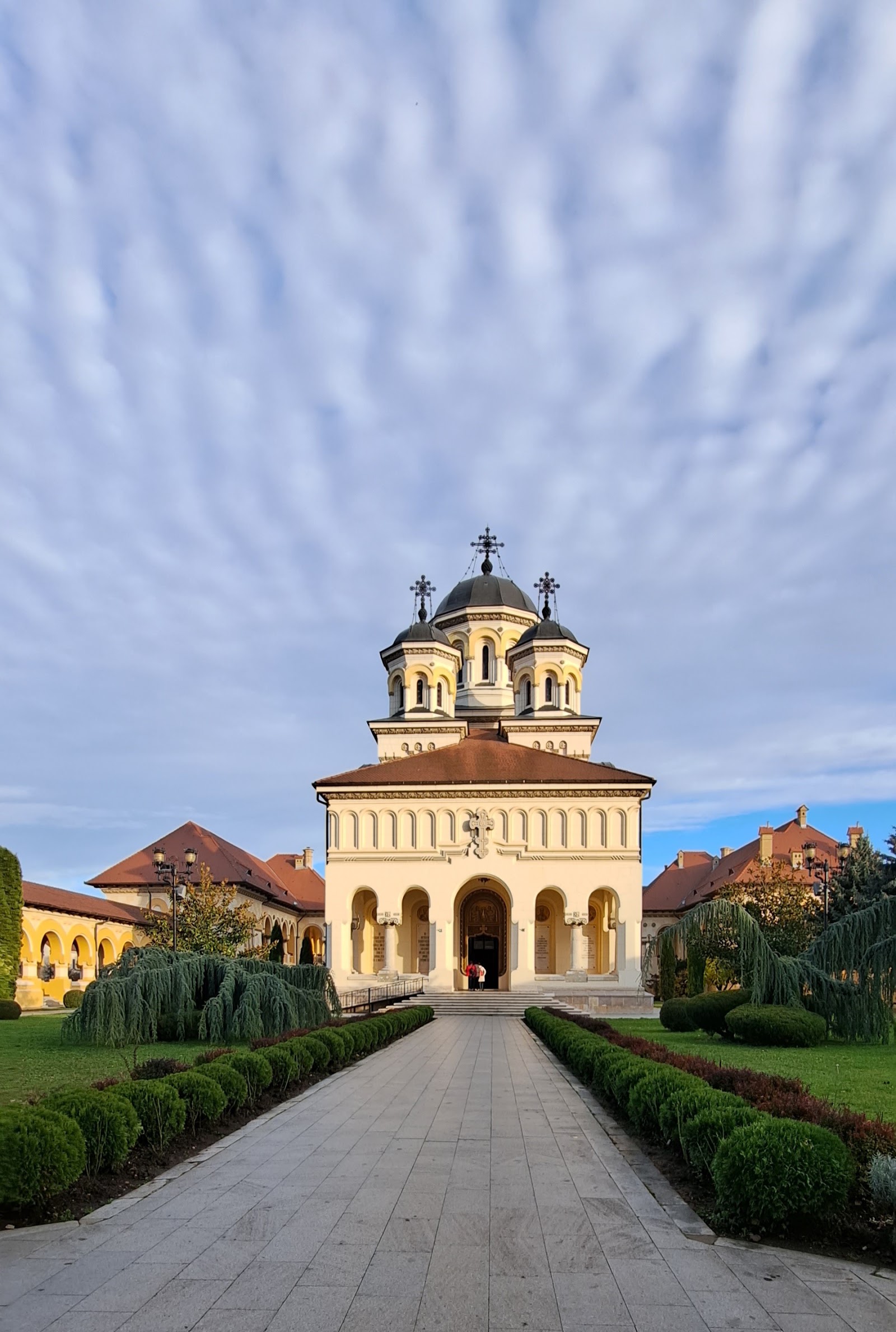
More photos
Photos published by travelers on Google, not AI generated.
What stands out
- 1922 coronation history
- Golden interior mosaics
- Byzantine-Romanian architecture
- Inner courtyard and bell tower
- Reported free admission
Worth knowing
- Access may be restricted during services
- Evening prayer can be noisy
- Respectful dress and behaviour are appropriate
Don't miss
What comes up most in public reviews
- See the golden mosaics
- Walk through the inner courtyard
- Look at the gate bell tower
- Ask about the 1922 coronation
Worth the trip?
Why visit
Public ratings and traveller reviews place Coronation Cathedral among Alba Iulia’s strongest historic sights, with a Google rating of 4.8 from 2,531 reviews. Its importance is closely tied to modern Romanian history. The cathedral was built specifically for the coronation of King Ferdinand I and Queen Marie, held on 15 October 1922 after the Union of 1918.
The building was completed in the early 1920s, with the foundation stone laid on 28 March 1921. Reviews differ slightly on the construction timeline, describing the work as taking about nine months or being completed within a year. The shared point is clear: the cathedral was created rapidly for a major national ceremony.
What visitors notice
The interior draws the strongest praise. Travellers describe large golden mosaics, detailed decoration and a peaceful atmosphere that rewards an unhurried visit. The style is identified in reviews as Byzantine-Romanian, with the gilded surfaces giving the interior its most memorable visual character.
The exterior and grounds also receive positive comments. The gate’s bell tower is repeatedly singled out as especially impressive, while the inner courtyard gives the complex another area to explore. The cathedral is not presented as a sight to rush through. Several reviews suggest that visitors can spend time simply looking at the craftsmanship and absorbing the setting.
Its historical role adds weight to the architecture. The coronation procession took place here, and the building is described by reviewers as an important Orthodox place of worship constructed in Transylvania after the Union of 1918. For travellers exploring Alba Iulia’s wider historic centre, that context makes the cathedral more than a photogenic stop.
Practical visit notes
Reviews report that there is no visitation fee and that photography inside is permitted. Visitors should plan around religious services, since access may be restricted during Mass or prayer. The cathedral can otherwise be visited throughout the year according to the supplied reviews.
The site remains an active place of worship, not a museum. Modest behaviour and suitable clothing are appropriate. One evening review mentions a priest walking around the grounds while striking a wooden plank with a stick, an unusual local detail that may occur during a service or religious observance. It should not be treated as a scheduled attraction.
There can also be competing sound from nearby worship. One traveller noticed the cathedral’s public-address system overlapping with the Catholic Church next door during evening prayer. That is a minor drawback, but it matters to visitors seeking complete quiet.
Verdict
Coronation Cathedral suits travellers interested in Romanian history, Orthodox architecture and Alba Iulia’s ceremonial past. The visit is easy to fit into a day of sightseeing, with no admission charge reported in the reviews and several details worth examining inside the grounds.
The strongest experience comes from combining the architecture with the story of Ferdinand I and Queen Marie’s coronation. Visitors should look closely at the golden mosaics, walk through the courtyard, study the bell tower over the entrance and check whether a service is taking place before entering. The cathedral’s appeal is focused rather than sprawling. It is a compact, highly atmospheric historic stop with unusual national significance.
Plan the rest of the trip
Ask anything
Looking for somewhere else?
Keep exploring around Alba Iulia
More from Romania
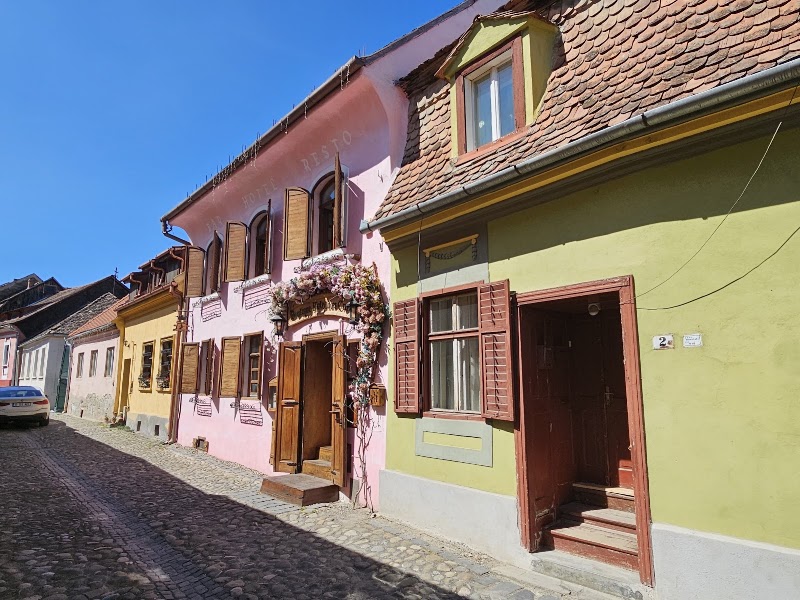
Romania · Sighișoara
Segesvár: A Compact Walk Through Sighișoara’s Old Town
Public reviews describe Segesvár as a lovely, compact historic stop, with the tower singled out as the essential climb.

Romania
Pietrosul Rodnei: A Demanding Hike with Wide Mountain Views
Public reviews praise Pietrosul Rodnei for its memorable scenery, while noting a long route, chilly summit conditions and a dirt-road approach.

Romania · Valea Viilor
Valea Viilor Fortified Church: A Tower Worth Climbing
This UNESCO-listed fortified church rewards visitors who plan around opening hours and make time for its bell tower.
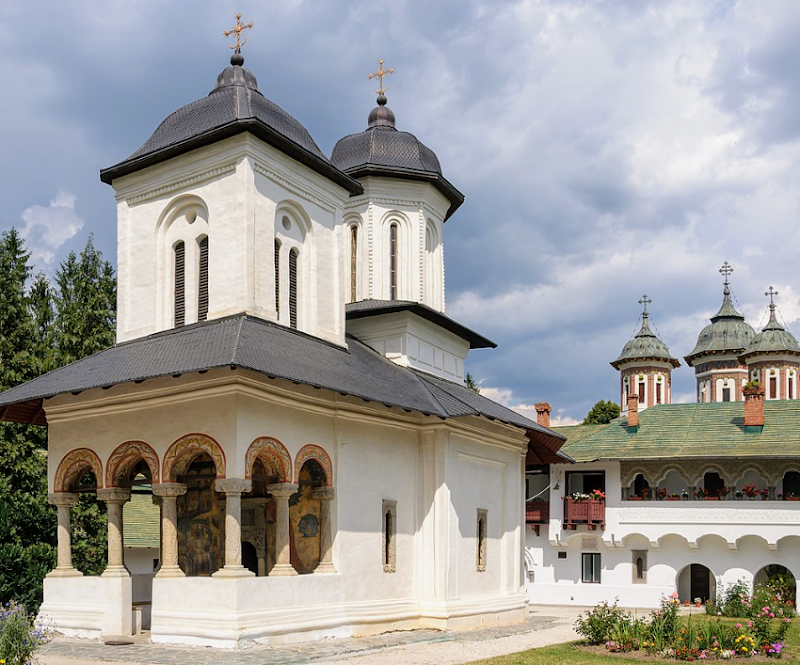
Romania · Sinaia
Sinaia Monastery: A Peaceful Stop Near Peleş Castle
Sinaia Monastery offers a calm, well-kept visit with two churches, landscaped gardens and a strong sense of history beside Peleş Castle.