Caral-Supe: Ancient Peru on a Monumental Scale
This remote UNESCO archaeological site rewards history enthusiasts with monumental structures, guided interpretation and wide Supe Valley views.
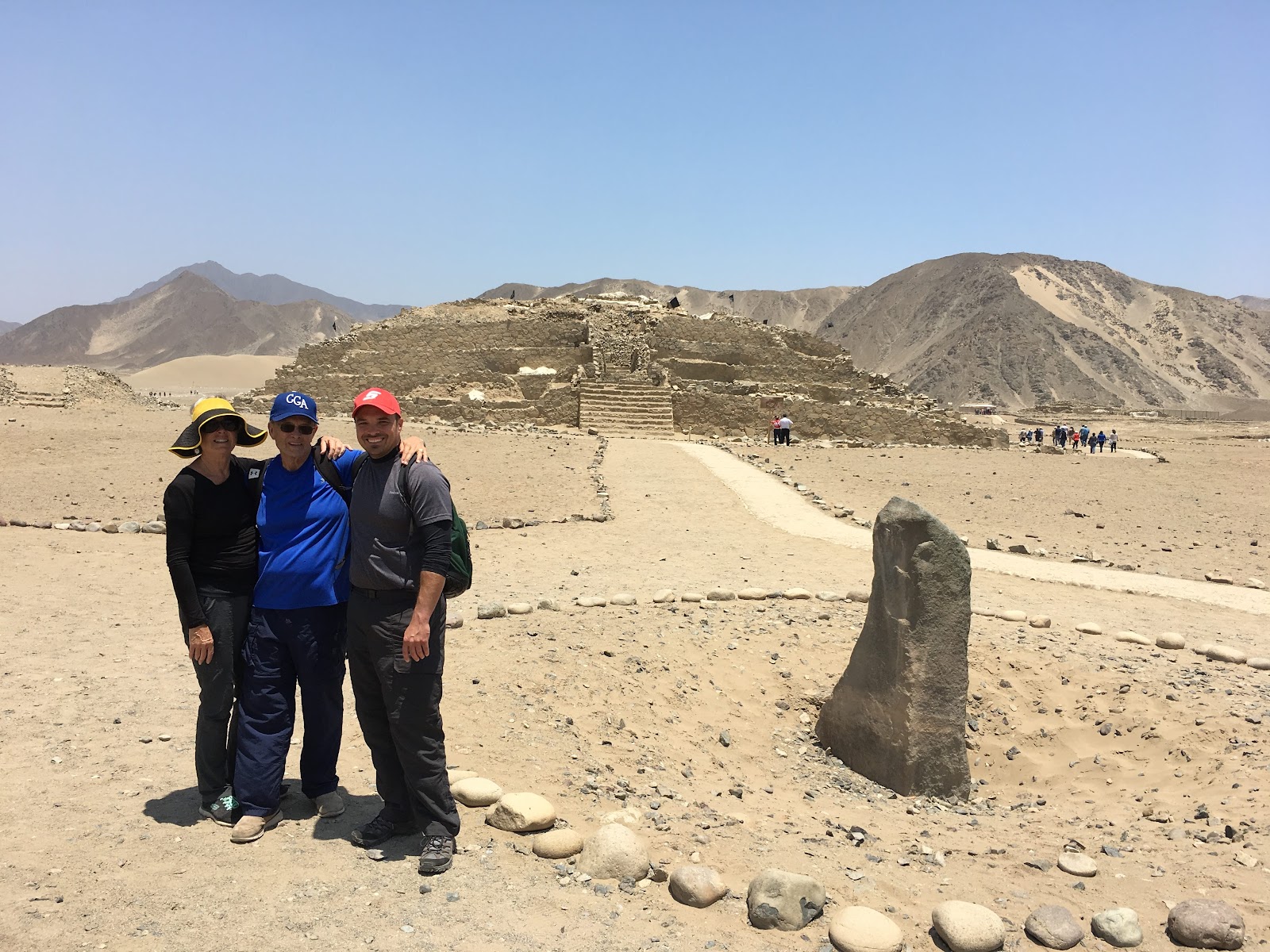
More photos
Photos published by travelers on Google, not AI generated.
What stands out
- More than 5,000 years of history
- Pyramids and ceremonial structures
- Large archaeological landscape
- Views across the Supe Valley
- Informative local guides
Worth knowing
- Remote location requires transport planning
- A full-day commitment from Lima
- Extensive walking and reported restoration work
Don't miss
What comes up most in public reviews
- Take a guided tour
- Walk among the pyramids and ceremonial structures
- Look across the Supe Valley
- Ask about Caral’s early urban planning
Worth the trip?
Why Caral stands out
The Sacred City of Caral-Supe draws its impact from age, scale and setting. Public reviews repeatedly describe it as the cradle of the oldest known civilization in the Americas, dating back more than 5,000 years. For travellers interested in archaeology and early societies, that context makes the site one of Peru’s most compelling cultural excursions.
Its Google rating of 4.6 from 2033 reviews reflects strong visitor enthusiasm. Several reviewers rank Caral among the highlights of a wider Peru trip, with particular praise for its historical significance and the experience of walking through an ancient urban centre. The UNESCO designation adds international recognition, but the appeal described by visitors is more immediate: broad terrain, substantial ceremonial architecture and a sense of encountering the beginnings of complex society in the region.
What visitors see
The archaeological landscape includes pyramids, ceremonial structures and evidence of early urban planning. Reviews emphasize that Caral is not a compact collection of ruins. It occupies a large area, and visitors explore primarily on foot. The scale is part of the experience, although it also makes comfortable footwear and protection from exposed conditions sensible preparations.
The surrounding Supe Valley contributes as much atmosphere as the ruins themselves. One recurring impression is the expansive view over cultivated land below the site. That contrast between monumental architecture and the broad valley helps visitors understand why the location mattered to an early organized society.
Guided interpretation is consistently recommended. Reviewers describe guides as friendly, informative and ready to answer questions. Without that context, some structures may be harder to distinguish or understand. A guide can connect the pyramids and ceremonial spaces with Caral’s social organization, construction methods and place in the wider history of the Americas.
Planning the journey
Caral is remote, so transportation is the main practical consideration. Reviews from Lima visitors stress the importance of arranging a reliable round trip in advance. One account places the journey at around four hours from Lima, making this a full-day excursion even though roughly two hours may be sufficient for the principal on-site visit.
An organized tour can simplify the long transfer and provide interpretation at the site. Independent travellers need to plan the return journey carefully rather than relying on spontaneous transport. Reports also mention restoration activity, which may affect how parts of the archaeological area are viewed or approached.
Editorial verdict
Synthesizing the public feedback, Caral-Supe is best suited to travellers who prioritize history over convenience. The long journey and extensive walking require commitment, but the combination of great age, monumental architecture and valley scenery gives the visit unusual depth. It is less about polished visitor infrastructure than about understanding the scale and sophistication of one of the Americas’ earliest civilizations. For archaeology and culture enthusiasts with a full day available, the effort is widely considered worthwhile.
Plan the rest of the trip
Ask anything
Looking for somewhere else?
Keep exploring around Supe Puerto
More from Peru
Peru
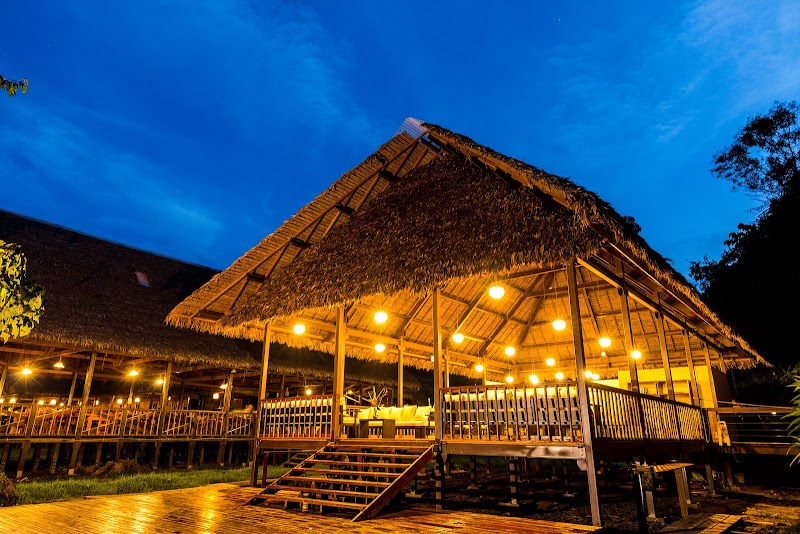
Tambopata Research Center: Deep Amazon immersion
Public reviews describe a remote rainforest lodge where wildlife, knowledgeable guides and research-led activities define the stay.

Peru · Cusco
Tariq Boutique Cusco: Views, Warm Rooms and a Steep Walk
Public reviews praise Tariq Boutique Cusco for its views, thoughtful staff and central setting, while warning that reaching it involves a demanding uphill climb.
Peru · Cusco
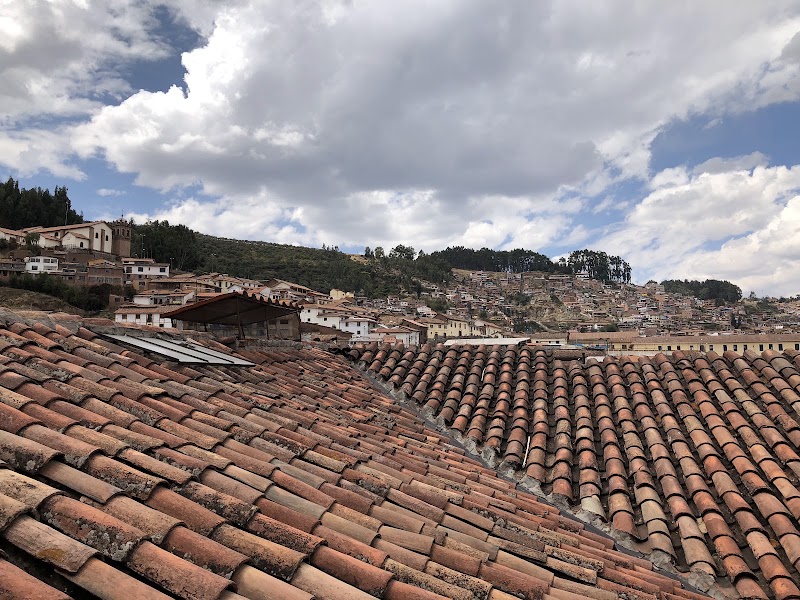
Cooper Hotel Boutique: A Caring Base in Cusco
Public reviews praise Cooper Hotel Boutique for attentive service, strong breakfasts and a convenient Cusco location, with room variation worth checking before arrival.
Peru
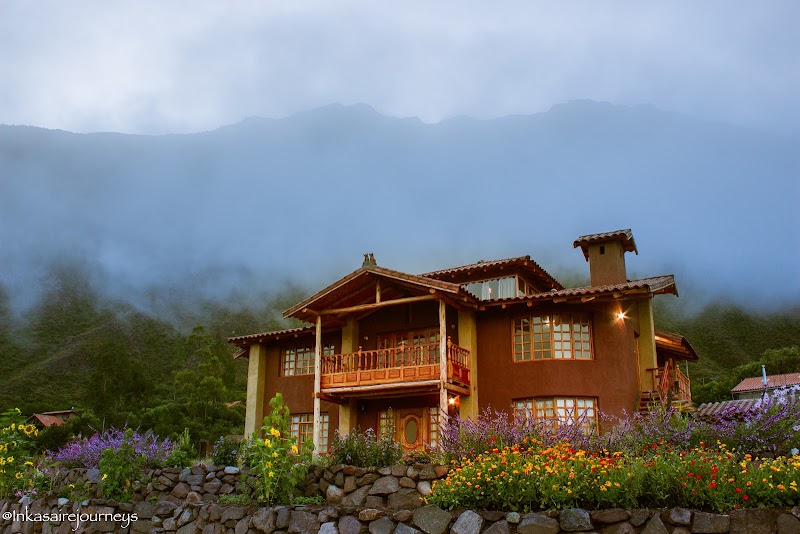
Inkasaire Boutique Lodge: A Quiet Sacred Valley Retreat
Public reviews point to a peaceful mountain lodge with warm hosting, generous food, alpacas and flexible experiences in Peru’s Sacred Valley.