Royal Mausoleum of Tourbet el Bey: A Quiet Tunis Landmark
Public reviews describe a richly detailed royal mausoleum in Tunis’s Medina, valued for its history, calm atmosphere and helpful on-site guidance.
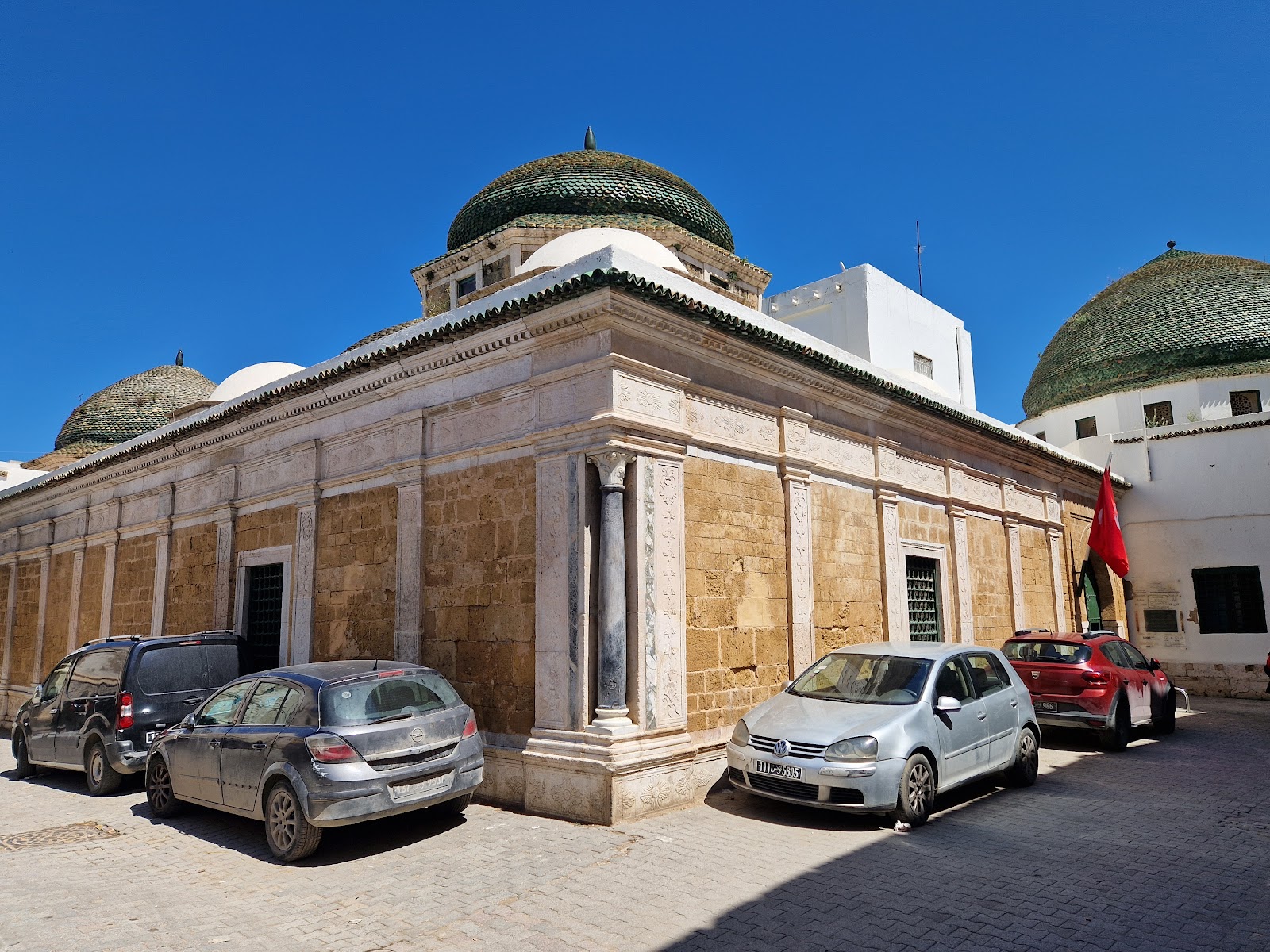
More photos
Photos published by travelers on Google, not AI generated.
What stands out
- Royal burial place of Tunisian ruling families
- Intricate architectural details
- Peaceful atmosphere
- Quieter location in the Medina
- Helpful historical explanation from staff
Worth knowing
- Opening schedule and accessibility details are unclear
- Public reviews do not establish the current price level
Don't miss
What comes up most in public reviews
- Ask about the beys, sultans and their families buried here
- Study the mausoleum’s architectural details
- Explore the museum presentation of the royal family
Worth the trip?
Why visit
The Royal Mausoleum of Tourbet el Bey gives visitors a focused look at the ruling families of Tunis. Public reviews describe it as the burial place of beys, sultans and their relatives, with the former mausoleum now presented as a museum. The appeal is historical rather than spectacle-driven. Several reviewers say it helps explain the royal families who shaped Tunis, while others recommend it as a worthwhile stop for anyone interested in the cultural side of the city.
The site holds a 4.4 rating from 232 Google reviews. That score reflects a consistently positive response to its architecture, atmosphere and sense of place. It is not presented as a major, crowded attraction. That is part of its appeal.
Architecture and atmosphere
Reviewers repeatedly mention the building’s beauty and intricate details. One describes the construction as simple but attractive, while another highlights the peaceful feel inside. The comments suggest a place best appreciated slowly, with attention given to the rooms, decoration and memorial function rather than a quick photo stop.
The mausoleum is also described by reviewers as part of the Medina of Tunis’s UNESCO-listed heritage. Its position away from the busiest main streets adds to the experience. Visitors commonly report fewer people inside, with one reviewer recalling having the entire site to explore during a Friday morning visit. That quieter setting can make the royal history feel more immediate.
What the visit is like
The Royal Mausoleum of Tourbet el Bey suits travellers who want a compact historical stop while walking through Tunis’s old city. Public feedback indicates that the visit does not require a full day. A short, attentive stop is enough for the building and its displays, though visitors with a strong interest in dynastic history may want longer to absorb the setting.
One reviewer specifically praised the staff member’s helpful explanation of who is buried there, despite a language difference. That suggests asking about the mausoleum’s royal occupants can add useful context. The site’s value comes partly from that interpretation, since the building’s meaning is tied closely to the families commemorated within it.
Who should go
This landmark is a strong fit for history-minded visitors, architecture enthusiasts and travellers exploring Tunis beyond the busiest Medina routes. It also works for people looking for a calm cultural pause between other old-city sights. Reviews repeatedly call it worth visiting, but they do not frame it as an attraction built around entertainment or extensive facilities.
The public feedback provides no clear information about the current price level, opening schedule or accessibility arrangements. Visitors should check those practical details before setting out. For those already exploring the Medina, the mausoleum offers a concise encounter with Tunisian royal history, detailed architecture and a quieter atmosphere than the city’s better-known stops.
Plan the rest of the trip
Ask anything
Looking for somewhere else?
Keep exploring around Tunis
More from Tunisia
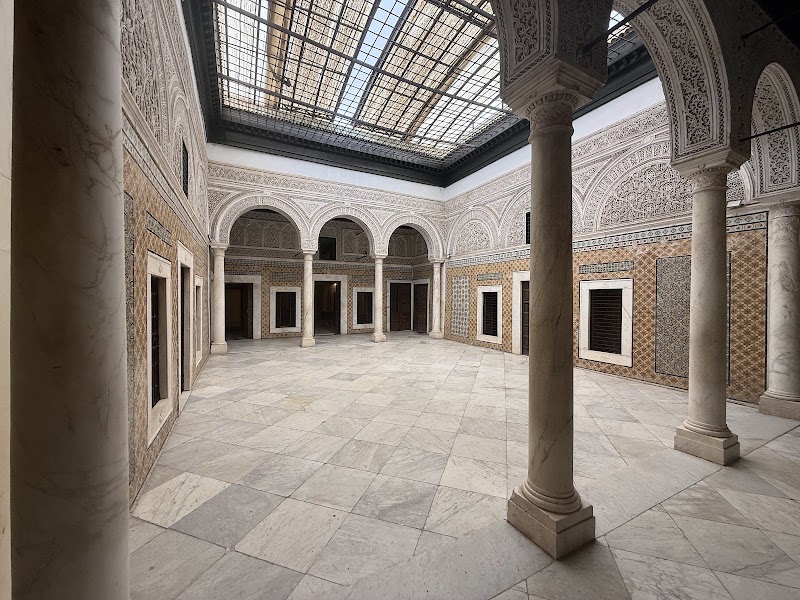
Tunisia · Tunis
Dar Lasram: A Quiet Palace in the Medina of Tunis
Public reviews describe Dar Lasram as a worthwhile, often peaceful look at nineteenth-century palace life, with intricate architecture and a small Tunis museum.
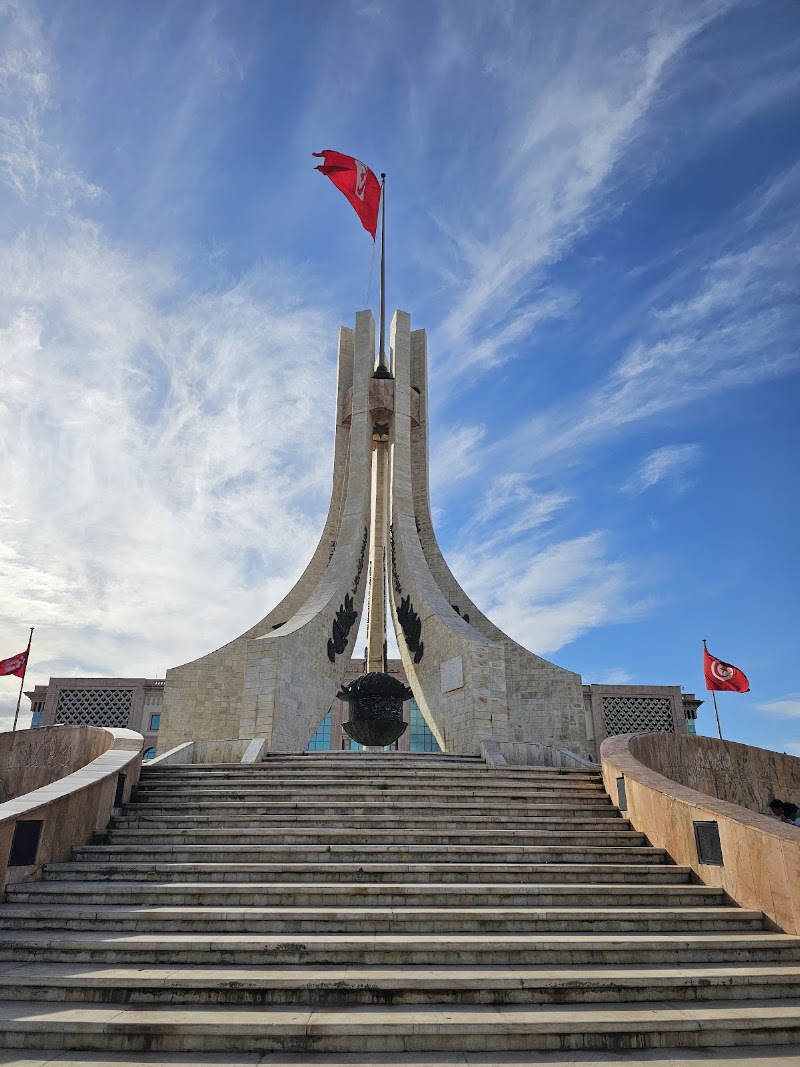
Tunisia · Tunis
Kasbah Square: Tunis’s Open-Air Political Landmark
At the western entrance to the Medina of Tunis, Kasbah Square brings together national symbolism, historic surroundings and a calm pedestrian setting.
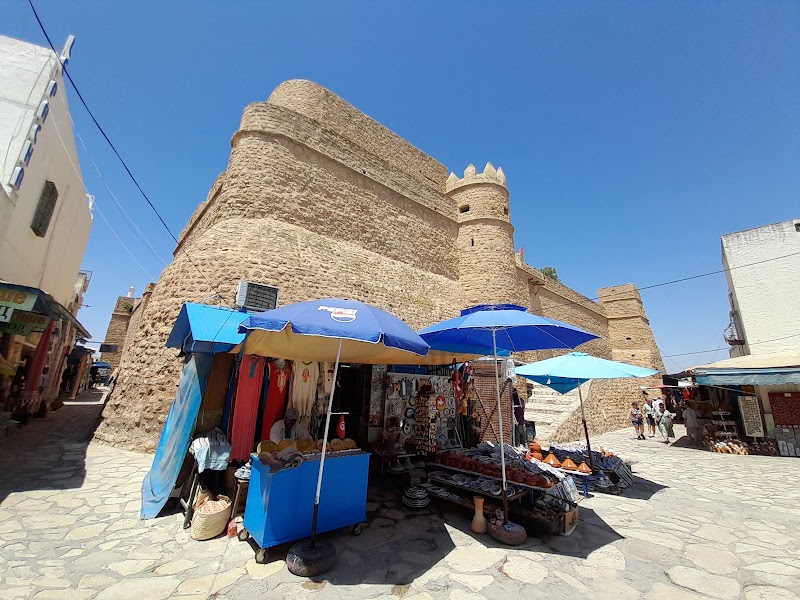
Tunisia · Hammamet
Medina of Hammamet: White Walls, Blue Doors and Quiet Alleys
Hammamet’s historic medina is a compact, photogenic stop for slow walks, small shops, cafés and views from its old fort.
Tunisia · Tunis
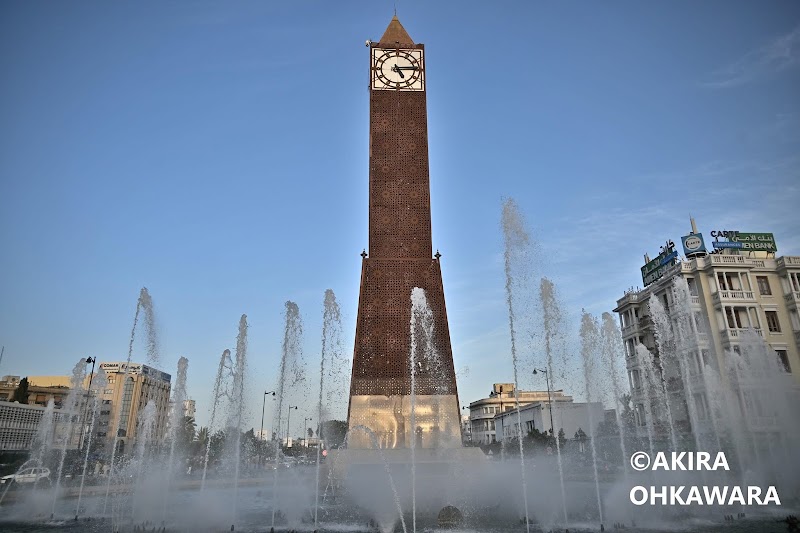
Tunis Clock Tower: A Brief Stop on Avenue Habib Bourguiba
Tunis Clock Tower is a central meeting point and recognizable city symbol, best suited to visitors already exploring central Tunis.