Dar Lasram: A Quiet Palace in the Medina of Tunis
Public reviews describe Dar Lasram as a worthwhile, often peaceful look at nineteenth-century palace life, with intricate architecture and a small Tunis museum.
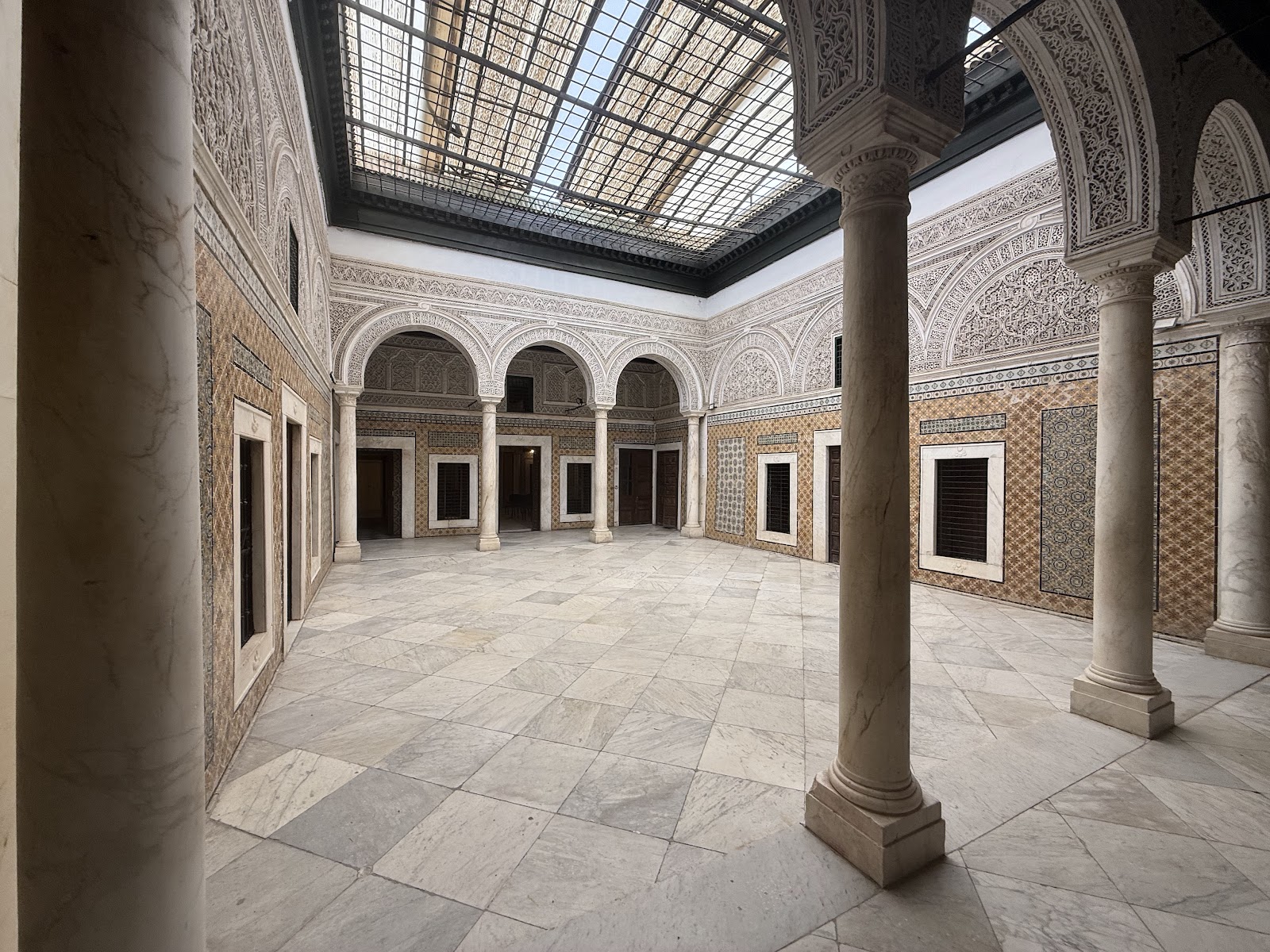
More photos
Photos published by travelers on Google, not AI generated.
What stands out
- Nineteenth-century palace architecture
- Traditional courtyards and intricate tilework
- Numerous rooms and changing floor levels
- Small museum about Tunis
- Usually quiet Medina setting
Worth knowing
- Maintenance and toilet conditions may disappoint
- Some sections are used as offices
Don't miss
What comes up most in public reviews
- Explore the traditional courtyards
- Look closely at the tilework
- See the small Tunis museum
- Ask about courtyard performances and cultural events
Worth the trip?
What the reviews show
Dar Lasram earns a Google rating of 4.4 from 174 reviews. The public feedback is strongly positive about its architecture, scale and atmosphere. Visitors describe a historic palace in the Medina of Tunis with traditional courtyards, intricate tilework, numerous rooms and several levels that reveal how the building was arranged.
It is not presented as a long, full-day attraction. One reviewer calls it a quick visit, while others say the interior feels much larger than its exterior suggests. The consensus is that it works well as a compact cultural stop for travellers already exploring the medina.
Architecture and history
The building gives visitors a tangible sense of the lavish mansions constructed in nineteenth-century Tunis. One review notes that many homes were levelled to make way for Dar Lasram, adding weight to its historical interest. The rooms and halls help visitors imagine how residents may have used the palace in the 1820s.
The layout is a major part of the experience. Different floor levels, courtyards and the succession of rooms make the building more engaging than a single decorative interior. Reviewers repeatedly point to the traditional architecture and old-world character. It suits visitors who enjoy looking closely at how historic homes were built, not only photographing their ornament.
A living cultural site
Dar Lasram is also described as an active heritage venue. Public reviews mention exhibitions, seminars, events and festivals, along with performances in the courtyard. A small museum about the city of Tunis is also reported inside the house.
Some sections are occupied as offices, so the site does not function entirely as a preserved museum. That can shape the visit, but it also reflects the building’s continuing role in the Medina of Tunis. The courtyard performances and cultural programming may be especially appealing when scheduled during a visit, though the supplied reviews do not identify specific dates.
Atmosphere and practical limits
Several visitors say Dar Lasram is not heavily crowded. Its position in a quieter part of the medina can make it a calmer pause during a busy day in Tunis, and some reviewers report having the place nearly to themselves. That quieter atmosphere is one of its clearest advantages.
Maintenance is the main concern in the feedback. One review describes the palace as not well kept and criticises the toilets. Travellers should set expectations accordingly: the architectural value is the draw, while facilities may feel basic. Some parts may also be inaccessible because they are used as offices.
Dar Lasram is best for history-minded visitors, architecture enthusiasts and travellers who want a short cultural stop with a local setting. The reviews consistently find it worth visiting, particularly for the courtyards, tilework, layered floor plan and small Tunis museum. It is a modestly paced experience, not a polished grand-palace attraction.
Plan the rest of the trip
Ask anything
Looking for somewhere else?
Keep exploring around Tunis
More from Tunisia
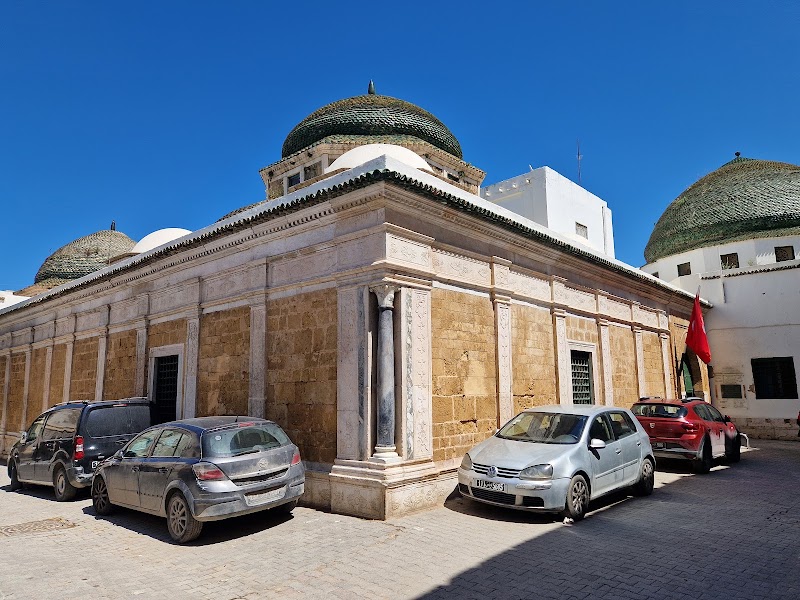
Tunisia · Tunis
Royal Mausoleum of Tourbet el Bey: A Quiet Tunis Landmark
Public reviews describe a richly detailed royal mausoleum in Tunis’s Medina, valued for its history, calm atmosphere and helpful on-site guidance.
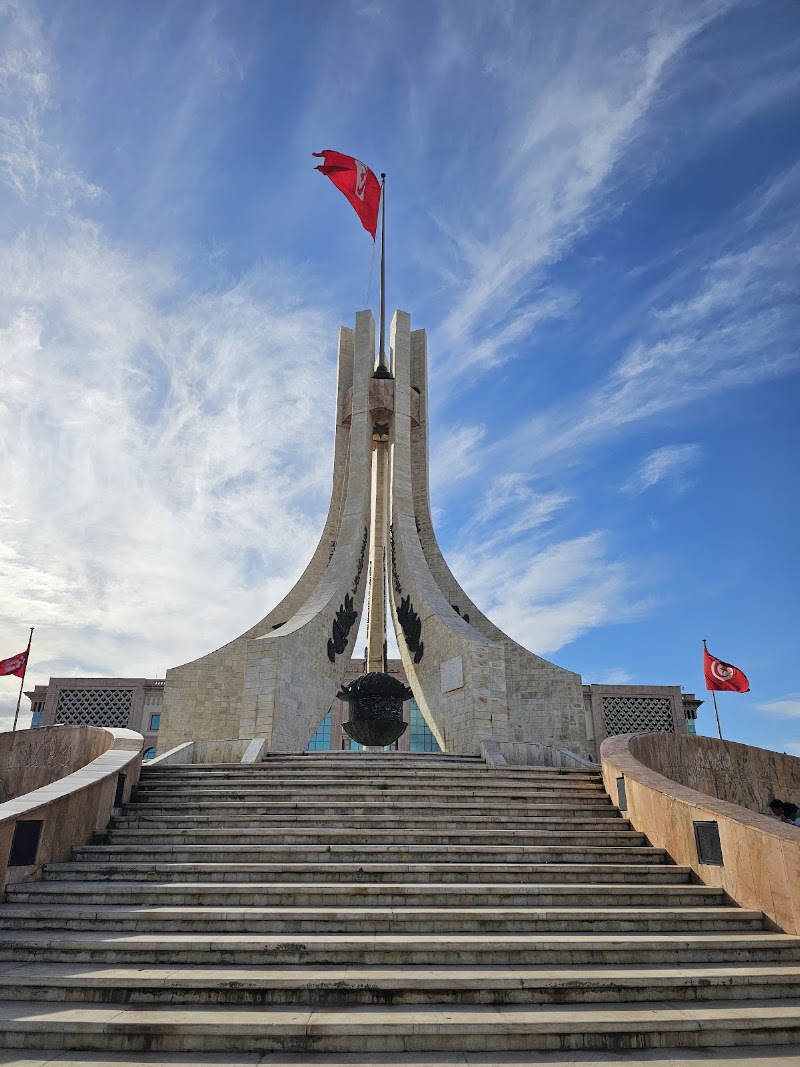
Tunisia · Tunis
Kasbah Square: Tunis’s Open-Air Political Landmark
At the western entrance to the Medina of Tunis, Kasbah Square brings together national symbolism, historic surroundings and a calm pedestrian setting.
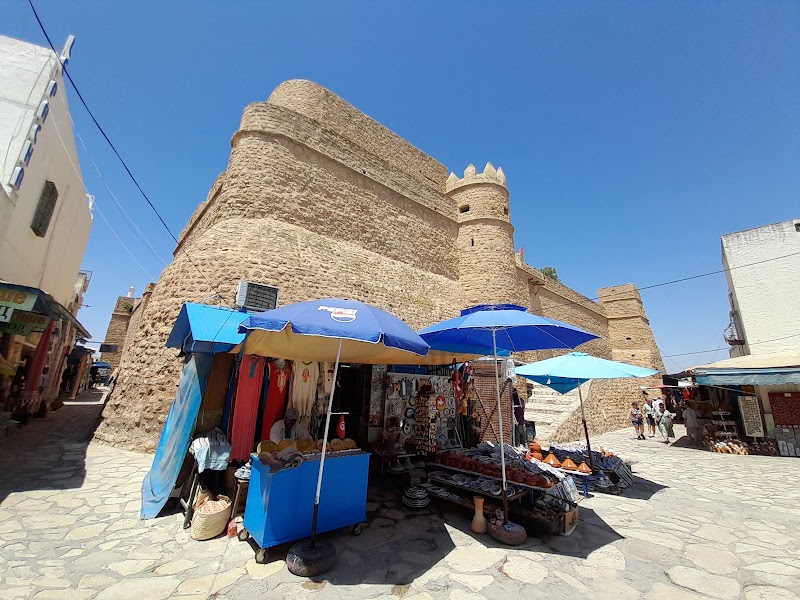
Tunisia · Hammamet
Medina of Hammamet: White Walls, Blue Doors and Quiet Alleys
Hammamet’s historic medina is a compact, photogenic stop for slow walks, small shops, cafés and views from its old fort.
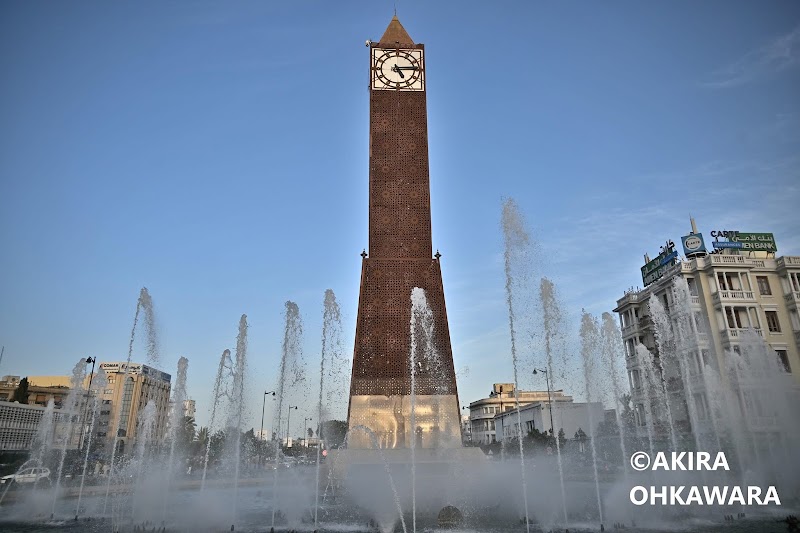
Tunisia · Tunis
Tunis Clock Tower: A Brief Stop on Avenue Habib Bourguiba
Tunis Clock Tower is a central meeting point and recognizable city symbol, best suited to visitors already exploring central Tunis.