Rock Sculpture of Decebalus: A Danube Landmark
This striking relief above the Danube is best seen from the water, with boat tours adding context to the dramatic river setting.

More photos
Photos published by travelers on Google, not AI generated.
What stands out
- Large Decebalus relief above the Danube
- Mraconia Bay and Small Cauldrons scenery
- Boat tours offering close river views
- Latin inscription beneath the sculpture
- Food kiosks, restaurants and a souvenir kiosk nearby
Worth knowing
- Parking can be harder during summer
- The sculpture is modern, not ancient
- The site can be brief without a boat tour
Don't miss
What comes up most in public reviews
- Take a boat tour on the Danube
- Read the DECEBAL REX – DRAGAN FECIT inscription
- View the sculpture from the water
- Look for a miniature sculpture at the tourist kiosk
Worth the trip?
What the experience is
The Rock Sculpture of Decebalus is a large relief carving of Decebalus, the last king of Dacia, cut into the cliff above the Danube near Mraconia Bay. It stands in the Small Cauldrons area, close to Dubova, where the river narrows between steep, rugged slopes. The setting is a major part of the appeal. Public reviews repeatedly describe a fjord-like landscape, with the sculpture rising above the water and completing the view rather than standing apart from it.
Google reviewers give the attraction a 4.8 rating from 10,813 reviews. That response reflects a simple but effective experience: visitors see an imposing modern carving in a dramatic natural setting, often while travelling by boat.
See it from the Danube
The relief is visible when cruising the Danube, but a boat trip offers a closer and more memorable view. Reviews mention fast boats carrying groups of around 10 people, as well as several tour launches operating near the sculpture. A river outing can also show the surrounding cliffs and the narrow waters around the Small Cauldrons, giving the site more context than a quick roadside stop.
The Latin inscription beneath the head reads “DECEBAL REX – DRAGAN FECIT.” It identifies the subject and credits Drăgan, the person responsible for the work. The sculpture is not an ancient monument, and reviewers are clear about that distinction. Its impact comes from its scale, placement and connection with the region’s Dacian history.
Planning the stop
The attraction is near Mraconia Bay, with boat tour launches, food kiosks and restaurants mentioned in public reviews. A tourist kiosk sells miniature versions of the sculpture. These details make the location suitable for a short sightseeing stop, especially for travellers already exploring the Danube Gorge by road or boat.
Parking conditions vary by timing. One review reports that parking is easier outside summer or early in the morning, while the area can be busier during the main season. That makes an early arrival practical for visitors who want a calmer stop and a better chance of finding space.
Who will enjoy it
The Rock Sculpture of Decebalus suits travellers interested in unusual landmarks, river scenery and Romanian history. It is especially worthwhile for people taking a Danube boat tour, since the water provides the clearest perspective on the cliff and relief. Visitors who expect an archaeological ruin may find the site less compelling, because the carving is a modern work rather than an ancient survivor.
The attraction works best as part of a wider outing around Dubova and the Danube Gorge. On its own, the viewing stop can be brief. Paired with a boat tour, it becomes a stronger half-day experience, with the sculpture acting as the visual focus of a striking stretch of river.
Plan the rest of the trip
Ask anything
Looking for somewhere else?
Keep exploring around Dubova
More from Romania
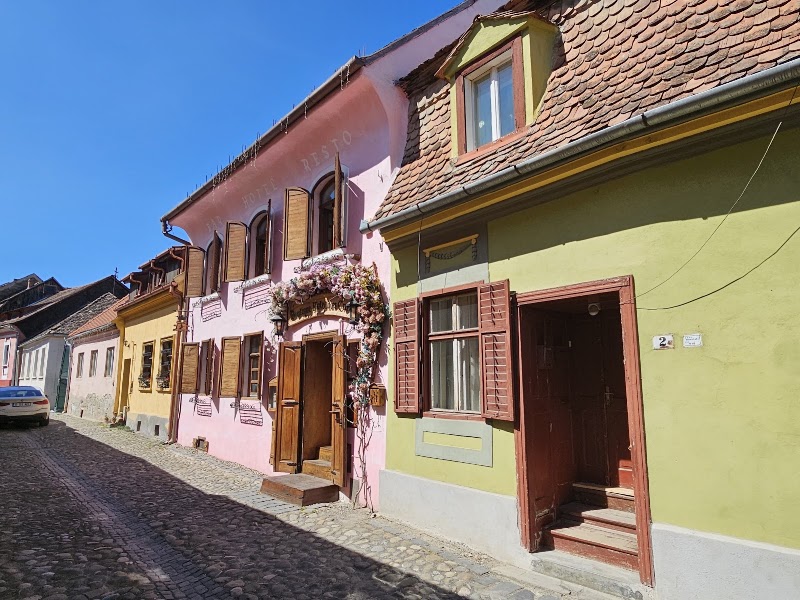
Romania · Sighișoara
Segesvár: A Compact Walk Through Sighișoara’s Old Town
Public reviews describe Segesvár as a lovely, compact historic stop, with the tower singled out as the essential climb.

Romania
Pietrosul Rodnei: A Demanding Hike with Wide Mountain Views
Public reviews praise Pietrosul Rodnei for its memorable scenery, while noting a long route, chilly summit conditions and a dirt-road approach.

Romania · Valea Viilor
Valea Viilor Fortified Church: A Tower Worth Climbing
This UNESCO-listed fortified church rewards visitors who plan around opening hours and make time for its bell tower.
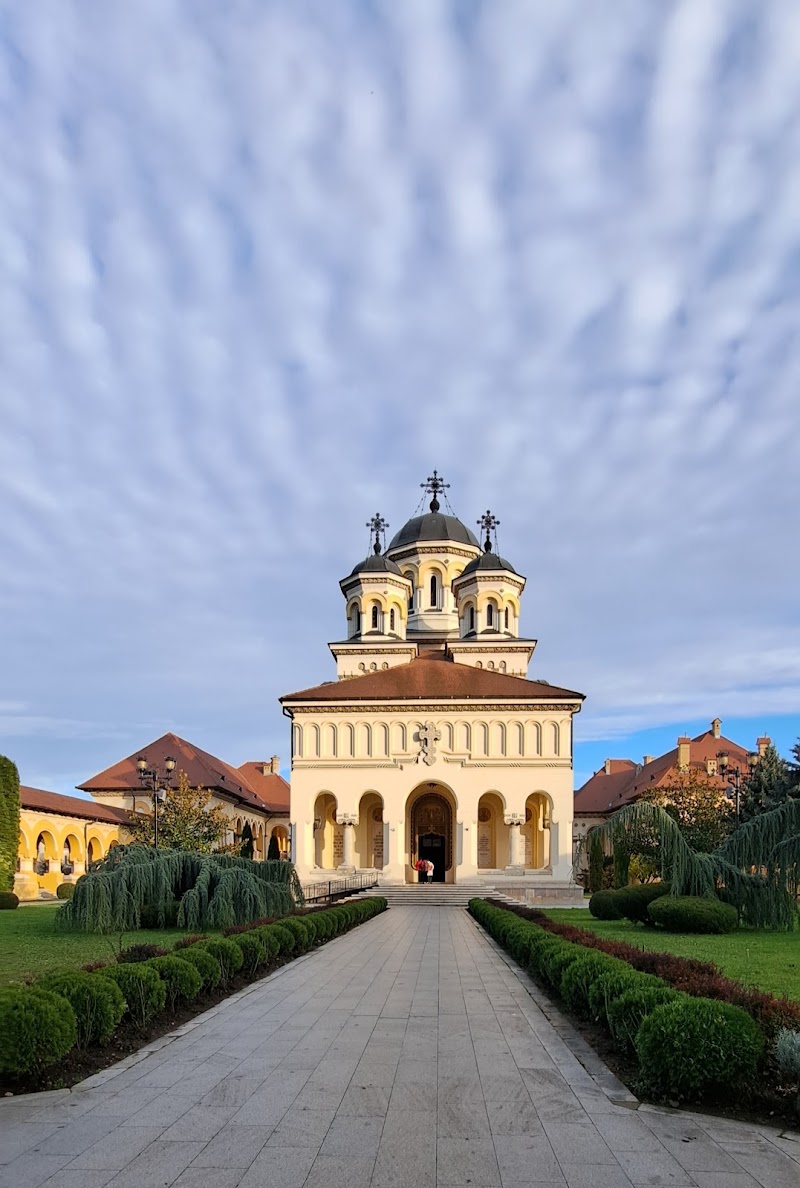
Romania · Alba Iulia
Coronation Cathedral, Alba Iulia’s Place of Royal History
This richly decorated Orthodox cathedral connects Alba Iulia with the 1922 coronation of King Ferdinand I and Queen Marie.