Rock of Tondi: Tallinn’s tongue-in-cheek pilgrimage
A modest rock inspires extravagantly spiritual, mostly playful reviews from travellers drawn to one of Tallinn’s more unconventional landmarks.

More photos

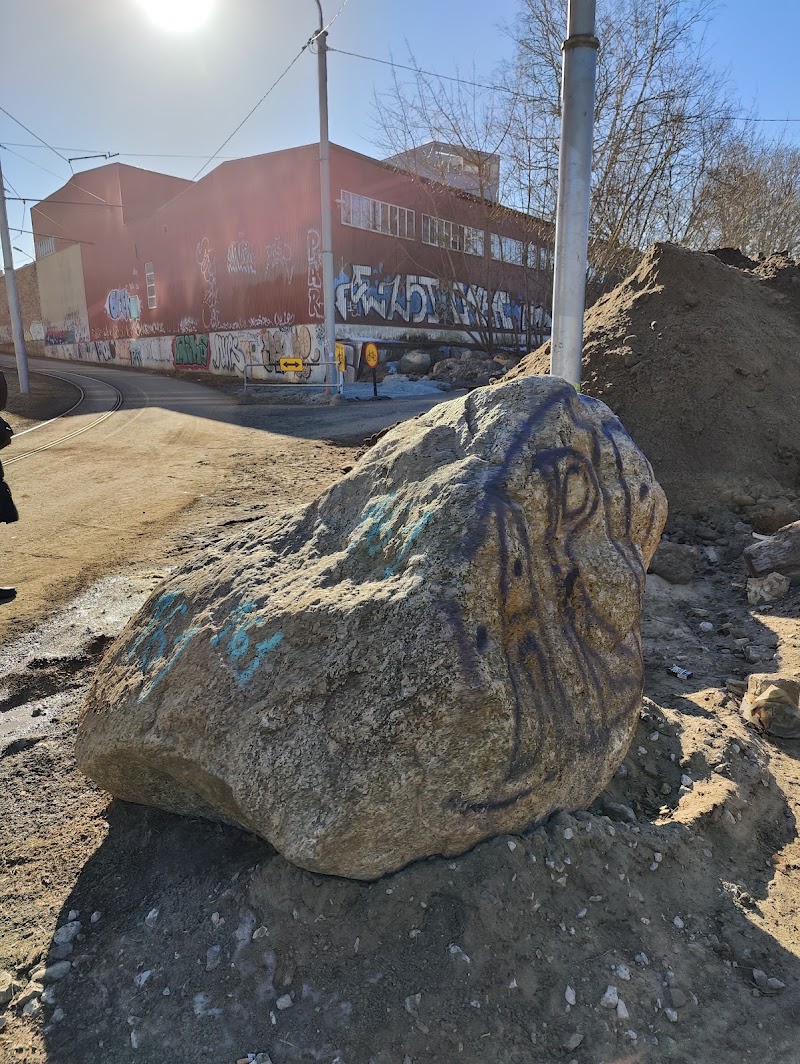

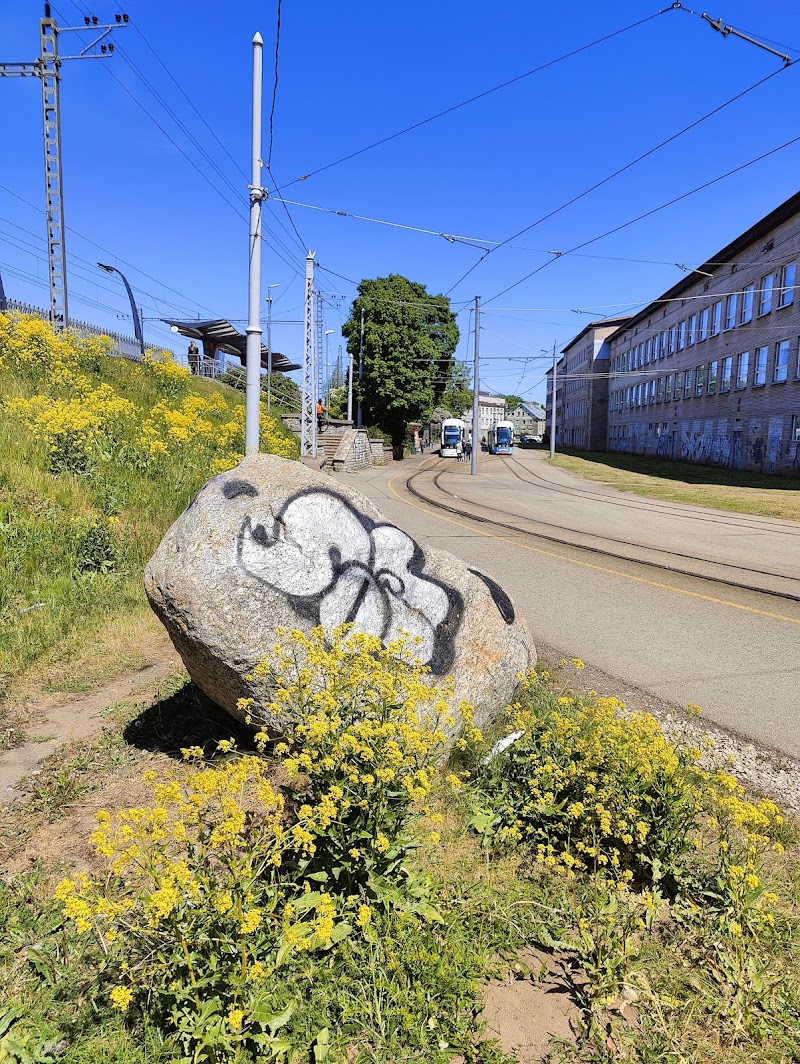
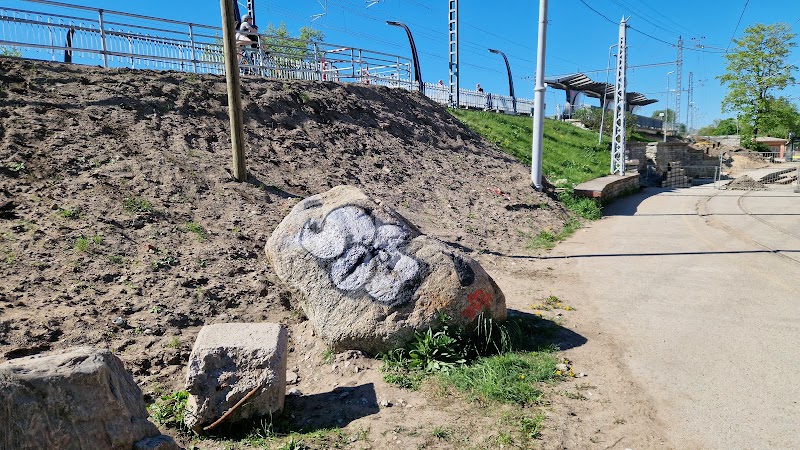
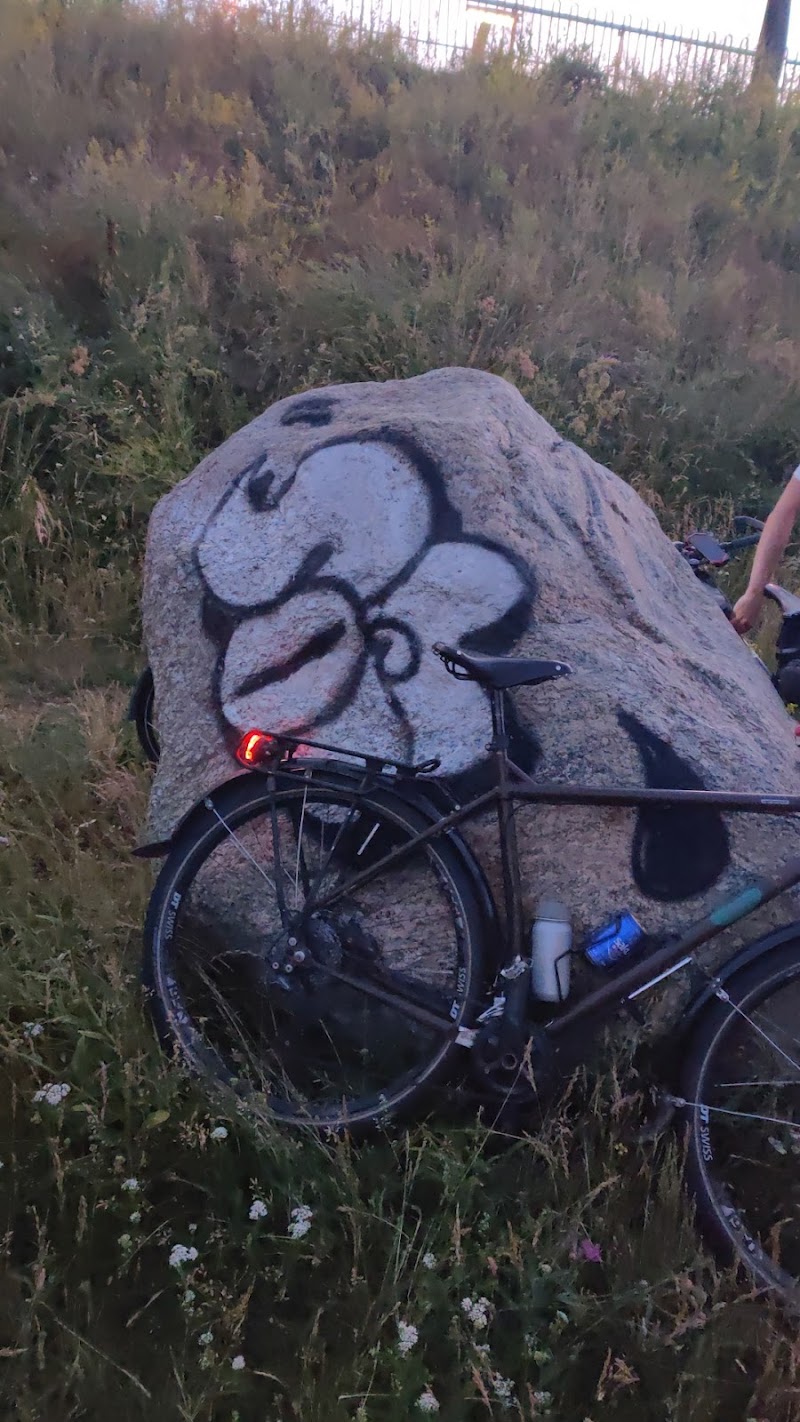
Photos published by travelers on Google, not AI generated.
What stands out
- Playful pilgrimage atmosphere
- Touching the rock
- Extravagant spiritual storytelling
- Unusually enthusiastic public reviews
Worth knowing
- Reviews are largely ironic rather than practical
- One review describes a dark car park approach
Don't miss
What comes up most in public reviews
- Touch the Rock of Tondi
- Make a wish or pause for mock contemplation
- Embrace the pilgrimage-style ritual
Worth the trip?
Why travellers seek it out
Rock of Tondi has achieved an unlikely level of online fame for an attraction that, based on the available reviews, is essentially a single rock in Tallinn. Its Google rating stands at 4.9 from 465 reviews, but the appeal is inseparable from the theatrical way visitors describe it.
Public reviews repeatedly frame the journey as a pilgrimage. The rock is compared with major religious sites, credited with ancient powers and treated as a source of enlightenment. These claims appear playful rather than factual. The humour comes from applying grand spiritual language to a very modest point of interest, with each reviewer attempting to outdo the last.
That shared joke is the attraction’s defining feature. Travellers expecting a conventional landmark, museum-style interpretation or a substantial sightseeing experience may miss the point. Those familiar with internet humour are more likely to appreciate why the Rock of Tondi inspires such fervent praise.
What the reviews describe
Several accounts focus on touching the rock. One traveller reports a resurgence of energy after making contact, while another describes visiting to clear an aura and absorb positive vibrations supposedly left by ancient civilisations. A further reviewer says a sincere prayer at the stone was followed by a personal wish coming true.
None of these supernatural claims should be treated as verified. Collectively, however, they reveal the ritual visitors have created around the site: approach with mock solemnity, touch the stone, make a wish or contemplate its alleged power. The experience seems to be participatory rather than visual. The rock itself matters less than the stories and exaggerated reverence surrounding it.
One review describes approaching through a dark car park, while another recounts arriving after a wet start to the day and leaving soon after the sun appeared. These isolated details provide only a limited picture of the setting. The supplied reviews offer little practical information about access, signs, facilities or how long visitors typically remain.
Setting expectations
Rock of Tondi is best treated as a brief, humorous detour rather than a major part of a Tallinn itinerary. Reviews suggest that the stop becomes more entertaining when made with companions who understand the joke. The communal language of pilgrimage, collective awe and sudden enlightenment is central to its online identity.
The sample reviews are overwhelmingly positive, yet their elaborate tone makes them less useful for judging conventional attraction quality. There is no recurring mention of historical interpretation, architecture, exhibitions or organised activities. Its reputation rests on the contrast between an ordinary object and the extraordinary powers attributed to it by reviewers.
Editorial verdict
As an internet-age curiosity, Rock of Tondi has a distinctive personality. The consistently ceremonial review style turns a quick encounter with a rock into a piece of collaborative comedy. It should suit travellers collecting unusual local stops or anyone amused by landmarks whose fame is sustained by their online mythology.
The visit is unlikely to occupy much time, and expectations should remain firmly grounded. There is no evidence in the supplied material for ancient energy, miraculous results or links to Egyptian civilisation. What is well supported is the enthusiasm of its visitors, many of whom treat touching the rock as an essential part of the experience before promptly moving on.
Ask anything
Looking for somewhere else?
Keep exploring around Tallinn
More from Estonia
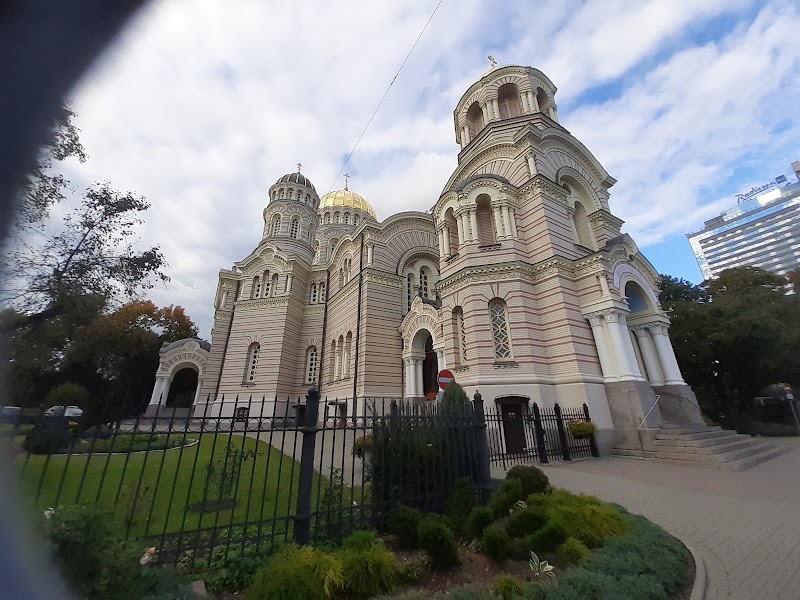
Estonia · Riga
Riga’s UNESCO historic centre rewards unhurried walks
Medieval streets, Art Nouveau architecture and a well-preserved Old Town make central Riga especially rewarding for travellers who enjoy exploring on foot.
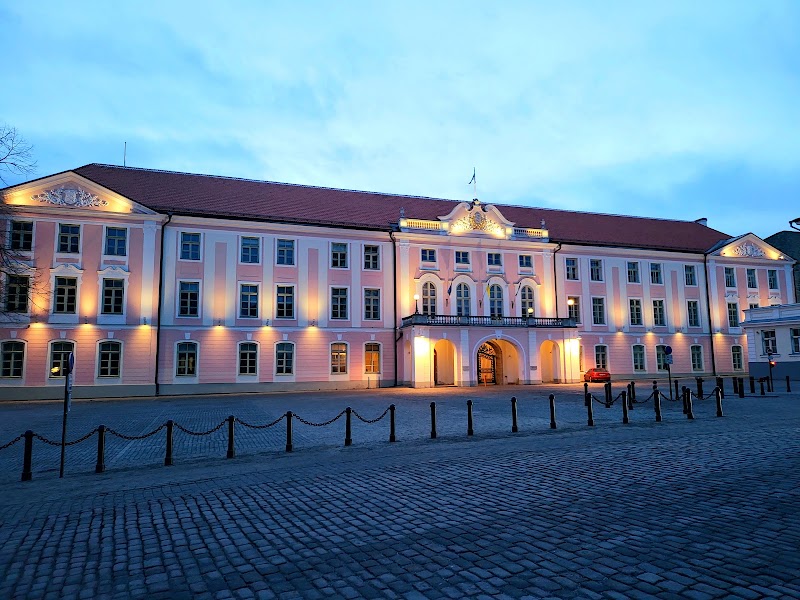
Estonia · Tallinn
Parliament of Estonia: Tours Inside Toompea Castle
Public tours offer a closely managed look at Estonia’s legislature, its distinctive 1920s architecture and chambers within Toompea Castle.
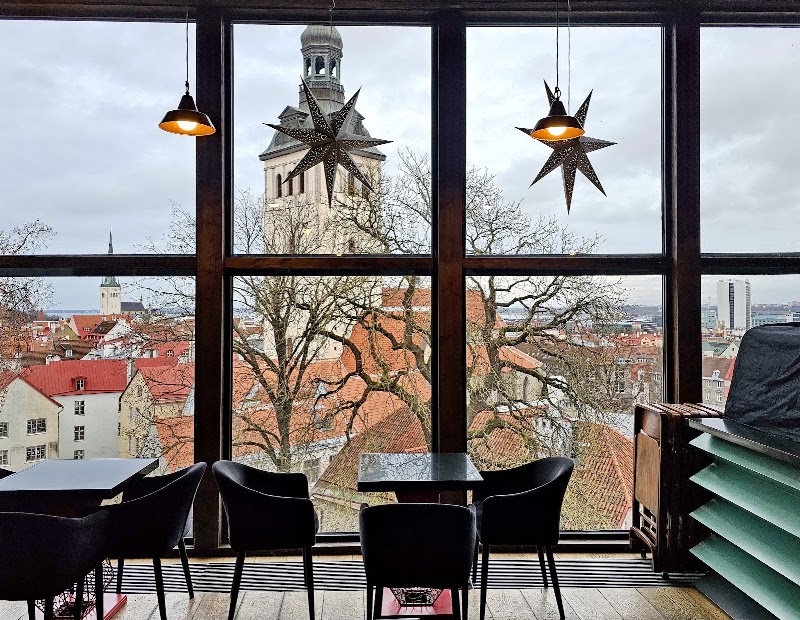
Estonia · Tallinn
Maiden Tower Museum-Cafe: Old Town Views in Tallinn
Tallinn’s Maiden Tower pairs a compact historical visit with thick medieval walls, rooftop views and a simple café praised for its setting.
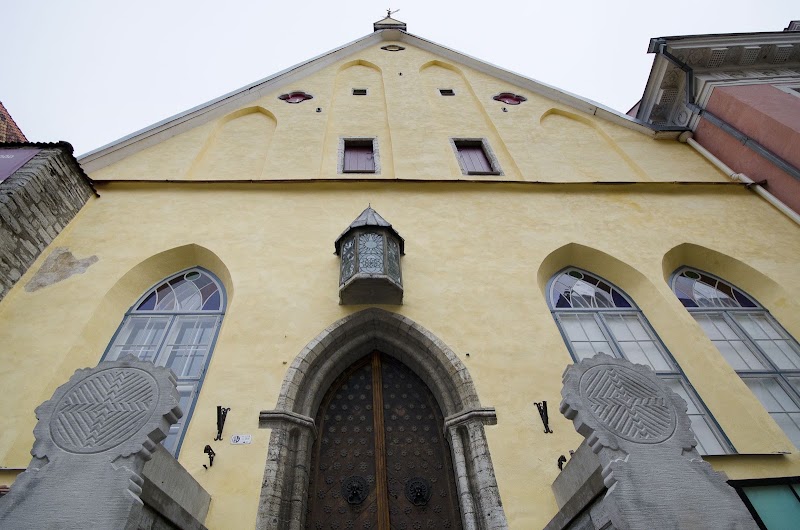
Estonia · Tallinn
Estonian history inside Tallinn’s Great Guild Hall
A broad, accessible introduction to Estonia, with strong Hanseatic displays, historic objects and interactive learning inside a notable old hall.