Plain of Jars Site: Ancient Stones and a Haunting Landscape
Monumental stone jars, rice-field walks and wartime traces make this archaeological landscape one of Xieng Khouang’s most absorbing sights.
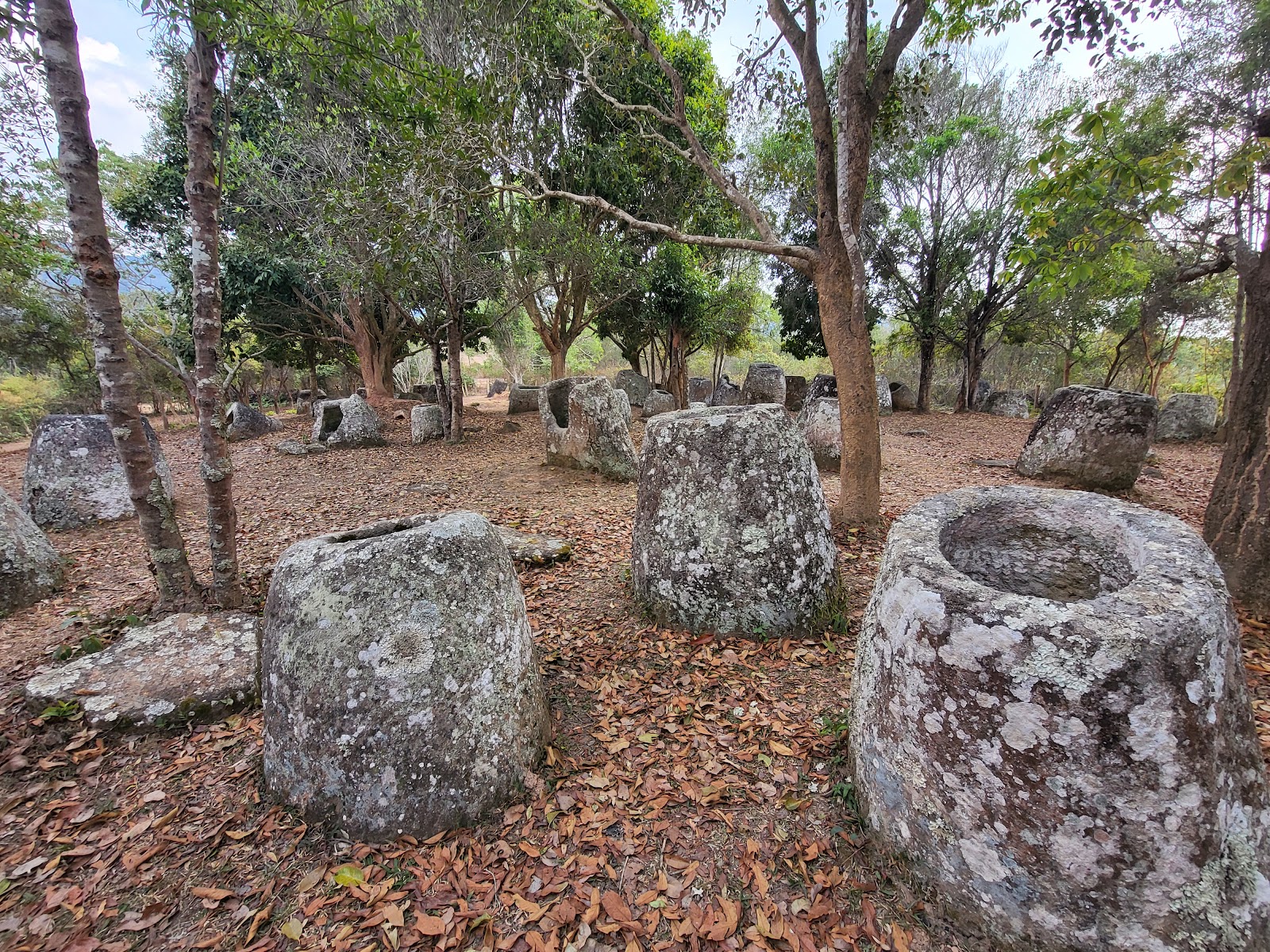
More photos
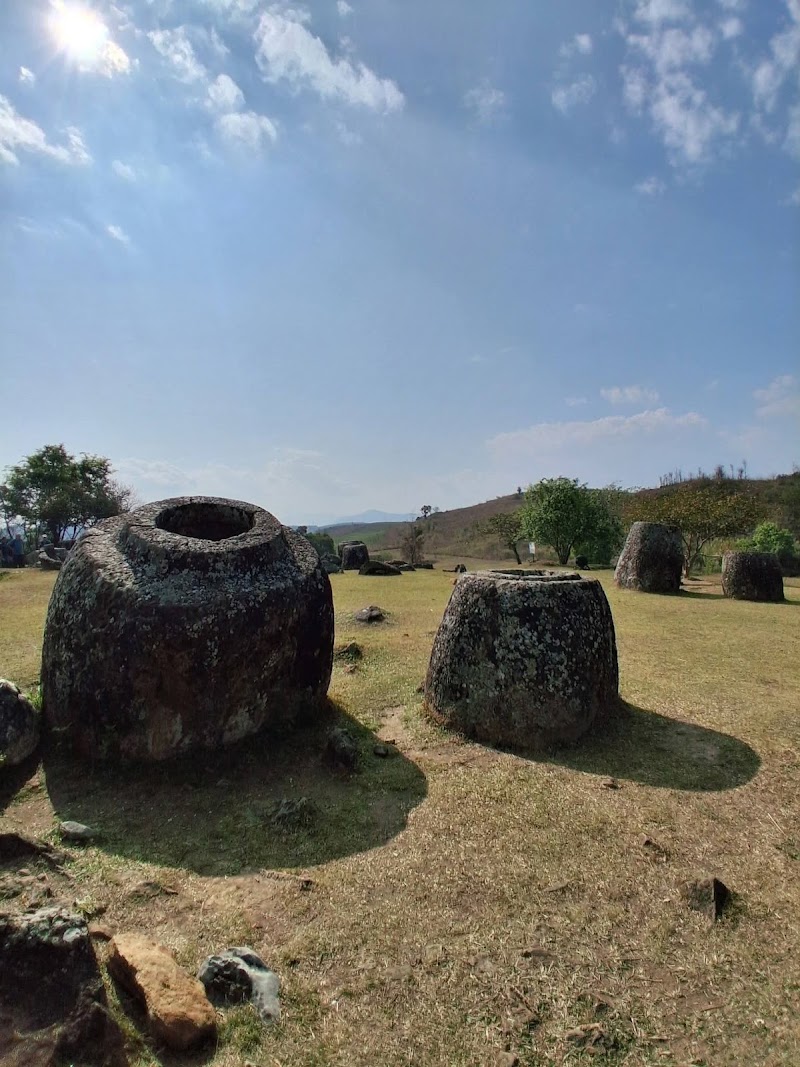
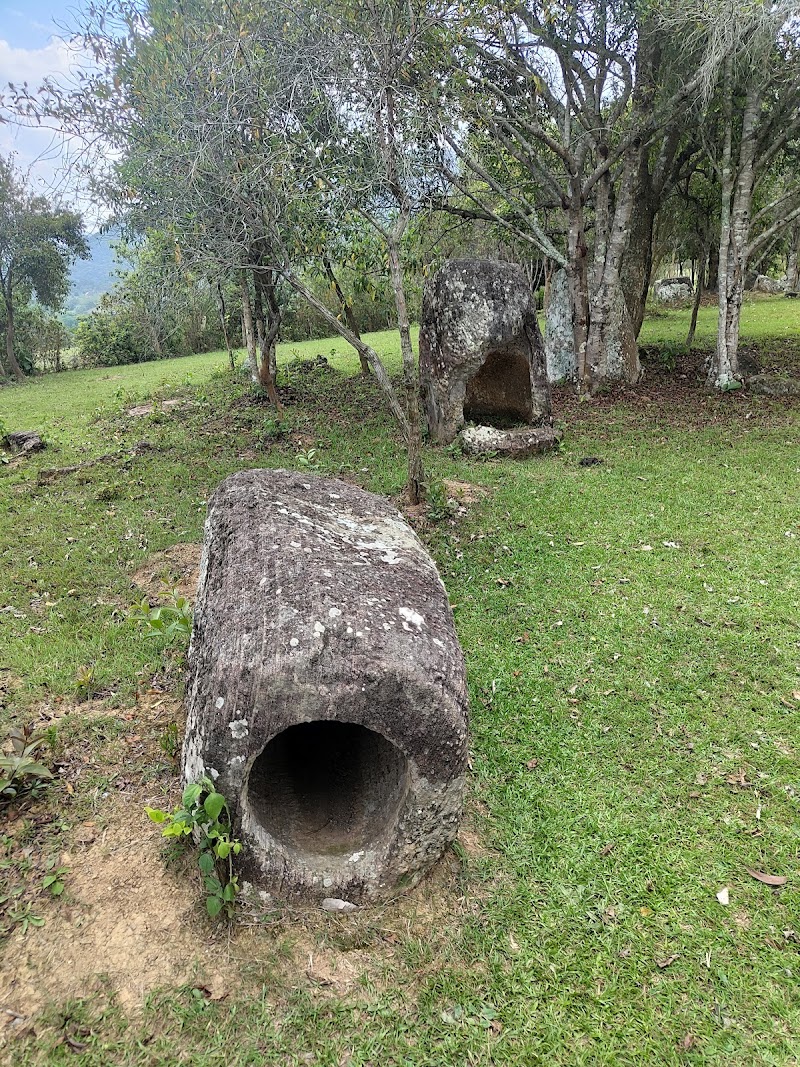

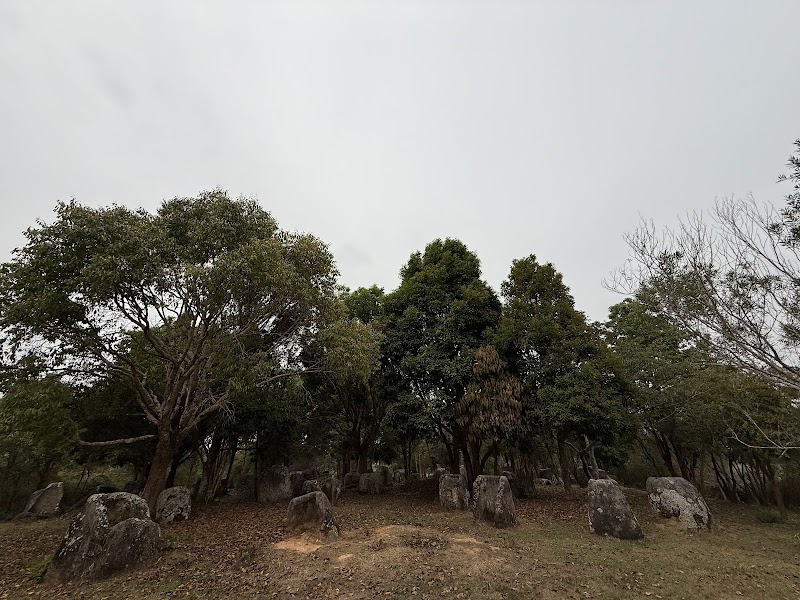

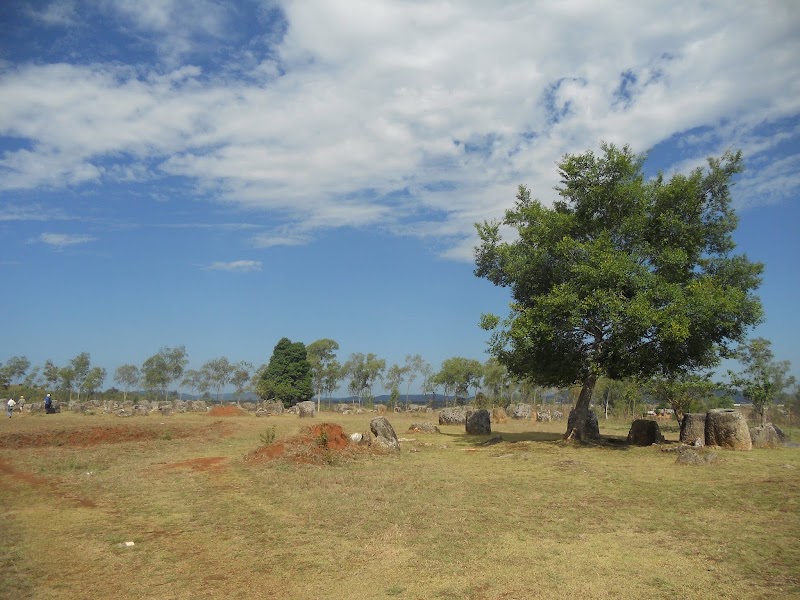
Photos published by travelers on Google, not AI generated.
What stands out
- Ancient stone jars in varied forms and sizes
- Quiet grove at Site 3
- Rice-field scenery
- Origin stories and archaeological theories
- Cave and wartime bomb craters
Worth knowing
- Areas blocked due to undetonated explosives
- Litter reported inside some jars
- Features vary between jar sites
Don't miss
What comes up most in public reviews
- Explore the stone jars
- Walk to the grove at Site 3
- Read the theories about the jars’ origins
Worth the trip?
Why the site stands out
The Plain of Jars leaves visitors with questions. Its huge stones dominate the archaeological landscape, yet their purpose remains uncertain. Across 369 Google reviews, which produce a 4.4 rating, people return to the same impressions: the scale of the site, its atmosphere and the mystery surrounding jars that differ widely in shape and size. The competing theories about what they were used for remain part of the draw.
There is no single viewpoint that defines the visit. Jars lie scattered among fields and groves, so the place works best at walking pace, not as a quick photo stop. Several reviewers say they had seen nothing else like it. Away from the busier stretches, the quiet invites reflection. That feeling comes through most clearly in comments about Site 3, where rural scenery and a grove give the stones an especially evocative setting.
What the visit involves
Site 3 draws particularly warm reviews. Reaching it involves walking through rice fields, an approach that many visitors consider part of the experience. The surrounding landscape receives nearly as much praise as the archaeological remains. One reviewer spent almost an hour there alone and found the grove peaceful, a good place for quiet contemplation. Another felt that a knowledgeable guide added real value by explaining both the jars and the broader history.
Reviews of the Plain of Jars also refer to an extensive field, informational signs, a cave, bomb craters and a visitor centre. These details may vary because the Plain of Jars covers multiple locations. Travellers should check which site a tour or itinerary includes, particularly if Site 3 is the priority.
Context makes a difference here. Looking at the stones is only one part of the visit, according to reviewers. Signs covering their possible origins, construction and use add depth to what is otherwise an enigmatic landscape. The wartime remains tell a separate, much more recent story. It is a sobering one.
Safety and practical considerations
The region’s history of undetonated explosives still has practical consequences. Some areas are blocked because of the risk, reviewers report. Barriers must be taken seriously, and visitors should stay within clearly permitted areas rather than crossing open ground that merely looks accessible.
Walking is a central part of the visit, including the route through rice fields at Site 3, so comfortable footwear makes sense. The available reviews do not point to a reliably better season or time of day. Conditions are best checked locally before departure.
One smaller complaint concerns litter left inside some of the jars. It does not seem to diminish the overall experience for most reviewers, but it jars with the dignity of the setting. Respectful behaviour around the remains matters.
Editorial verdict
The Plain of Jars offers few firm answers, and that is central to its appeal. Ancient stonework sits in open countryside beside unresolved archaeological questions and visible traces of war. Reviews suggest that Site 3 is the strongest choice for those after a quieter visit with more scenery, while signs or a knowledgeable guide help turn scattered remains into a story that makes sense. Travellers drawn to archaeology and difficult historical landscapes should allow time here. A rushed look would miss much of what makes the place compelling.
Ask anything
Looking for somewhere else?
Keep exploring around Xiang Di
More from Laos
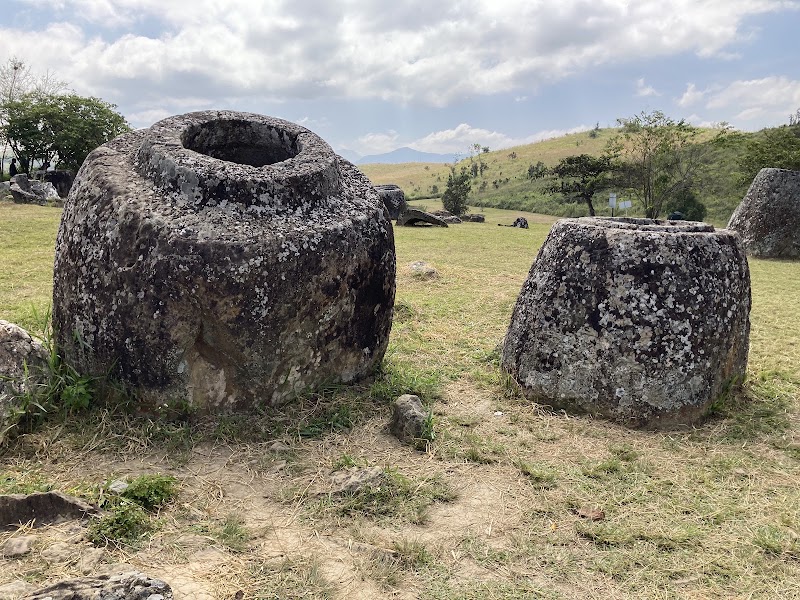
Laos
Plain of Jars: Ancient Stonework and Modern Scars
Laos’s largest and most visited jar site pairs mysterious ancient artefacts with visible reminders of the region’s 1960s conflict.
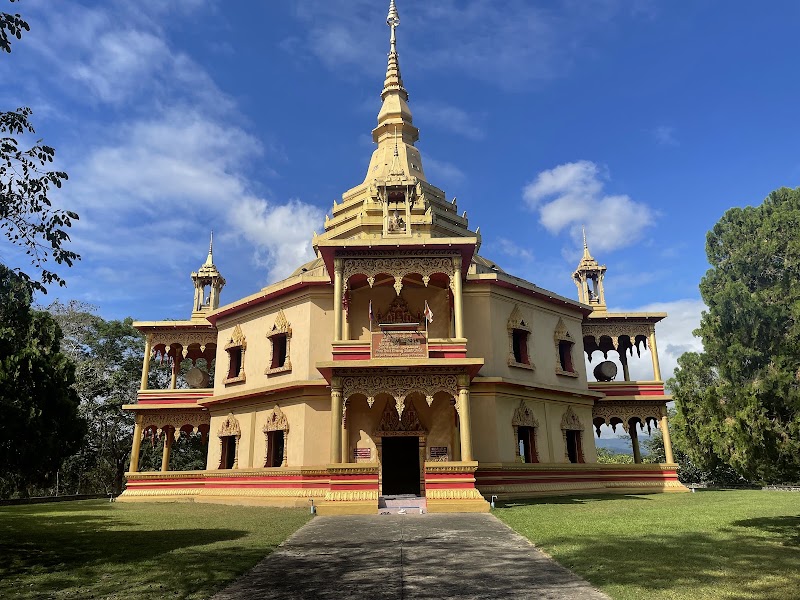
Laos · Luang Prabang
Wat Pa Phon Phao: Five Floors of Murals and Quiet
This distinctive Luang Prabang temple rewards the walk from the centre with layered interiors, affecting murals and balcony views.

Laos · Luang Prabang
MandaLao Elephant Conservation: Forest Walks With Elephants
Public reviews praise MandaLao for welfare-focused elephant encounters, knowledgeable guides and tranquil walks through forest and river landscapes.

Laos · Sang Ha
Ban Xang Hai: a candid Mekong tour stop
Known as Whiskey Village, Ban Xang Hai combines rice-spirit demonstrations, craft stalls and village life on the boat route to Pak Ou Caves.