Plain of Jars: Ancient Stonework and Modern Scars
Laos’s largest and most visited jar site pairs mysterious ancient artefacts with visible reminders of the region’s 1960s conflict.

More photos


Photos published by travelers on Google, not AI generated.
What stands out
- Largest and most visited jar site
- Multiple groups of ancient stone jars
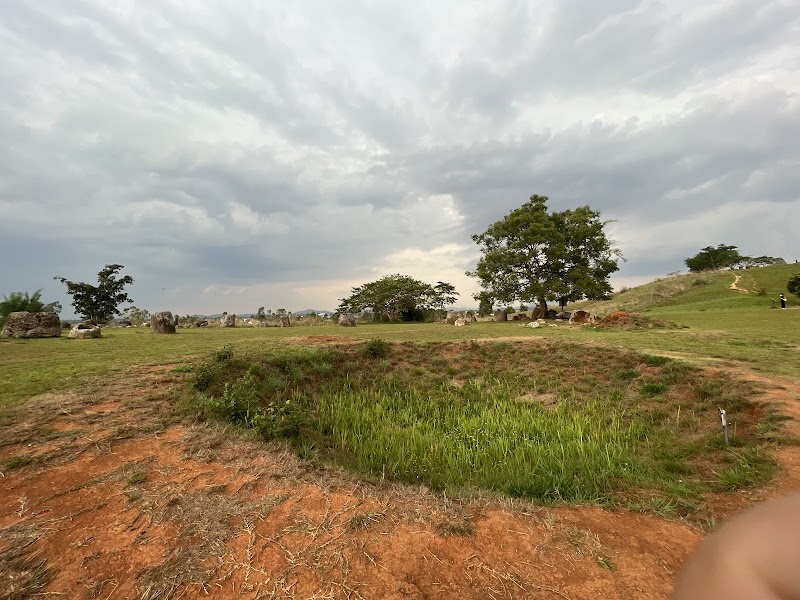
- Ancient remains beside conflict-era traces
- Cave and path over the hill
- Small visitor centre
Worth knowing
- Considerable walking between jar groups
- One review reports neglected conditions
- A quick visit may miss the wider grounds
Don't miss
What comes up most in public reviews
- Walk among the first two jar groups
- Visit the small visitor centre
- See the cave
- Return along the path over the hill
- Ask a guide about the featured jars
Worth the trip?
What the reviews suggest
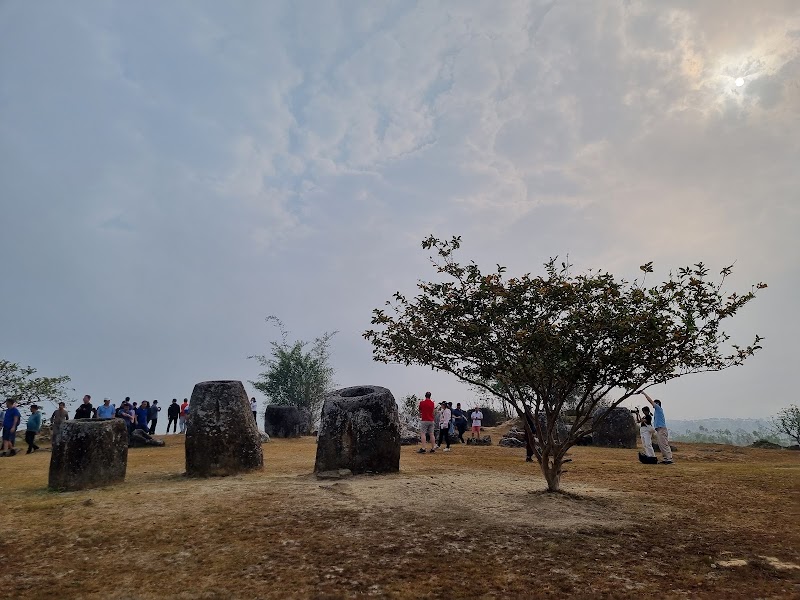
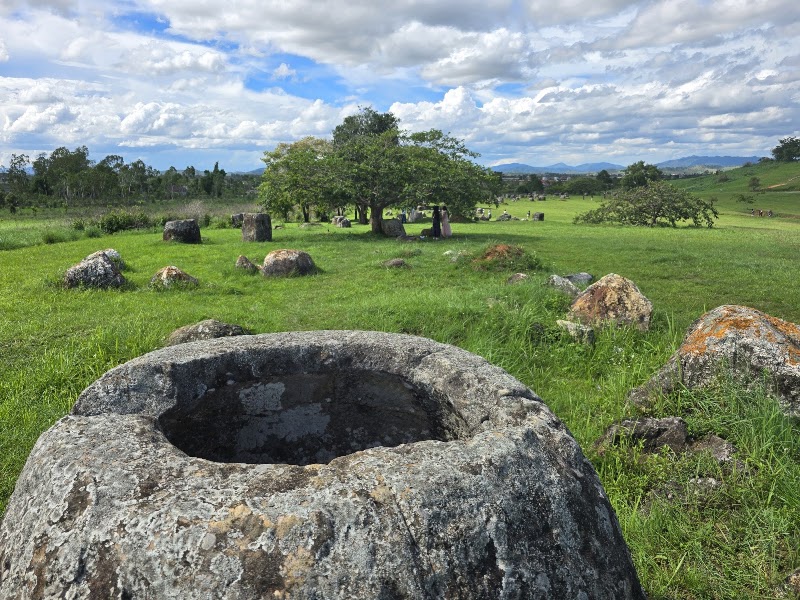
With a Google rating of 4.5 from 218 reviews, the Plain of Jars earns strong support for its scale, historical interest and unusual landscape. Public feedback describes this as the largest and most visited of the jar sites, with several groups of ancient stone vessels spread across open ground. The jars themselves remain the central draw: their age and uncertain purpose give the site a sense of mystery that many visitors find compelling.
Reviews also stress that this is not solely an ancient landscape. Evidence of the region’s 1960s conflict sits alongside artefacts dating back several thousand years. That contrast between remote antiquity and relatively recent destruction gives the visit more weight than a simple archaeological photo stop.
How to explore the site
A small visitor centre provides an introduction before the outdoor portion of the visit. One review mentions a golf buggy transporting visitors to the main site, after which there is substantial walking among the first two groups of jars. Those with more time can continue into other areas of the grounds.
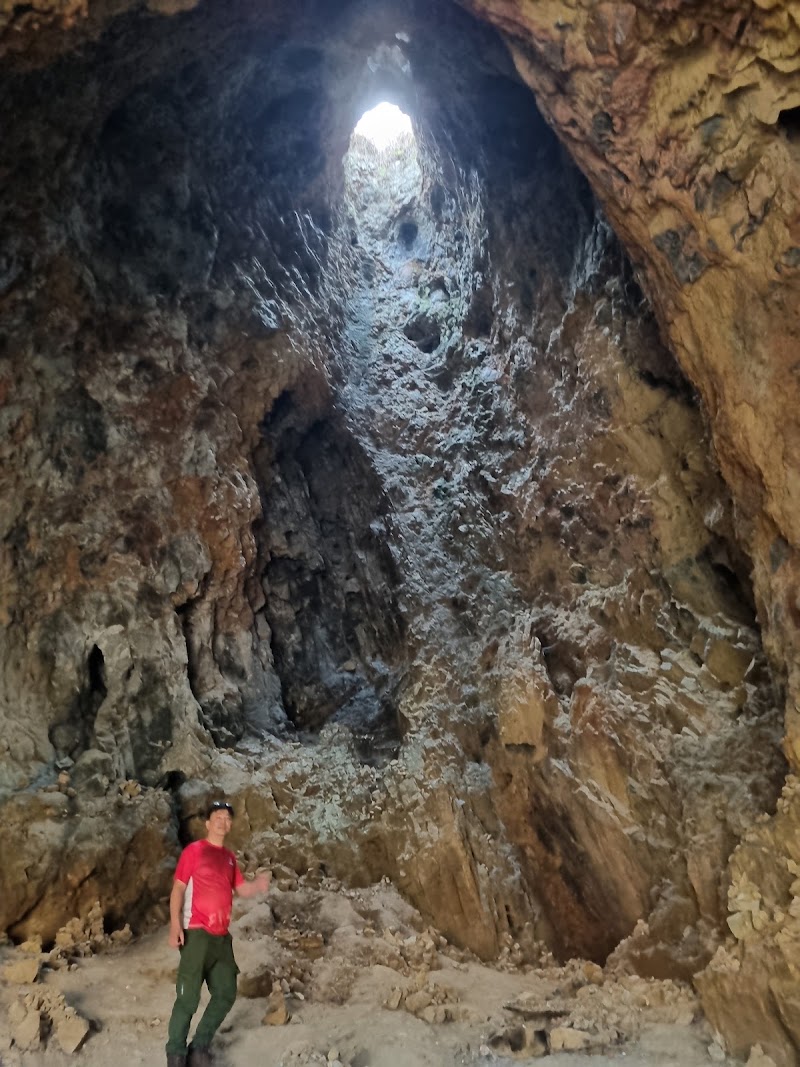
The cave is another specifically mentioned feature. A path over the hill offers an alternative return route and adds a little more exploration beyond the principal jar groups. Reviewers describe the setting as good for photography, although the historic context appears to be just as important as the views.
Several comments indicate that a guide can significantly improve the experience. The jars are still mysterious, and interpretation helps connect featured examples with the wider history of the location. A guide may also make the juxtaposition between the ancient remains and the traces of the conflict easier to understand.
Why it stands out
The strongest recurring theme is scale. This is presented as the largest of the jar sites, making it the logical choice for travellers with time for only one. Visitors can walk directly among clusters of massive stone objects rather than viewing a compact museum display. The combination of outdoor exploration, the visitor centre and the cave gives the attraction more variety than its name might imply.
The emotional tone varies. Some reviewers leave impressed by the mystery and antiquity, while others focus on the human cost associated with the more recent conflict. It can be both visually striking and sobering, particularly when the landscape’s modern scars are considered alongside the jars.
Reservations and verdict
Not every report is positive. One detailed review describes parts of the site as dishevelled, rundown and neglected, arguing that a place of national heritage and wartime significance deserved better care. That concern stands apart from the otherwise enthusiastic feedback, but it is specific enough to note. Visitors should not necessarily expect polished presentation throughout.
Overall, the Plain of Jars appears most rewarding for travellers interested in archaeology, unresolved history and conflict-era landscapes. Its main strengths are the size of the site, the opportunity to walk among multiple jar groups and the layered historical context. Allowing enough time for the visitor centre, cave and hill path should produce a fuller visit than a quick circuit of the most photographed jars.
Ask anything
Looking for somewhere else?
Keep exploring
More from Laos
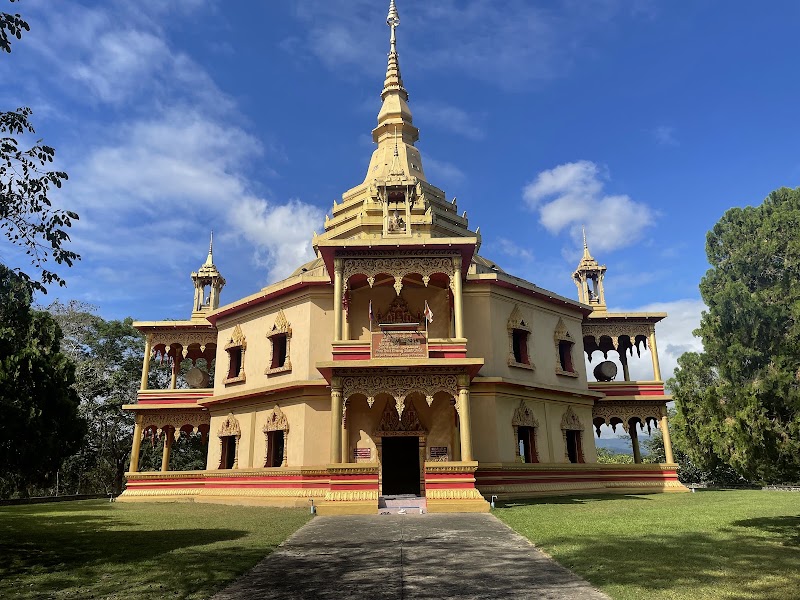
Laos · Luang Prabang
Wat Pa Phon Phao: Five Floors of Murals and Quiet
This distinctive Luang Prabang temple rewards the walk from the centre with layered interiors, affecting murals and balcony views.

Laos · Luang Prabang
MandaLao Elephant Conservation: Forest Walks With Elephants
Public reviews praise MandaLao for welfare-focused elephant encounters, knowledgeable guides and tranquil walks through forest and river landscapes.

Laos · Sang Ha
Ban Xang Hai: a candid Mekong tour stop
Known as Whiskey Village, Ban Xang Hai combines rice-spirit demonstrations, craft stalls and village life on the boat route to Pak Ou Caves.
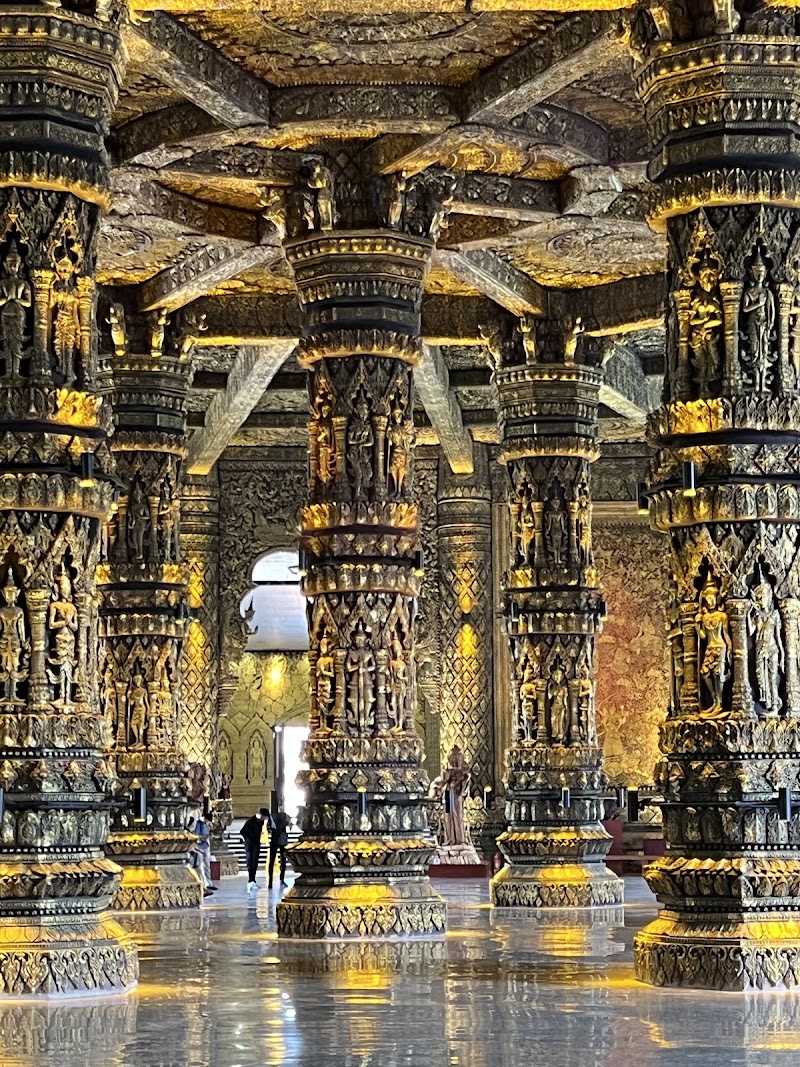
Laos · Vientiane
Lao Art Museum: Monumental art and architecture
Large, serene galleries, striking architecture and intricate wooden works make this museum a compelling cultural stop outside central Vientiane.