Piatra Rosie: A Dacian Fortress Best Read on Foot
Piatra Rosie rewards visitors who come for the mountain setting, the uphill walk and the clues still visible among its largely buried ruins.
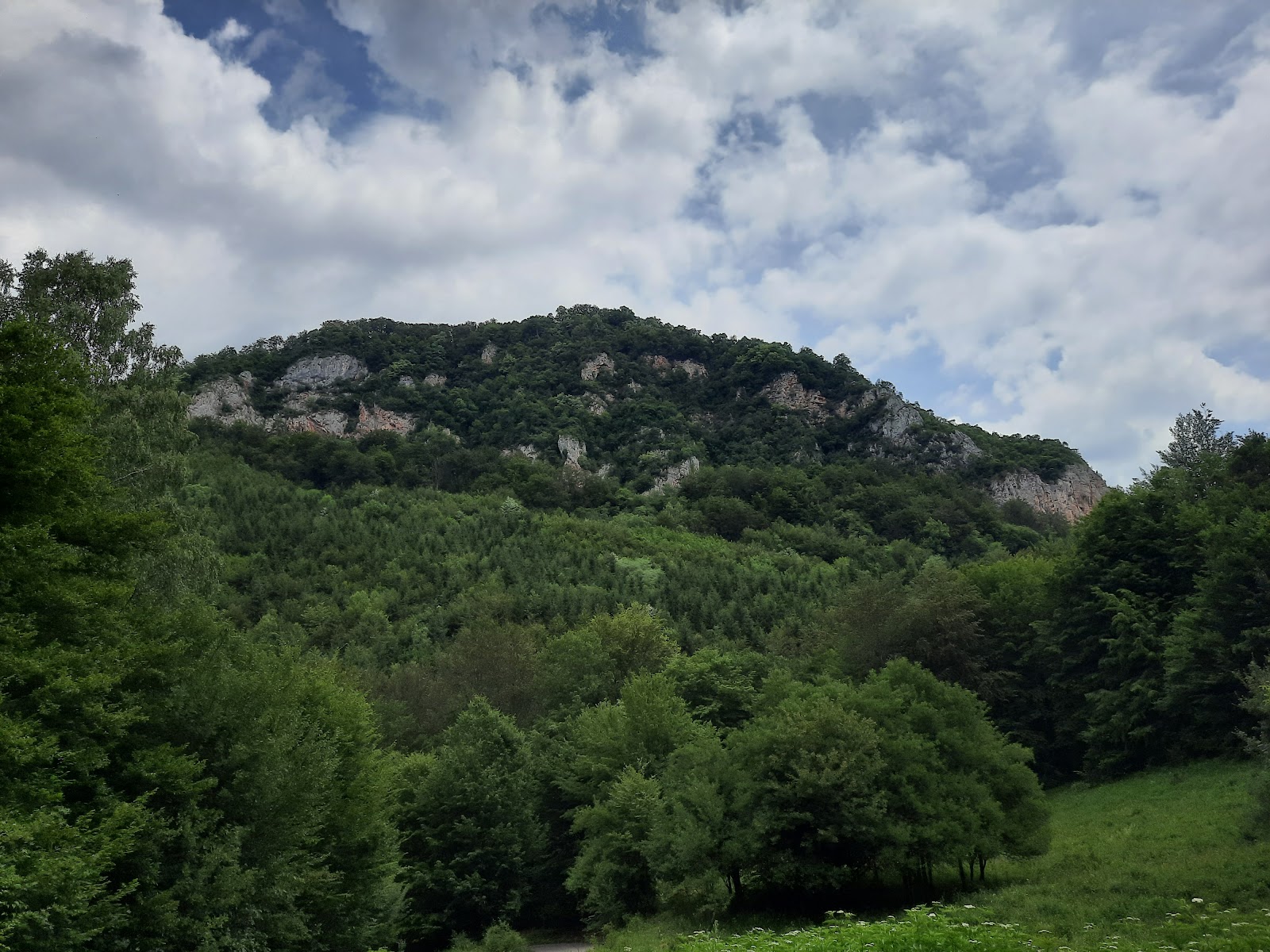
More photos
Photos published by travelers on Google, not AI generated.
What stands out
- Cliff-top views
- Stone-paved approach
- Buried geometric wall patterns
- Dacian fortress setting
- Surrounding natural scenery
Worth knowing
- Much of the fortress remains covered
- Medium-difficulty uphill walk
- Site can be hard to read without preparation
Don't miss
What comes up most in public reviews
- Walk the stone-paved access route
- Look for the buried wall patterns
- See the partial towers and surrounding wall
- Reach the cliff-top viewpoint
Worth the trip?
What the public reviews show
Piatra Rosie is a historical landmark in Romania associated with a Dacian fortress more than 2,000 years old. Google’s public listing gives it a 4.5 rating from 185 reviews. The overall picture is positive, but the appeal depends on expectations. This is not a fully exposed archaeological complex with extensive standing walls. Much of the site remains covered, and several reviewers say only a small number of stones can be seen at first glance.
The strongest response comes from visitors who combine the ruins with the landscape. Reviews repeatedly mention the broad views from the top of the cliff, the surrounding scenery and the sense of reaching a meaningful historical place on foot. It suits travellers who enjoy interpreting a site rather than simply photographing intact structures.
The walk and the approach
A commonly described route begins near Dacica Guesthouse. One public review estimates about one hour uphill and 45 to 50 minutes downhill, with medium difficulty. That reviewer considered the walk manageable for children aged roughly six or seven and older, though fitness, weather and footwear will affect the experience.
The access itself is part of the attraction. A reviewer singled out the stone-paved route to the ruins as exciting, while another described the visit as a worthwhile hike through beautiful surroundings. The ascent should be treated as a proper outdoor outing rather than a quick roadside stop. Visitors will get more from it with sturdy shoes, water and enough time for the return journey.
What is actually visible
The remains can be elusive. One review says that only a few stones are visible and that the site appears covered, while another reports that geometric patterns formed by buried walls can still be identified. This contrast explains the mixed descriptions: the fortress is not immediately legible to an unwitting visitor, but preparation changes the experience.
A newer information board was mentioned near the approach, although another reviewer referred to a rusty board suggesting earlier excavation. The public comments therefore point to uneven interpretation on site. Visitors should look carefully for the buried wall patterns and the partial tower and surrounding-wall remains described in reviews. The stonework and layout may be easier to understand after reading about the fortress before arrival.
Views, timing and expectations
Weather matters. One visitor credited good conditions for especially impressive, unedited photographs. The cliff-top viewpoint is a recurring highlight, and a belvedere or gazebo-like viewing spot on the rock is also mentioned. The scenery can carry the visit even when the archaeology is subtle.
Piatra Rosie is best for history and nature lovers comfortable with a moderate hike and an incomplete ruin. It is less suitable for anyone expecting a large, excavated fortress with obvious masonry throughout. The practical verdict is strong: the landscape, approach and historical setting make the outing worthwhile, while the limited visible remains require patience and some homework.
Plan the rest of the trip
Ask anything
Looking for somewhere else?
Keep exploring
More from Romania
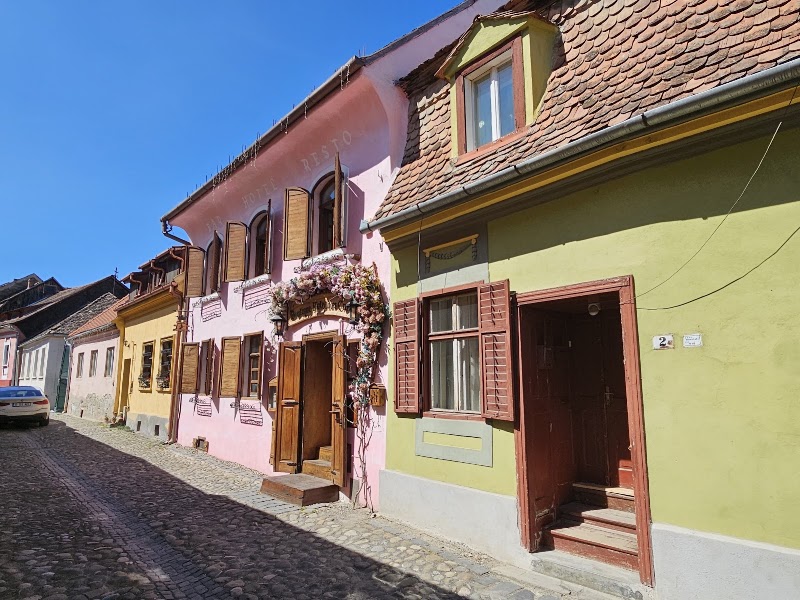
Romania · Sighișoara
Segesvár: A Compact Walk Through Sighișoara’s Old Town
Public reviews describe Segesvár as a lovely, compact historic stop, with the tower singled out as the essential climb.

Romania
Pietrosul Rodnei: A Demanding Hike with Wide Mountain Views
Public reviews praise Pietrosul Rodnei for its memorable scenery, while noting a long route, chilly summit conditions and a dirt-road approach.

Romania · Valea Viilor
Valea Viilor Fortified Church: A Tower Worth Climbing
This UNESCO-listed fortified church rewards visitors who plan around opening hours and make time for its bell tower.
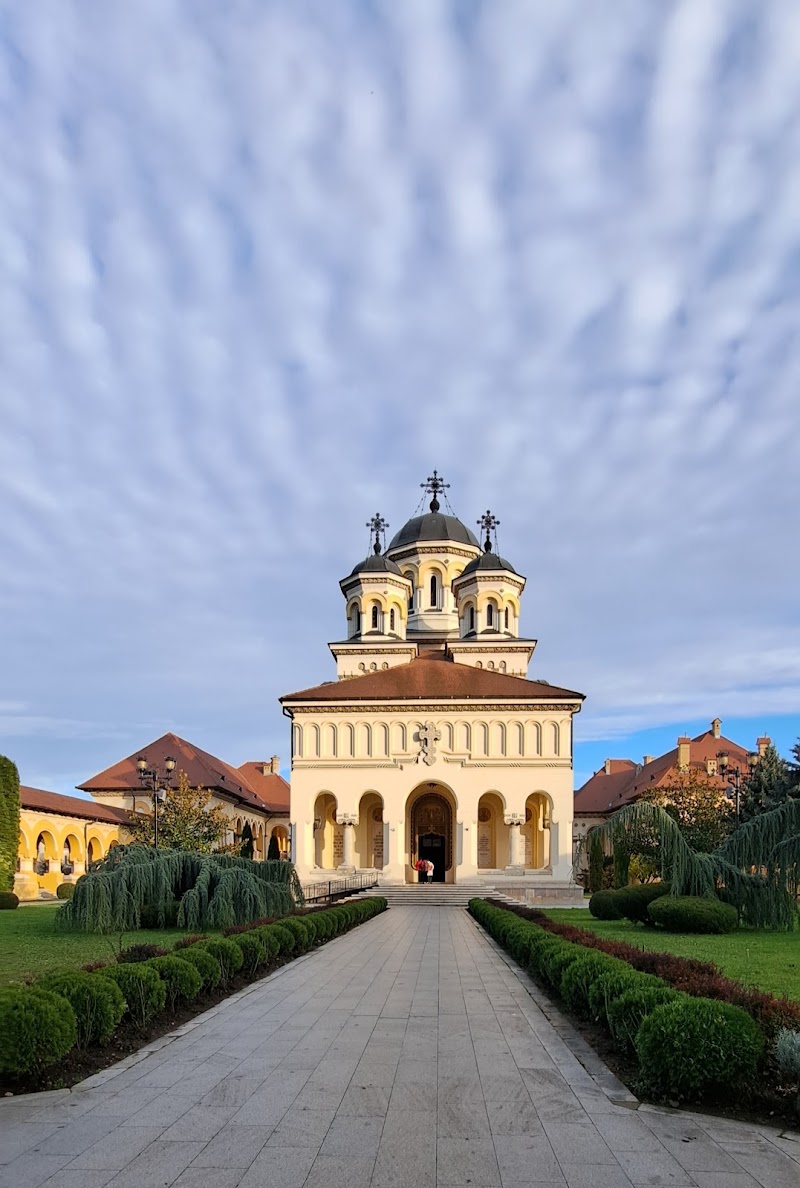
Romania · Alba Iulia
Coronation Cathedral, Alba Iulia’s Place of Royal History
This richly decorated Orthodox cathedral connects Alba Iulia with the 1922 coronation of King Ferdinand I and Queen Marie.