Phewa Lake, Pokhara’s Calm Water and Mountain Views
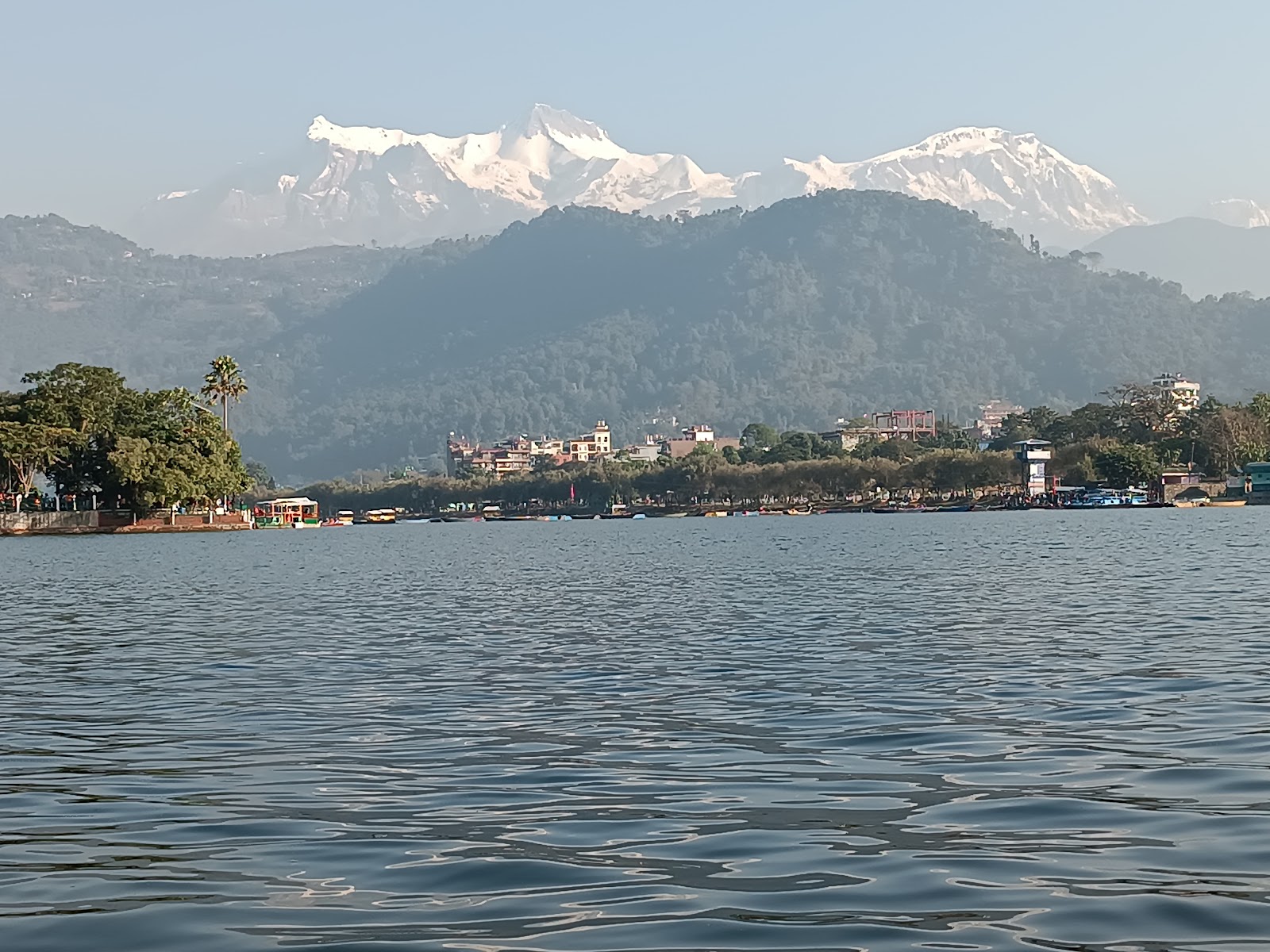
Phewa Lake brings together Himalayan scenery, relaxed boating and lakeside cafés in one of Pokhara’s most popular outdoor stops.
More photos
Photos published by travelers on Google, not AI generated.
What stands out
- Annapurna Range views
- Machhapuchhre reflections
- Colourful wooden boat trips
- Kayaking on calm water
- Lakeside cafés and restaurants
Worth knowing
- Mountain visibility can affect the views
- The experience depends on lake conditions
Don't miss
What comes up most in public reviews
- Rent a colourful wooden boat
- Visit Tal Barahi Temple
- Try kayaking
- Walk the lakeside pathway at sunrise
- Sit at a lakeside café for sunset
Worth the trip?
Why visit Phewa Lake
Phewa Lake is one of Pokhara’s defining attractions, and public reviews give it a Google rating of 4.7 from 3,593 reviews. The consistent appeal is simple: calm water, open views and an easygoing setting close to cafés and restaurants. Travellers describe the lake as peaceful and clean, with the surrounding landscape providing a strong reason to linger rather than make a quick photo stop.
The clearest views are associated with the Annapurna Range and Machhapuchhre, the distinctive mountain often reflected in the lake. Reviewers repeatedly mention the scenery, especially when the water is still. The lake works well for visitors who want time outdoors without committing to a demanding hike.
What to do
Boating is the main activity. Public reviews mention renting the colourful wooden boats, known locally as doongas, for a scenic trip across the water. Kayaking is also frequently recommended. These activities offer a closer look at the lake and its mountain backdrop, while keeping the visit relaxed and flexible.
A recurring point of interest is Tal Barahi Temple, located on a small island in the lake. A boat trip to the temple gives the outing a clear destination and adds a cultural stop to the time on the water. Reviews also refer to enjoying the lake by land, with a pathway suitable for an early morning walk.
When the lake works best
Early morning is a strong choice for walking, when reviewers mention birdsong and a quieter atmosphere. Sunrise and sunset receive the most consistent praise for scenery. The changing light can make the water and mountains feel more striking, while the cafés on the shore provide a place to sit afterward.
Daytime suits visitors who want to focus on boating or kayaking. The lake can also fill several unhurried hours for travellers who prefer to combine a walk, time on the water and a café break. Public reviews do not identify a particular season as best, so the most reliable timing guidance is based on the time of day.
Practical verdict
Phewa Lake suits couples, families and solo travellers looking for a low-pressure outdoor experience in Pokhara. It has enough to do for an active visit, yet the strongest recommendations focus on slowing down and taking in the views. The nearby cafés and restaurants make it easy to extend the stop after boating or a lakeside walk.
The main expectation to set is that the experience depends on the scenery and conditions on the day. Mountain visibility can shape the views, while the lake’s appeal is at its best when the water and surroundings feel calm. Still, the review pattern is unusually consistent: visitors praise the peaceful atmosphere, recommend boating or kayaking, and regard Phewa Lake as a must-visit Pokhara attraction.
Plan the rest of the trip
Ask anything
Looking for somewhere else?
Keep exploring around Pokhara
More from Nepal
Nepal · Ratnanagar
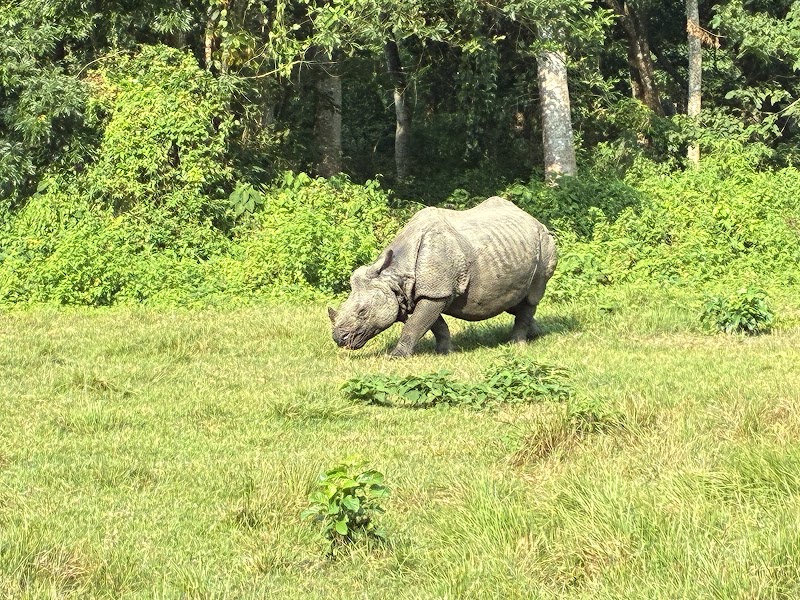
Chitwan National Park: Wildlife Safaris from Sauraha
Public reviews describe Chitwan National Park as a popular base for jeep rides, jungle walks and wildlife watching, with sightings that can vary.
Nepal · Pokhara
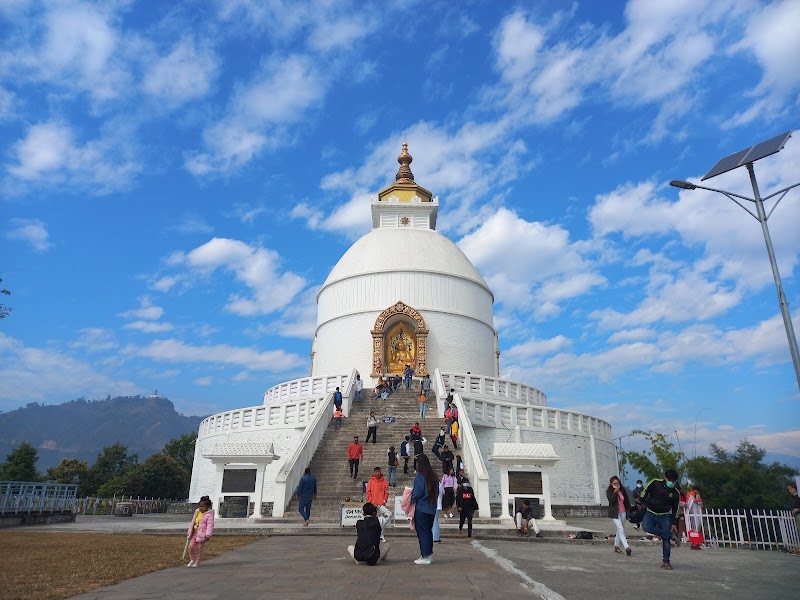
World Peace Pagoda: Pokhara’s Hilltop Viewpoint
A white Buddhist stupa above Phewa Lake, the World Peace Pagoda combines spiritual meaning, a worthwhile uphill walk and broad Himalayan views.
Nepal · Khumjung
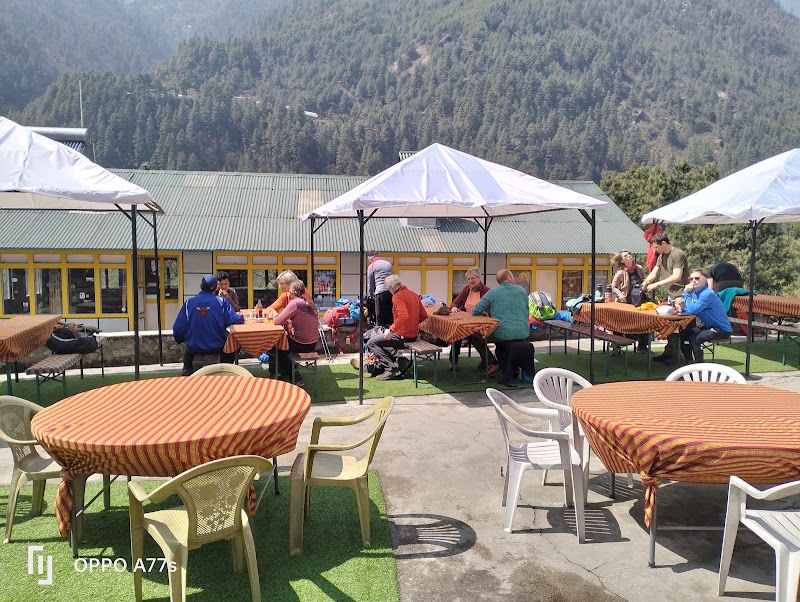
Everest Base Camp: A Demanding Trek with Huge Rewards
Public reviews describe Everest Base Camp as a physically demanding, deeply memorable trek shaped by mountain views, changing weather and strong local support.
Nepal · Khumjung
Everest Base Camp Trek: A Serious Himalayan Challenge
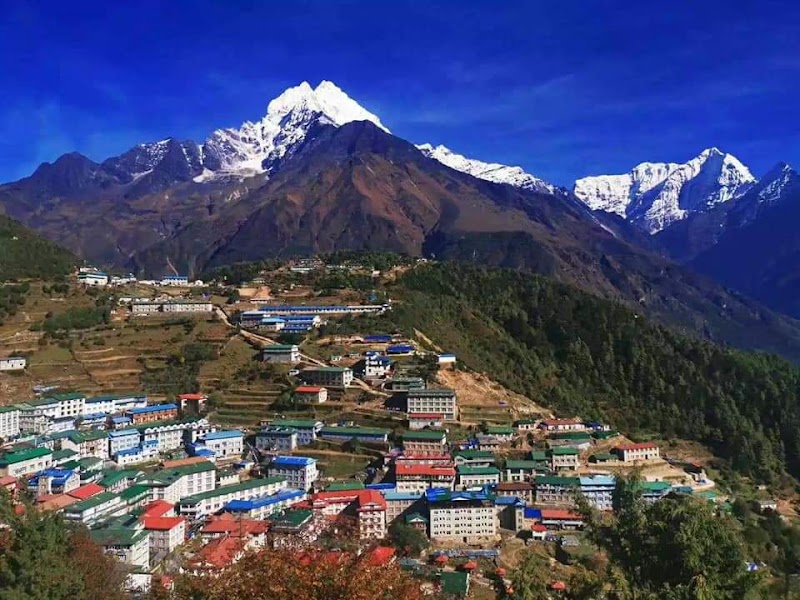
Public reviews describe a demanding, weather-sensitive trek with extraordinary mountain views, basic tea houses and a strong need for careful acclimatisation.