Everest Base Camp Trek: A Serious Himalayan Challenge
Public reviews describe a demanding, weather-sensitive trek with extraordinary mountain views, basic tea houses and a strong need for careful acclimatisation.
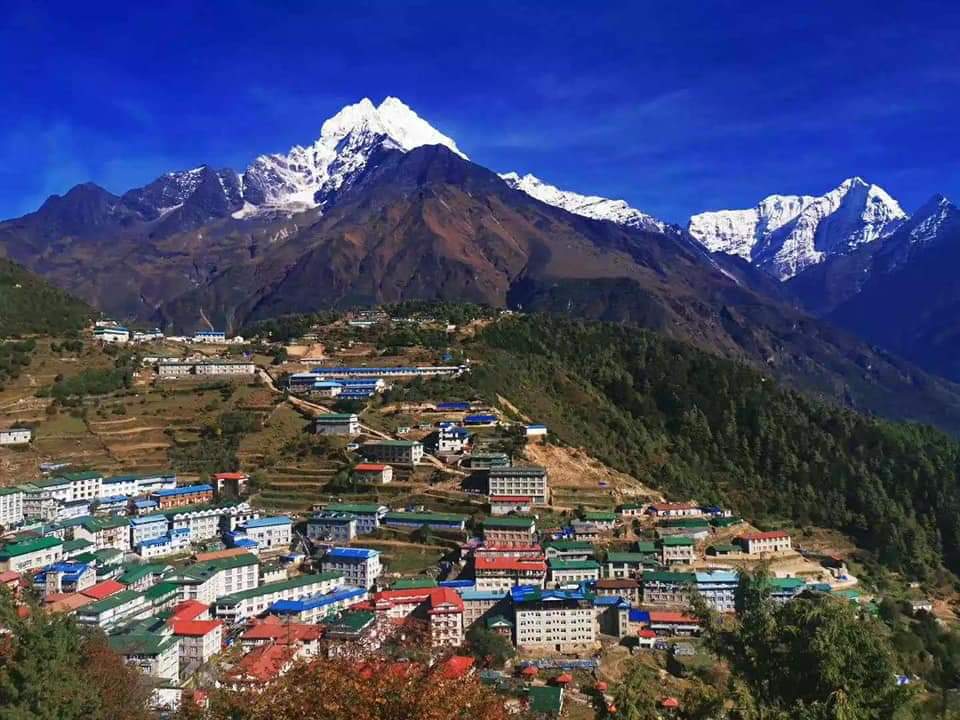
More photos
Photos published by travelers on Google, not AI generated.
What stands out
- Exceptional Himalayan mountain views
- Reaching Everest Base Camp
- Long-distance trekking from Lukla
- Raw high-altitude mountain scenery
- A demanding sense of achievement
Worth knowing
- Lukla flights can be cancelled by bad weather
- Altitude illness can force a retreat
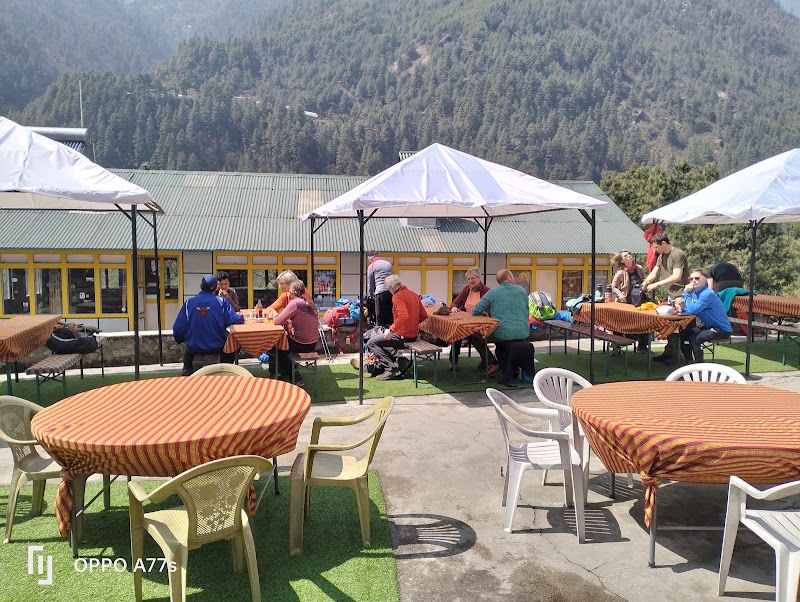
- Tea houses are very basic
Don't miss
What comes up most in public reviews
- Plan around Lukla flight disruption
- Rest at Jorsale
- Take acclimatisation seriously in Dingboche
Worth the trip?
What the reviews show
Everest Base Camp Trek earns a 4.5 rating from 207 Google reviews. The public feedback is strongly positive, but it is not casual praise for an easy walk. Reviewers describe a demanding Himalayan expedition, usually taking about 11 days, with long walking days and major altitude gains.
The rewards are clear. Travellers repeatedly mention immense Himalayan scenery, the raw beauty of the mountains and the feeling of being surrounded by high peaks. Reaching Everest Base Camp is described as a major personal achievement, particularly by people who pushed through difficult conditions or arrived with limited trekking experience.
Difficulty and preparation
The trek is repeatedly called moderately hard. Altitude is the central concern. One reviewer recommends arriving with very good cardio fitness, while another stresses that slow and steady progress matters. The feedback also shows that physical preparation is only part of the challenge. Weather, distance and basic facilities all shape the experience.
One reported itinerary included a 17-kilometre opening day. Another reviewer described a roughly 130-kilometre Lukla-to-Lukla route. These figures give a useful sense of scale, though exact distances depend on the chosen itinerary and transport arrangements.
The reviews do not support treating this as an impulse holiday. A traveller who joined spontaneously still enjoyed the trek, but the account underlines the seriousness of the altitude. Two members of one seven-person group became ill in Dingboche and returned by helicopter. That is a reminder to respect symptoms and follow experienced guidance.
Weather and logistics
Flights are a recurring point of uncertainty. Reviewers report cancellations caused by bad weather, with alternatives involving Phaplu and a long road journey before the trek continues. One itinerary began at Phaplu after flights were cancelled, adding several days of walking before reaching Lukla. Transport plans need room for disruption.
Conditions on the trail can change sharply. Public reviews mention snow, hail and rain, as well as rough road travel. The experience may be thrilling, but it is not predictable. Travellers should confirm contingency plans with their operator and avoid building a tightly fixed schedule around a Lukla flight.
Accommodation and trail etiquette
Tea houses are described as very basic. That matters for anyone expecting comfort after long days at altitude. The reviews also ask visitors to respect local people and recognise how much the region’s residents support the trek’s logistics.
The strongest match is an experienced or well-prepared hiker who accepts discomfort, variable weather and a demanding schedule in exchange for exceptional mountain views. It is a poor fit for travellers seeking a relaxed sightseeing break. The public feedback makes the verdict straightforward: this is a rewarding, serious trek that deserves preparation, patience and respect for the mountain.
Plan the rest of the trip
Ask anything
Looking for somewhere else?
Keep exploring around Khumjung
More from Nepal
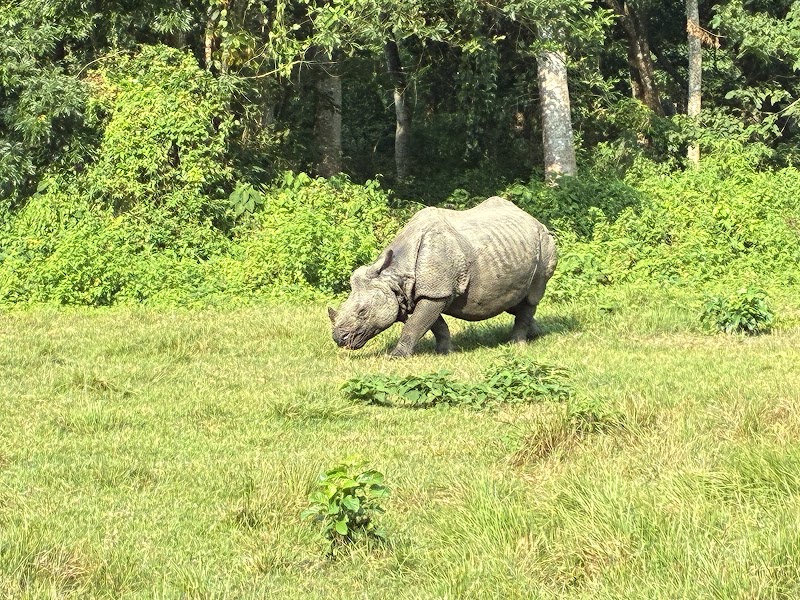
Nepal · Ratnanagar
Chitwan National Park: Wildlife Safaris from Sauraha
Public reviews describe Chitwan National Park as a popular base for jeep rides, jungle walks and wildlife watching, with sightings that can vary.
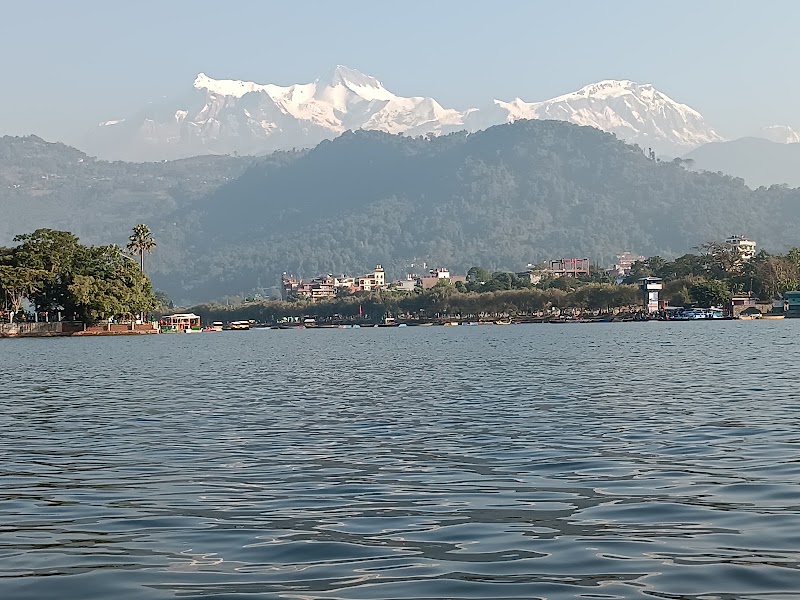
Nepal · Pokhara
Phewa Lake, Pokhara’s Calm Water and Mountain Views
Phewa Lake brings together Himalayan scenery, relaxed boating and lakeside cafés in one of Pokhara’s most popular outdoor stops.
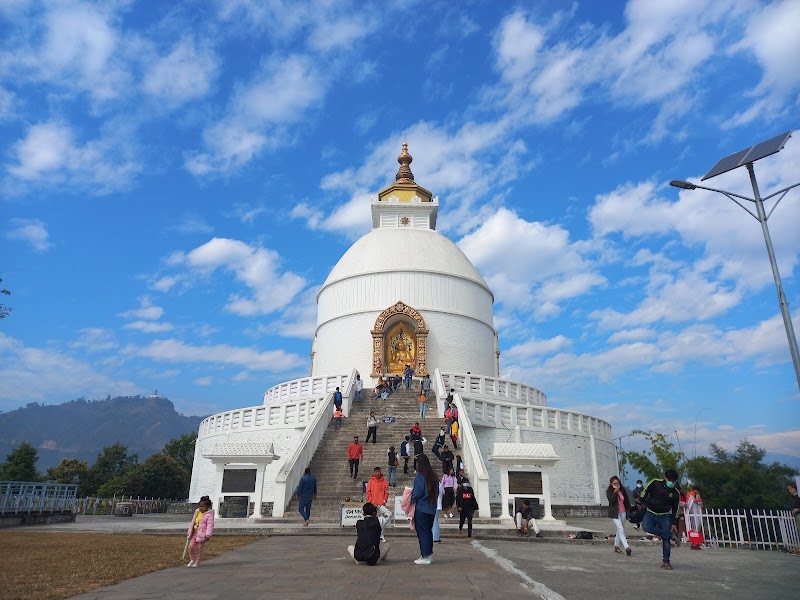
Nepal · Pokhara
World Peace Pagoda: Pokhara’s Hilltop Viewpoint
A white Buddhist stupa above Phewa Lake, the World Peace Pagoda combines spiritual meaning, a worthwhile uphill walk and broad Himalayan views.
Nepal · Khumjung
Everest Base Camp: A Demanding Trek with Huge Rewards
Public reviews describe Everest Base Camp as a physically demanding, deeply memorable trek shaped by mountain views, changing weather and strong local support.