Old Kano City Gate and Wall: A Brief Encounter with History
This historic Kano landmark offers a straightforward look at the city’s old defensive walls, with little on-site interpretation for independent visitors.
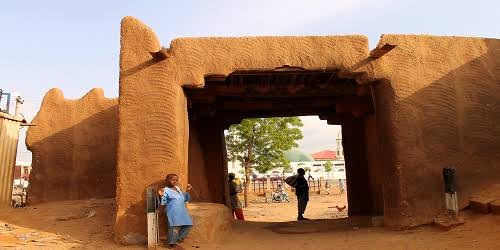
More photos
Photos published by travelers on Google, not AI generated.
What stands out
- Historic mud and soil-built wall remains
- Association with Kano’s 15th-century defences
- Easy-to-locate city landmark
- Zobo and ginger drinks beneath the gate
- Links to Kano’s pre-colonial and colonial history
Worth knowing
- Little or no on-site historical guidance
- Surviving wall sections may be limited
- Read about the site before visiting
Don't miss
What comes up most in public reviews
- Inspect the mud-built wall and gate
- Ask about the old defensive system
- Try zobo or ginger drink beneath the gate
- Pair the visit with a museum tour
Worth the trip?
What the reviews show
Old Kano City Gate and Wall has a Google rating of 4.1 from 412 reviews. Public feedback presents it as an accessible historical stop in Kano, valued for its connection to the city’s pre-colonial and colonial past. Visitors describe the gate and wall as remnants of a much larger defensive system that once encircled the ancient city.
The setting appears easy to reach. One reviewer says the landmark is easy to locate, while another describes the wall as a long structure built from soil, with a large water cavity behind it and an iron gate. The surviving sections are not presented as a fully restored attraction. They are fragments of a historic urban defence system, best understood with some preparation.
Why it matters
Several reviews focus on the age and purpose of the site. Visitors associate the gates and walls with the 15th century, when they were built to protect Kano from external enemies and regulate access to the city. Another review calls the ancient walls a historical monument spanning the pre-colonial and colonial eras.
The material is part of the appeal. The original wall was made from mud or soil, and reviewers note that relics still extend around the gate area. That gives the visit a direct, physical link to Kano’s older history. The landmark is not simply a backdrop for photographs. Its scale, construction and defensive role help explain how the historic city was organised.
Planning the visit
This is a compact stop rather than a full museum experience. A recurring criticism is the lack of a guide or on-site explanation. One visitor says there was nobody available to tell the history, recommending online reading before arrival. That point matters. The gate and wall may be more rewarding for travellers who arrive with context about Kano’s history and the function of its old fortifications.
One review reports that no fee was required, though the available listing does not establish a formal current price policy. Visitors should also expect a simple public setting rather than a heavily managed attraction. The location is described as easy to find, but the condition and extent of the surviving wall may vary around the site.
Nearby refreshment and wider context
A small local detail appears in the reviews: vendors beneath the gate sell zobo and ginger drinks. One visitor found the seller friendly and received help arranging a tricycle for the next destination, despite a language barrier. That makes the area useful as a brief orientation point before continuing through Kano.
The reviews also mention a museum tour as an exciting way to learn more about Kano. The museum is not described as part of the gate and wall listing, but pairing the landmark with a museum visit could supply the historical background missing on site.
Old Kano City Gate and Wall suits travellers interested in visible historic remains, local urban history and short cultural stops. It is not the strongest choice for visitors seeking interpretation, guided storytelling or a polished attraction. The verdict is positive, with expectations set correctly: come prepared, look closely at the surviving structure, and allow time to connect it with the wider history of Kano.
Plan the rest of the trip
Ask anything
Looking for somewhere else?
Keep exploring around Kano
More from Nigeria

Nigeria · Abeokuta
Alake Palace Grounds: Abeokuta’s Royal History in Context
Public reviews describe a culturally rich stop with palace history, artifacts, guided visits and a developing event space in Abeokuta.
Nigeria · Lagos
Iga Idunganran: A Lively Lagos Cultural Stop
Public reviews present Iga Idunganran as a culturally significant Lagos attraction with festival interest, busy surroundings and an uneven visitor experience.
Nigeria · Oke Aba
Owu Waterfall Rewards the Hike with a Dramatic Cascade
Owu Waterfall suits travellers ready for a demanding rural trek, limited wayfinding and a striking natural setting in Kwara State.

Nigeria · Kubwa
Zuma Rock, Abuja’s Striking Roadside Landmark
Zuma Rock is a dramatic natural monolith near Abuja, praised in public reviews for its scale, unusual markings and easy roadside access.