Zuma Rock, Abuja’s Striking Roadside Landmark
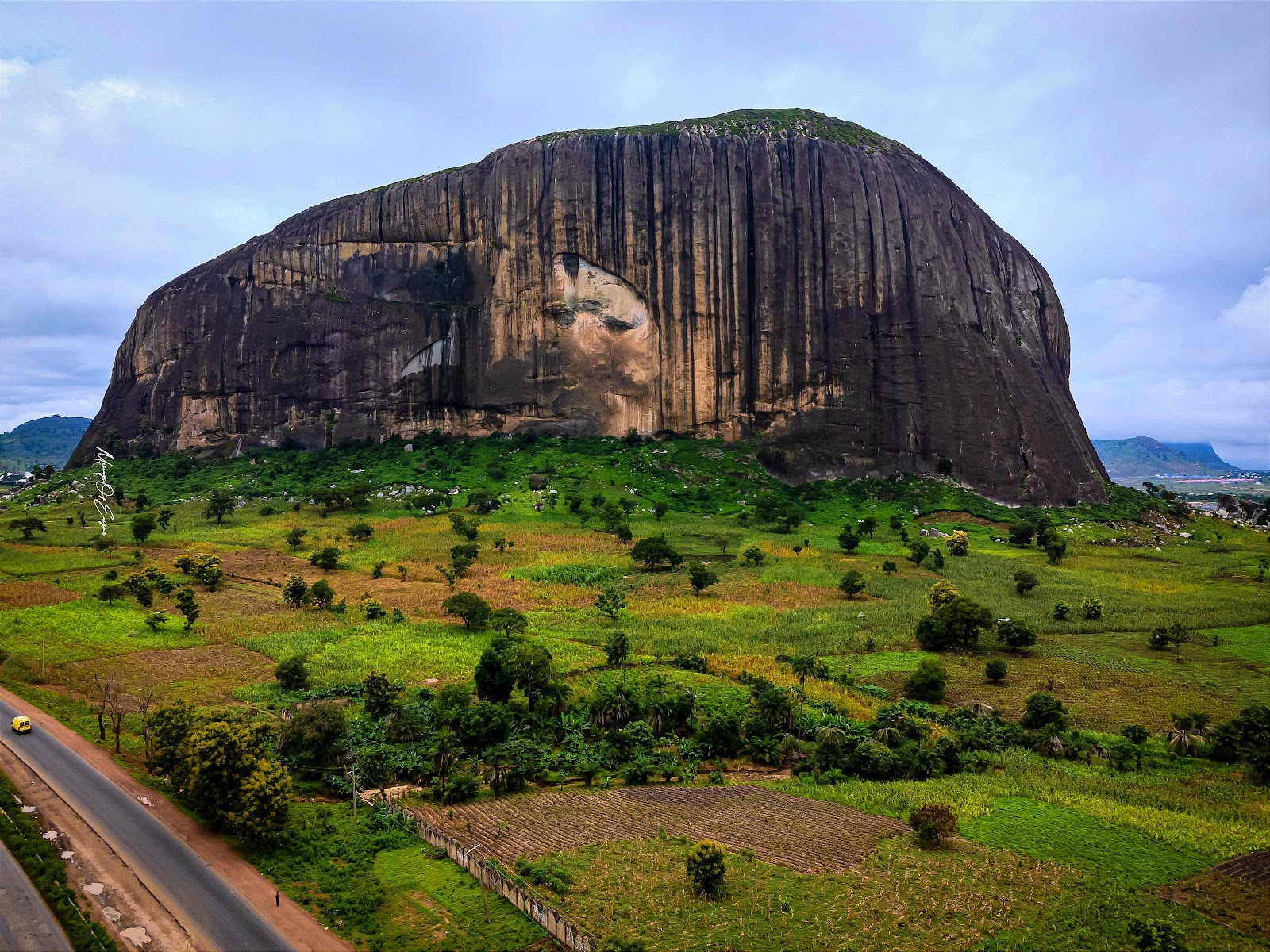
Zuma Rock is a dramatic natural monolith near Abuja, praised in public reviews for its scale, unusual markings and easy roadside access.
More photos
Photos published by travelers on Google, not AI generated.
What stands out
- Dramatic natural monolith
- Face-like markings on the rock
- Roadside access near Abuja
- Stories of mystery and local myth
- Paved highway approach
Worth knowing
- Limited surrounding activities
- Roadside location requires caution
Don't miss
What comes up most in public reviews
- View the face-like rock markings
- Photograph Zuma Rock from the roadside
- Ask about the stories linked to the rock
Worth the trip?
Why visit Zuma Rock
Zuma Rock is one of the most recognisable natural landmarks near Abuja. Public reviews describe it as enormous, imposing and difficult to ignore, with several travellers treating it as an essential stop when visiting Nigeria’s capital. The rock rises beside the highway in the Kubwa area, giving visitors a clear view without requiring a long approach on foot.
Its appeal is primarily visual. Travellers repeatedly mention the monolith’s sheer size and unusual surface formations. One recurring observation is the appearance of a human face on the rock. Another review refers to “360 eyes”, a playful description of markings that seem to change as the rock is viewed from different angles. These details help explain why Zuma Rock attracts both casual sightseers and visitors interested in local stories surrounding the landmark.
What the reviews show
The available Google listing gives Zuma Rock a rating of 4.3 from 473 reviews. The sample comments are strongly positive, using terms such as “stunning”, “awe-inspiring” and “must see”. Reviewers also describe it as a place suited to adventure, though the public feedback provides little detail about organised activities or facilities on site.
Several comments frame Zuma Rock as more than a scenic formation. It is described as a geological landmark and a physical gateway to Abuja. Myth and folklore also form part of the experience, particularly the story connected with the face-like feature in the rock. These are visitor interpretations and local stories, not verified geological explanations, but they add interest to a short stop.
Planning the stop
A public review says the drive from Abuja takes about 30 minutes and describes the approach as a smooth, fully paved highway. That makes Zuma Rock practical for travellers staying in Abuja who want a brief excursion rather than a full-day outing. The rock is visible from the roadside, so the visit may work best as part of a wider drive through the area.
The same review pattern points to a limited visitor experience beyond seeing and photographing the formation. One traveller notes that there is not much to do in the surrounding area. The rock’s position beside the road also calls for care. Visitors should remain alert around passing traffic and avoid treating the roadside viewpoint as a relaxed pedestrian area.
Who will enjoy it
Zuma Rock suits first-time visitors to Abuja, landscape photographers and travellers interested in prominent natural landmarks. It is especially useful for a short sightseeing stop, with the main reward coming from the scale of the rock and the distinctive face-like markings reported by visitors.
Travellers expecting extensive facilities, a developed attraction complex or a long menu of activities may find the experience limited. The available evidence supports visiting for the view, the photographs and the stories attached to the formation. It does not support planning an entire day around the site.
Public ratings and reviews point to a memorable Abuja-area landmark with a strong visual identity. The roadside setting requires caution, but the easy access and striking appearance make Zuma Rock a worthwhile addition to a Nigeria itinerary.
Plan the rest of the trip
Ask anything
Looking for somewhere else?
Keep exploring around Kubwa
More from Nigeria
Nigeria · Mainamaji
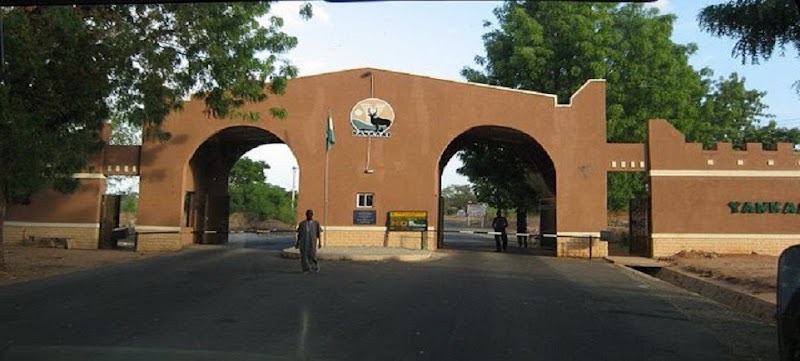
Yankari Game Reserve: Wildlife, Springs and Rough Edges
Yankari Game Reserve offers safari rides, a warm spring, caves and forest scenery, though public reviews flag unreliable services and uneven accommodation.
Nigeria · Lagos
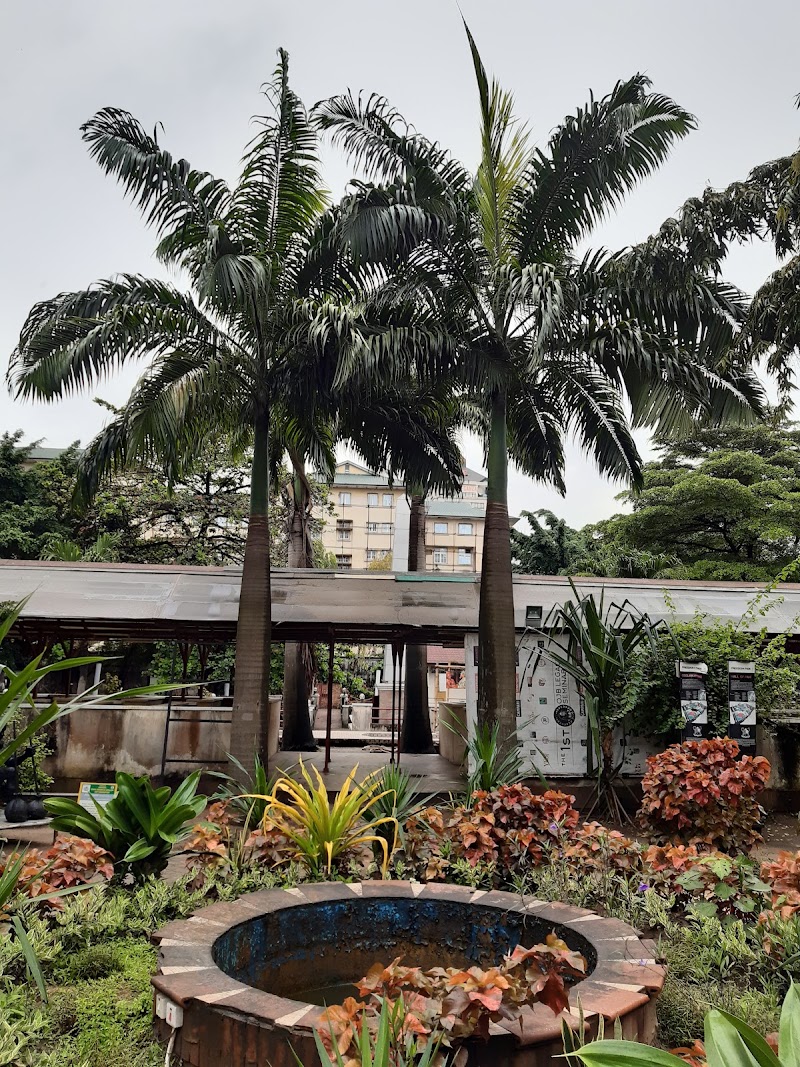
Freedom Park Lagos: History, Art and Live Culture
A former colonial prison site now serves as a cultural park with historical displays, greenery, performances and spaces for recreation.

Nigeria · Lagos
Tinubu Square: A Busy Lagos Island Landmark
Tinubu Square is a compact public park with statues, seating and a central location, though traffic, touts and inconsistent fountain upkeep shape the visit.
Nigeria · Lekki
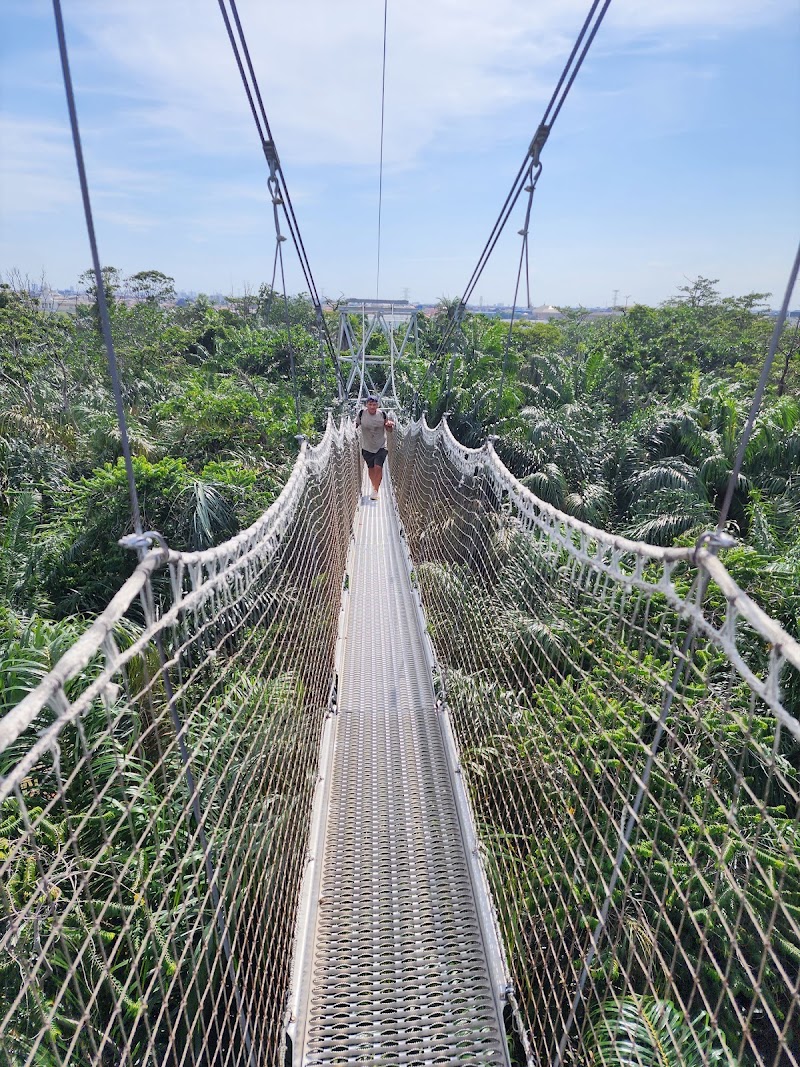
Lekki Conservation Centre: Forest Trails and a Canopy Walk
This well-reviewed Lagos nature reserve offers a quick break from city traffic, with forest paths, monkeys, boardwalks and a suspended canopy trail.