Oeam Folk Village: Traditional Houses and Quiet Lanes
Public reviews praise this Asan folk village for its calm setting, traditional architecture, bilingual signs and hands-on cultural activities.
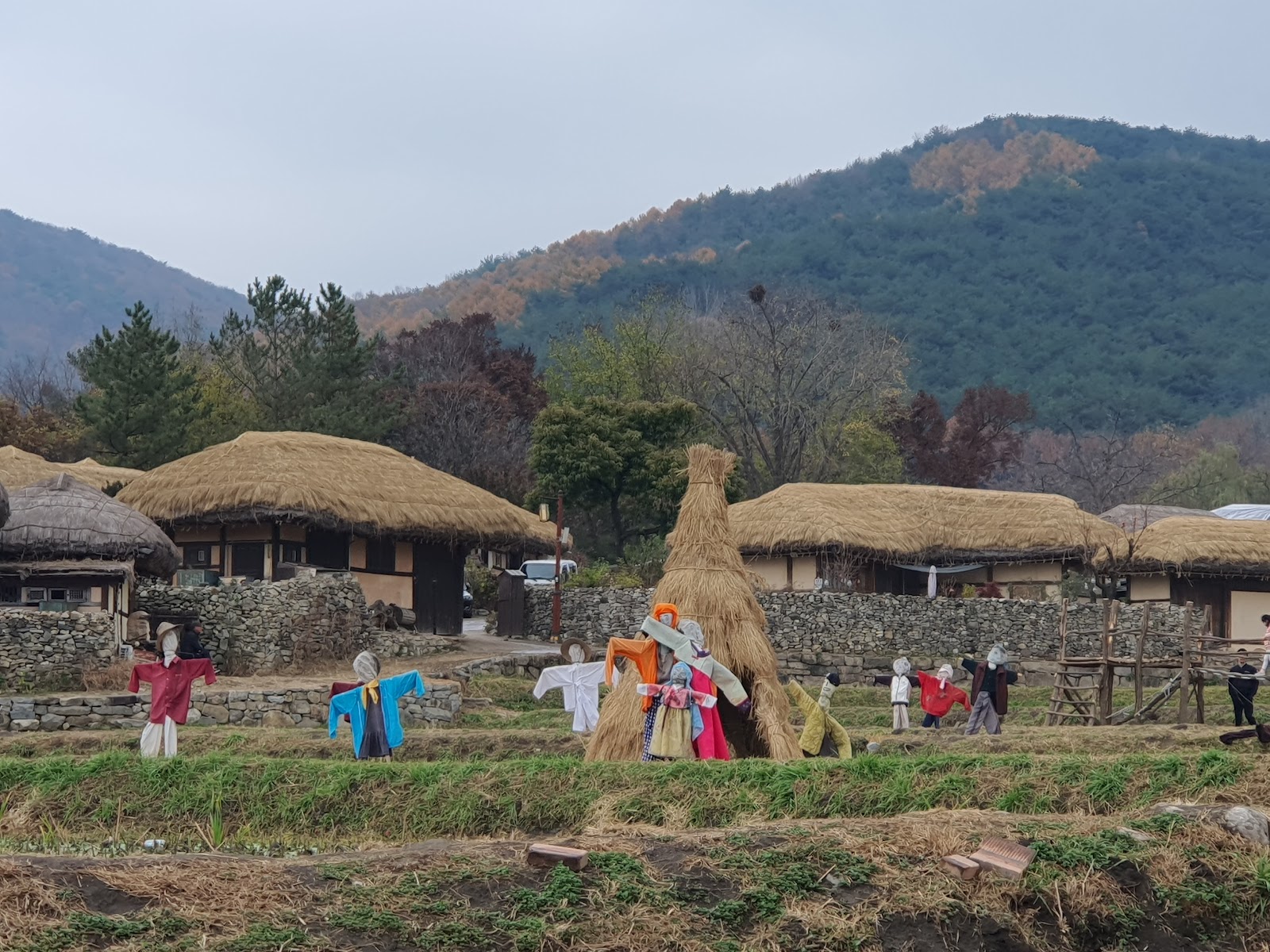
More photos
Photos published by travelers on Google, not AI generated.
What stands out
- Traditional Korean houses
- Quiet, clean village lanes
- Scenic walking environment
- Bilingual Korean and English signs
- Hands-on cultural activities
Worth knowing
- Local buses may run at limited set times
- Workshop availability should be confirmed
Don't miss
What comes up most in public reviews
- Walk among the old Korean houses
- Read the bilingual information signs
- Ask about the traditional tea ceremony
- Check for chilli-paste and lotus-wine lessons
Worth the trip?
What the reviews suggest
Oeam Folk Village earns a Google rating of 4.2 from 4331 reviews, with public feedback consistently focusing on atmosphere rather than spectacle. Travellers describe a quiet, clean and scenic place where traditional Korean houses and village lanes reward unhurried exploration. It appears particularly appealing to visitors interested in historical settlements, vernacular architecture and a gentler alternative to busier urban hanok districts.
Several reviewers visited while already travelling through Asan, suggesting that the village works well as a half-day addition to a wider regional itinerary. The setting is repeatedly described as calm, and walking is central to the experience. Rather than rushing between major landmarks, visitors tend to admire old houses, surrounding scenery and the details of the preserved village environment.
Cultural experiences and interpretation
Hands-on activities provide some of the most memorable experiences mentioned in the sample reviews. These include a traditional Korean tea ceremony, a chilli-paste-making lesson and an introduction to making lotus wine. One organised visit also included a home-cooked lunch and translation by a guide. Availability is not confirmed across all dates, so these activities are better treated as options to ask about in advance rather than guaranteed parts of admission.
English-language accessibility receives specific praise. One reviewer noted a dedicated English ticket booth, while informational signs were reported in both English and Korean. That makes the village more approachable for international travellers who want historical context without relying entirely on a guide. Guided arrangements may still be useful for workshops or conversations with local residents, especially where translation is required.
Planning the visit
Admission was described by one traveller as notably budget friendly, though current pricing should be checked directly. The more important planning issue is transport. A reviewer reported that local buses connect the village with Asan but run only at set times, with limited flexibility after a missed departure. Visitors relying on public transport should confirm the latest timetable and plan their return journey before setting out.
Comfortable walking shoes are sensible because exploring the lanes and viewing the houses form the core of the visit. One late-April visitor reported pleasant walking weather, making spring a promising time, although conditions will vary. Allowing half a day should leave enough time for a relaxed circuit and, if scheduled, a cultural activity.
Editorial verdict
Synthesised public feedback presents Oeam Folk Village as a worthwhile stop for travellers who value traditional architecture, peaceful surroundings and practical English interpretation. Its appeal lies in texture and pace: clean lanes, old Korean homes, rural scenery and occasional participatory experiences. It may feel too quiet for those seeking a packed attraction schedule, but that calm character is precisely what many reviewers appreciate. Transport planning is the main complication, particularly for independent visitors using local buses.
Plan the rest of the trip
Ask anything
Looking for somewhere else?
Keep exploring around Asan-si
More from South Korea
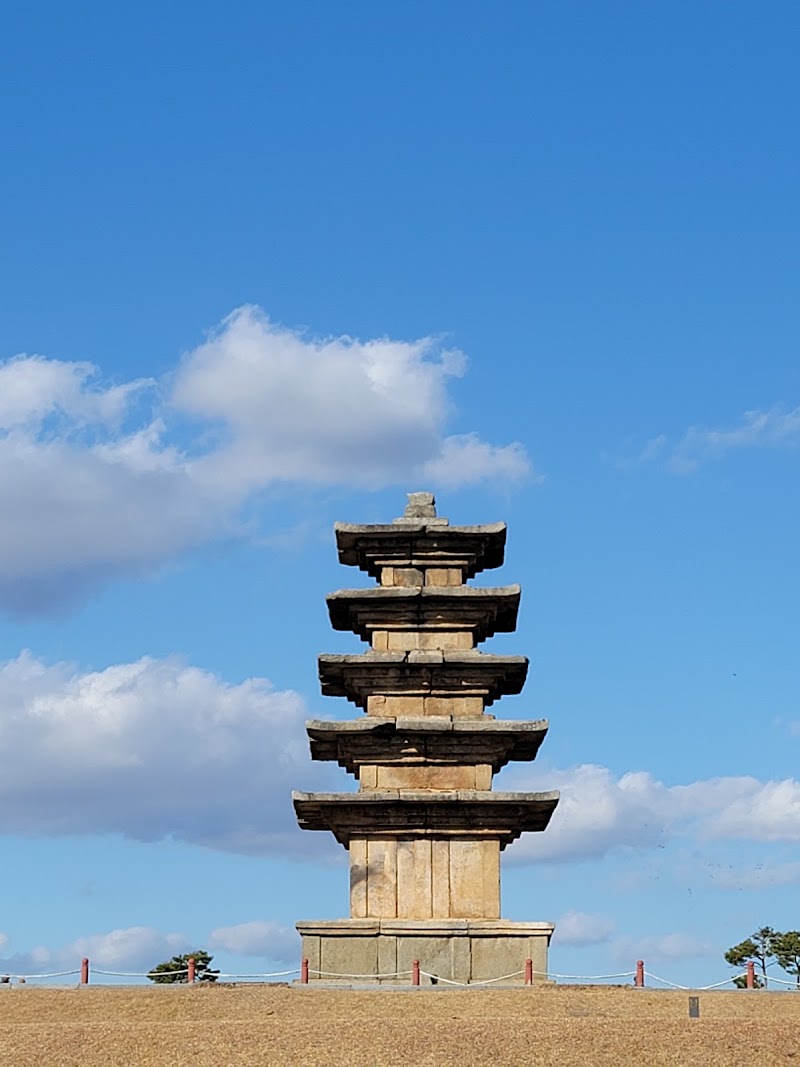
South Korea · Iksan
Wanggung-ri’s Pagoda and Spacious Historic Grounds
A well-rated Iksan landmark where an old stone pagoda, open grounds and relaxed walks shape the visitor experience.
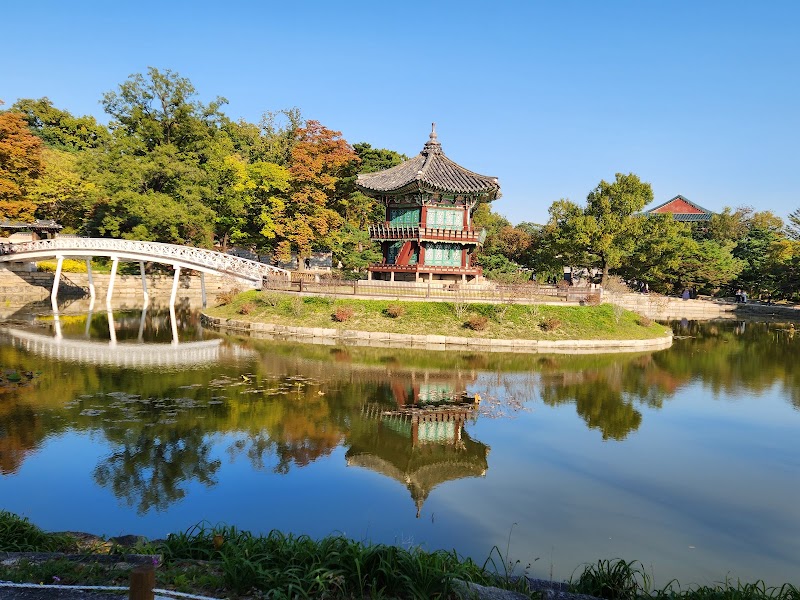
South Korea · 율곡로
Changdeokgung Secret Garden: serene palace landscapes
Timed access and guided interpretation reward advance planning at this tranquil historic garden within Changdeokgung Palace.
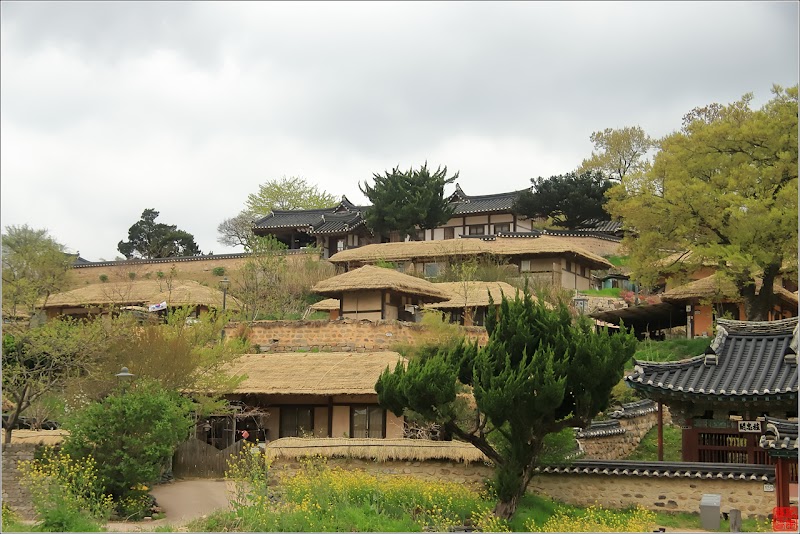
South Korea · Gyeongju
Yangdong Folk Village: A Living Slice of Historic Gyeongju
Traditional houses, mountain scenery and a lived-in atmosphere reward travellers prepared for uphill walking and a journey beyond central Gyeongju.
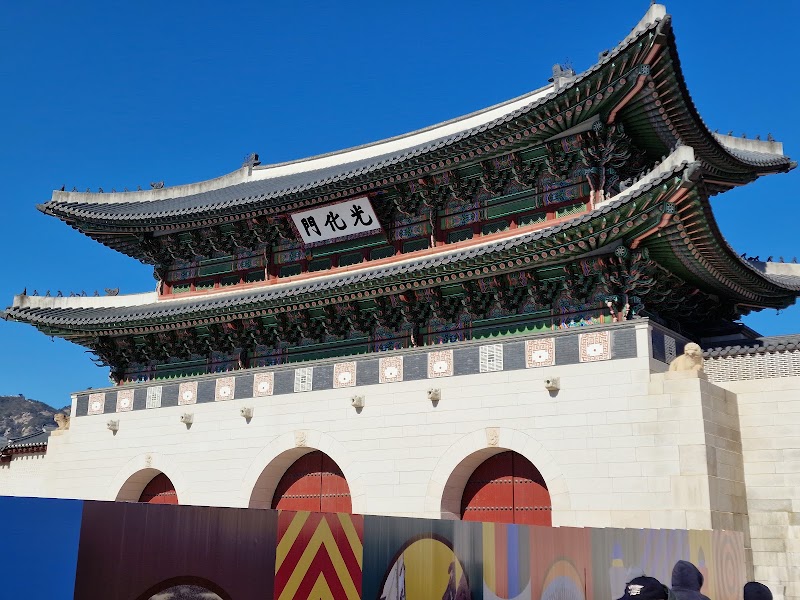
South Korea · Sajik-ro
Gwanghwamun Gate: Seoul’s Grand Historic Threshold
Monumental architecture, a mountain backdrop and the Royal Guard ceremony make this an impressive introduction to historic Seoul.