Nine Storey Palace: History Amid Ongoing Restoration
Rich architectural detail makes this Kathmandu landmark compelling, though restoration and uncertain interior access can limit the experience.
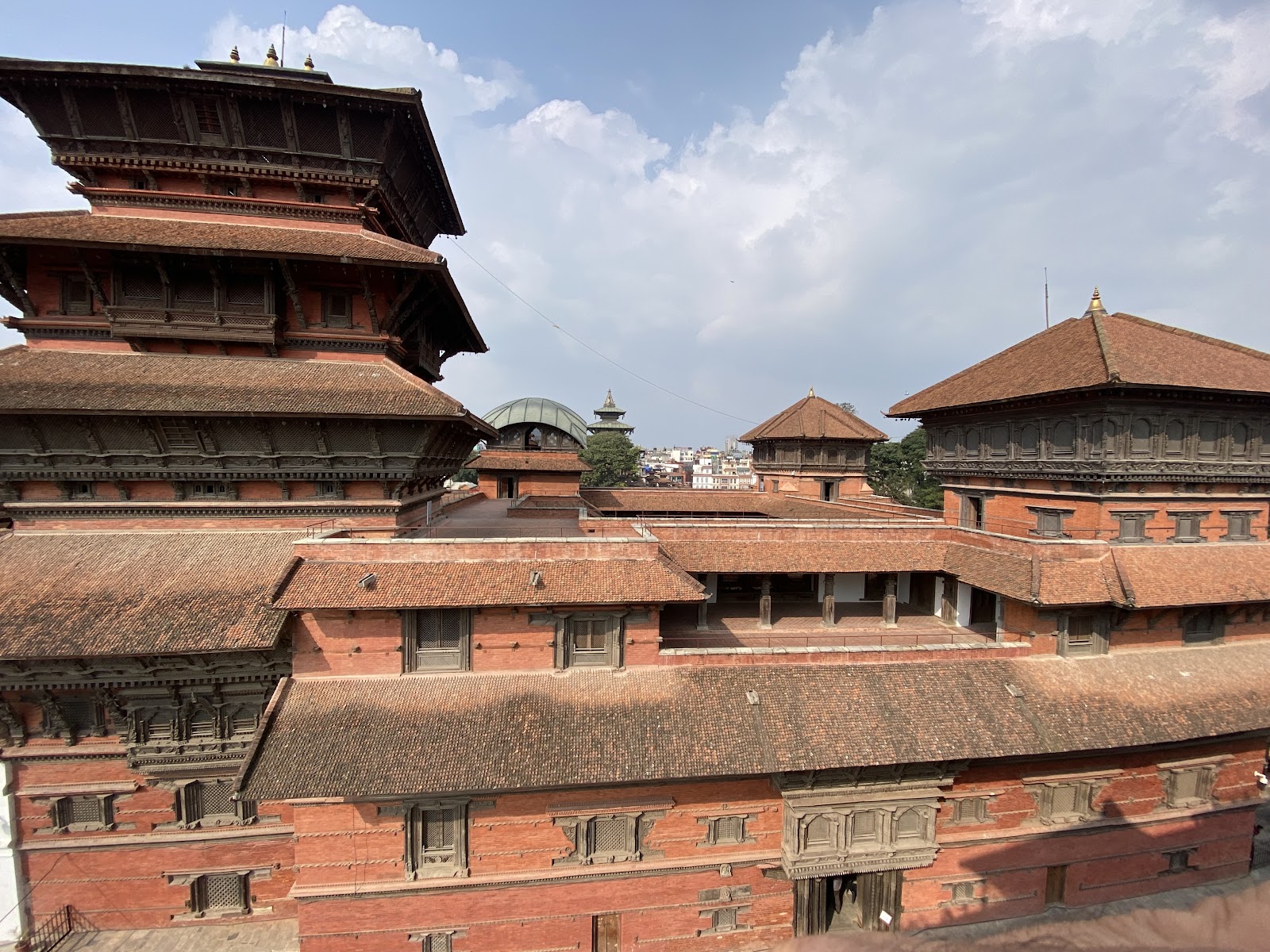
More photos
Photos published by travelers on Google, not AI generated.
What stands out
- Intricate architectural details
- Traditional craftsmanship and design
- Preserved historical pieces
- Kathmandu Durbar Square setting
Worth knowing
- Restoration may restrict interior access
- Construction coverings can affect views
- Some reviews may confuse it with the Kumari residence
Don't miss
What comes up most in public reviews
- Nine-storey exterior
- Intricate decorative details
- Preserved historical pieces
- Traditional artistic craftsmanship
Worth the trip?
Overall verdict
The Nine Storey Palace holds a Google rating of 4.5 from 93 reviews, with public feedback concentrating on its historical character, elaborate design and connection to Nepalese culture. Travellers interested in architecture and heritage tend to find the stop rewarding, particularly as part of a wider exploration of Kathmandu Durbar Square.
This is not necessarily a complete palace visit, however. One review describes significant restoration following damage in the 2015 earthquake and says that only the exterior was visible at that time. Another reports access to the tower through the wider Durbar Square complex. Those accounts may reflect different stages of restoration, so current access should be checked locally before arrival.
Architecture and historical interest
The strongest and most consistent praise concerns the building’s craftsmanship. Reviewers repeatedly mention intricate architectural details, decorative patterns and the sense of encountering Nepal’s history through design. Preserved historical pieces, artistic work and jewellery are also singled out in one account, although it is unclear which displays remain accessible during restoration.
For culturally curious visitors, the palace appears most valuable as a place to study form and detail rather than as a conventional attraction packed with interpretation. Public comments describe the architecture with considerable enthusiasm, but offer little information about signage, guided tours or visitor facilities. Allowing time to look closely at the exterior ornamentation may therefore be more rewarding than rushing past it between other square landmarks.
Restoration and review confusion
Access is the main uncertainty. Restoration work can affect how much of the nine-storey structure visitors are able to see, and the visual impact may be reduced by construction coverings or work areas. The most critical review still acknowledges that the palace would have been an impressive sight, but reports a visit dominated by restoration.
One public review also identifies the building as the residence of the Kumari and describes seeing her at a balcony. That detail appears inconsistent with the other palace descriptions and may result from confusion between separate landmarks in the Durbar Square area. Visitors should not assume that a Kumari appearance forms part of a Nine Storey Palace visit.
Planning a visit
A reviewer reports that the palace is entered through the Kathmandu Durbar Square complex and that access was included with general admission. The same account gives daytime visiting hours and advises carrying identification and cash. As restoration conditions and entry arrangements can change, these details warrant confirmation at the ticket point rather than being treated as permanent.
The palace suits travellers already spending time in Durbar Square more than those making a dedicated cross-city journey for guaranteed tower access. Even when interiors are restricted, its surviving exterior details and historical setting can justify a pause. Those expecting unrestricted exploration should check conditions first, while architecture enthusiasts are more likely to appreciate what remains visible.
Plan the rest of the trip
Ask anything
Looking for somewhere else?
Keep exploring around Kathmandu
More from Nepal
Nepal · Pokhara
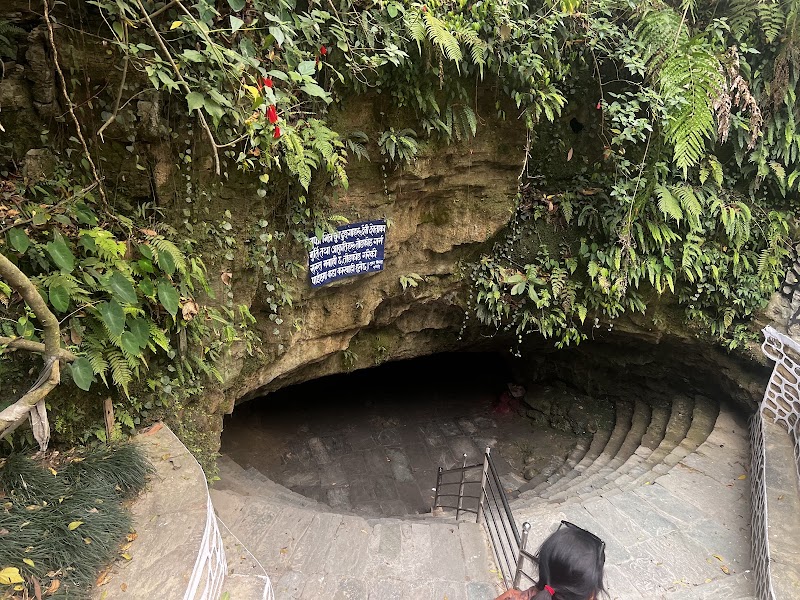
Mahendra Cave, a Short Underground Excursion in Pokhara
Mahendra Cave offers a cool, well-lit look at limestone formations, narrow passages and a small religious shrine north of Pokhara.
Nepal · Kathmandu
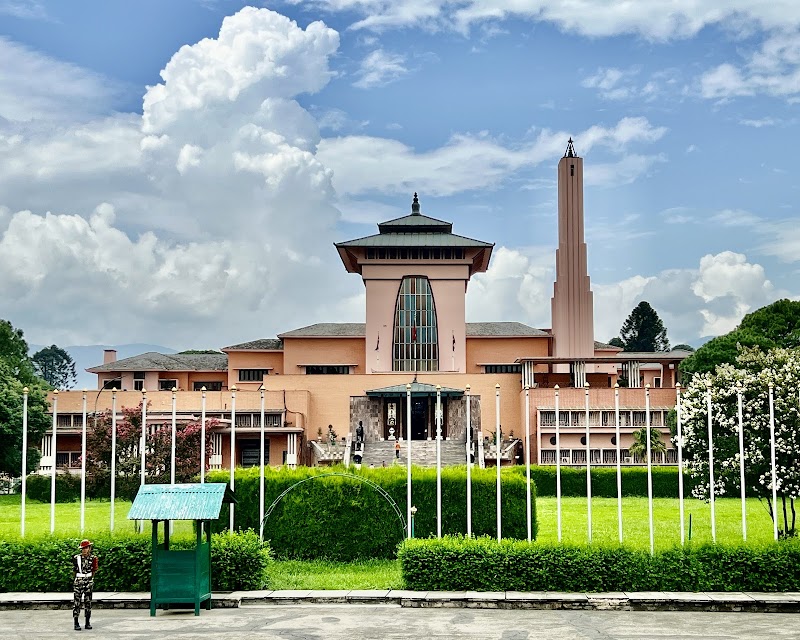
Narayanhiti Palace Museum: Kathmandu’s Royal Past
A preserved royal residence gives visitors a calm, room-by-room look at Nepal’s monarchy, political history and transition to a republic.
Nepal
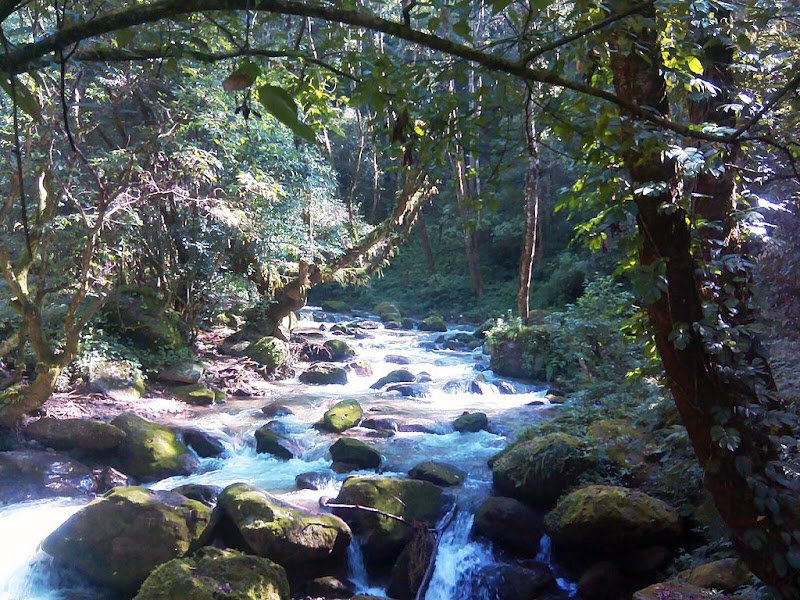
Shivapuri Nagarjun National Park: Green Trails Near Kathmandu
A peaceful hiking escape with forested paths, waterfalls and fresh mountain air, close enough to Kathmandu for a half-day outing.
Nepal · Kathmandu
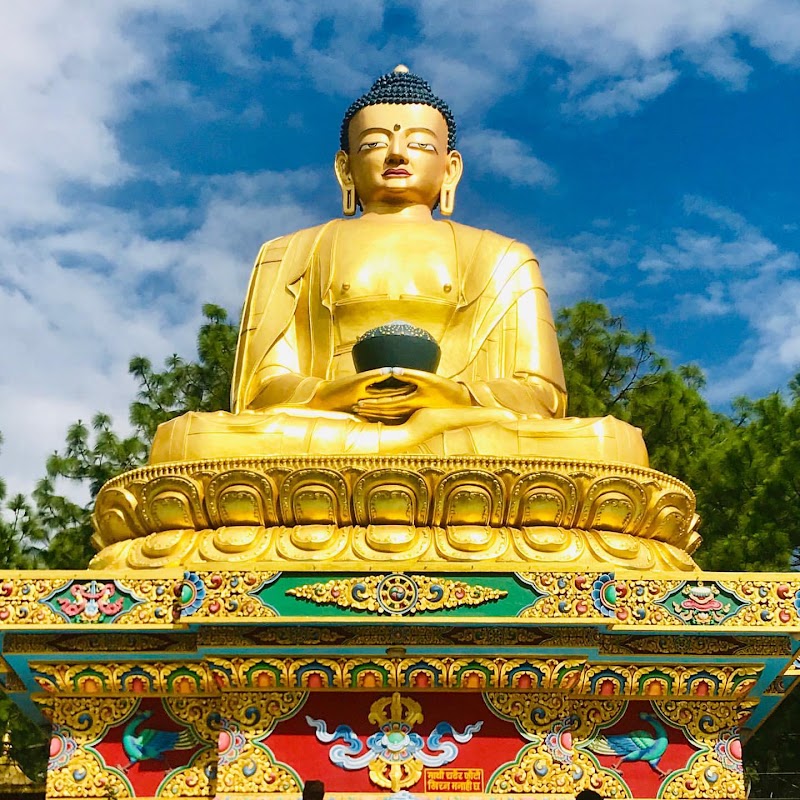
Swayambhu Buddha Park: A Peaceful Kathmandu Viewpoint
Public reviews describe Swayambhu Buddha Park as a culturally important Buddhist site with large statues, a calm atmosphere and broad Kathmandu Valley views.