Namhansanseong North Gate: History Along the Fortress Wall
Shaded mountain trails, substantial fortress walls and interpretive signs make this a rewarding historical escape from Seoul.
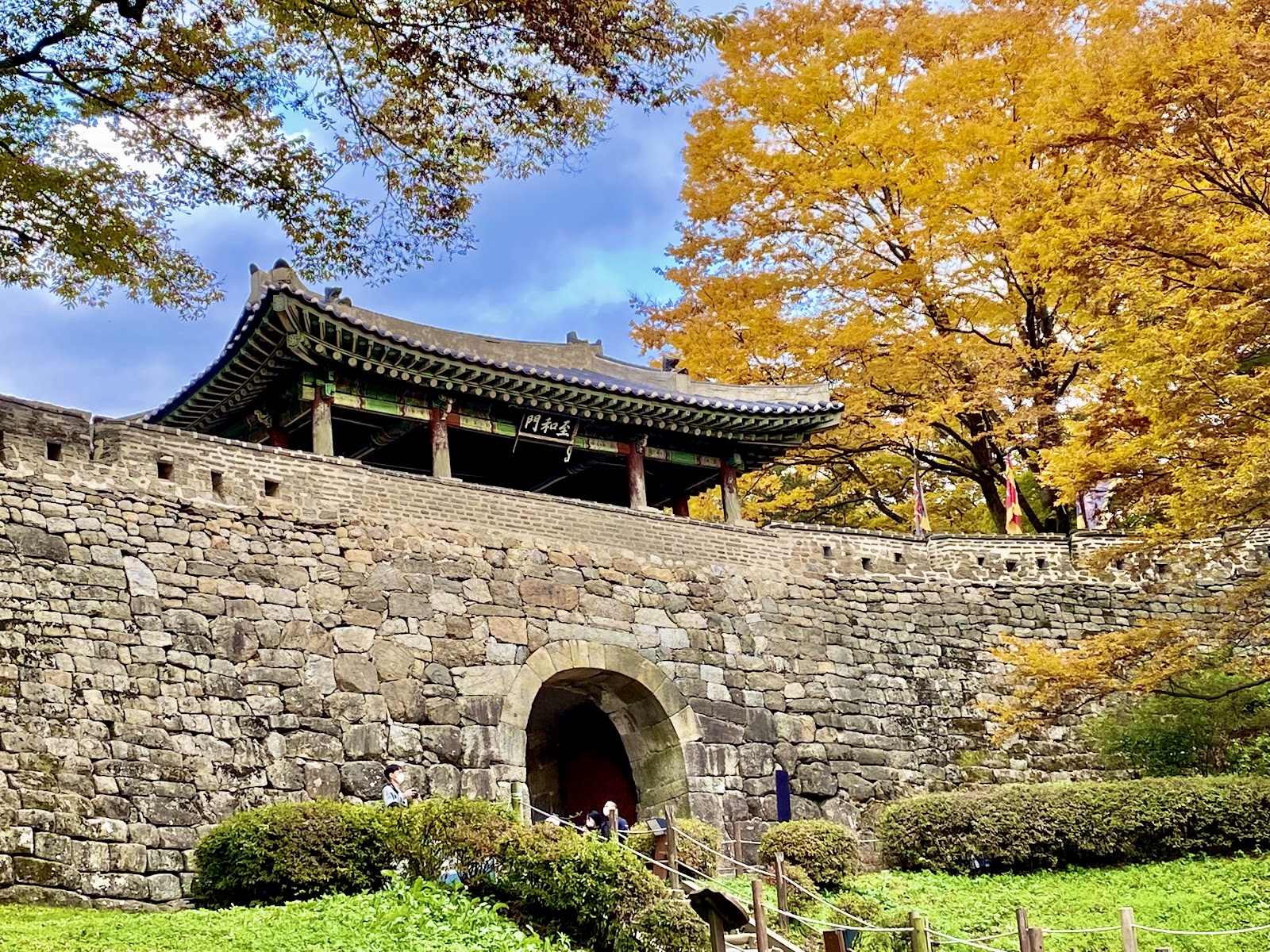
More photos
Photos published by travelers on Google, not AI generated.
What stands out
- Shaded fortress-wall walks
- Varied mountain hiking trails
- Well-preserved defensive walls
- Historical interpretation signs
- A quiet escape from Seoul
Worth knowing
- Uneven ground on higher trails
- Numerous stairs on some sections
- Carry water in hot weather
Don't miss
What comes up most in public reviews
- A walk along the fortress wall
- A gate-to-gate hiking route
- The historical signs beside the trails
Worth the trip?
Overall impression
Namhansanseong North Gate is best approached as part of the wider mountain fortress rather than as an isolated monument. Synthesized public feedback, including a Google rating of 4.4 from 2254 reviews, consistently emphasizes the combination of preserved walls, wooded walking routes and historical interest.
Travellers often describe Namhansanseong as a welcome change from the pace of Seoul. The elevated setting, extensive wall and traditional-style buildings around the fortress area give it a distinct atmosphere. Several accounts treat the gates as highlights within longer walks, with the route itself proving as memorable as any single structure.
Walking the walls
Walking and hiking dominate the visitor experience. Reviews mention several trail choices, ranging from manageable loops to steeper sections with numerous stairs. One leisurely loop took around 1.5 hours with frequent photography stops, while another visitor reached the wall after a 30-minute hike from Machon Station before continuing between gates.
The North Gate can therefore form a waypoint on a broader gate-to-gate walk. Considerable shade is reported along parts of the route, making the trails more comfortable in warm conditions. The wall also provides a strong visual thread through the landscape, helping walkers connect the separate gates and understand the fortress as a complete defensive site.
Trail conditions should not be underestimated. Higher routes can have uneven ground, and stair-heavy stretches may be tiring. Reviewers repeatedly recommend carrying water, particularly during hot weather. Comfortable walking shoes are the practical choice even when the plan involves only a shorter circuit.
History and setting
The historical interpretation receives favorable mentions. Signs along the walking routes explain the fortress and its significance, adding context without requiring a guided visit. Reviewers refer to the site’s long defensive history, including reconstruction in the 17th century and earlier origins associated with the Silla period. It is also described as having served as an emergency capital in past generations.
Visitors frequently compare the preservation of Namhansanseong favorably with surviving walls in central Seoul. Its mountain setting makes the scale easier to appreciate, with substantial wall sections extending across the slopes. For travellers interested in Korean history, the mix of physical remains and explanatory signage is a major reason to spend more than a brief stop at the gate.
Planning the visit
Half a day suits a relaxed fortress walk, photography and time to read the signs. More ambitious hikers could extend the outing by linking multiple gates or following the higher trails. Seasonal hiking is recommended in public feedback, although summer visits are more comfortable when temperatures are moderate.
The wider fortress area includes cafes and restaurants, some in traditional-style buildings, which can provide a useful break around a longer walk. The strongest experience remains outdoors, however. Namhansanseong North Gate works best for active travellers who want scenery and history together, with enough flexibility to choose between a short wall walk and a more demanding hike.
Plan the rest of the trip
Ask anything
Looking for somewhere else?
Keep exploring around Gwangju-si
More from South Korea
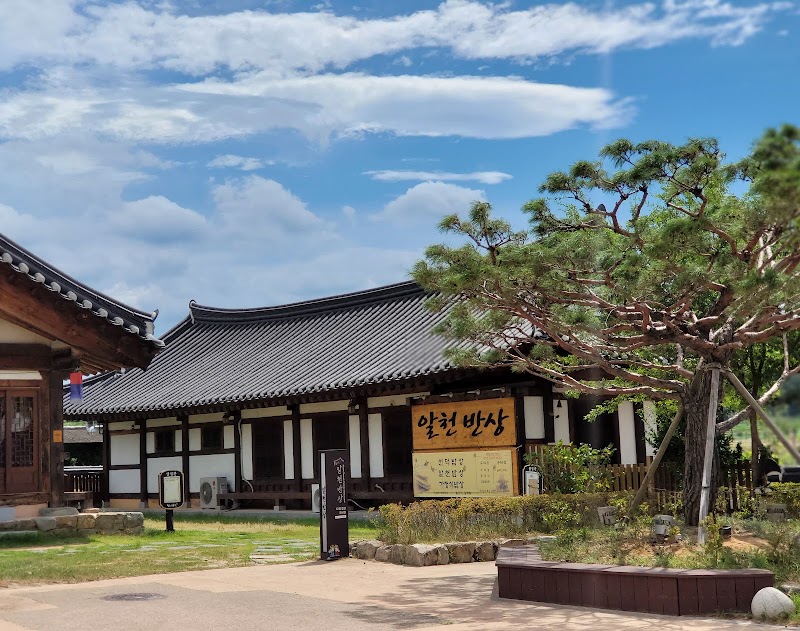
South Korea · Gyeongju
Gyeongju Gyochon Traditional Village for a Slow Afternoon
A compact historic village beside Woljeonggyo Bridge, praised in reviews for its preserved homes, hands-on food experiences and relaxed atmosphere.
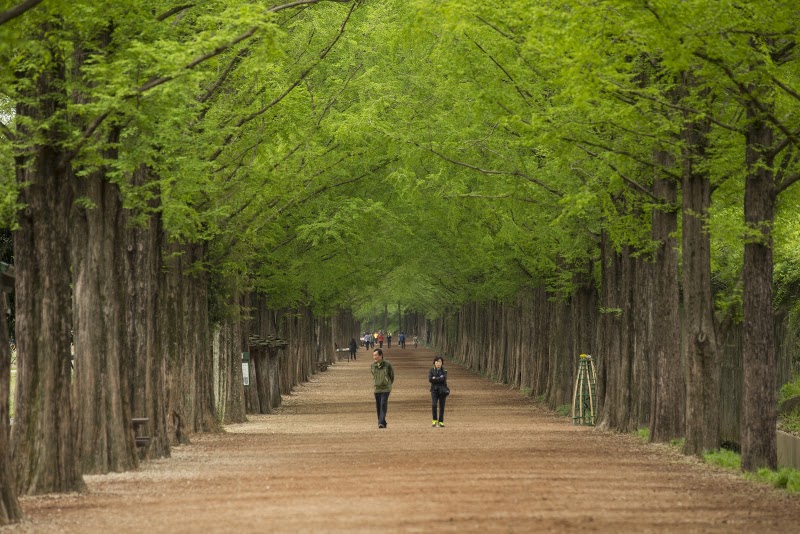
South Korea · Damyang
Metasequoia-lined Road: A Peaceful Walk in Damyang
Damyang’s tree-lined road is a calm, photogenic stop with shops, cafés and an easy connection to the bamboo forest.
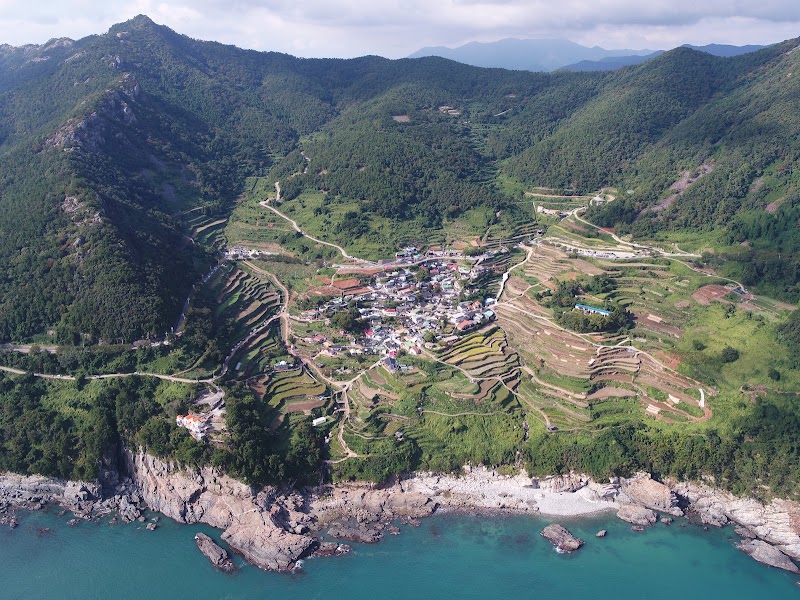
South Korea · Namhae
Darangi Village: Terraced Hills Above Namhae’s Coast
Darangi Village is a scenic Namhae stop for steep walks, terraced fields, sea views and an unhurried rural atmosphere.
South Korea · Tongyeong-si
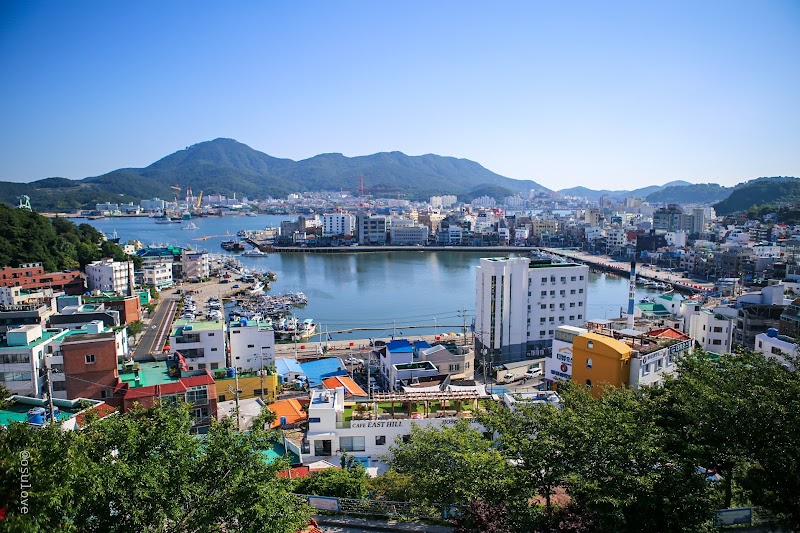
Dongpirang Mural Village: Tongyeong’s Hilltop Art Walk
Dongpirang Mural Village offers a short uphill walk through changing street art, small shops, cafés and broad views across Tongyeong.