Tiryns: Mighty Mycenaean Walls Close to Nafplio
Massive stone ramparts and atmospheric galleries make this compact citadel a rewarding companion to better-known Mycenae.
More photos
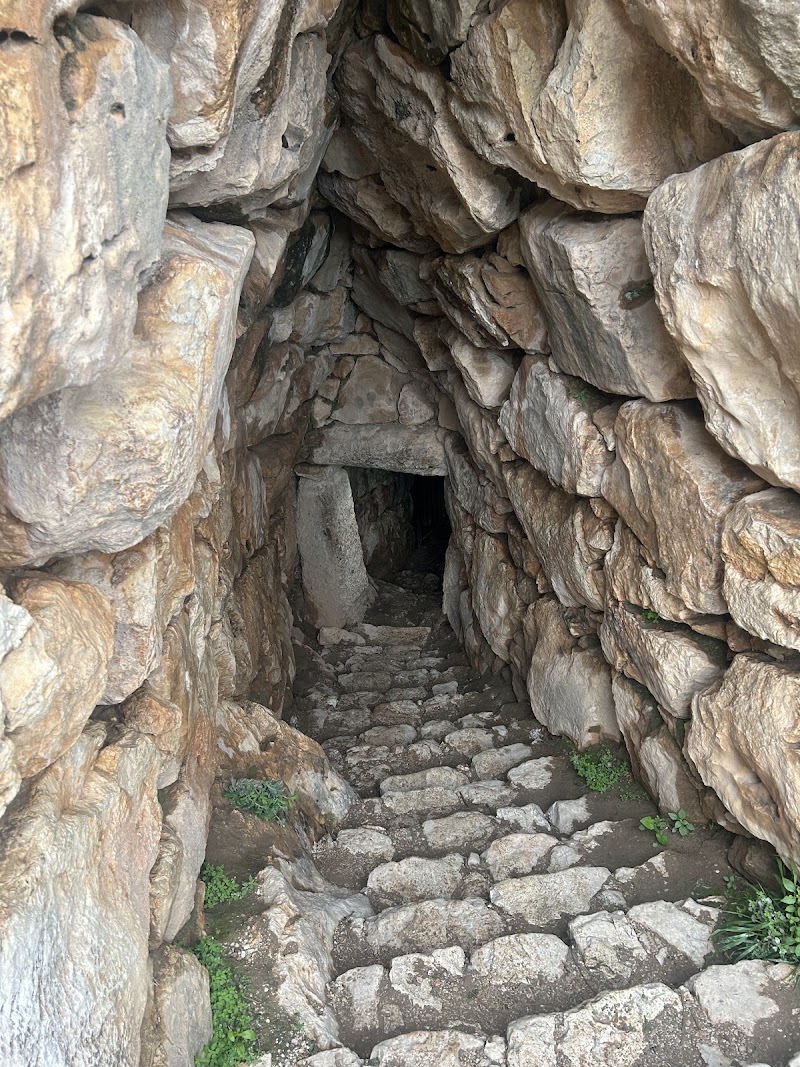
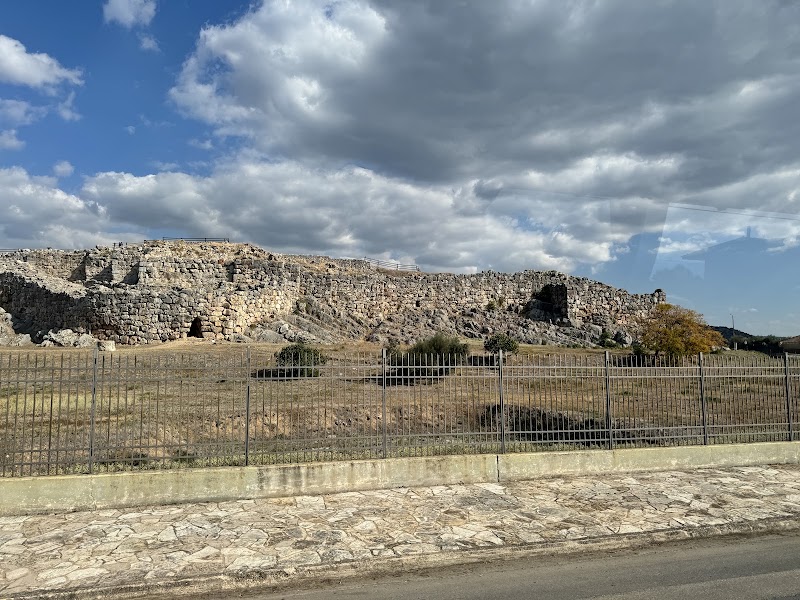

Photos published by travelers on Google, not AI generated.
What stands out
- Majestic Cyclopean walls
- Covered tunnels and galleries
- Views across the surrounding plain
- Compact archaeological site
- Ancient defensive systems
Worth knowing
- Limited interpretive signage
- Palace remains are fragmentary
- Advance reading improves the visit
Don't miss
What comes up most in public reviews
- External path below the ramparts
- Cyclopean walls
- Covered galleries and tunnels
- Ancient palace remains
- Site map
Worth the trip?
Why Tiryns stands out
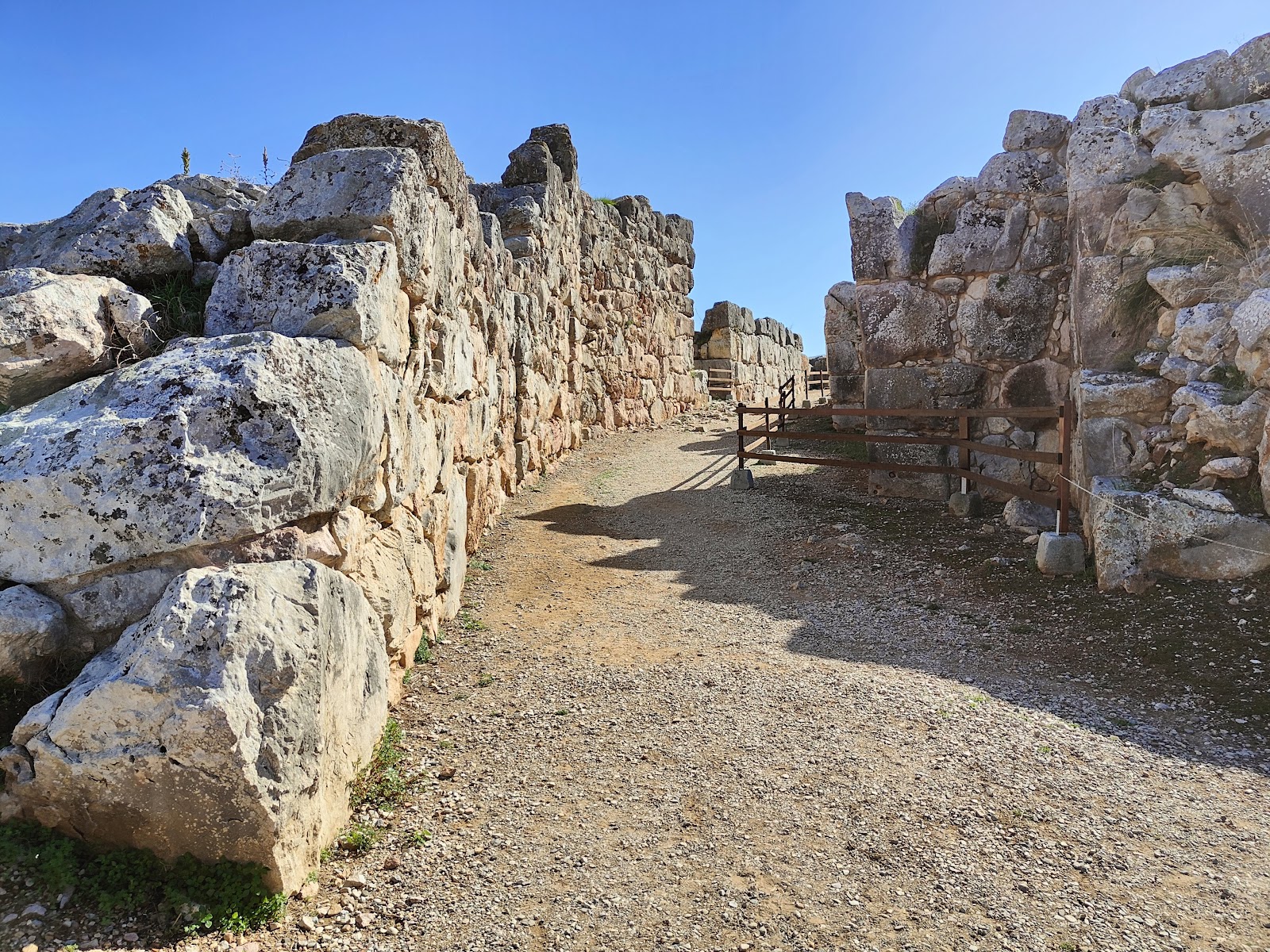
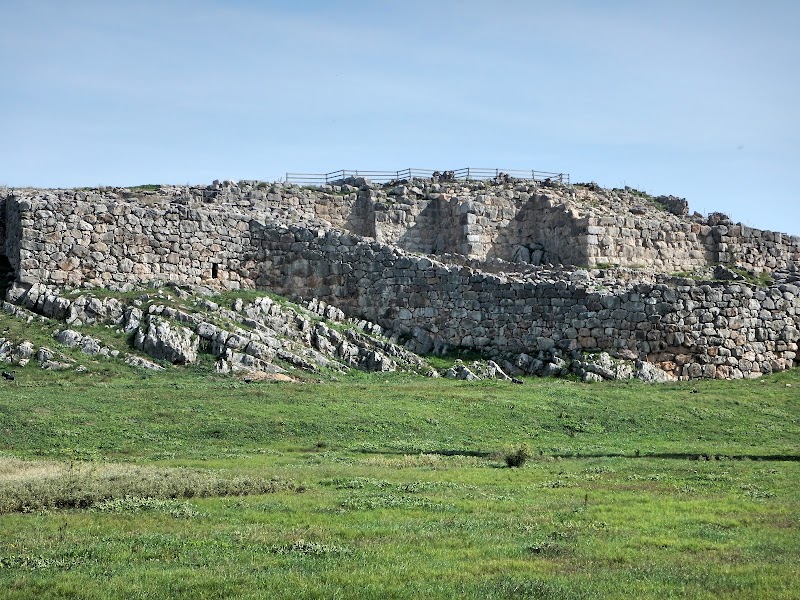
The Mycenaean Acropolis of Tiryns earns a Google rating of 4.4 from 1885 reviews, with its immense fortifications driving much of the praise. Travellers repeatedly describe the Cyclopean walls as majestic, mighty and remarkably well preserved. Built from huge stone blocks, the ramparts communicate the scale of the citadel more clearly than the relatively fragmentary palace remains.
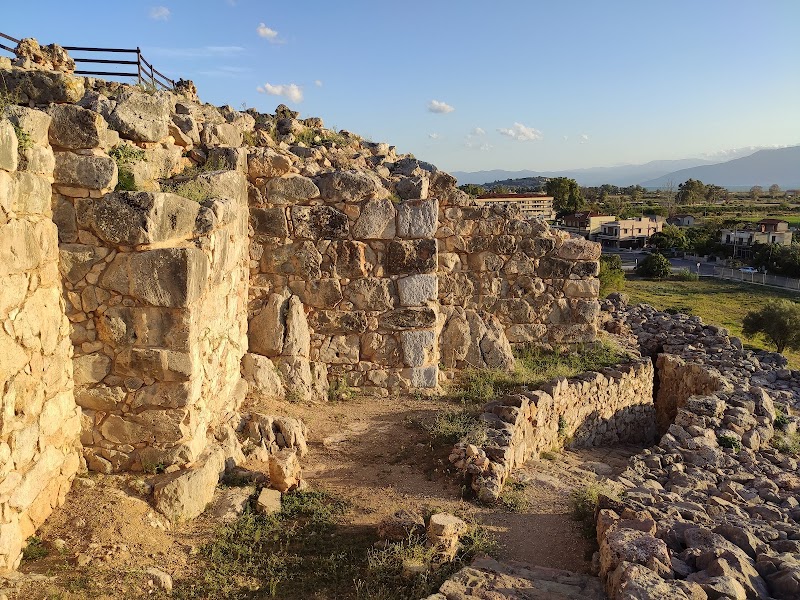
Tiryns is less complete and less famous than Mycenae, according to reviewers, but that comparison does not diminish its appeal. Its lower position is unusual among Mycenaean citadels, while the height and mass of the walls remain striking. Views extend across the surrounding plain, adding another dimension to a site that is otherwise appreciated at close quarters.
What visitors can see
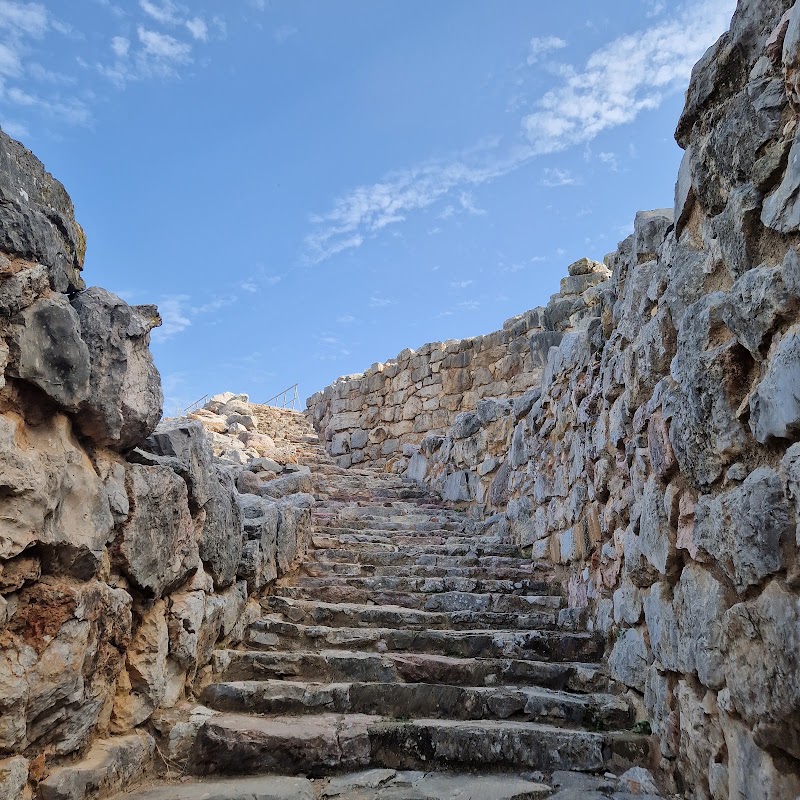
The walls are the headline sight, especially when viewed from the external path below the ramparts. From there, their size and defensive purpose become easier to appreciate. Reviews also single out the covered passages commonly described as tunnels or galleries. These spaces, together with the enormous blocks and ancient defence systems, provide the site’s most memorable details.
Large sections of the former palace and fortress can still be traced, although travellers caution that comparatively little palace structure survives above ground. Tiryns therefore rewards visitors who enjoy reading foundations, gateways and defensive layouts rather than expecting intact buildings. Its remains predate the Parthenon by many centuries, placing the citadel in a much earlier chapter of Greek history.
The archaeological area is described as compact and straightforward to tour. One reviewer who arrived on a Tuesday afternoon found it completely empty, though that single experience should not be taken as a guarantee of quiet conditions. Even so, the reviews suggest a generally less crowded alternative to the region’s most prominent ancient sites.
The main drawback
Signage is the clearest weakness. Several public comments report that information about the ancient structures is sparse, while restoration work receives more explanation than the citadel itself. Without preparation, foundations and sections of the palace can be difficult to interpret.
Reviewers recommend reading background material beforehand and keeping a photograph of the site map available while exploring. That small amount of preparation should make the defensive arrangement, galleries and palace remains considerably easier to understand. Tiryns is visually powerful, but it does not consistently explain itself on the ground.
How it fits into a Peloponnese itinerary
Tiryns works well as a short archaeological stop rather than an all-day excursion. Reviews place it on the main road toward Nafplio and within easy driving distance of Mycenae, making the three places practical to combine in a regional itinerary. Its compact scale also suits travellers with limited time.
The consensus is clear: Tiryns may offer fewer immediately recognisable structures than Mycenae, but its massive walls, galleries and relative calm justify the detour. For travellers interested in Mycenaean engineering and fortifications, it is one of the Peloponnese’s most compelling archaeological landmarks.
Ask anything
Looking for somewhere else?
Keep exploring around Peloponnese
More from Greece
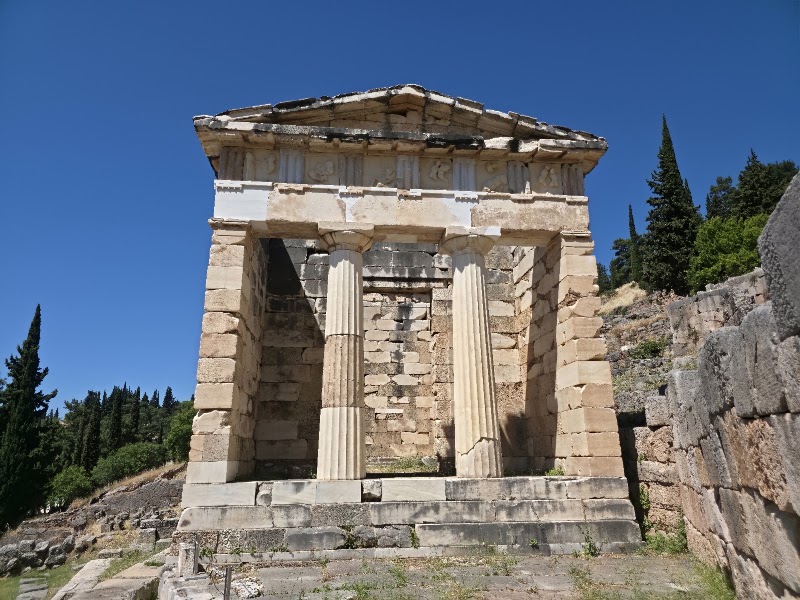
Greece · Delphi
Delphi Archaeological Site: Ruins Above a Dramatic Valley
Ancient monuments, mountain scenery and a rewarding climb make Delphi one of Greece’s most impressive archaeological sites.
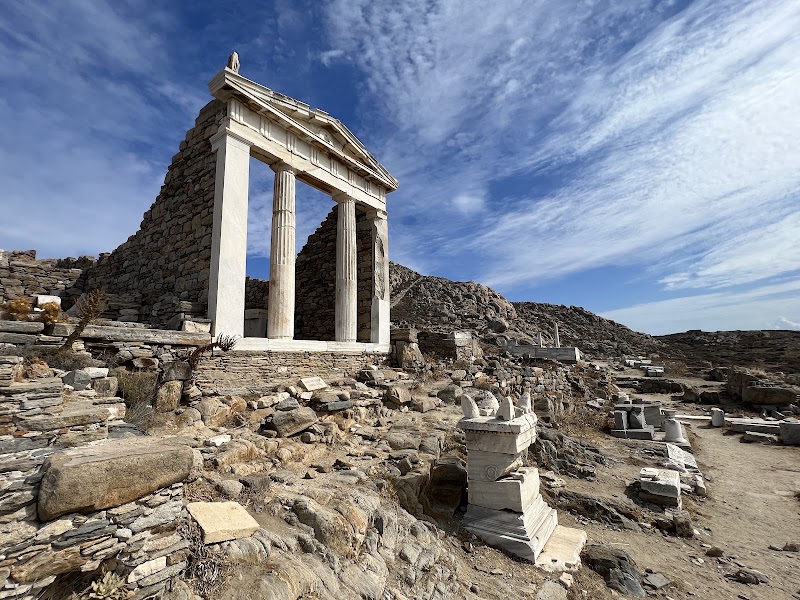
Greece · Delos
Delos rewards time, context and sturdy walking shoes
Ancient sanctuaries, residential ruins and sweeping views make Delos a compelling half-day excursion for history-minded travellers.
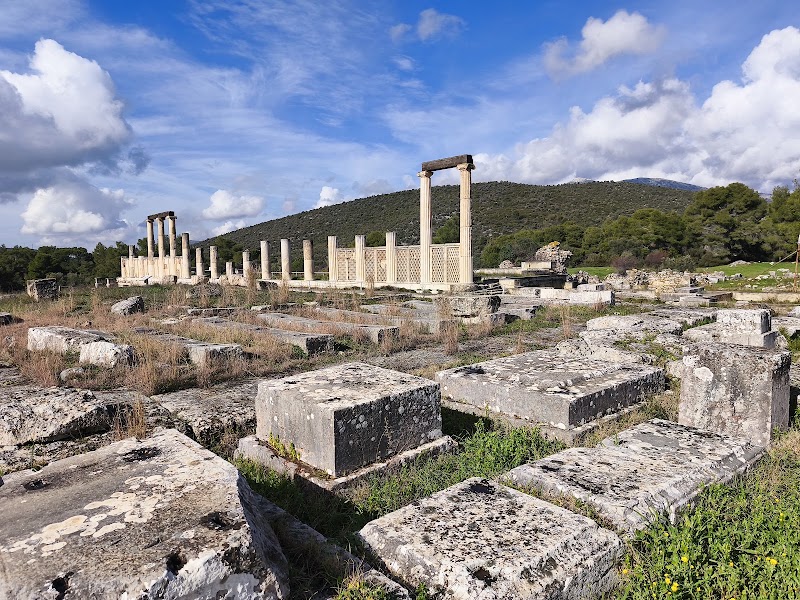
Greece · Epidavros
Epidaurus: Theatre, Healing Sanctuary and Ancient Ruins
A vast ancient healing sanctuary where a monumental theatre, evocative foundations and a compact museum reward several hours of exploration.
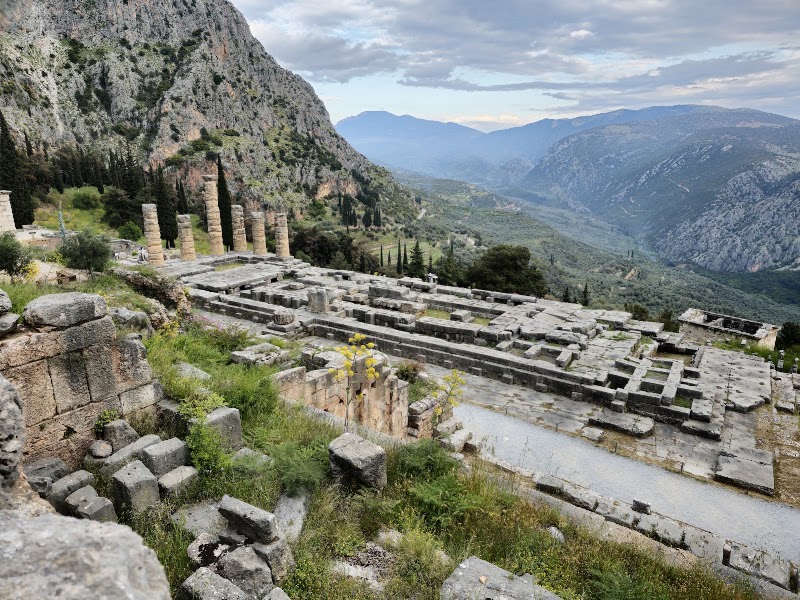
Greece · Delphi
Temple of Apollo: Delphi’s dramatic ancient landmark
Ancient ruins, mountain scenery and a strong museum visit make the Temple of Apollo an essential stop within Delphi’s archaeological site.