Muktinath Temple: Sacred Rituals in the Himalayas
A revered Hindu and Buddhist pilgrimage site known for its 108 icy waterspouts, mountain scenery and deeply peaceful atmosphere.

More photos
Photos published by travelers on Google, not AI generated.
What stands out
- 108 sacred brass waterspouts
- Himalayan mountain scenery
- Shared Hindu and Buddhist devotion
- Peaceful spiritual atmosphere
Worth knowing
- High altitude at roughly 3,710 metres
- Around 500 steps reported by a reviewer
- Icy water and chilly mornings
Don't miss
What comes up most in public reviews
- Bathing beneath the 108 Gaumukh Dhara
- Darshan at Muktinath Temple
- Observing Hindu and Buddhist worship traditions
- Taking in the surrounding Himalayan views
Worth the trip?
A high-altitude place of pilgrimage
Muktinath Temple has a Google rating of 4.7 from 6564 reviews. Read across that public feedback and a few qualities keep returning: deep spiritual importance, serenity and the drama of the Himalayan surroundings. Hindus and Buddhists both revere the site, and reviewers often note how naturally those traditions share the same space. One account describes Buddhist nuns and Hindu priests serving devotees in a single sacred setting.
For most visitors, Muktinath is a pilgrimage before it is a sightseeing stop. Reviews repeatedly mention prayer, blessings, renewal and liberation, reflecting the temple’s connection with moksha. Travellers who come with less interest in ritual tend to carry away something else: memories of the quiet, cool mountain air and wide-open scenery.
The 108 sacred waterspouts
Of all the experiences described in reviews, passing beneath the 108 brass waterspouts appears most often. Some reviewers refer to them as the Gaumukh Dhara. Nearly every account agrees on the water. It is extremely cold, often summed up in one word: icy. Devotees bathe beneath the flow as part of a sacred ritual. Other visitors simply watch.
The shock is immediate. Reviewers call the cold awakening or refreshing, then describe calm, gratitude or a sense of renewal once it is over. Anyone planning to take part should be ready for low temperatures, particularly in the morning, and remain respectful of worshippers nearby.
The temple itself is rarely described as an elaborate architectural attraction. Instead, it forms the centre of a much broader religious experience. Prayer, darshan and time spent absorbing the setting may matter every bit as much as photographs.
Steps, altitude and conditions
At roughly 3,710 metres in Nepal’s Mustang region, Muktinath sits high enough that altitude needs serious consideration. One reviewer recalls climbing around 500 steps to reach the temple and says the ascent can become difficult in the thin air. Public feedback also mentions chilly early mornings and a cool mountain breeze.
Taking it slowly helps. Visitors may need to pause on the way up rather than push through, since elevation, steps and cold water combine to make the outing harder than its peaceful photographs suggest. Warm layers make sense for an early start, even when lower elevations feel mild.
One public review says darshan is generally available from 7:00 AM to 7:00 PM. Times can change, so visitors should confirm current access and worship arrangements locally before setting out.
Editorial verdict
Taken as a whole, public ratings and reviews present Muktinath as an unusually affecting meeting point of ritual, landscape and shared religious devotion. The 108 waterspouts provide the defining experience. The atmosphere, though, seems to stay with visitors longer: quiet and sacred, surrounded by Himalayan peaks.
The physical demands are genuine. They should not be brushed aside. Visitors who are comfortable with steps and altitude are likely to find the trip rewarding, while anyone with mobility or health concerns should investigate access carefully. For pilgrims and culturally curious visitors alike, half a day allows enough time to approach without hurry, observe respectfully and experience the temple without rushing.
Plan the rest of the trip
Ask anything
Looking for somewhere else?
Keep exploring around Muktinath
More from Nepal

Nepal · Pokhara
International Mountain Museum: Himalaya Stories in Pokhara
This well-reviewed Pokhara museum brings mountaineering history, Himalayan geography and Nepal’s mountain communities into one thoughtful visit.
Nepal · Pokhara
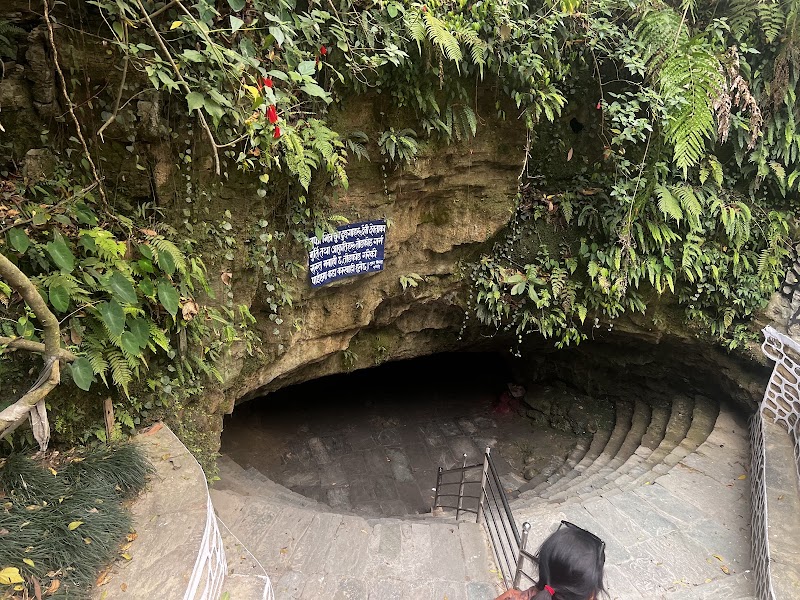
Mahendra Cave, a Short Underground Excursion in Pokhara
Mahendra Cave offers a cool, well-lit look at limestone formations, narrow passages and a small religious shrine north of Pokhara.
Nepal · Kathmandu
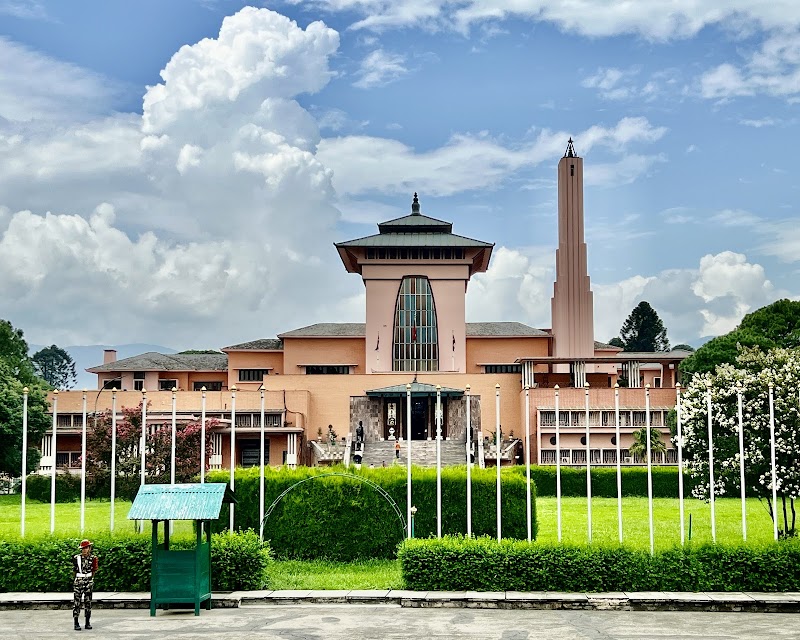
Narayanhiti Palace Museum: Kathmandu’s Royal Past
A preserved royal residence gives visitors a calm, room-by-room look at Nepal’s monarchy, political history and transition to a republic.
Nepal
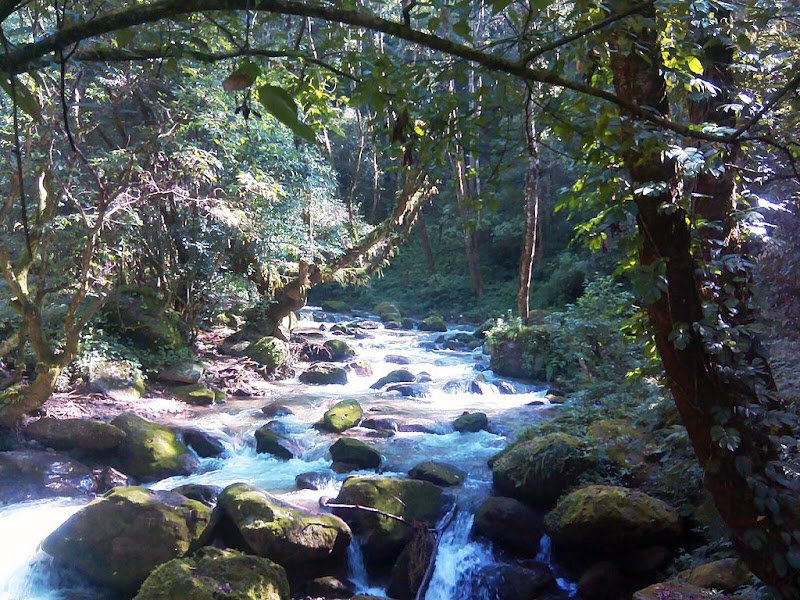
Shivapuri Nagarjun National Park: Green Trails Near Kathmandu
A peaceful hiking escape with forested paths, waterfalls and fresh mountain air, close enough to Kathmandu for a half-day outing.