A Sobering, Immersive Memorial in Central Berlin
The Memorial to the Murdered Jews of Europe combines stark architecture with an underground exhibition that invites serious reflection.
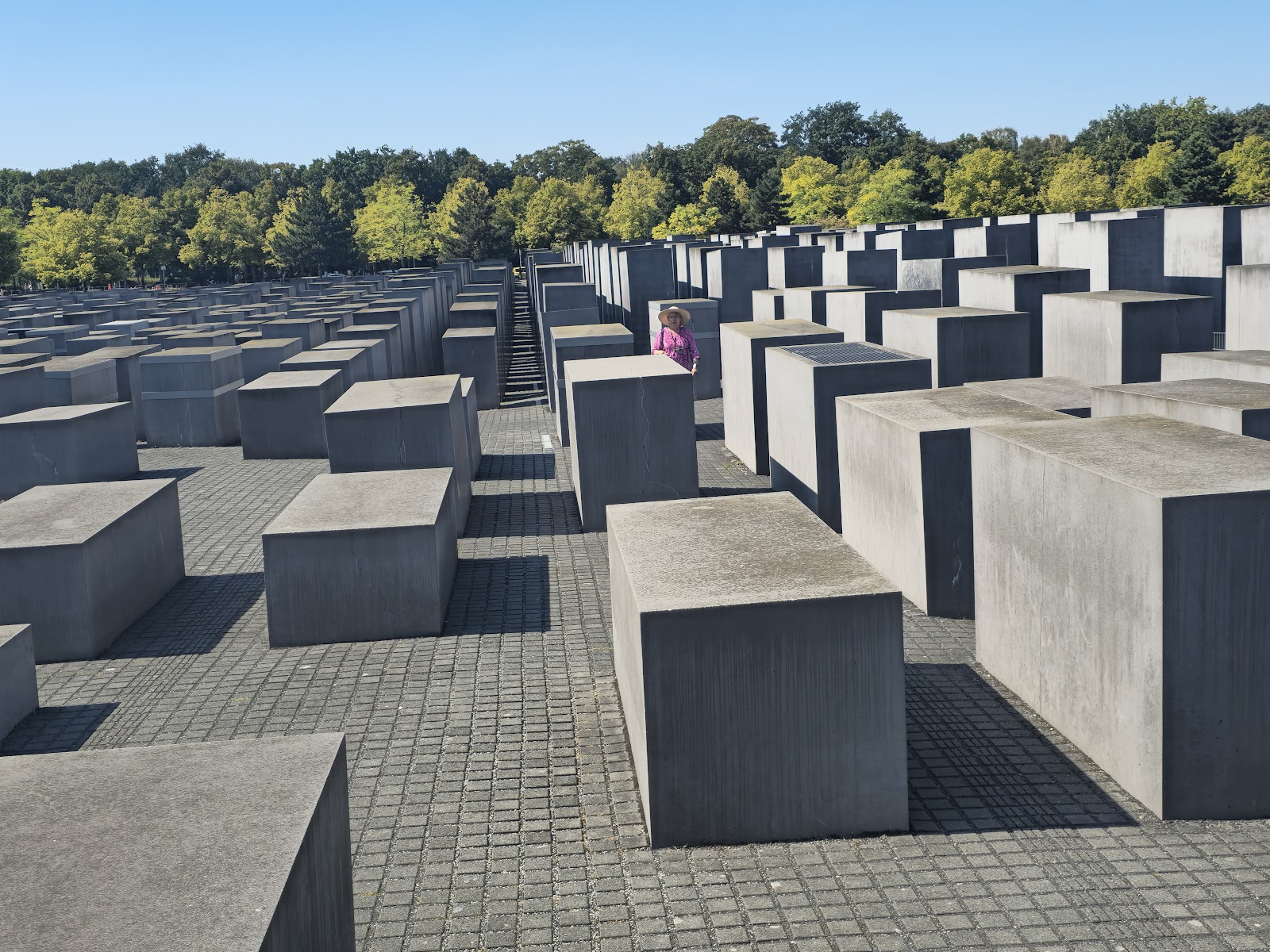
More photos
Photos published by travelers on Google, not AI generated.
What stands out
- Maze-like walk among concrete stelae
- Striking silence within the memorial
- Underground exhibition
- Room of names
- Strong emotional impact
Worth knowing
- The experience can be deeply upsetting
- Some exhibition material may be difficult to navigate
- Respectful behaviour is essential
Don't miss
What comes up most in public reviews
- Walk through the rows of concrete stelae
- Visit the underground exhibition
- See the room of names
- Ask for or join a guided explanation
Worth the trip?
A place that demands attention
The Memorial to the Murdered Jews of Europe is one of Berlin’s most affecting landmarks. Public ratings place it at 4.6 from 49,845 reviews, with many visitors describing a powerful, difficult experience rather than a conventional sightseeing stop.
The outdoor memorial consists of rows of concrete slabs, known as stelae, arranged across an expansive field. Reviews repeatedly mention how the structure changes as visitors walk deeper into it. What begins as a relatively open space becomes maze-like, with the ground and surrounding slabs creating a growing sense of disorientation.
That shift is central to the visit. The memorial does not explain itself through a large amount of outdoor signage. Its impact comes through movement, silence and scale.
The outdoor memorial
Visitors commonly explore the stelae alone before seeking more historical context below ground. Several reviews describe the lack of sound within the structure as striking, with one visitor noting that the slabs are soundproof and treated against graffiti. The quiet can make the space feel detached from the busy city nearby.
The experience is emotionally intense. Reviewers mention sadness, tears and a strong sense of unease. That reaction is not universal in the same form, but the public feedback is consistent on one point: this is a place for reflection, not a quick photo opportunity.
The memorial’s changing perspective also gives it unusual physical presence. The rows appear to extend farther than expected, and walking among them can feel almost like losing a clear sense of direction. Visitors should allow the architecture to unfold rather than rushing across the site.
The underground exhibition
Below the memorial, the exhibition adds historical detail and personal testimony. Reviews call it informative and specifically mention a room of names, where the names of Jewish victims are read aloud. One reviewer said that reading all the names once takes six years, a detail that underlines the scale of the human loss represented here.
A guide helped one visitor understand the history and the reasons behind the memorial’s design. That review suggests that guided interpretation can deepen the visit, particularly for people who want more than the outdoor experience provides. Other feedback indicates that parts of the exhibition may not be immediately easy to navigate, so visitors should take time to understand how the material is presented.
The underground section is not an optional add-on for visitors seeking context. It gives the memorial names, stories and historical substance.
Who should visit
This landmark suits travellers interested in Berlin’s twentieth-century history, public memory and serious cultural sites. It can be visited independently, but the reviews show clear value in pairing the outdoor walk with the underground exhibition or a guide.
The visit may be upsetting. That is not a flaw in the reviews, it is their dominant message. Visitors should arrive prepared for an emotionally demanding experience and show respect for the memorial’s purpose. The central site can be taken in within part of a day, though the exhibition deserves unhurried attention.
The strongest visits appear to combine quiet time among the stelae with a careful look at the information below. This is a landmark that stays with people.
Plan the rest of the trip
Ask anything
Looking for somewhere else?
Keep exploring around Berlin
More from Germany
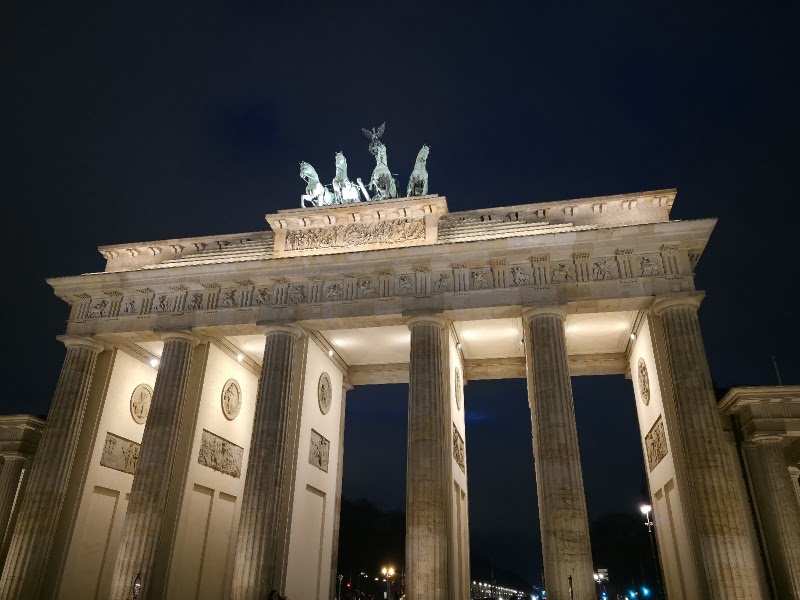
Germany · Berlin
Brandenburg Gate, Berlin’s Landmark of History and Change
Public reviews consistently value Brandenburg Gate for its architecture, historical weight and central place in Berlin sightseeing, though crowds can be intense.
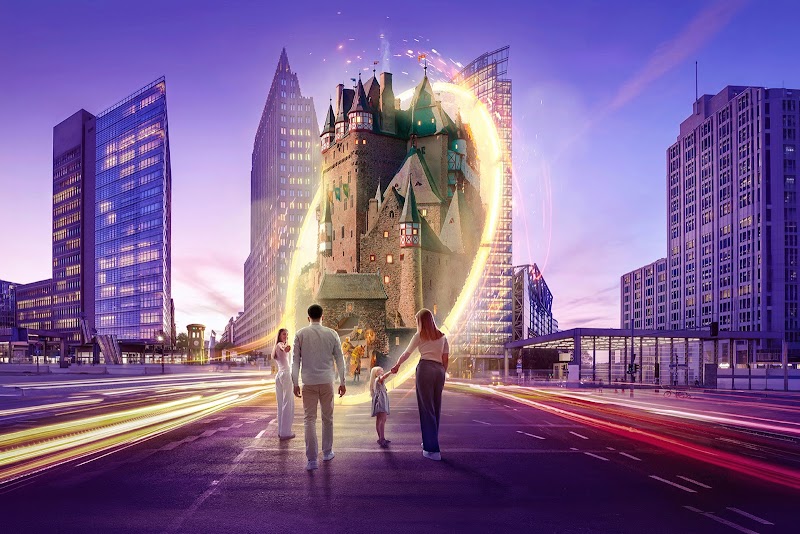
Germany · Berlin
Deutschlandmuseum: Germany’s History in Interactive Rooms
This compact Berlin museum turns major chapters of German history into an immersive, hands-on visit that suits families especially well.
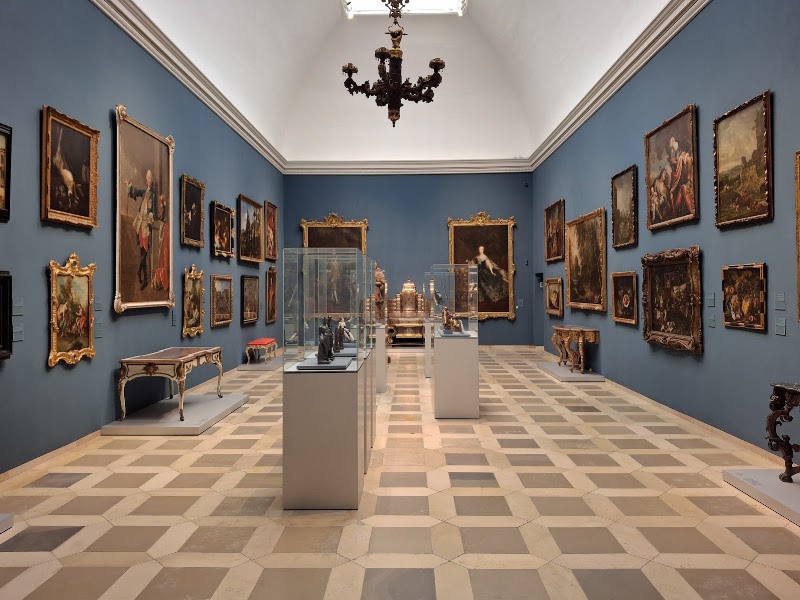
Germany · Nürnberg
Germanisches Nationalmuseum: A Deep Dive into German History
Nuremberg’s Germanisches Nationalmuseum rewards curious visitors with extensive galleries, strong medieval collections and enough material for a full day.
Germany · München
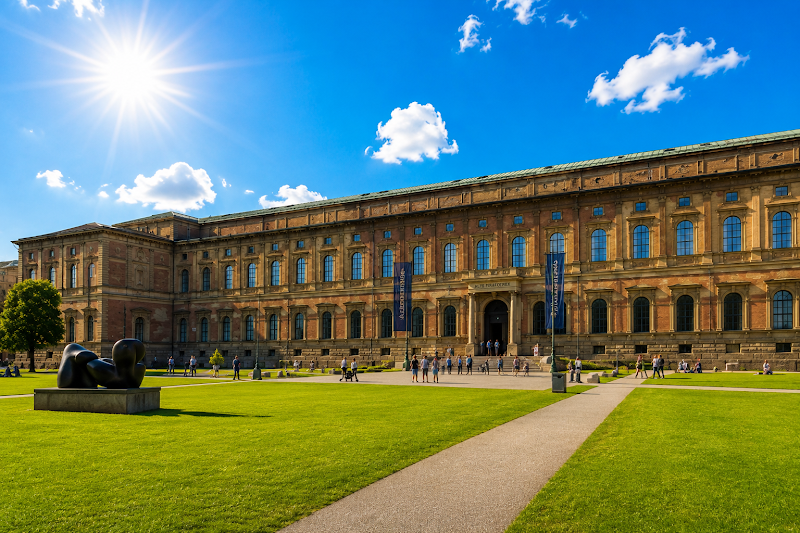
Alte Pinakothek: Munich’s Old Masters in Grand Halls
This Munich art museum rewards an unhurried visit, with centuries of European painting, famous masterpieces and seats for regular gallery breaks.