Brandenburg Gate, Berlin’s Landmark of History and Change
Public reviews consistently value Brandenburg Gate for its architecture, historical weight and central place in Berlin sightseeing, though crowds can be intense.
More photos
Photos published by travelers on Google, not AI generated.
What stands out
- Neoclassical columned architecture
- Historical significance
- Views towards Tiergarten
- Daylight and night-time atmosphere
- Central walking-tour location
Worth knowing
- Crowds often build after 10.30am
- The front side can become especially busy
Don't miss
What comes up most in public reviews
- See the gate in daylight
- Return after dark
- Walk towards Tiergarten
- Stop for coffee at a nearby café
- Look at wartime photographs
Worth the trip?
Why it matters
Brandenburg Gate is one of Berlin’s defining landmarks, and public reviews give it a Google rating of 4.7 from 191269 reviews. The appeal is not limited to its appearance. Visitors repeatedly describe the experience of standing at a site where major moments in German history unfolded. That sense of place is the main reason it earns time on almost every first visit to the city.
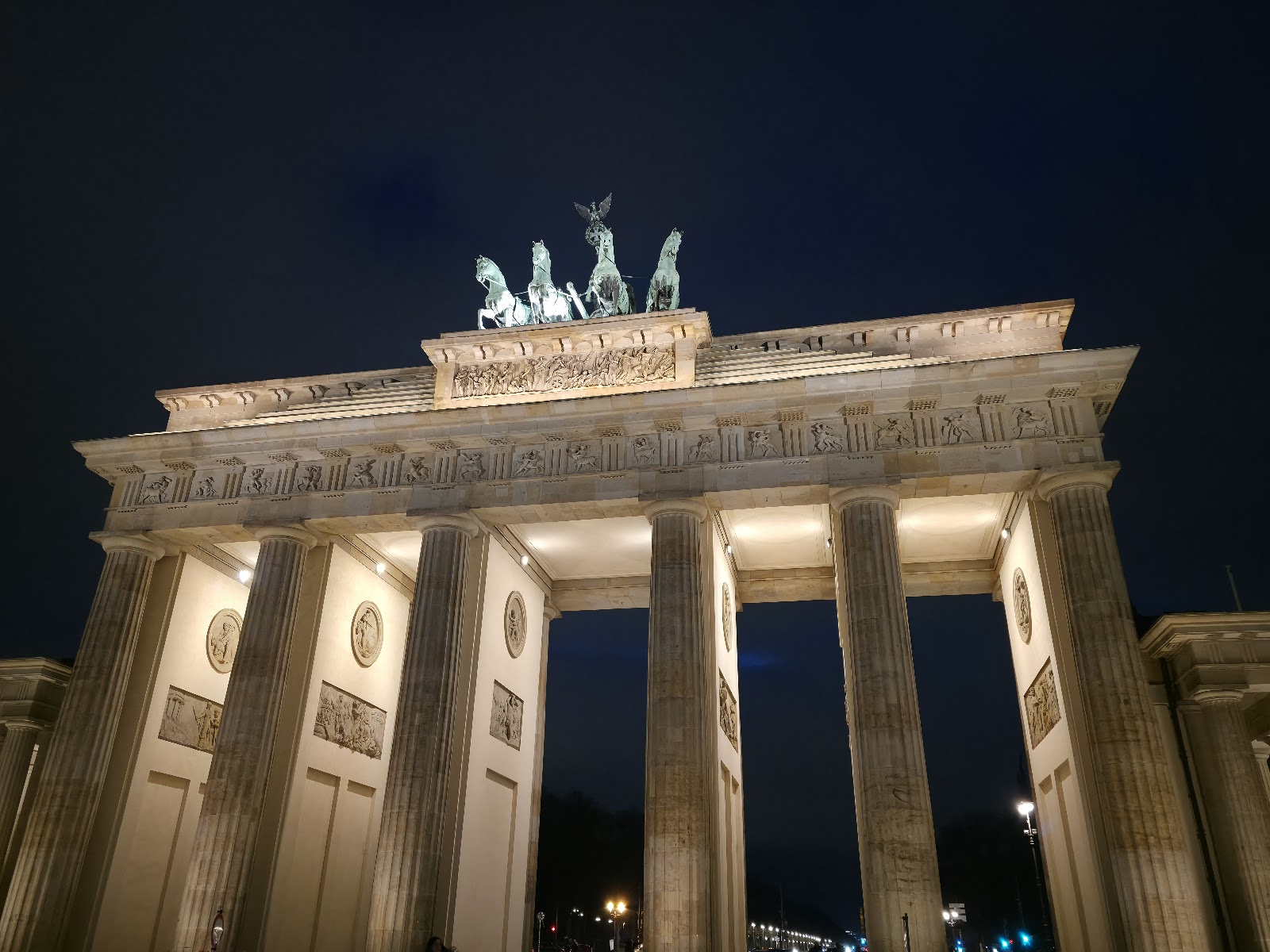
The gate’s neoclassical columns create a sharp visual contrast with the modern buildings and more severe architecture around it. Reviewers call the structure magnificent, remarkable and stunning. Those descriptions are supported by the setting: the gate opens towards Tiergarten, while the surrounding streets lead into one of central Berlin’s busiest sightseeing areas.
What visitors experience
The landmark is free to visit, so there is no ticketing process to plan around. Most people come to photograph the gate, pause in the open area nearby and continue on foot to other historical sights. It works especially well as part of a walking route. One public review describes reaching it after starting at the Reichstag, while others mention nearby shopping, cafés and food and drink vans.
The atmosphere changes through the day. Morning can feel calmer, with one reviewer recommending arrival before 10.30am. Later, the area may fill with visitors taking photographs, particularly on the front side of the gate. Crowds are not a minor detail here. They shape how long people stay and how easy it is to get a clear image.
A return visit after dark is worthwhile. Reviewers specifically recommend seeing Brandenburg Gate in daylight and at night, when its illumination gives the architecture a different character. A nearby café provides an easy place to sit with a coffee and watch the area for a while.
Historical context
The gate carries more weight when seen alongside photographs and interpretation about wartime Berlin. One reviewer recommends looking at images of the gate during the war years to understand the scale of the city’s recovery. That context turns a quick photo stop into a more reflective visit.
Its symbolism is also part of the attraction. Reviewers refer to Brandenburg Gate as a symbol of Germany, while others focus on the feeling of walking through a place connected to so many historical moments. The site is not presented as a quiet museum experience. It is an open public landmark, surrounded by movement, commerce and modern Berlin life.
Planning the stop
A half-day is enough to see the gate properly and link it with nearby sights. Visitors who want photographs with fewer people should aim for early morning. A second pass at night adds visual variety without requiring another major excursion.
The gate suits first-time visitors, history-focused travellers and anyone following a city walking tour. It also works for a brief stop between the Reichstag, Tiergarten and central shopping streets. The main limitation is crowding, especially later in the morning and around the front approach. Those expecting a secluded monument may find the setting busy. For most visitors, that energy is part of the Berlin experience.
Plan the rest of the trip
Ask anything
Looking for somewhere else?
Keep exploring around Berlin
More from Germany
Germany · Berlin
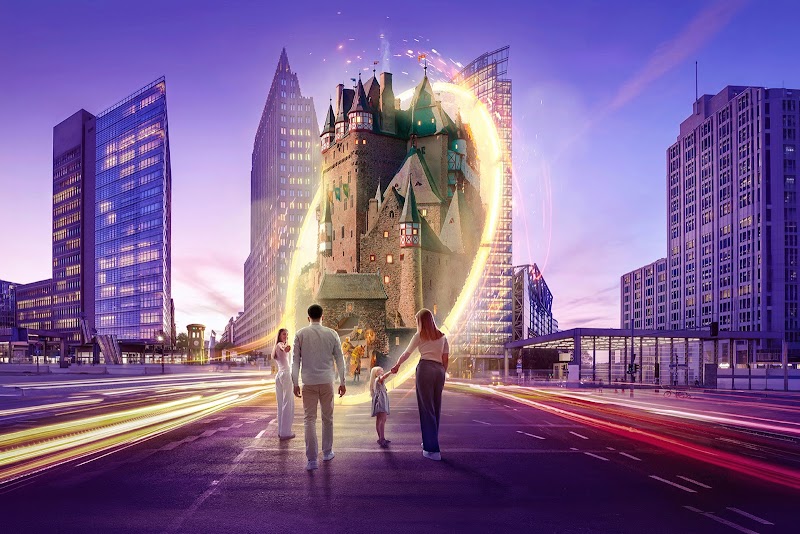
Deutschlandmuseum: Germany’s History in Interactive Rooms
This compact Berlin museum turns major chapters of German history into an immersive, hands-on visit that suits families especially well.
Germany · Nürnberg
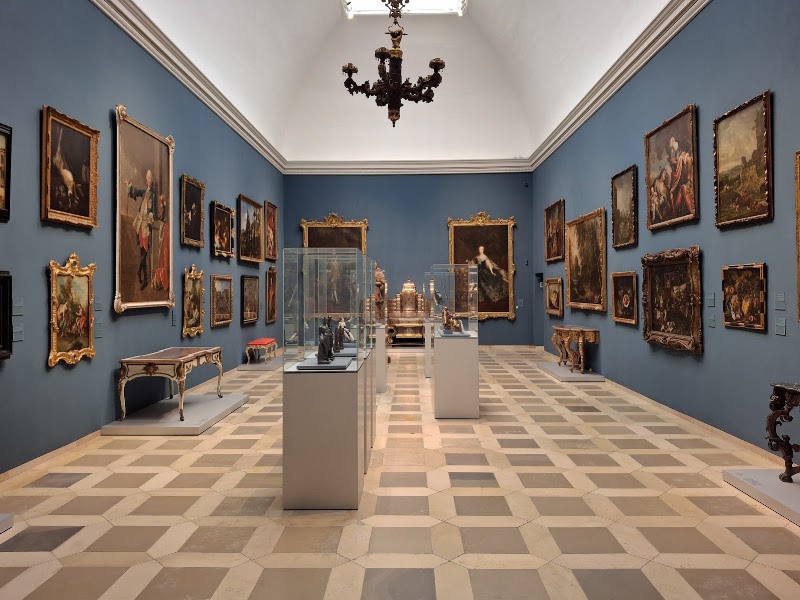
Germanisches Nationalmuseum: A Deep Dive into German History
Nuremberg’s Germanisches Nationalmuseum rewards curious visitors with extensive galleries, strong medieval collections and enough material for a full day.
Germany · München
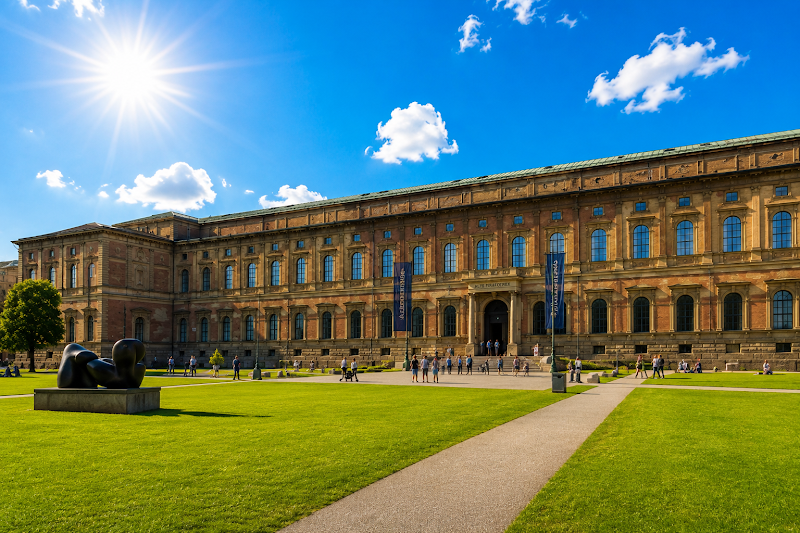
Alte Pinakothek: Munich’s Old Masters in Grand Halls
This Munich art museum rewards an unhurried visit, with centuries of European painting, famous masterpieces and seats for regular gallery breaks.
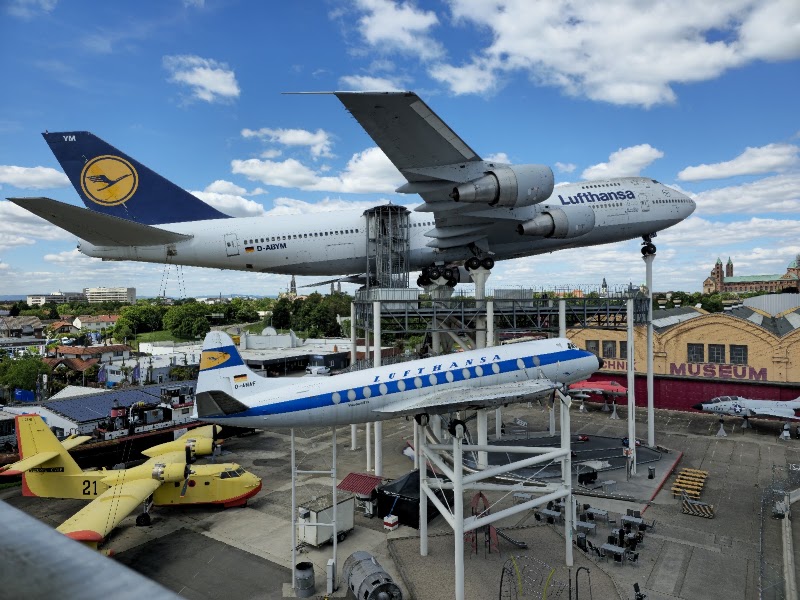
Germany · Speyer
Technik Museum Speyer: Big Machines, Spacecraft and Hands-On Fun
Technik Museum Speyer turns transport history into an active visit, with climb-through aircraft, submarines, spacecraft and a vast vehicle collection.