Lumbini Buddhist Temple: A Sacred, Sprawling Pilgrimage Site
Lumbini combines Buddhist history, international monastery architecture and a calm atmosphere across an extensive sacred zone.
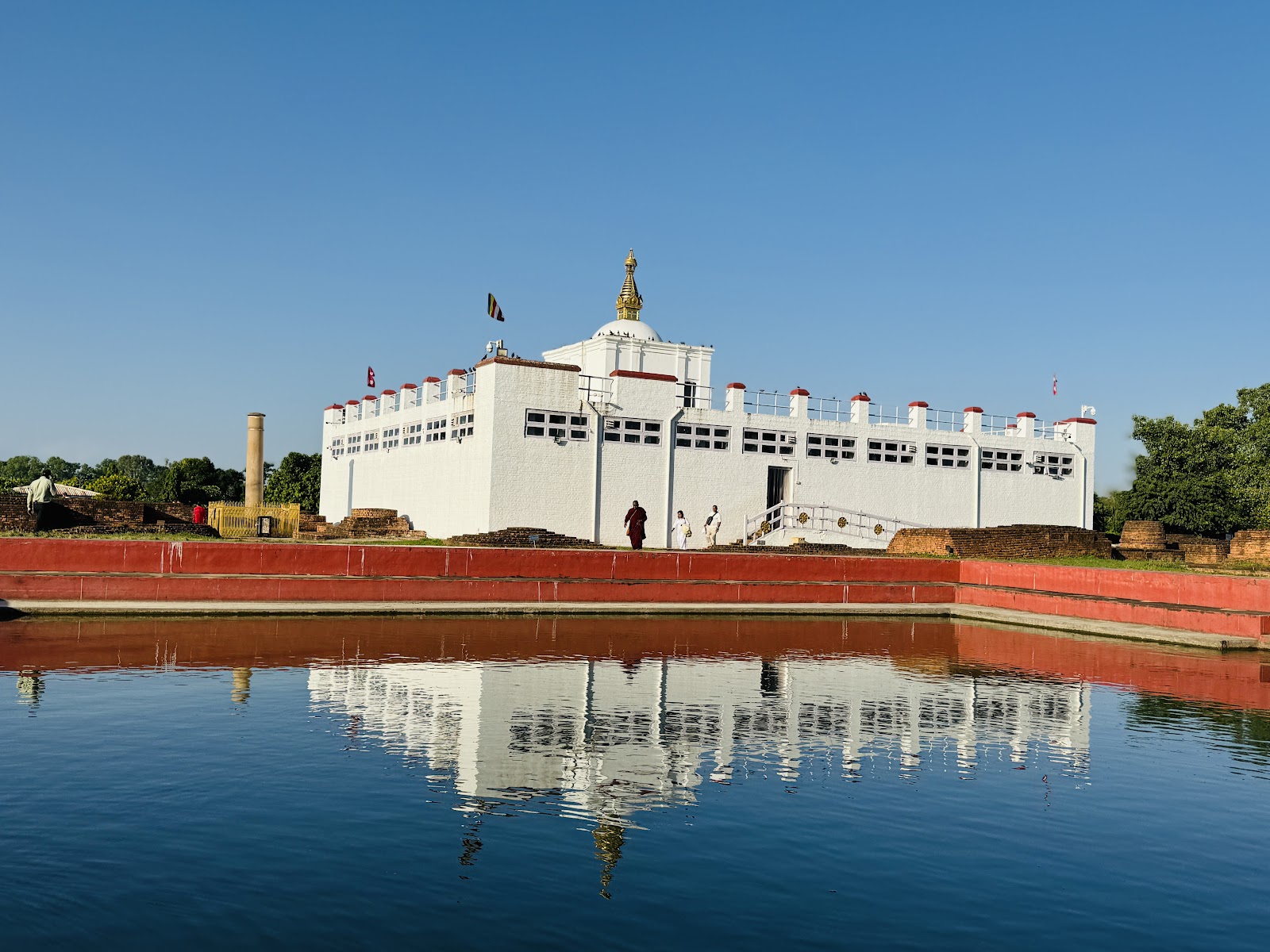
More photos

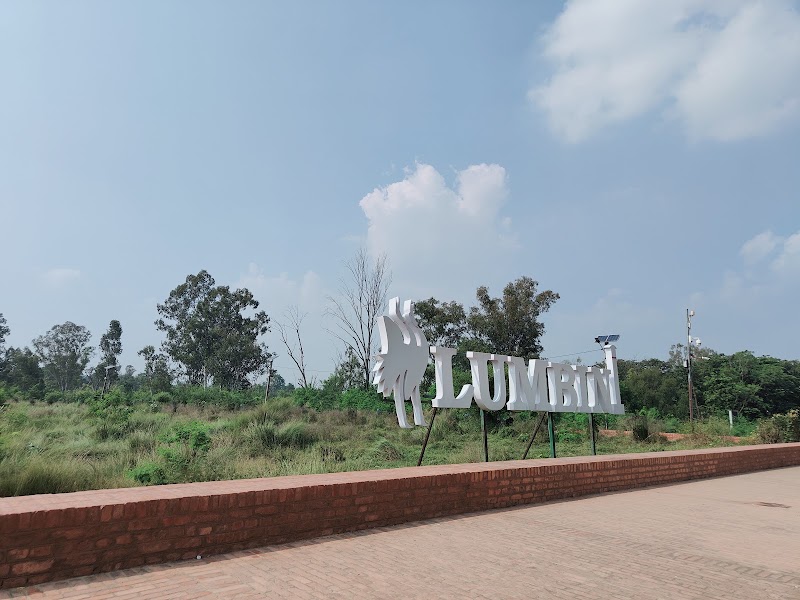

Photos published by travelers on Google, not AI generated.
What stands out
- Maya Devi Temple and the traditional birthplace
- Peaceful, spiritual atmosphere
- Monasteries built by different nations
- Thai and Cambodian pagoda architecture
- Large, clean and quiet sacred zone
Worth knowing
- Long distances between pagodas
- Intense afternoon heat in the plains
- A half-day visit requires prioritising sights
Don't miss
What comes up most in public reviews
- Maya Devi Temple
- Shanti Deep
- Bal Buddha statue
- Thai and Cambodian pagodas
Worth the trip?
Why Lumbini matters
Public feedback presents Lumbini less as a single temple and more as an extensive pilgrimage landscape. Traditionally recognised as the birthplace of Siddhartha Gautama, the Buddha, it draws religious visitors as well as travellers interested in history, architecture and contemplative spaces. Reviewers consistently emphasise the site’s spiritual importance, simplicity and sense of calm.
With a Google rating of 4.7 from 1673 reviews, the attraction earns particularly strong approval for atmosphere rather than conventional entertainment. Several visitors describe the experience as profound or peaceful, suggesting that its impact comes from understanding the setting and moving through it slowly. Lumbini is also identified in public feedback as a UNESCO World Heritage Site, designated in 1997.
What visitors can see
The Maya Devi Temple is the central focus. It marks the place traditionally associated with the Buddha’s birth and is the most historically significant stop mentioned by reviewers. Other named sights include the Bal Buddha statue and Shanti Deep, while a large body of water adds to the open, tranquil character of the grounds.
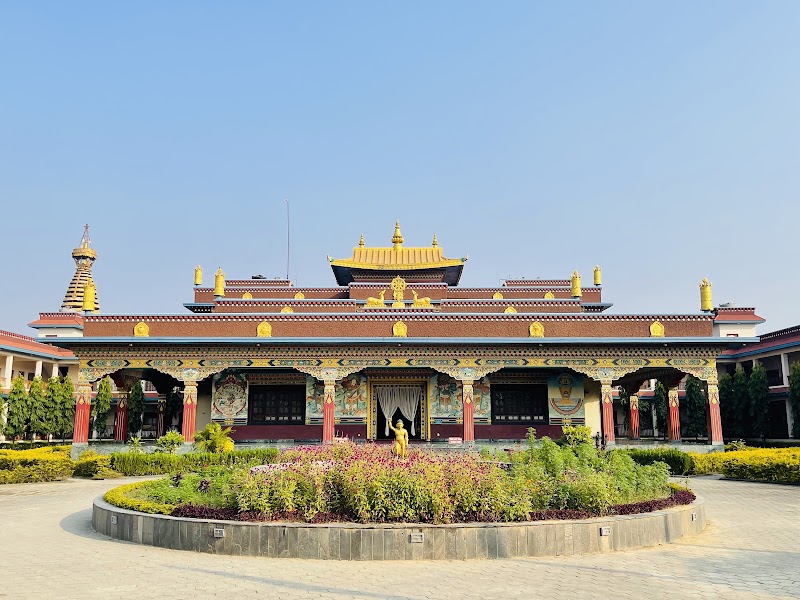
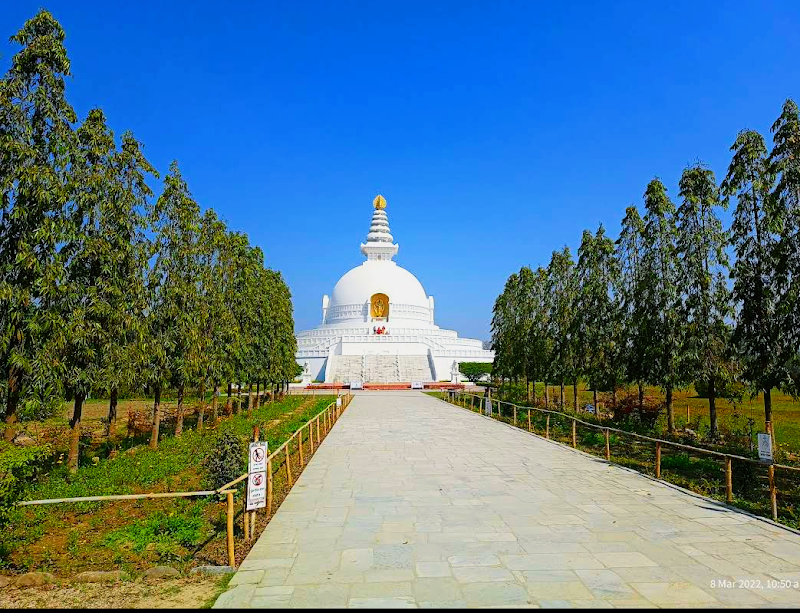
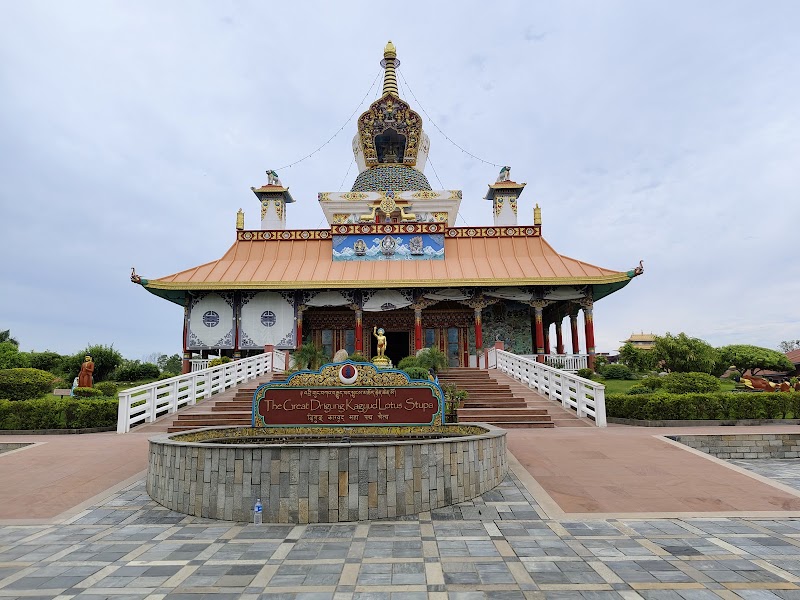
Beyond the sacred core, travellers frequently note monasteries and pagodas created by different nations. Their contrasting architectural styles turn the wider Lumbini Development Zone into a broad survey of Buddhist design. The Thai and Cambodian pagodas receive specific praise for their elaborate detailing and are described as architectural highlights.
The scale is a defining feature. Reviews repeatedly call the area massive or very huge, with considerable distances between pagodas. It should not be approached as a compact temple visit. A half-day stop can cover selected landmarks, but it is unlikely to provide a comprehensive look at the entire zone.
Planning the visit
Heat is the clearest practical concern raised in traveller feedback. The Terai plains can become intensely hot during the afternoon, making the long distances between buildings more demanding. An earlier start is the more comfortable option when conditions are warm, particularly for visitors hoping to see several monasteries.
Public reviews also indicate that entry arrangements are handled at the main Lumbini Development Zone ticket counter near Gate 1. Visitors arriving by car should expect vehicle entry and individual admission to be handled separately. As policies may change, current details are best confirmed on arrival.
Lumbini is near the India-Nepal border around Sonauli and Bhairahawa, and reviewers mention both road access and Bhairahawa’s international airport. Those using Lumbini as a stop between other Nepal destinations may need to prioritise the sacred birthplace area and a small number of national monasteries.
Editorial verdict
Synthesised public feedback points to an attraction with exceptional religious importance, impressive international architecture and a notably quiet atmosphere. Its strengths are history, reflection and cultural breadth. Its main drawback is logistical: the zone is too extensive to explore casually in a short, hot afternoon.
A half day works for the essential sights, while travellers with a deeper interest in Buddhism or monastery architecture will benefit from allowing longer. The strongest visit combines the Maya Devi Temple with Shanti Deep and selected national pagodas rather than attempting to cover everything at speed.
Ask anything
Looking for somewhere else?
Keep exploring around Lumbini
More from Nepal
Nepal · Jomsom
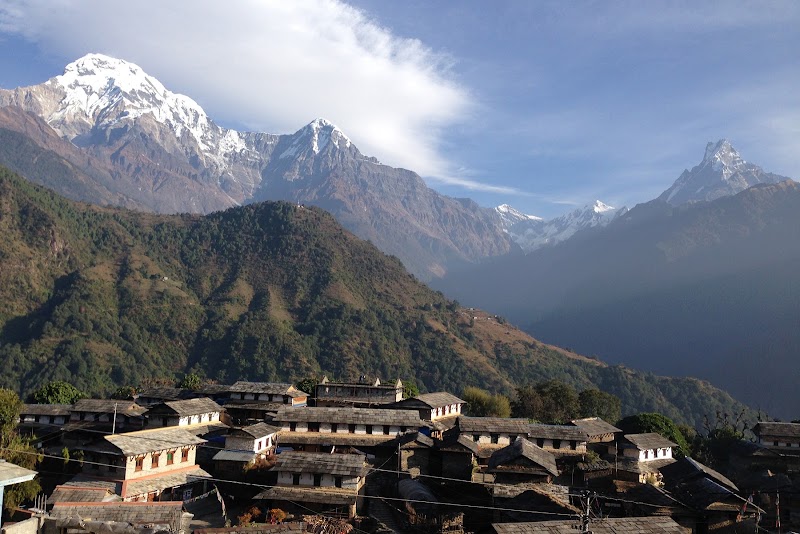
Annapurna Conservation Area: High Trails and Sacred Sites
Mountain panoramas, demanding trails and the pilgrimage site of Muktinath shape traveller impressions of this vast Himalayan region.
Nepal · Muktinath
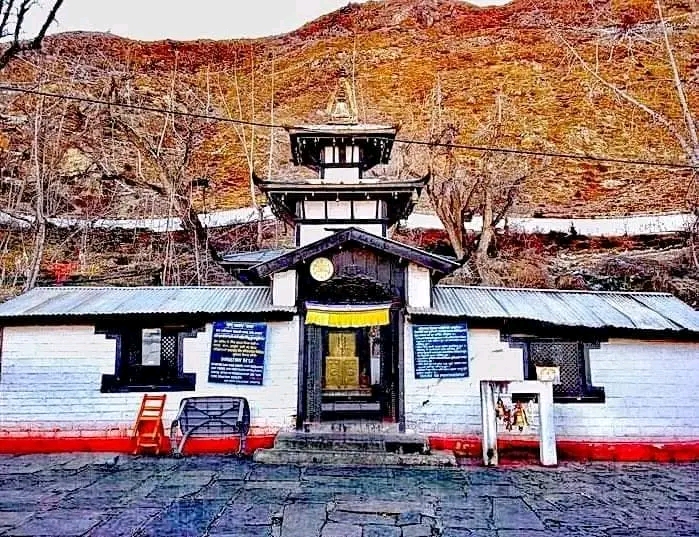
Muktinath Temple: Sacred Rituals in the Himalayas
A revered Hindu and Buddhist pilgrimage site known for its 108 icy waterspouts, mountain scenery and deeply peaceful atmosphere.

Nepal · Kathmandu
Bhedasing: Kathmandu Street Life and Newari Character
A crowded Kathmandu locality where street markets, clothing stalls, local food and traces of Newari architecture shape the experience.
Nepal · Pokhara
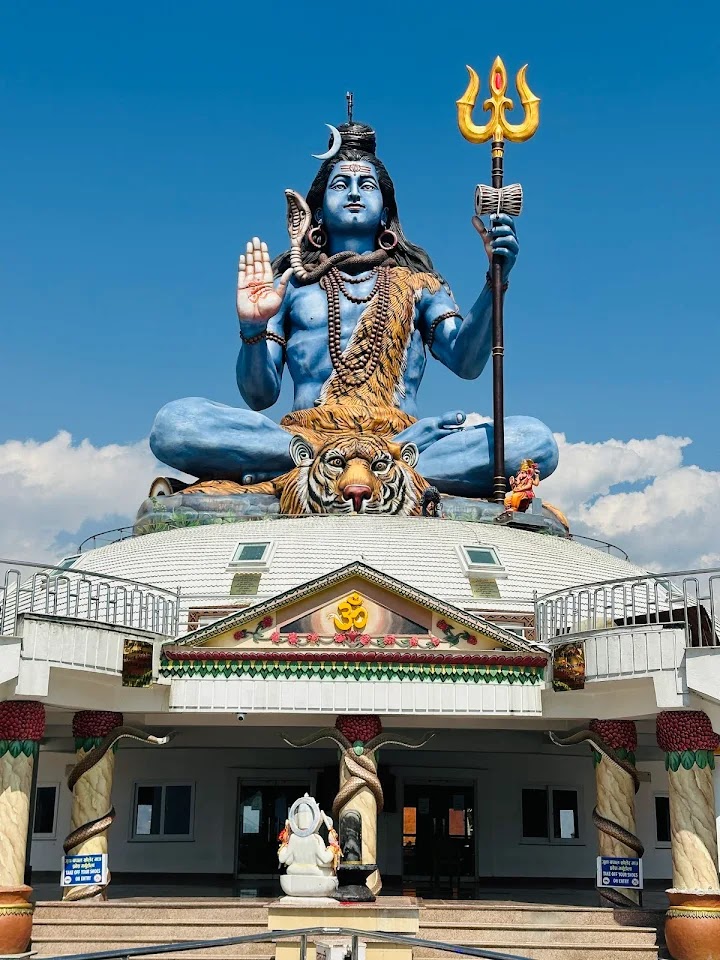
Pumdikot Shiva Statue: Peaceful Views Above Pokhara
A monumental Shiva statue, spiritual atmosphere and broad views over Pokhara make this hilltop attraction a rewarding short excursion.