Lamjung Durbar: A Historic Hilltop Above Besisahar
Lamjung Durbar combines a short uphill trek, deep regional history and broad views across Besisahar and the surrounding hills.
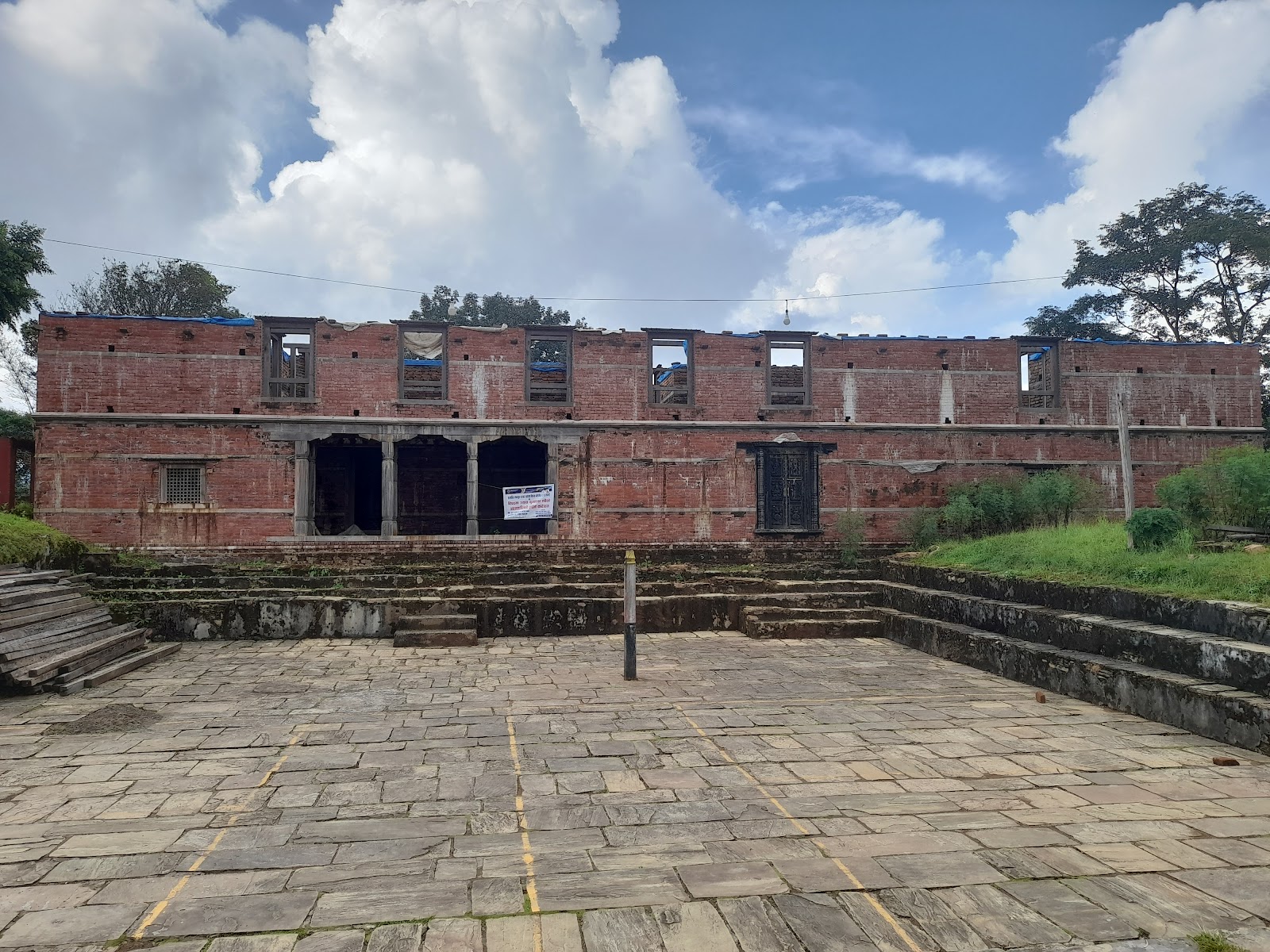
More photos
Photos published by travelers on Google, not AI generated.
What stands out
- Hilltop views over Besisahar
- Cool-weather trekking trail
- Sixteenth-century palace history
- Links with the Shah Dynasty
- Views of surrounding hills and Himalayan scenery
Worth knowing
- Roughly 1.5-hour uphill trek from Besisahar
- Small site, not a large palace complex
- Reports of litter and incomplete construction
Don't miss
What comes up most in public reviews
- Walk the trail from Besisahar
- Look over Besisahar from the palace
- See the hilltop fortification setting
- Ask about the Shah Dynasty connection
Worth the trip?
What the reviews show
Lamjung Durbar is a former palace and fortified historical site above Besisahar in Lamjung District, Nepal. Public Google reviews give it 4.4 from 263 reviews. The strongest pattern is clear: visitors come for the hilltop setting, the views and the site’s place in Nepalese history. Several reviewers describe the location as fitting for a durbar, with the palace positioned high above the settlement and the landscape opening out around it.
The setting carries much of the appeal. Reviewers mention cool weather, green hills and views towards the Himalayan landscape. Besisahar can be seen from the palace area, giving the visit a useful sense of the town’s position in the wider district. It is a scenic stop, but the scenery is earned.
The walk and the setting
The approach is described as roughly a one-and-a-half-hour trek from Besisahar. That makes Lamjung Durbar more suitable for visitors who are comfortable walking uphill than for anyone seeking an easy roadside attraction. The route is part of the experience, with reviewers calling it a good trail for trekking.
The destination itself is smaller than some travellers expect. One review specifically notes that the place is very small, despite the word “durbar” suggesting a larger palace complex. Expectations matter here. This is best understood as a compact historic site on a prominent hill, not a fully restored royal compound.
At the top, the reward is the view across Besisahar and the hills. The high position also helps explain the site’s historical function. Reviewers describe it as a place where rulers could govern and protect themselves during conflict.
Why the history matters
Lamjung Durbar is linked in public reviews with the early history of the Shah Dynasty, which ruled Nepal until the monarchy was abolished. Reviewers identify it as the palace of Yashobrahma Shah, described as the son of Kulamandal Shah of Kaski. The site is also associated with Ghale Gurung rulers and is generally dated to the sixteenth century in the supplied visitor accounts.
That history gives the visit more weight than the surviving structures alone might suggest. The buildings are not presented as complete or extensively restored. One review mentions an incomplete building, while another focuses on the importance of seeing how earlier kings ruled from a hilltop stronghold. Visitors interested in local history will likely find the context more compelling than the scale.
Practical expectations
Lamjung Durbar suits travellers already spending time in Besisahar, especially those looking for a half-day walk with a historical purpose. The public feedback is positive about the location and views, but less positive about site management. A reviewer criticises the placement of bins and reports plastic litter around the area, alongside concerns about unfinished construction.
The visit is therefore best approached as a scenic, historically important outing rather than a polished heritage attraction. Comfortable walking shoes, time for the uphill trail and realistic expectations about the small site will improve the experience. Once there, visitors should pause for the Besisahar view and take in the hilltop position that shaped Lamjung Durbar’s role.
Plan the rest of the trip
Ask anything
Looking for somewhere else?
Keep exploring around Besisahar
More from Nepal
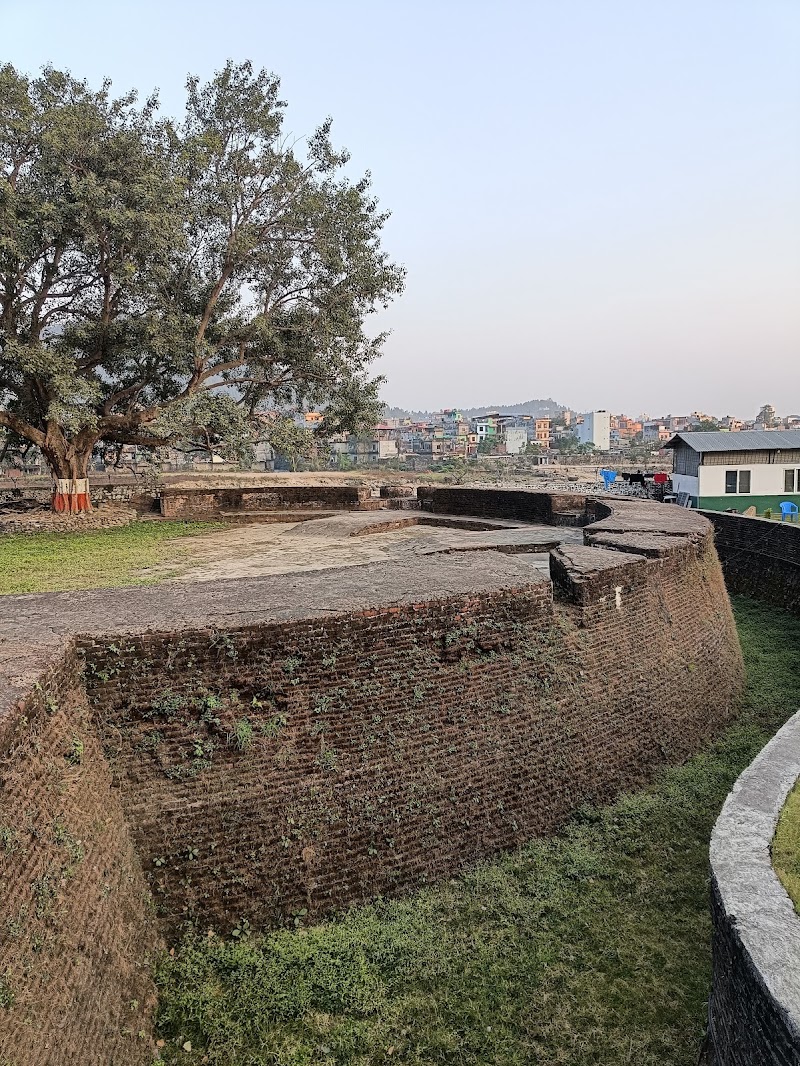
Nepal · Butwal
Jitgadi Fort: Butwal’s Historic Riverside Landmark
Jitgadi Fort is a compact heritage site near the Tinau River, remembered for Nepal’s victory over the British East India Company.
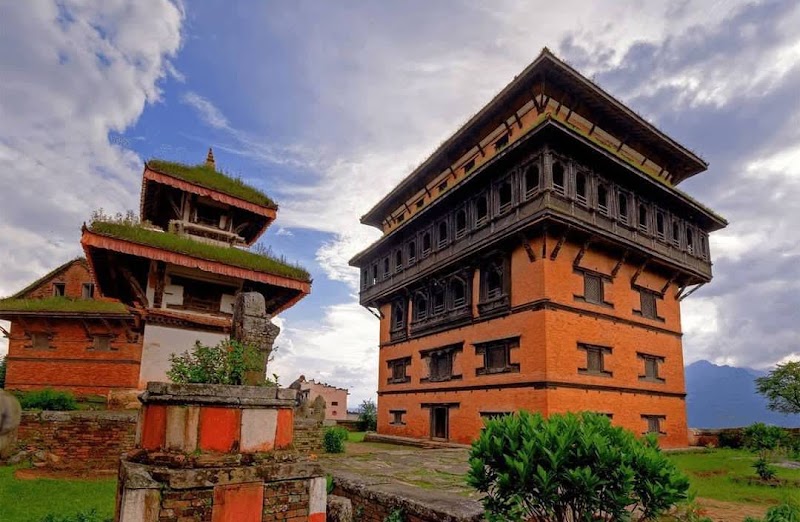
Nepal · Bidur
Nuwakot Durbar Square: History Under Restoration
This hilltop landmark near Bidur preserves royal history and temple architecture, though ongoing restoration currently limits what visitors can see.
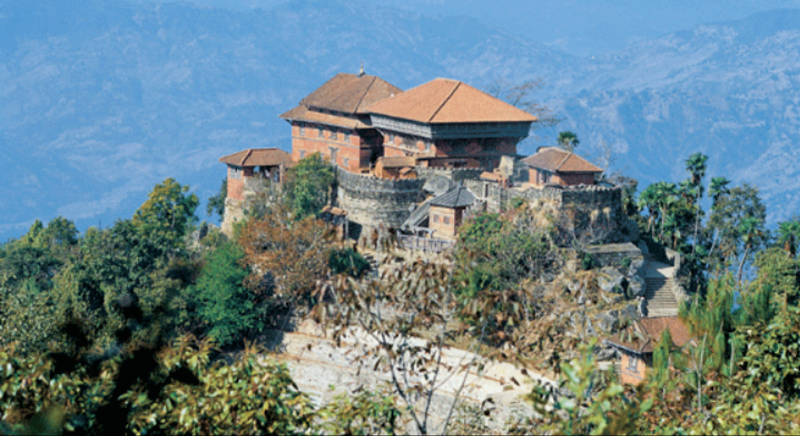
Nepal · Gorkha Bazar
Gorkha Palace: Nepalese History Above Gorkha Bazar
Gorkha Palace rewards the uphill walk with royal history, temple architecture and broad views towards the surrounding hills and Mount Manaslu.
Nepal · Lumbini Sanskritik
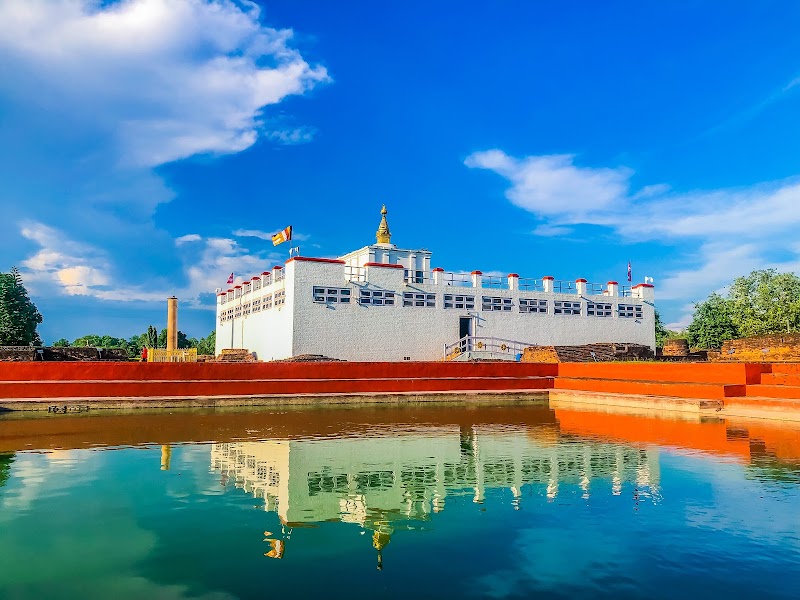
Maya Devi Temple: Lumbini’s Sacred Birthplace Site
Maya Devi Temple brings together Buddhist devotion, archaeological remains and quiet gardens at the heart of Lumbini, Nepal.