Gorkha Palace: Nepalese History Above Gorkha Bazar
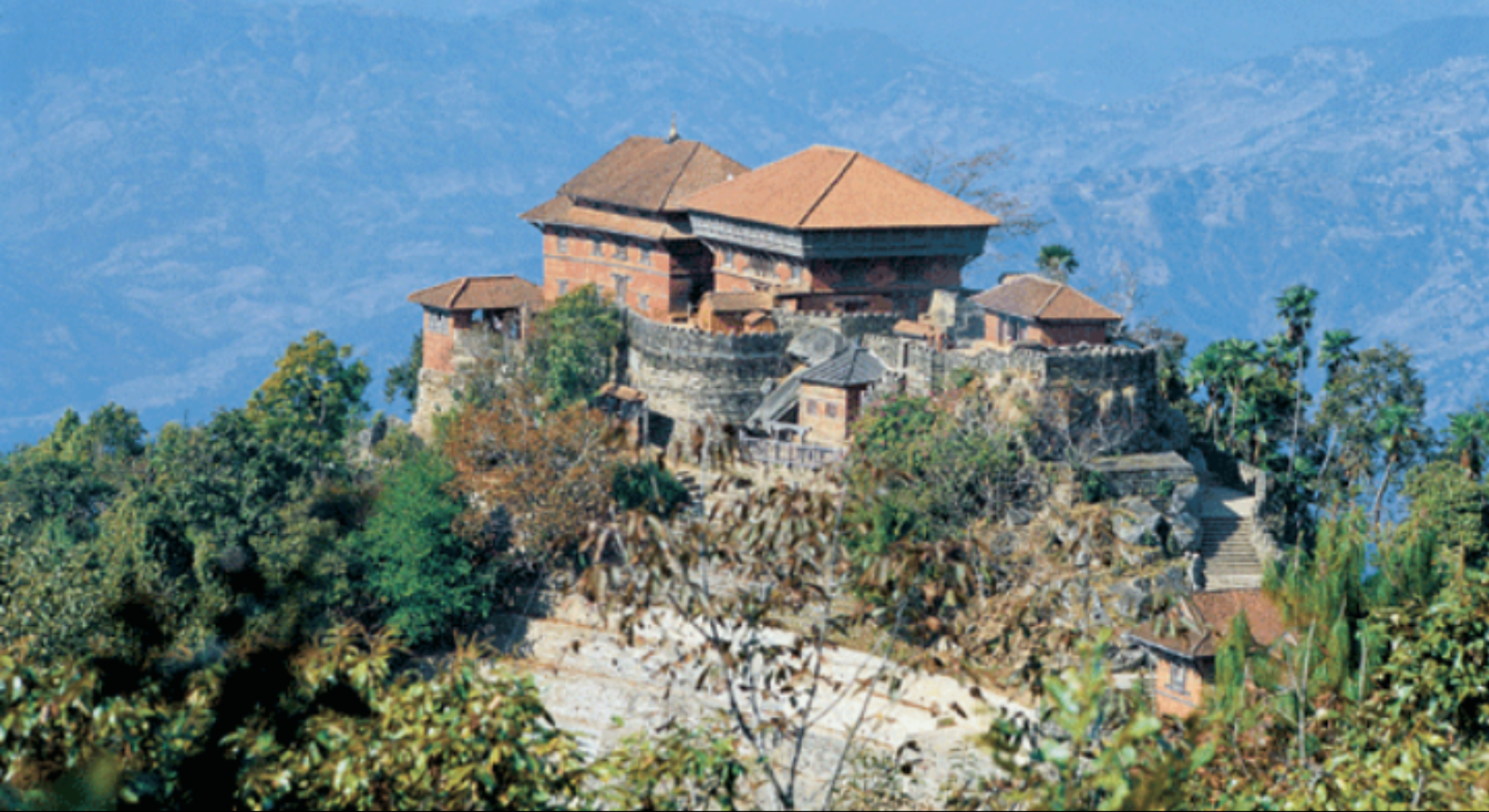
Gorkha Palace rewards the uphill walk with royal history, temple architecture and broad views towards the surrounding hills and Mount Manaslu.
More photos
Photos published by travelers on Google, not AI generated.
What stands out
- King Prithvi Narayan Shah’s ancestral palace
- Traditional palace, fort and temple architecture
- Views over Gorkha and surrounding hills
- Possible views of Mount Manaslu
- Peaceful, less crowded atmosphere
Worth knowing
- The traditional route involves about 1,500 stone steps
- Mountain views depend on clear weather
- Check current access arrangements locally
Don't miss
What comes up most in public reviews
- Walk the traditional stone stair route
- See the Gorakhnath Temple
- Visit the Kalika Temple
- Look for Mount Manaslu on a clear day
Worth the trip?
Why visit Gorkha Palace
Gorkha Palace, also known as Gorkha Durbar, sits above Gorkha Bazar on a strategic hilltop in Nepal. Public reviews give the landmark 4.5 from 1550 reviews, with visitors returning to the same themes: national history, religious significance, traditional architecture and mountain scenery.
The complex is closely tied to King Prithvi Narayan Shah, remembered as the founder of modern Nepal. Reviewers describe the palace as his ancestral home and place its story within the unification of the country. That historical connection gives the site more weight than a straightforward viewpoint or an old building. It is a place where Nepalese state history, local memory and religious practice meet.
The climb and the setting
The traditional approach involves roughly 1,500 stone steps. It is a real uphill walk, but reviews consistently describe the climb as worthwhile. The route adds a sense of arrival that a vehicle cannot provide, with the palace and temples appearing at the top of the ridge.
The reward is a wide outlook over Gorkha and the surrounding hills. On a clear day, visitors may see Mount Manaslu. Several reviews call out the views as a major reason to make the trip, especially when the weather is bright and visibility is good. A rear road approach is also described as improving, though the stairs remain the more historic way to reach the complex.
What to see inside
The architecture combines palace, fort and temple elements. Reviewers point to the traditional construction and the chance to observe older building techniques. The complex includes the Gorakhnath Temple and Kalika Temple, both identified in public reviews as important religious sites.
The palace itself is the central draw, but the wider setting matters. Its hilltop position explains the site’s defensive importance and makes the views part of the experience. Visitors interested in Nepalese history will find the connection to King Prithvi Narayan Shah particularly significant. Those with an interest in architecture can look closely at the complex’s traditional details and the way religious buildings sit within the fortified setting.
Planning the visit
Reviews portray Gorkha Palace as peaceful and less crowded than many major heritage attractions. Local visitors are said to make up much of the footfall, which can make the visit feel calm and rooted in the place rather than arranged solely for tourists. One public review reports that no ticket was needed at the time of that visit, but access arrangements can change and should be checked locally.
A half day is enough for the climb, the palace complex, the temples and time at the viewpoint. Comfortable footwear will help on the stone stairs. Clear daytime conditions offer the best chance of seeing Mount Manaslu. Gorkha Palace suits travellers who want a compact cultural stop with a physical approach and strong historical context. It is less suitable for anyone avoiding steep climbs.
Plan the rest of the trip
Ask anything
Looking for somewhere else?
Keep exploring around Gorkha Bazar
More from Nepal
Nepal · Lumbini Sanskritik
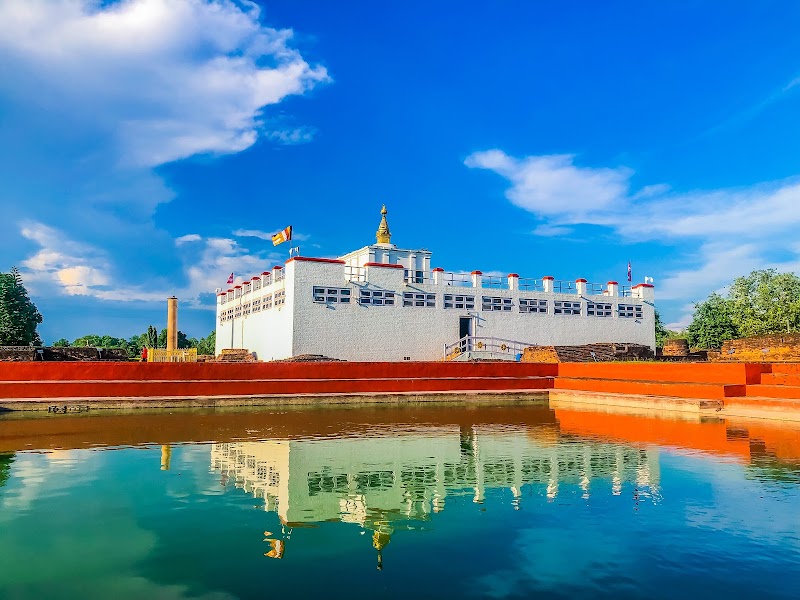
Maya Devi Temple: Lumbini’s Sacred Birthplace Site
Maya Devi Temple brings together Buddhist devotion, archaeological remains and quiet gardens at the heart of Lumbini, Nepal.
Nepal
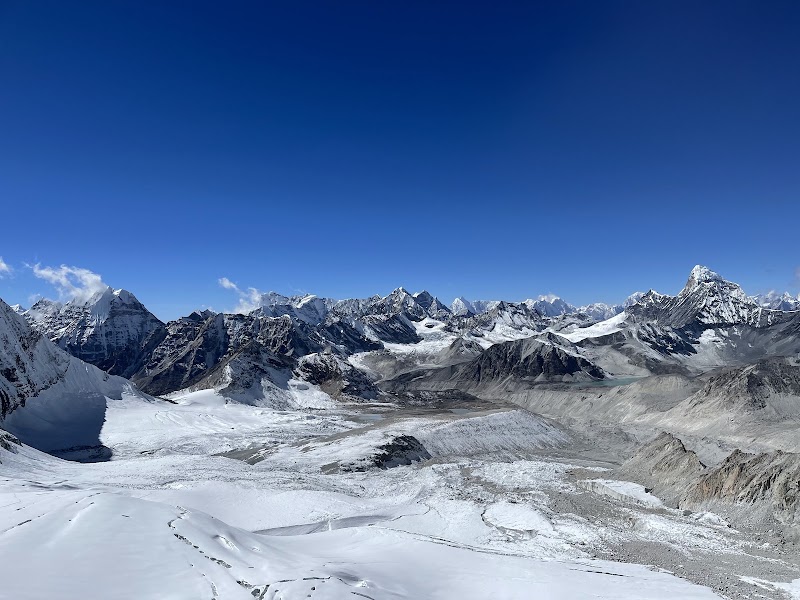
Makalu Barun National Park: A Demanding Himalayan Trek
Public reviews describe a remote Nepalese park with steep trails, the Arun River and striking views toward Makalu and the wider Himalayas.
Nepal · Nagarjun
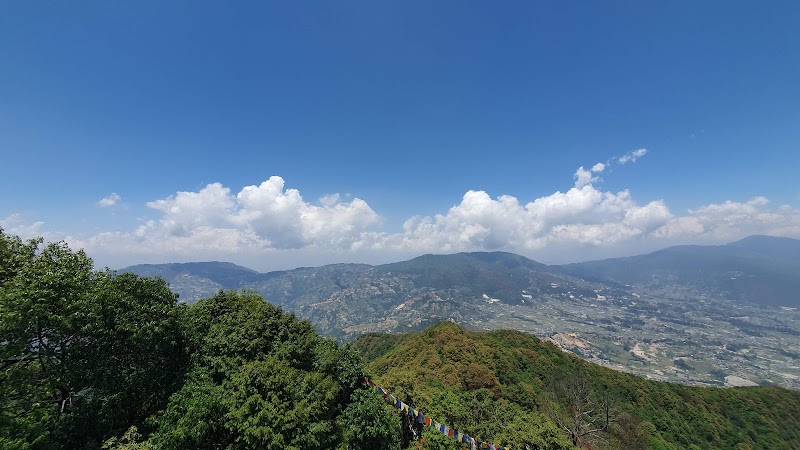
Nagarjun Forest Reserve: A Strong Day Hike Near Kathmandu
Public reviews praise the forest, hiking and nearby nature, but visitors report inconsistent entrance rules and compulsory guides for some foreign travellers.
Nepal
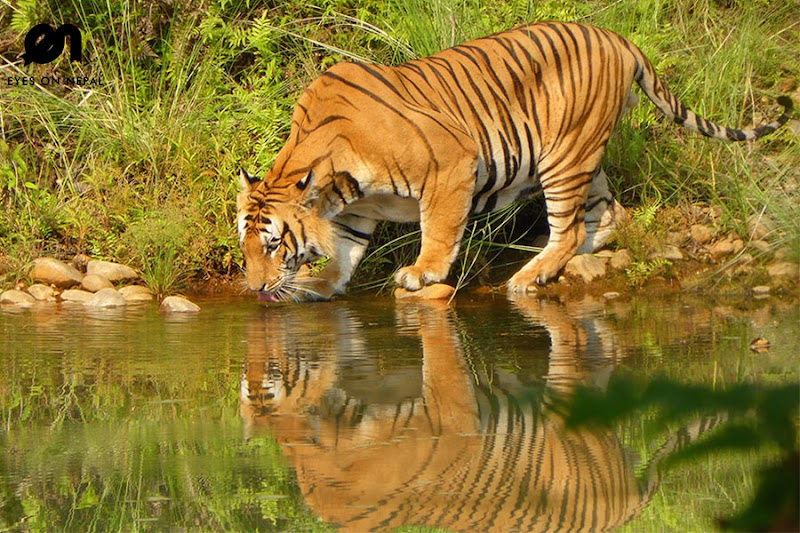
Bardiya National Park Rewards Patient Wildlife Seekers
Bardiya National Park offers quiet jungle safaris, river trips and a realistic chance of seeing rare wildlife in rural western Nepal.