Lake Titicaca: High-Altitude Landscapes and Living Culture
Public reviews describe Lake Titicaca as a breathtaking high-altitude lake where Uros islands and island communities shape the experience.
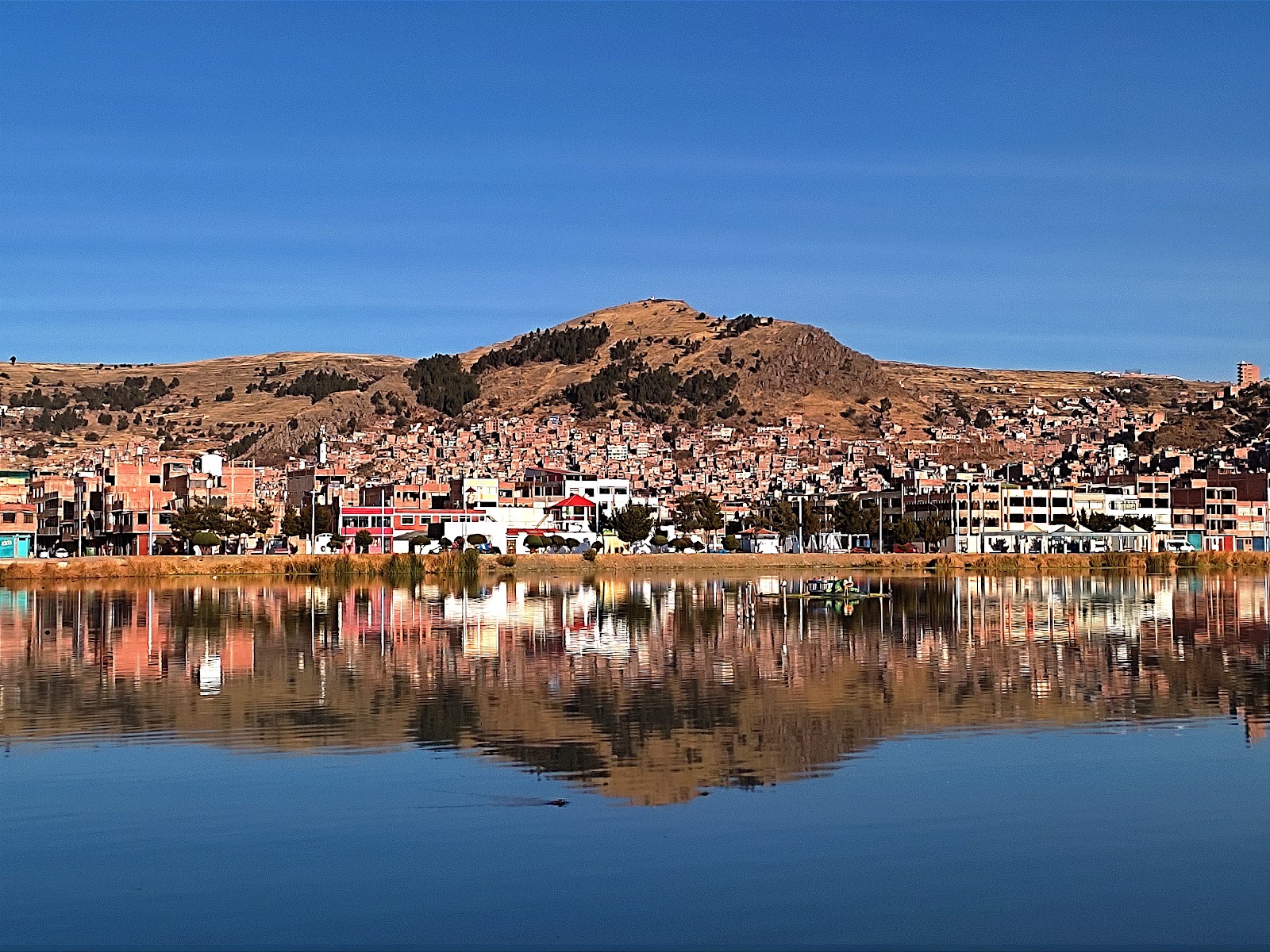
More photos
Photos published by travelers on Google, not AI generated.
What stands out
- Breathtaking blue high-altitude water
- Floating islands of the Uros
- Traditional weavers of Taquile
- Peaceful community of Amantaní
- Colourful clothing and woven art
Worth knowing
- Thin air at high elevation
- The lake is vast, so visits need focused planning
Don't miss
What comes up most in public reviews
- Visit the floating islands of the Uros
- Learn about Uros history and language
- See traditional weaving on Taquile
- Spend time with the community on Amantaní
Worth the trip?
Why travellers remember it
Public ratings give Lake Titicaca a 4.5 score from 3,012 Google reviews. The recurring appeal is clear: enormous blue water, dramatic elevation and a cultural experience that feels distinct from a standard sightseeing stop.
Reviewers repeatedly call the lake magical, gorgeous and breathtaking. One public description places it at 3,812 metres above sea level and identifies it as the world’s highest navigable lake. The altitude is part of the setting, but it also shapes the visit. The air is thin, and travellers should expect the elevation to be noticeable.
The cultural highlights
The lake’s communities are central to what visitors come to see. Reviews single out the Uros, whose floating islands are made from a local sturdy straw. Their way of life, language and history are frequent subjects of interest. One reviewer refers to the Uros’ historic name, Lupihaques, meaning “sons of the Sun.”
Traditional clothing and textile work also stand out. Visitors mention colourful costumes, handmade woven pieces and the distinctive knit “paintings” associated with the communities around the lake. The appeal is not limited to scenery. Public feedback consistently presents Lake Titicaca as a place where the landscape and Indigenous culture are closely connected.
What to see
The floating islands of the Uros are the most frequently mentioned stop. They offer a close look at the man-made islands and the materials used to construct them. Reviews also point to Taquile, known for its traditional weavers, and Amantaní, described as a peaceful community.
The lake itself deserves time, not just a passing glance from a boat. Its scale and intense blue colour are recurring themes in the reviews. The open views make the water and surrounding highland landscape the main visual experience, while the communities provide the strongest sense of place.
Planning the visit
Lake Titicaca suits travellers who want scenery with a strong cultural dimension. The public feedback is especially enthusiastic about learning how local communities live, seeing traditional work and meeting people connected to the lake. It is less suited to anyone looking only for a quick landscape photograph.
The reviews do not establish a best season or time of day. They do establish one practical consideration: altitude. Visitors should plan around the thin air and avoid treating the lake as an ordinary lowland excursion. A focused visit can cover the best-known cultural stops, while more time allows the lake’s scale and quieter communities to register properly.
The overall verdict is strong. Lake Titicaca combines an extraordinary physical setting with traditions and communities that reviewers regard as the defining part of the experience.
Plan the rest of the trip
Ask anything
Looking for somewhere else?
Keep exploring
More from Peru
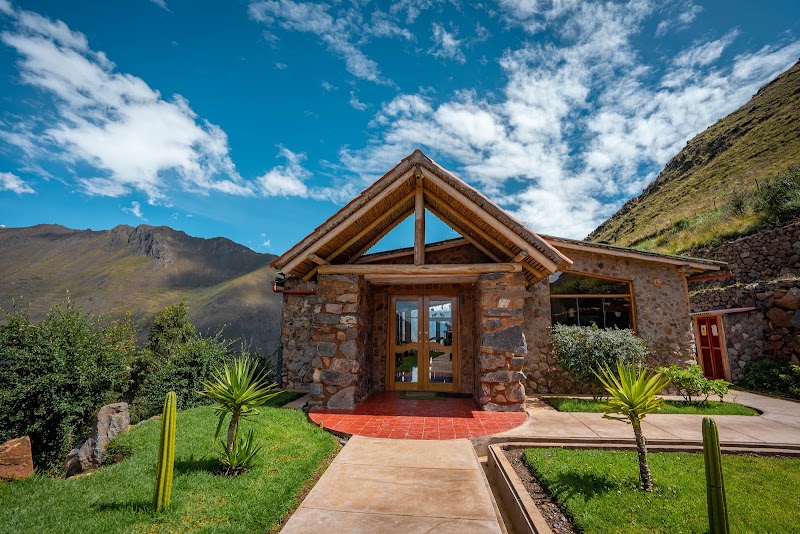
Peru · Ollantaytambo
StarDome Peru: Mountain Views and Quiet Nights in Ollantaytambo
Public reviews describe a distinctive mountain stay with dome rooms, attentive service, cultural activities, farm animals and wide valley views.
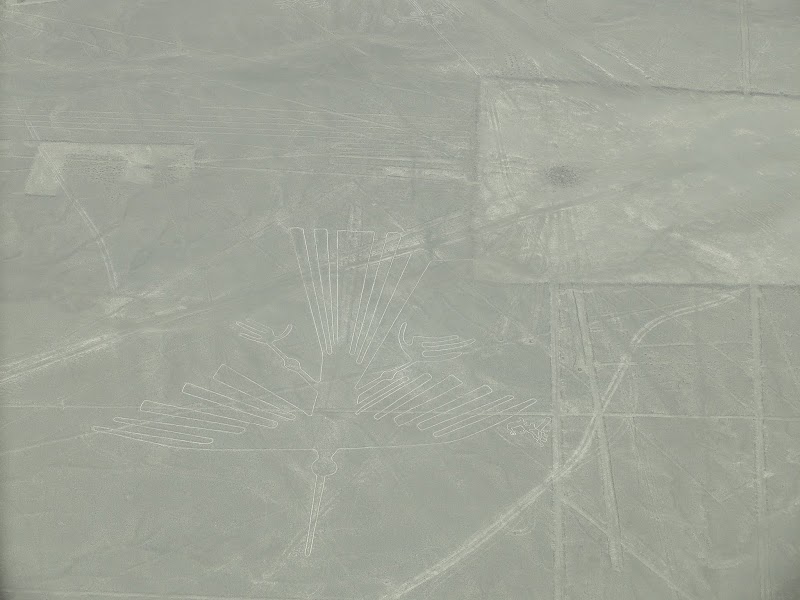
Peru · Estudiantes
Nazca Condor: A Striking Geoglyph in the Nazca Desert
Public reviews describe a powerful, large-scale geoglyph whose surrounding lines add to the mystery and make it worth seeking out.
Peru · 67448P97+CC
Abiseo River National Park: A Remote Natural Escape
Public reviews praise the park’s untouched scenery and wildlife, but provide little practical guidance for planning a visit.
Peru · Cusco
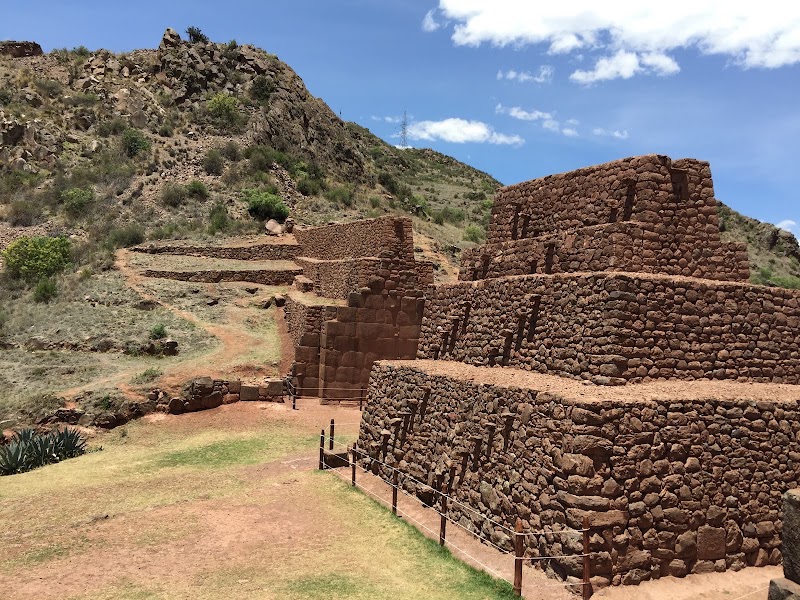
Rumicolca: Wari Stonework Along the Inca Road
This quiet archaeological site near Cusco reveals Wari engineering, Inca alterations and a surviving section of the Qhapaq Ñan.