Kuressaare linnus: Saaremaa’s formidable island fortress
An exceptionally intact castle, broad history museum and moat-ringed fortifications make this Kuressaare’s defining landmark.
More photos
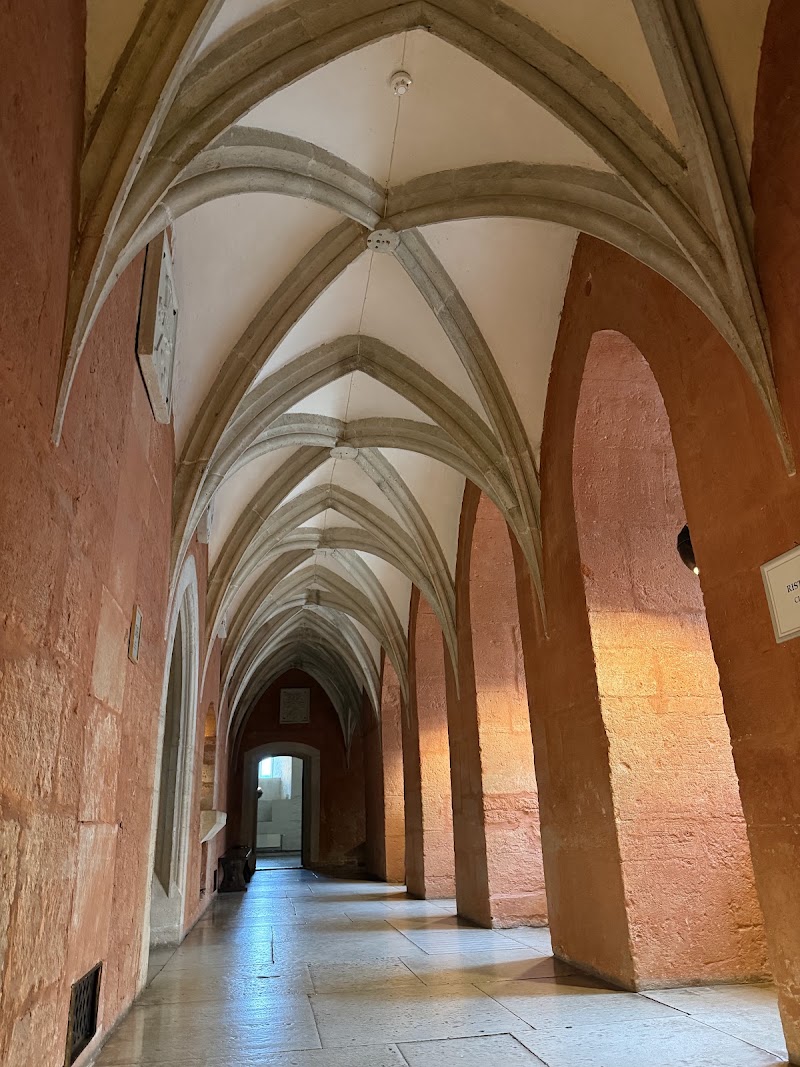
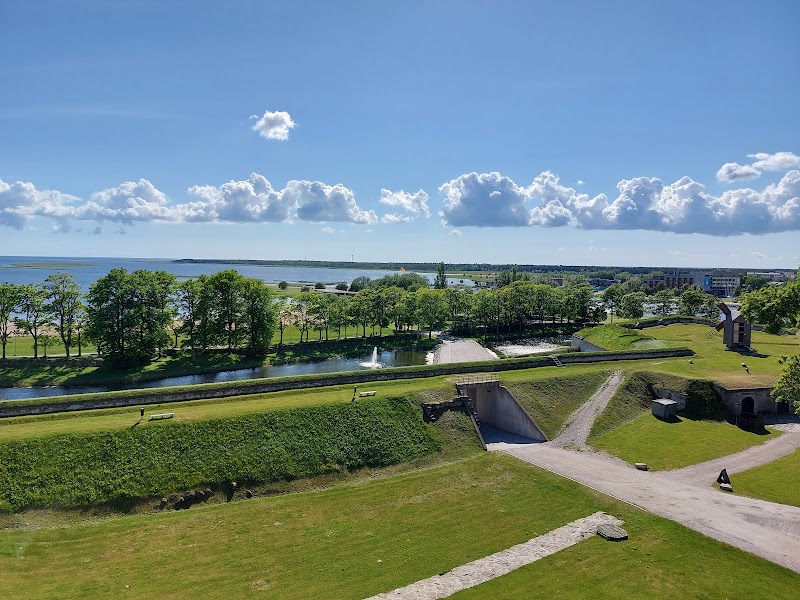

Photos published by travelers on Google, not AI generated.
What stands out
- Well-preserved medieval castle
- Moat and flower-like fortification layout
- Saaremaa and Estonian history museum
- Soviet-era exhibition
- Atmospheric medieval interiors
Worth knowing
- Numerous exhibitions can feel overwhelming
- Some displays may seem unrelated to the castle
Don't miss
What comes up most in public reviews
- Medieval castle interior
- Museum of Saaremaa and Estonian history
- Moat and surrounding fortifications
- Story of the immured knight
- Wooden coats of arms
Worth the trip?
Why it stands out
Kuressaare linnus, also known as Kuressaare Castle or fortress, is widely treated by reviewers as the leading historical attraction in Kuressaare and across Saaremaa. Its Google rating of 4.7 from 6374 reviews reflects unusually strong enthusiasm for a major landmark rather than a quick photo stop.
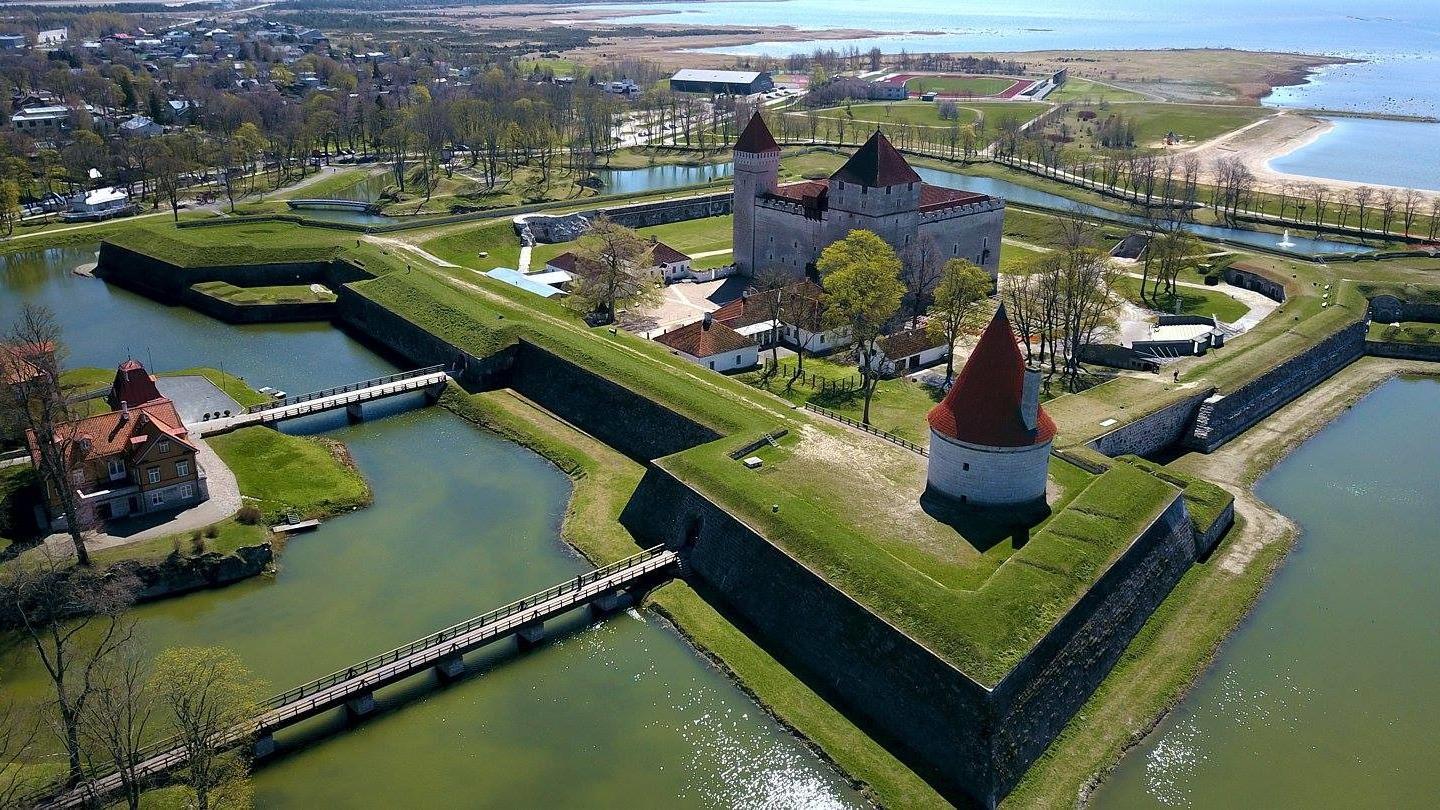
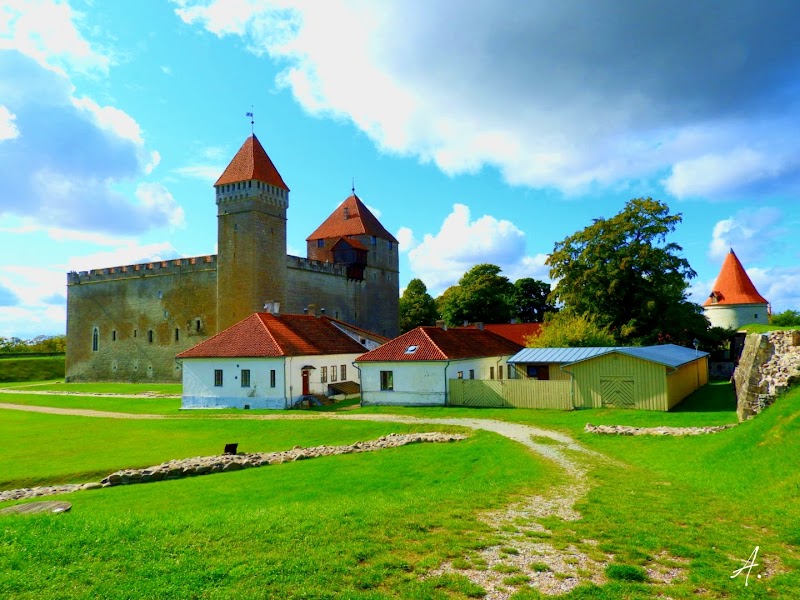
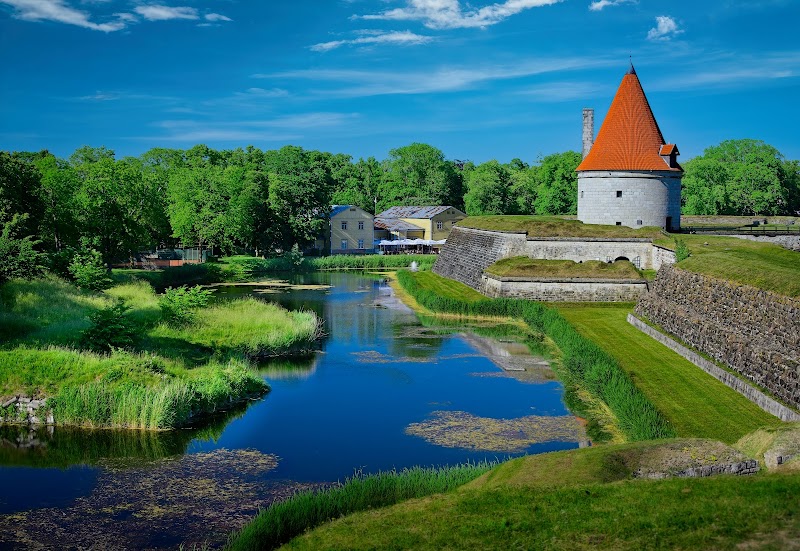
Public reviews repeatedly praise the site’s state of preservation. The compact medieval castle forms the centrepiece, while the surrounding moat and extensive defensive earthworks reveal how it later developed into a gun fortress. One reviewer likens the wider fortification plan to a flower, an observation that makes the layout easier to appreciate from the paths outside.
The setting is a major part of the appeal. The fortress occupies an artificially formed island within the moat, creating clear views of the walls and defensive system. Even visitors less interested in museum displays are likely to find the exterior worth exploring.
Inside the castle
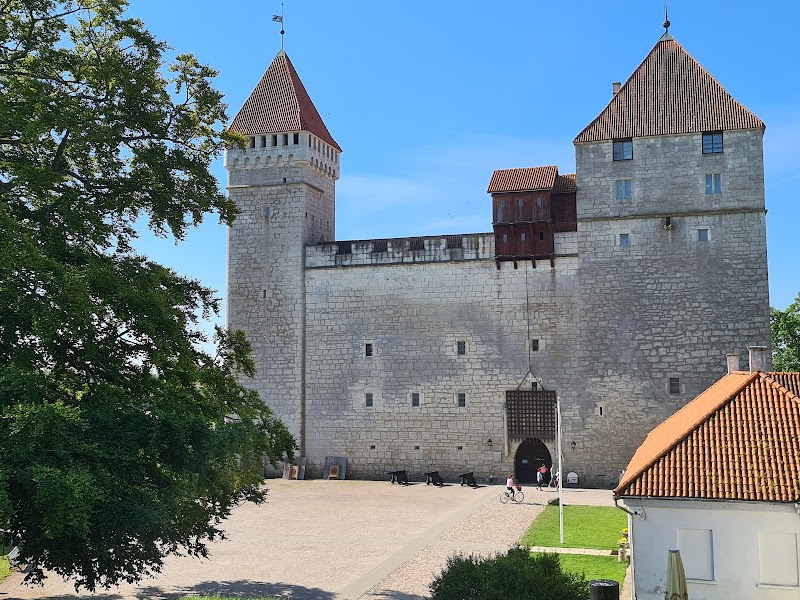
The interior operates as a history museum covering Saaremaa and Estonia. Reviews highlight the atmosphere of the medieval rooms, where thick walls and a relatively restrained design keep the building itself central to the experience. Large wooden coats of arms displayed in the medieval section are singled out as a memorable decorative feature.
The exhibitions extend well beyond the castle’s architecture. One notable display examines everyday Estonian life during the Soviet period, while other galleries explore local and national history. This breadth earns strong praise from history-minded visitors, including one reviewer who considers it among Estonia’s best museums.
There is also a darker thread to the visit. The story of the immured knight, presented near the entrance, is mentioned as an especially effective introduction to the castle’s legends and mood.
What reviewers liked
Preservation, atmosphere and historical range dominate the positive feedback. Visitors describe the castle as beautiful, intact and carefully maintained, with enough material to reward a substantial visit. The contrast between the simple medieval stronghold and the larger fortification system helps distinguish Kuressaare linnus from a museum housed in an ordinary historic building.
The wider grounds add variety. A windmill on the fortress territory can be entered and explored, and a restaurant is also mentioned in public feedback. Together with the moat and outdoor paths, these features make the landmark more than an indoor museum visit.
What to know before visiting
The museum’s scope is also its main weakness. At least one reviewer found the number of exhibitions overwhelming and felt that some displays had little connection to the castle. Visitors primarily interested in architecture may prefer to concentrate on the medieval interior, defensive works and grounds rather than attempting every gallery.
The available reviews do not establish a reliably quieter season or time of day. Allowing half a day is sensible for travellers who want to see both the museum and the fortifications without rushing. Overall, the public-review pattern supports Kuressaare linnus as Saaremaa’s essential historical stop, particularly for travellers interested in castles, military architecture and regional history.
Ask anything
Looking for somewhere else?
Keep exploring around Kuressaare
More from Estonia
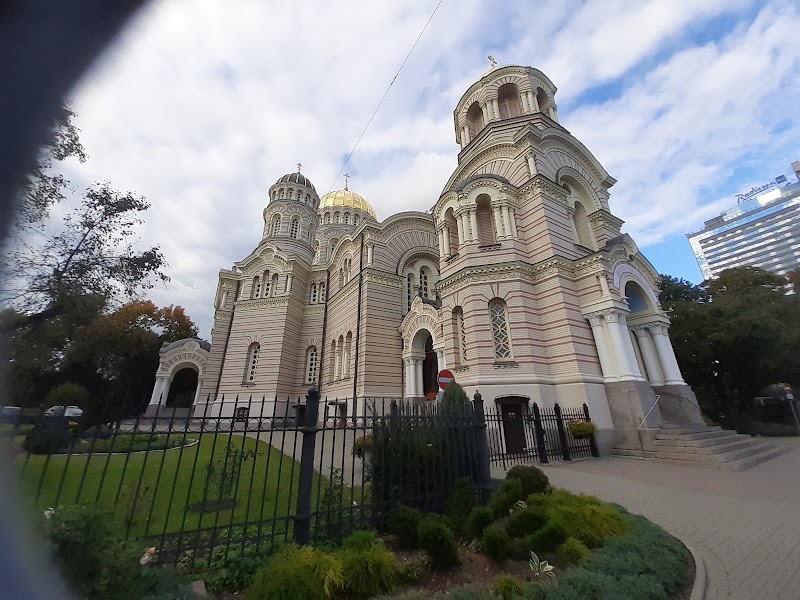
Estonia · Riga
Riga’s UNESCO historic centre rewards unhurried walks
Medieval streets, Art Nouveau architecture and a well-preserved Old Town make central Riga especially rewarding for travellers who enjoy exploring on foot.
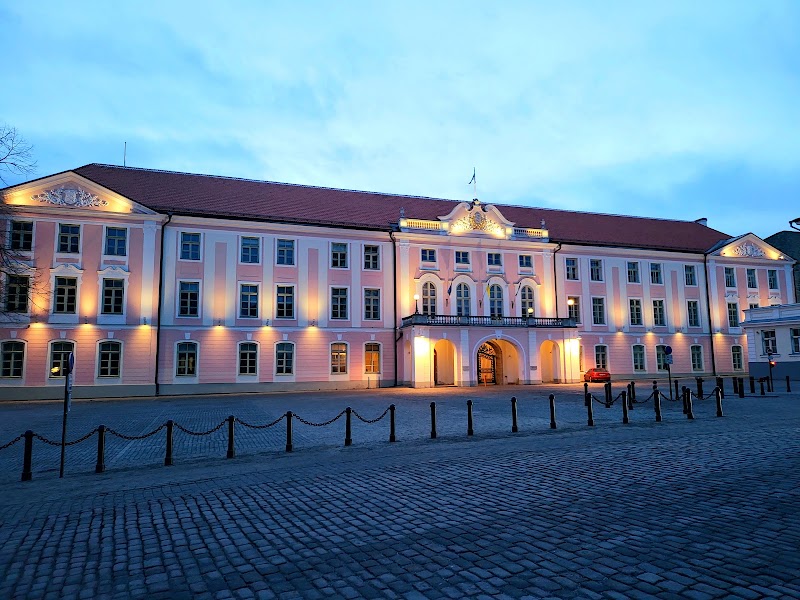
Estonia · Tallinn
Parliament of Estonia: Tours Inside Toompea Castle
Public tours offer a closely managed look at Estonia’s legislature, its distinctive 1920s architecture and chambers within Toompea Castle.
Estonia · Tallinn
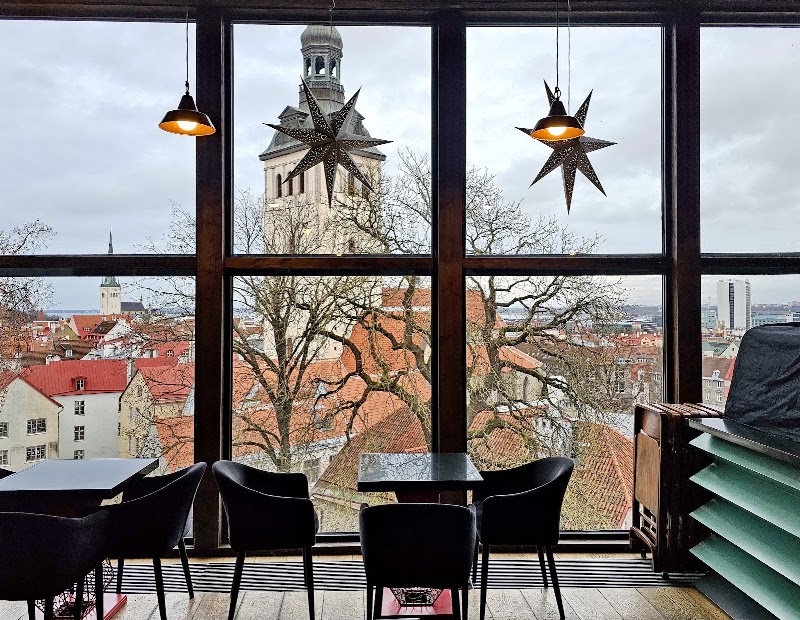
Maiden Tower Museum-Cafe: Old Town Views in Tallinn
Tallinn’s Maiden Tower pairs a compact historical visit with thick medieval walls, rooftop views and a simple café praised for its setting.
Estonia · Tallinn
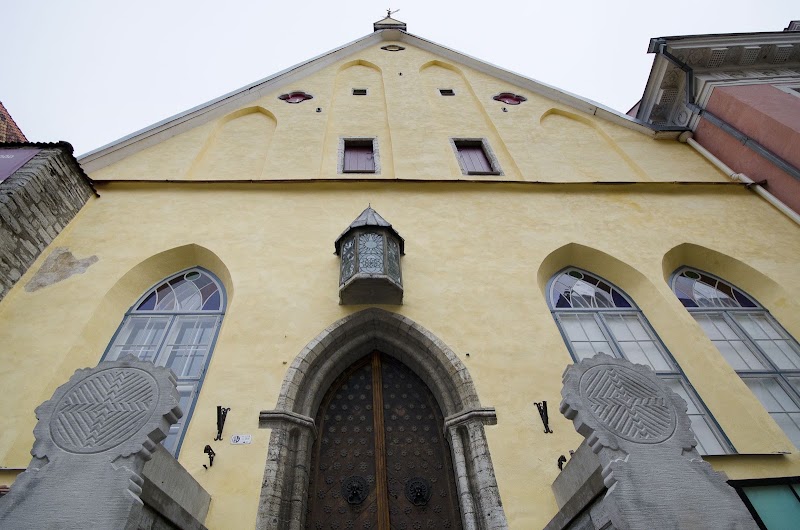
Estonian history inside Tallinn’s Great Guild Hall
A broad, accessible introduction to Estonia, with strong Hanseatic displays, historic objects and interactive learning inside a notable old hall.