Kinh Thien Palace: A Quiet Window into Imperial Hanoi
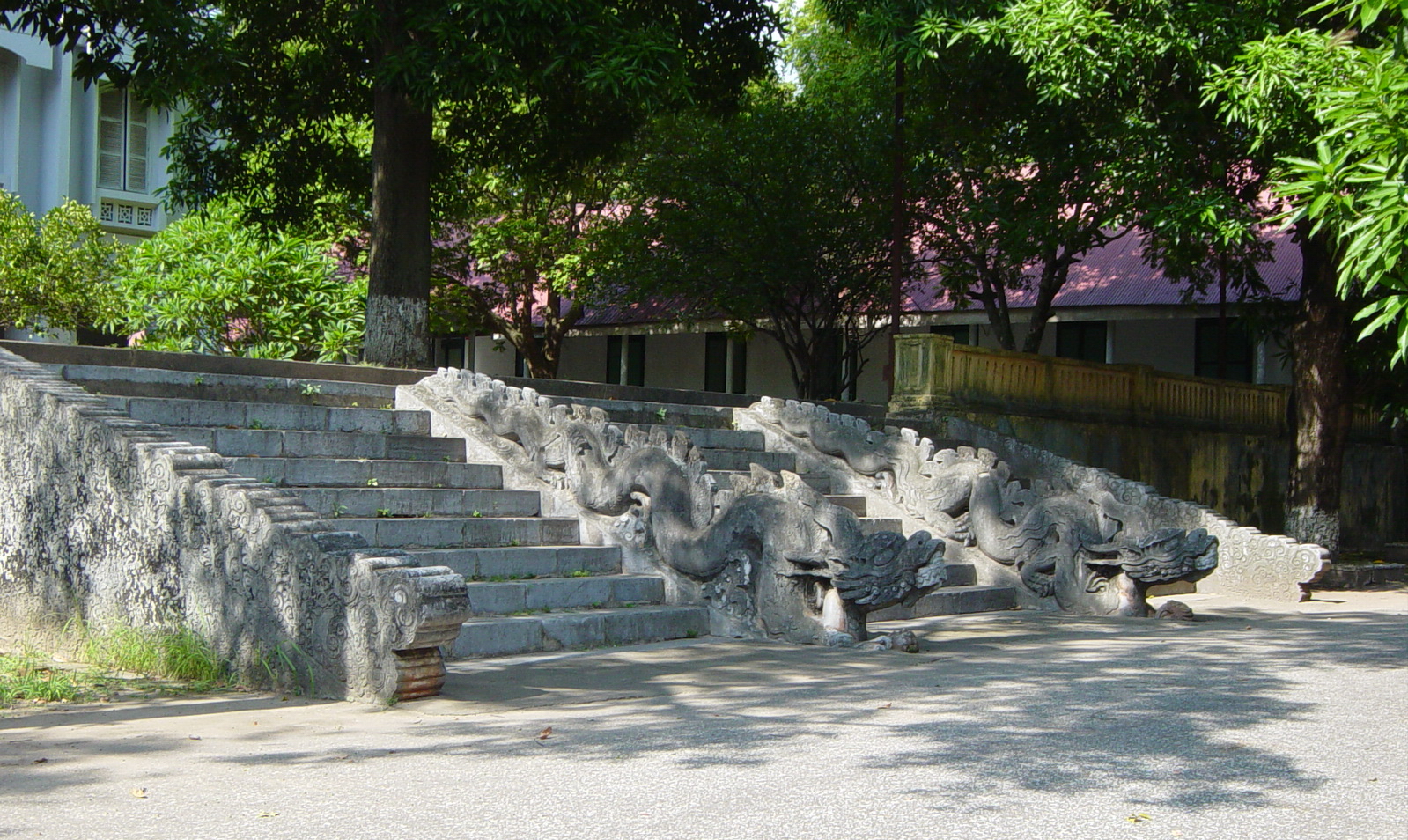
The surviving dragon steps and nearby exhibitions give visitors a thoughtful look at the former centre of Thang Long’s imperial citadel.
More photos
Photos published by travelers on Google, not AI generated.
What stands out
- Surviving grand dragon entrance
- Six or seven exhibition areas
- Royal examinations and preserved writings
- Chinese and Western buildings
- Calm grounds with air-conditioned stops
Worth knowing
- Construction or maintenance may block areas
- Audio guide may lack enough detail
- The palace itself was destroyed in 1886
Don't miss
What comes up most in public reviews
- See the grand dragon entrance
- Visit the exhibition areas
- Look for royal examination materials
- Ask for a guide
- Explore it as part of the Imperial Citadel of Thang Long tour
Worth the trip?
What the reviews show
Kinh Thien Palace is part of the Imperial Citadel of Thang Long in Hanoi, Vietnam. Public reviews give it a Google rating of 4.4 from 426 reviews. Visitors describe a historic site with a calm pace, substantial archaeological and architectural interest, and enough exhibitions to make a visit worthwhile even though the palace itself no longer survives in full.
The central attraction is the former palace site, once associated with the political and military heart of Thang Long. One review places its significance between the 15th and 19th centuries, before the palace was destroyed in 1886. The grand dragon entrance remains, offering the clearest surviving glimpse of the building’s former scale and status.
What visitors can see
The wider area includes around six or seven exhibition spaces, according to one detailed review. These cover preserved writings, royal examinations, evidence from different dynasties and dragon-related artistic details. Kinh Thien Palace forms part of the broader Imperial Citadel of Thang Long tour, so visitors are likely to get more from it when they treat the palace as one stop within the larger historic complex.
The site also reflects several layers of Hanoi’s past. A reviewer noted both Chinese and Western buildings, while another described the grounds as a former royal residence and military area. That mix adds visual interest, though the main appeal is historical rather than grand architectural spectacle. The palace’s absence is part of the story. The surviving remains require some imagination.
Practical expectations
Reviews suggest a slow walk works well. Some visitors appreciated the open air and the chance to pause in air-conditioned exhibition areas. The grounds appear suited to an unhurried visit rather than a quick photograph and departure. Small details can catch the eye too, including pigeons sheltering in holes around the site.
Interpretation is the main weakness mentioned in the reviews. One visitor would have preferred a guide and found the available audio insufficiently informative. That matters here because much of the palace’s significance depends on context: the dynasties, ceremonies, examinations and military history are not always obvious from the remains alone. Visitors should consider arranging a guide if they want a fuller explanation.
Watch points
Several areas were reported to be behind barriers because of construction or maintenance. That can limit access and obscure parts of the site, with conditions subject to change. The price level is not established by the supplied listing information, so this review does not classify the attraction as budget friendly, mid range, upscale or luxury.
Kinh Thien Palace suits travellers interested in Hanoi’s imperial history, especially those already planning to visit the Imperial Citadel of Thang Long. It is less compelling for anyone expecting a fully preserved palace interior. The surviving dragon entrance, the exhibition rooms and the layered remains make the stop worthwhile. A guide could make the difference.
Plan the rest of the trip
Ask anything
Looking for somewhere else?
Keep exploring
More from Vietnam

Vietnam · Hòa Ninh
Ba Na Hills: Mountain Views, Cable Cars and Crowds
Public reviews praise Ba Na Hills for its cool mountain air, cable-car journey and scenery, while warning that popular viewpoints can become very crowded.
Vietnam
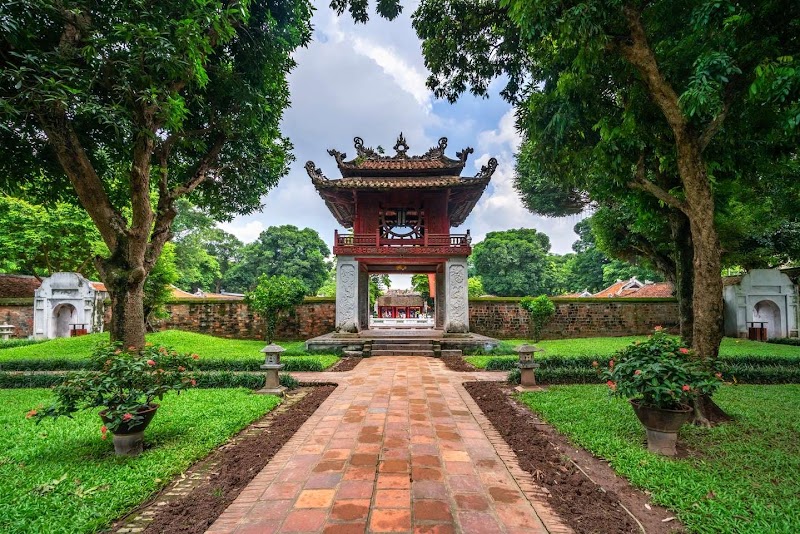
Temple of Literature, Hanoi’s Quiet Academic Landmark
The Temple of Literature offers Hanoi visitors a peaceful look at Vietnam’s scholarly history, with stone turtles, preserved architecture and landscaped courtyards.
Vietnam
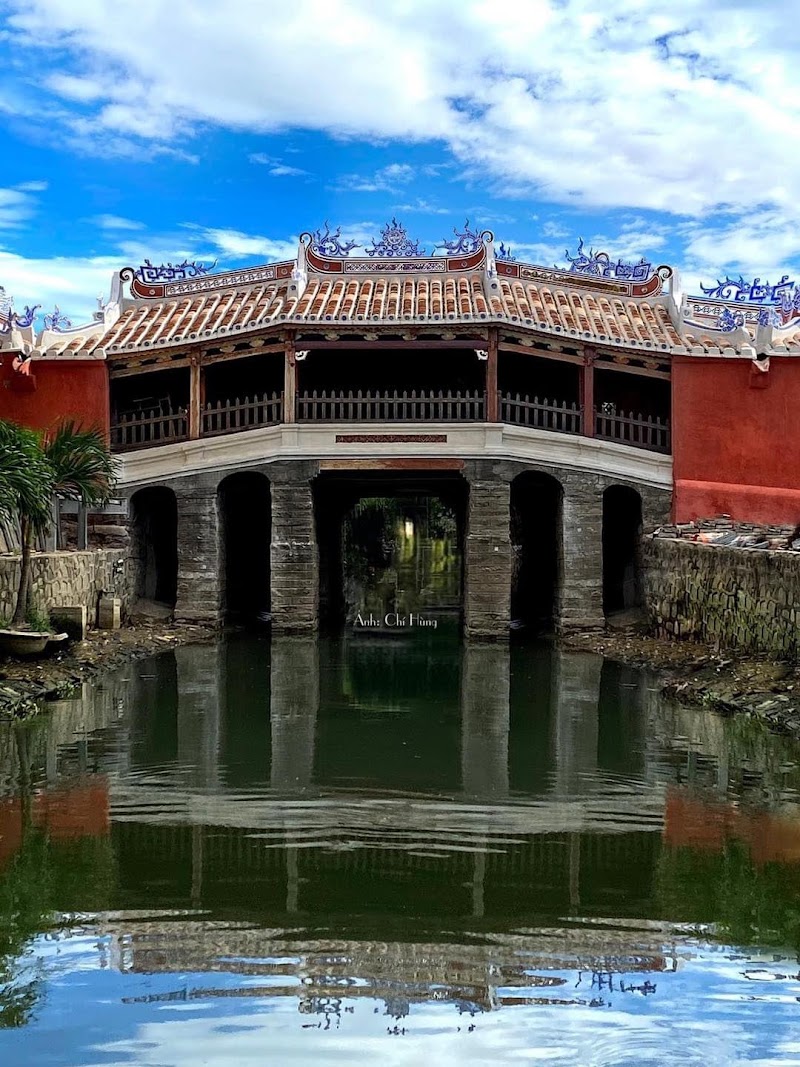
Chùa Cầu: Hội An’s Most Recognisable Landmark
Chùa Cầu brings together historic architecture, lantern-lit streets and a lively riverside setting in the heart of Hội An Old Town.

Vietnam · Hoa Lư
Tràng An’s limestone scenery is best seen by boat
Public reviews consistently praise Tràng An for its calm river journeys, cave passages, towering karsts and temples around Hoa Lư, Vietnam.