Chùa Cầu: Hội An’s Most Recognisable Landmark
Chùa Cầu brings together historic architecture, lantern-lit streets and a lively riverside setting in the heart of Hội An Old Town.
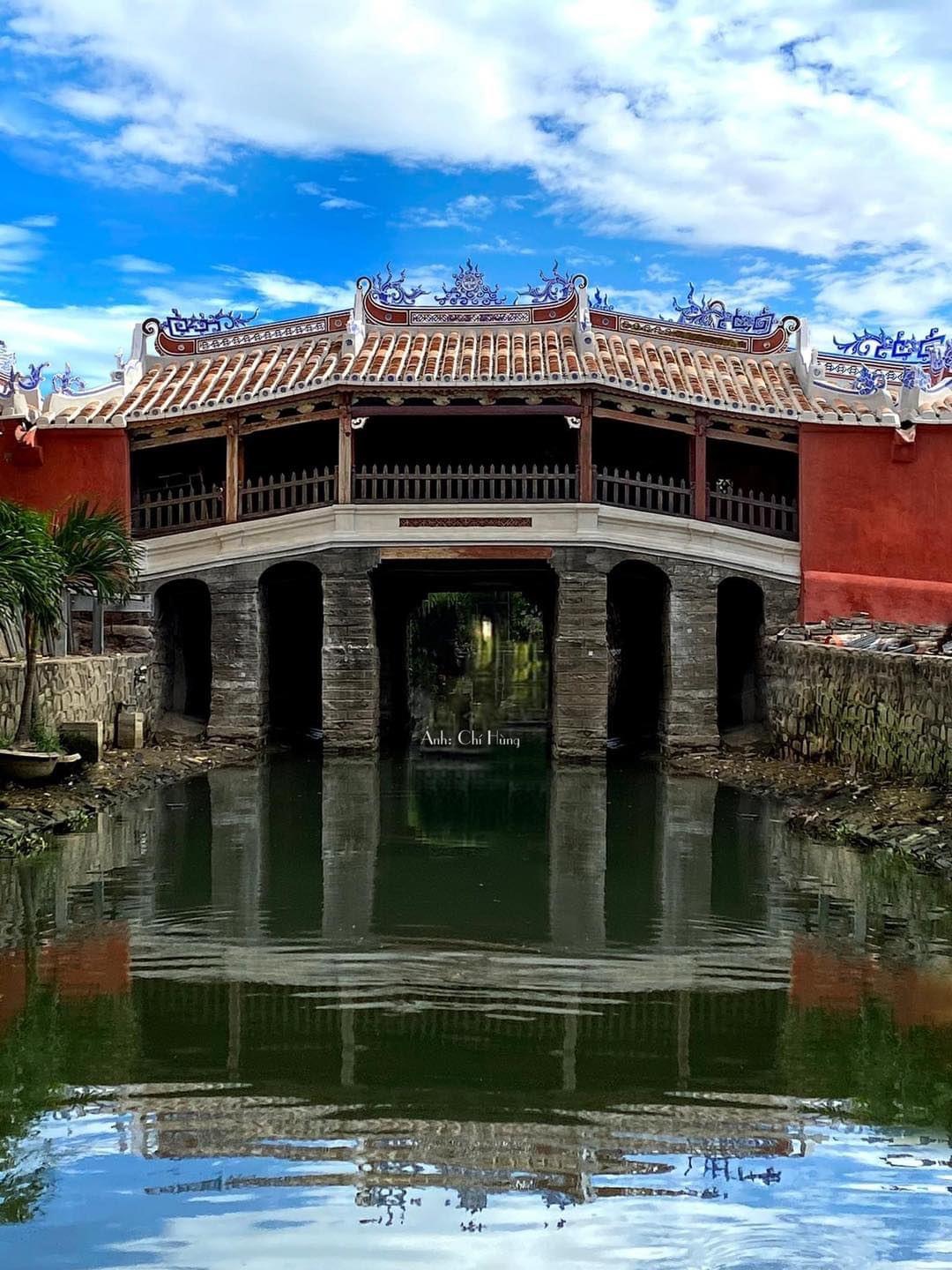
More photos
Photos published by travelers on Google, not AI generated.
What stands out
- Historic Japanese and Vietnamese-influenced architecture
- Lantern-lit river views after dark
- Night market and lively surrounding streets
- Iconic setting in Hội An Old Town
- Strong photography opportunities
Worth knowing
- Crowds around the bridge entrances
- Steady tourist traffic during peak hours
Don't miss
What comes up most in public reviews
- See the bridge after dark
- Walk along the lantern-lit river
- Visit the nearby night market
- Release a lantern on the river
- Try Cơm Gà Nga or Mót’s water
Worth the trip?
Why visit Chùa Cầu
Chùa Cầu, also known as the Japanese Covered Bridge or Pagoda Bridge, is one of the defining sights of Hội An Old Town. Public ratings give it 4.3 from 29,420 reviews, with repeated praise for its historic character, distinctive architecture and central setting.
The bridge is compact, but its importance is larger than its size. Reviews describe a structure shaped by Japanese and Vietnamese influences, with a preserved appearance that fits naturally within Hội An’s old streets. Visitors often treat it as a visual symbol of the town, and it makes an easy stop during a walk through the historic centre.
The atmosphere after dark
Evening is the strongest recurring recommendation in the reviews. Once the lanterns come on, the bridge and its surroundings take on a different mood. Glowing lights line the river, the night market becomes busier, and the streets fill with activity.
Several visitors describe the scene as especially scenic after dark. The bridge itself is only part of the experience. Its entrances, the riverfront and the nearby streets provide changing views, with plenty of opportunities for photographs. A stroll around the area can be more rewarding than a quick crossing.
What the visit is like
Chùa Cầu sits in a busy part of Hội An, so visitors should expect regular foot traffic. Reviews mention crowds throughout the day, particularly around the bridge entrances, where people stop to look and take photographs. It remains straightforward to see, but the experience is less peaceful during peak hours.
The landmark works well as part of a broader Old Town visit rather than as a standalone destination. The surrounding streets are close to the river, the night market and other historic sights. A short stop during daylight helps reveal the bridge’s structure, while a later return gives a better sense of its lantern-lit setting.
Planning the stop
The public reviews support a visit of roughly half a day when Chùa Cầu is combined with nearby Old Town streets and the riverside. The site suits travellers interested in heritage, photography and evening atmosphere. It also works for couples, who appear in several reviews describing the lanterns and river views as memorable.
Some visitors mention releasing a lantern on the river near the bridge. That activity is part of the wider evening scene rather than a feature of the bridge itself. Reviews also name Cơm Gà Nga and Mót’s water as nearby food and drink stops, followed by a rooftop visit.
Chùa Cầu is not a destination for a long, quiet inspection. Its appeal lies in the architecture, its role in Hội An’s identity and the way the surrounding streets change after sunset. Crowds are the main drawback. The landmark remains a strong first stop in the Old Town.
Plan the rest of the trip
Ask anything
Looking for somewhere else?
Keep exploring
More from Vietnam
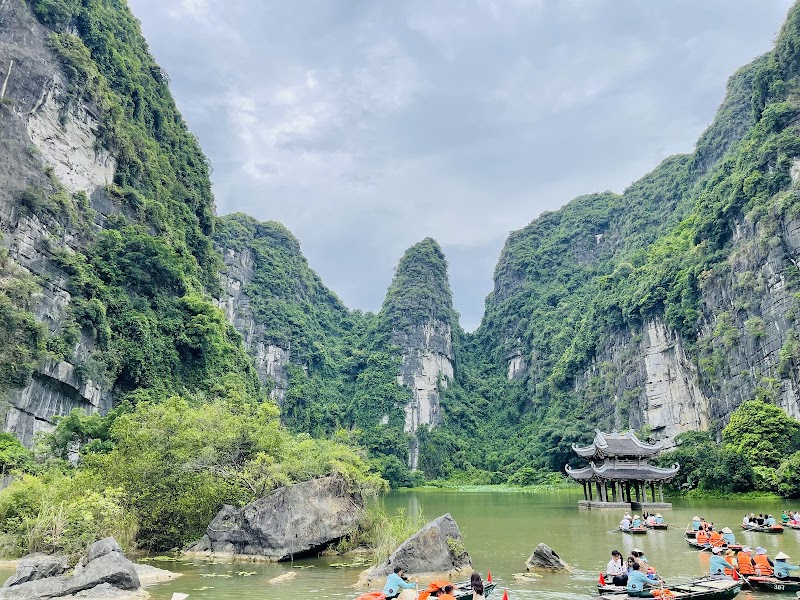
Vietnam · Hoa Lư
Tràng An’s limestone scenery is best seen by boat
Public reviews consistently praise Tràng An for its calm river journeys, cave passages, towering karsts and temples around Hoa Lư, Vietnam.
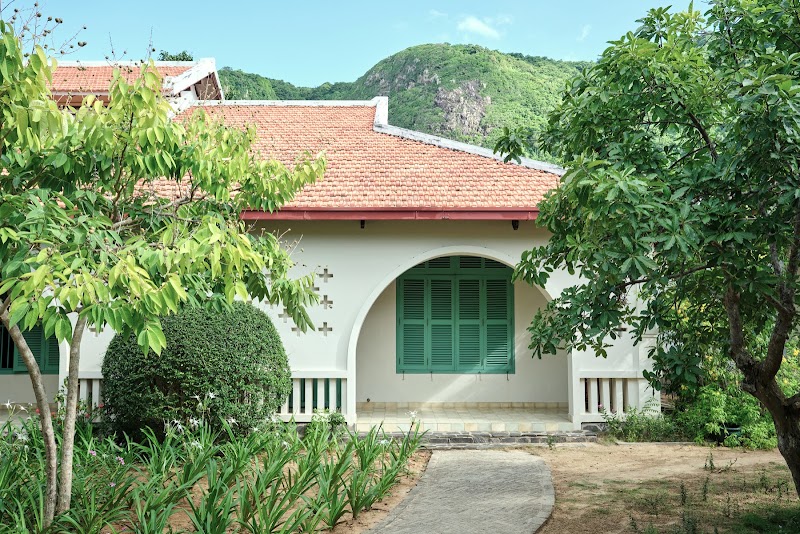
Vietnam · Ho Chi Minh City
Poulo Condor Resort Review: A Quiet Con Dao Escape
Public reviews describe a peaceful resort with spacious villas, a clean beach and warm service, though dining and some bathroom details draw criticism.
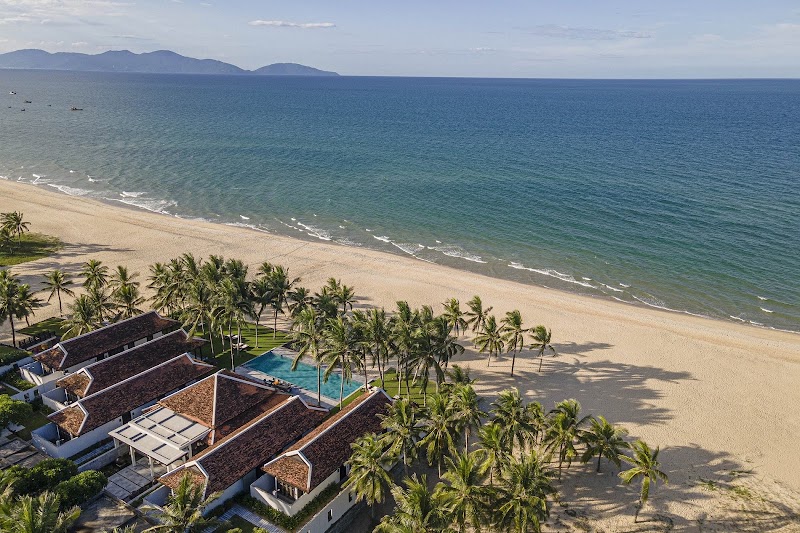
Vietnam
Four Seasons Resort The Nam Hai: A Polished Hoi An Retreat
Public reviews praise the beachfront setting, immaculate villas, serious fitness facilities and attentive service, with one review flagging a disappointing arrival.

Vietnam
TUI BLUE Nam Hoi An: Quiet Resort Living by the Beach
Public reviews point to a peaceful Vietnam resort with welcoming staff, strong facilities, generous breakfasts and plenty of activities.