Kathmandu Durbar Square: Palaces, Temples and Newari Craft
Kathmandu’s historic royal square brings together ancient temples, palace courtyards, intricate woodwork and a lively food scene.
More photos
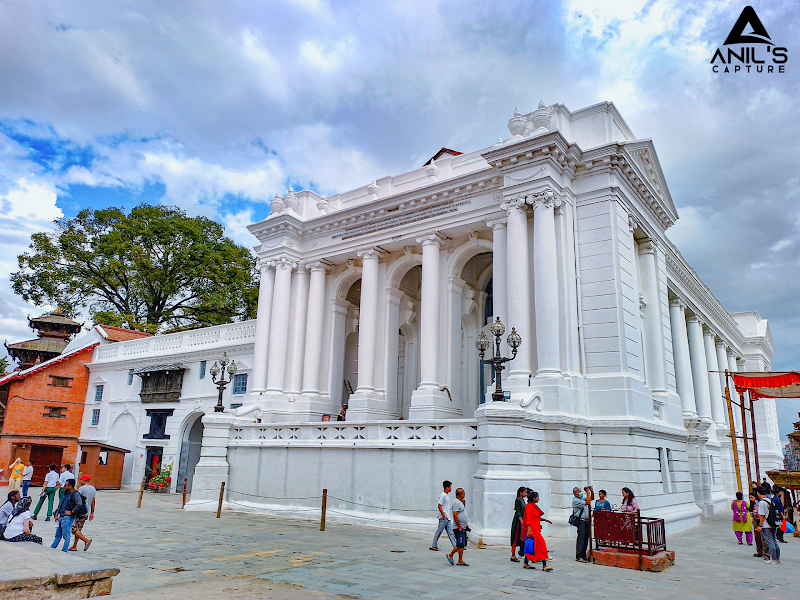

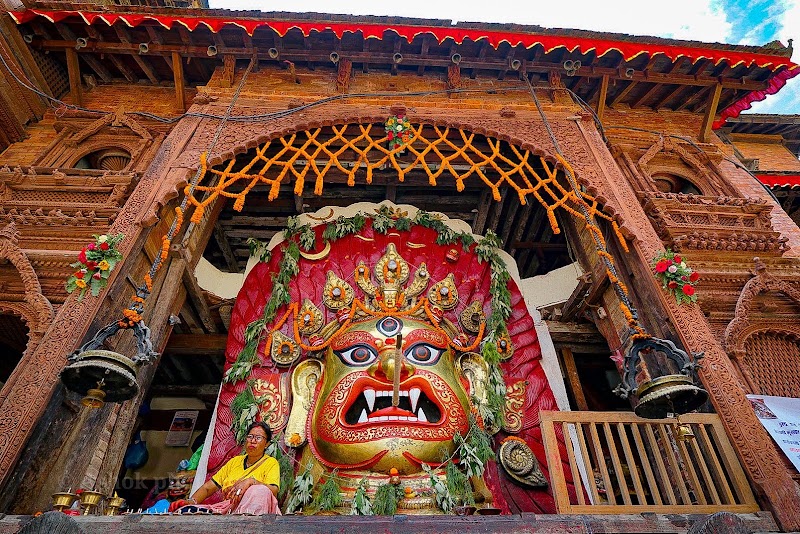
Photos published by travelers on Google, not AI generated.
What stands out
- Ancient palace and temple complex
- Intricate Newari wood carvings
- Historic courtyards and statues
- Street food and nearby cafes
- Calm evening atmosphere
Worth knowing
- Confirm current evening access and entry arrangements
Don't miss
What comes up most in public reviews
- Hanuman Dhoka royal palace
- Kumari Ghar
- Ancient temples and courtyards
- Intricate wood carvings
- The surrounding street-food area
Worth the trip?
Why it stands out
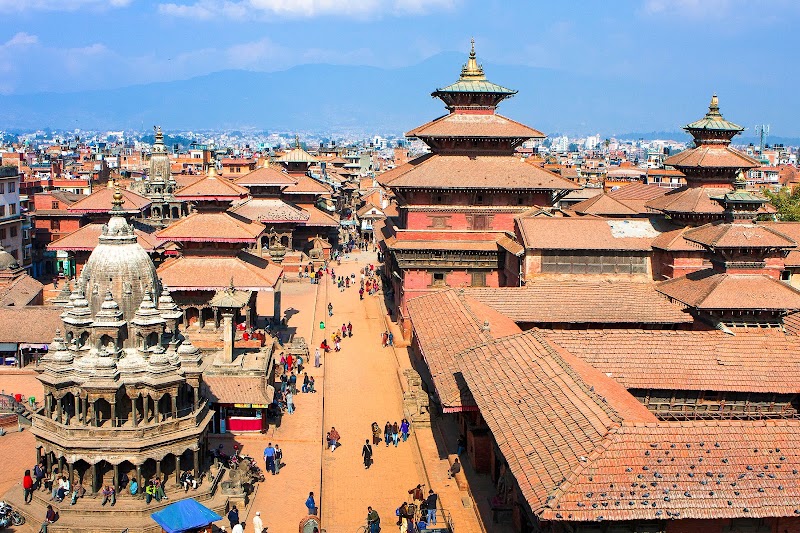
Kathmandu Durbar Square has a 4.5 Google rating from 40206 reviews. Across the supplied public comments, the same themes keep surfacing: architecture, royal history and cultural atmosphere. This is not a single monument. It is a large complex of temples, palaces, courtyards and statues, and reviewers suggest taking time over it.
The square was once associated with Nepalese kings, while “Durbar” refers to a royal palace. That past still shapes the visit. Reviewers often say that walking through the complex feels like stepping back into history, largely because so many traditional buildings and ceremonial spaces stand close together. Several also identify it as part of a UNESCO World Heritage Site.
Palaces, temples and carved details
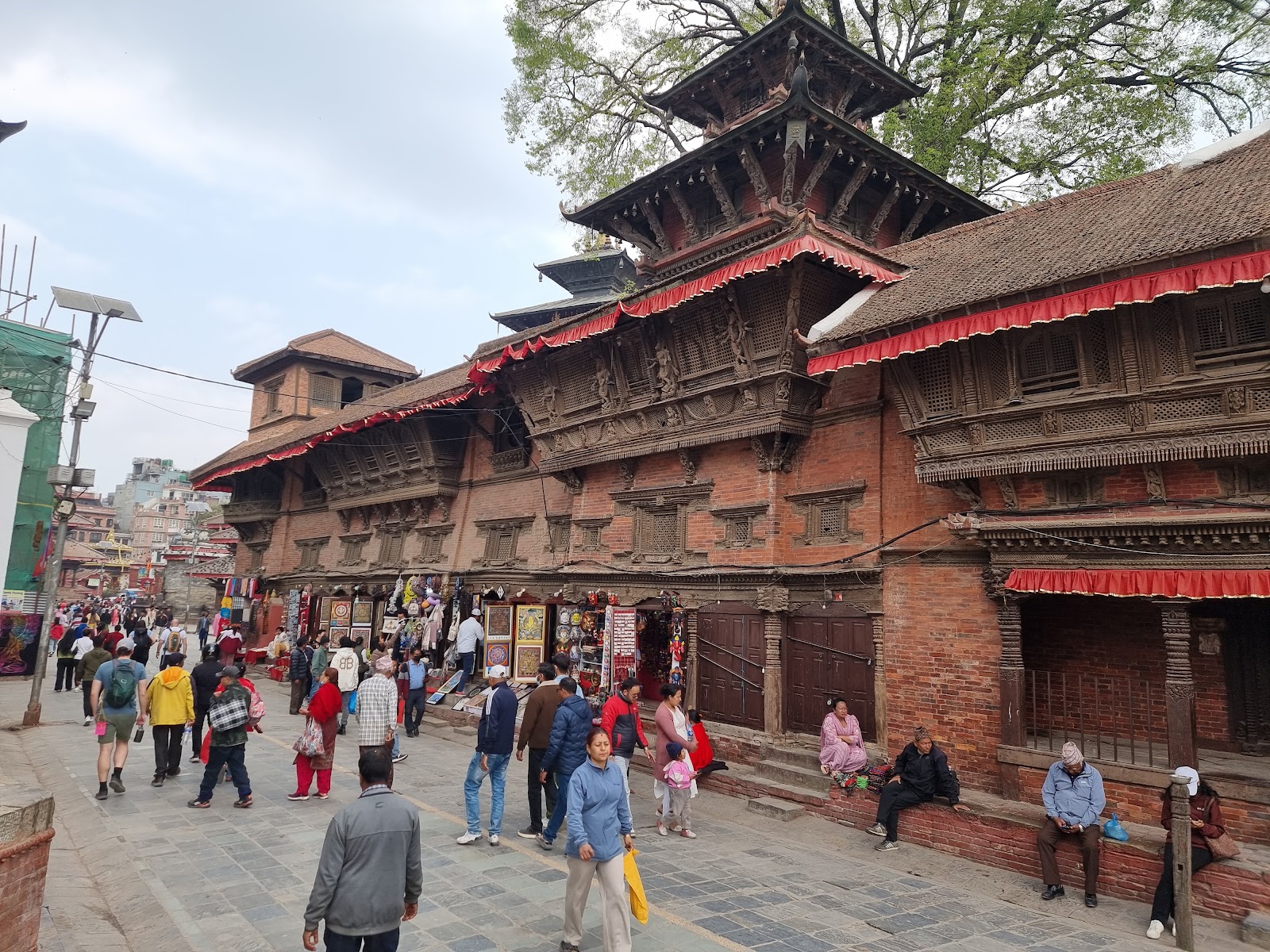
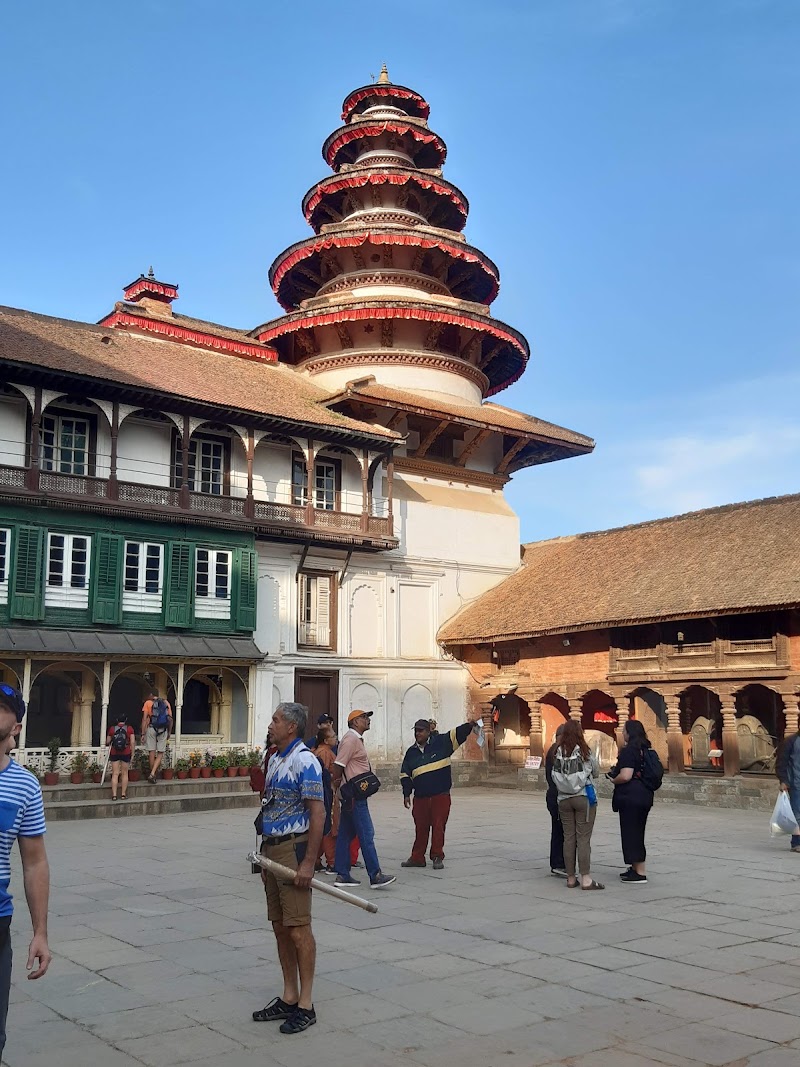
Hanuman Dhoka, the old royal palace, is among the main landmarks mentioned in reviews. So is Kumari Ghar, identified as the home of the Living Goddess Kumari. Around them are temples and courtyards that make the complex feel substantial, with layers of royal and cultural history rather than one dominant sight.
Wood carving draws some of the strongest praise. Public comments point to intricate work throughout the historic structures, as well as statues and traditional Newari architecture. Looking closely matters here. Doors, windows and façades can be just as rewarding as the broader silhouettes of the palaces and temples. One reviewer also mentions a museum within the complex, offering another possible layer for visitors interested in royal history.
Reviews indicate that the setting works particularly well for couples, photographers and travellers drawn to architecture or Nepalese culture. The atmosphere is often described as calm and peaceful. Still, the square is large, and a rushed circuit is likely to skip many of the finer details.
Food and the surrounding streets
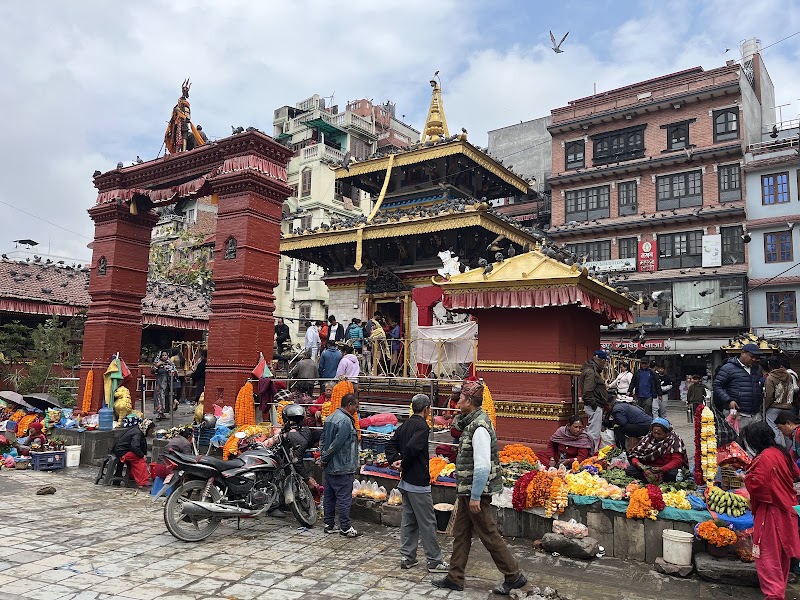
The monuments are only part of the experience. Reviewers mention street food and market activity along the routes around the square, plus restaurants and cosy cafes. Sightseeing can therefore be broken up with coffee or a meal nearby.
The approach streets count too. Public comments treat them as part of the visit, not simply the way into the square. Market stalls, food stops and historic surroundings bring energy to the area, while the courtyards of the royal complex tend to feel quieter.
Timing and overall verdict
Travellers looking for a more peaceful atmosphere may prefer a late-evening visit. One reviewer arrived around 11pm and found the square quiet, also reporting free entry after 6pm. That is one account only, and access arrangements can change, so current opening and entry details should be checked before relying on it.
For a first visit, half a day leaves time for Hanuman Dhoka, Kumari Ghar, the temples, courtyards and detailed carvings, as well as the surrounding market and food scene. The strong public rating matches the wider review pattern. Kathmandu Durbar Square is widely valued as a concentrated introduction to Kathmandu’s royal history, Newari architecture and living cultural setting.
Ask anything
Looking for somewhere else?
Keep exploring around Kathmandu
More from Nepal
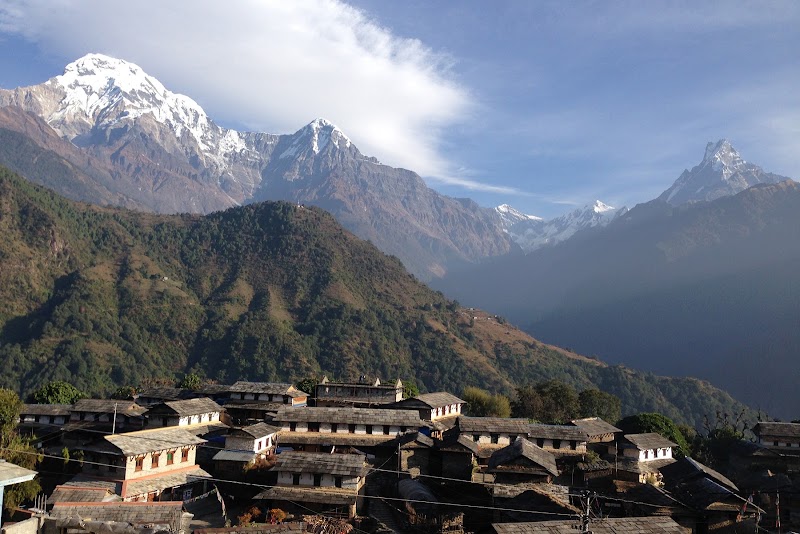
Nepal · Jomsom
Annapurna Conservation Area: High Trails and Sacred Sites
Mountain panoramas, demanding trails and the pilgrimage site of Muktinath shape traveller impressions of this vast Himalayan region.
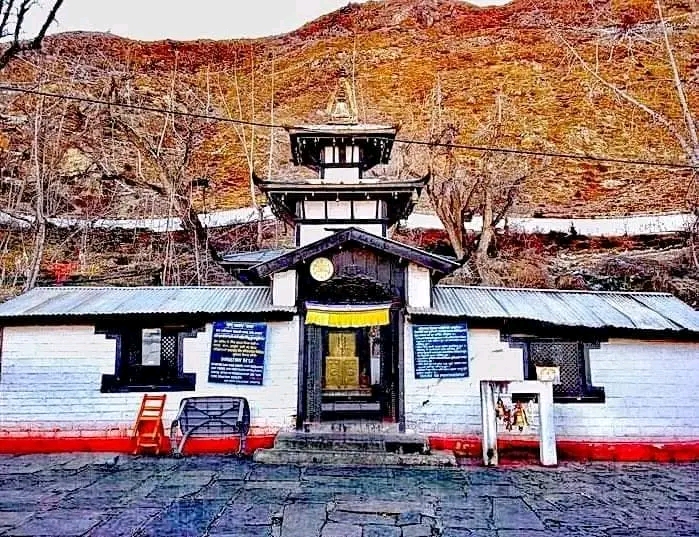
Nepal · Muktinath
Muktinath Temple: Sacred Rituals in the Himalayas
A revered Hindu and Buddhist pilgrimage site known for its 108 icy waterspouts, mountain scenery and deeply peaceful atmosphere.

Nepal · Kathmandu
Bhedasing: Kathmandu Street Life and Newari Character
A crowded Kathmandu locality where street markets, clothing stalls, local food and traces of Newari architecture shape the experience.
Nepal · Pokhara
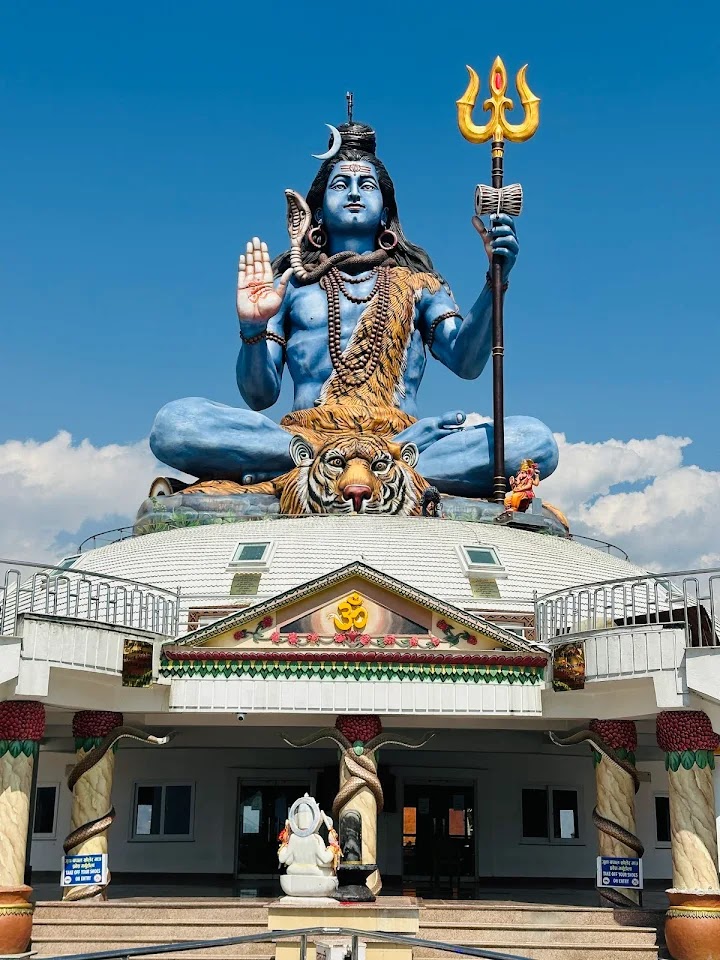
Pumdikot Shiva Statue: Peaceful Views Above Pokhara
A monumental Shiva statue, spiritual atmosphere and broad views over Pokhara make this hilltop attraction a rewarding short excursion.