International Mountain Museum: Himalaya Stories in Pokhara
This well-reviewed Pokhara museum brings mountaineering history, Himalayan geography and Nepal’s mountain communities into one thoughtful visit.
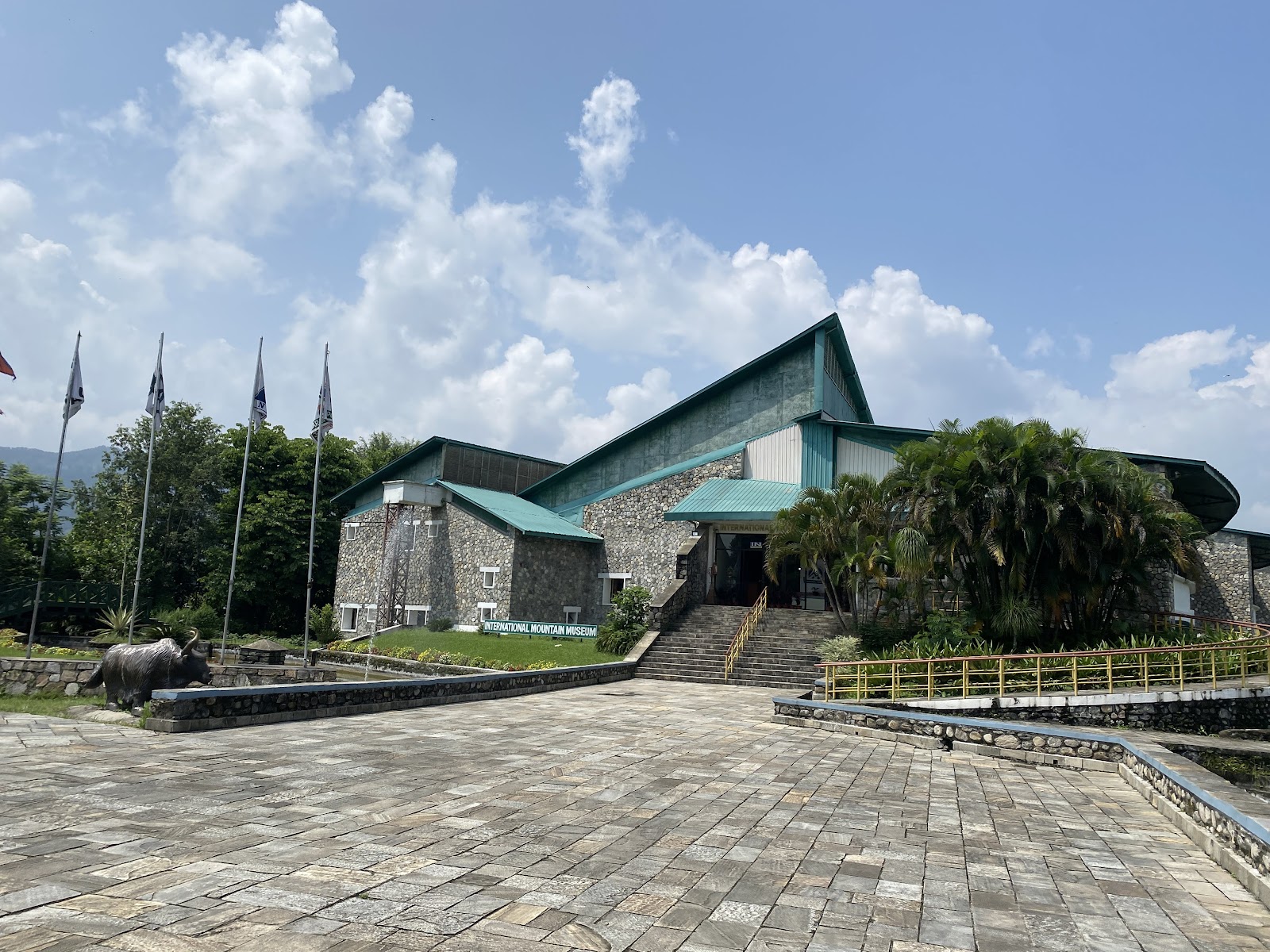
More photos
Photos published by travelers on Google, not AI generated.
What stands out
- Himalayan geography and formation exhibits
- Nepal mountaineering history
- Stories of Everest expeditions and climbers
- Mountain community cultures and traditions
- Peaceful outdoor setting
Worth knowing
- Allow extra time for the large, detailed site
- Check current documentary and archery arrangements
Don't miss
What comes up most in public reviews
- Watch the Everest summit documentary
- See historic mountaineering equipment
- Explore the mountain community culture displays
- Ask about the archery activity
Worth the trip?
Why visit
The International Mountain Museum is one of Pokhara’s strongest choices for travellers who want context before heading into the Himalayas. Public reviews give it 4.4 out of 5 from 5,097 reviews, with recurring praise for its informative displays, orderly presentation and broad subject matter.
The museum covers more than climbing achievements. Visitors describe exhibits about the formation of the Himalayas, the history of mountaineering in Nepal and the cultures and traditions of mountain communities. That wider focus gives the visit substance, especially for people who know the region mainly through trekking routes and famous peaks.
What the exhibits cover
Mountaineering history is a major draw. Reviews mention stories of climbers and Everest expeditions, along with trekking gear used by well-known mountaineers. Older equipment, photographs and displays tracing the development of climbing in Nepal help explain how expeditions have changed since the 1950s.
The museum also looks at the ethnic groups living in the mountain regions. Travellers specifically praise the preservation and presentation of their history, culture and traditions. The result is more educational than purely commemorative. It places climbing within the geography and societies of the Himalayas.
A short documentary about an Everest summit is mentioned in public feedback. It offers a useful change of pace during the visit, although visitors should check the current screening arrangements on arrival.
How long to allow
Reviewers commonly suggest allowing at least one to two hours, particularly if the displays are read carefully. The site is described as well planned and spread across several hectares, so this is not a quick room-by-room stop. Visitors in a hurry can see the main themes faster, but the museum rewards a slower visit.
The surrounding outdoor area also receives positive comments for its peaceful atmosphere. That gives the stop some breathing room after the indoor displays. An archery activity is mentioned in public reviews, with separate admission noted by one reviewer, though current availability and terms should be confirmed directly.
Who will enjoy it
The museum suits trekkers, climbers, students and general visitors who want a clearer understanding of Nepal’s mountains before travelling farther into the country. It also works for travellers whose plans do not include a trek, since the exhibits connect natural history, expedition stories and local cultures in one place.
The public feedback is notably consistent: visitors often arrive expecting a modest museum and leave impressed by the depth of information. It is not presented as a thrill ride. Its appeal lies in the detail, the preserved equipment and the chance to connect the Himalayas with the people who live there.
For a Pokhara itinerary, this is best treated as a focused half-day outing rather than a brief photo stop. The museum gives the city’s mountain setting more meaning.
Plan the rest of the trip
Ask anything
Looking for somewhere else?
Keep exploring around Pokhara
More from Nepal
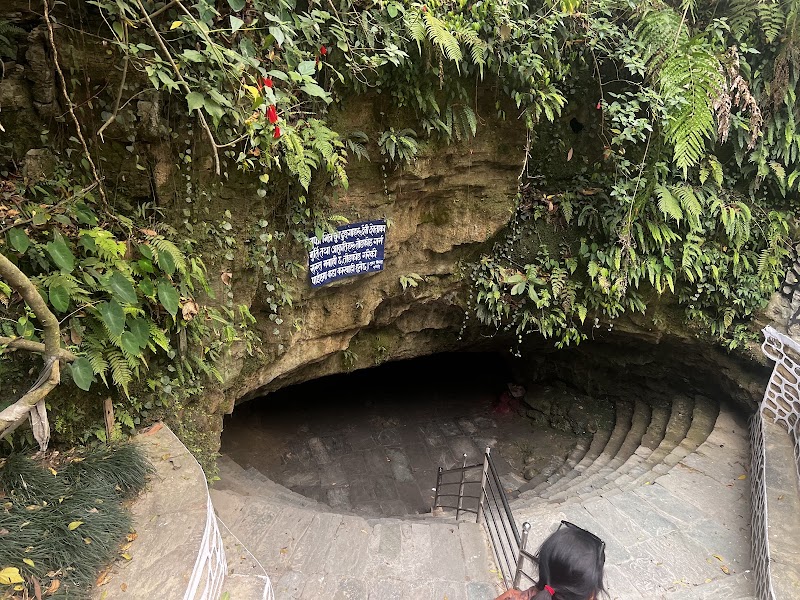
Nepal · Pokhara
Mahendra Cave, a Short Underground Excursion in Pokhara
Mahendra Cave offers a cool, well-lit look at limestone formations, narrow passages and a small religious shrine north of Pokhara.
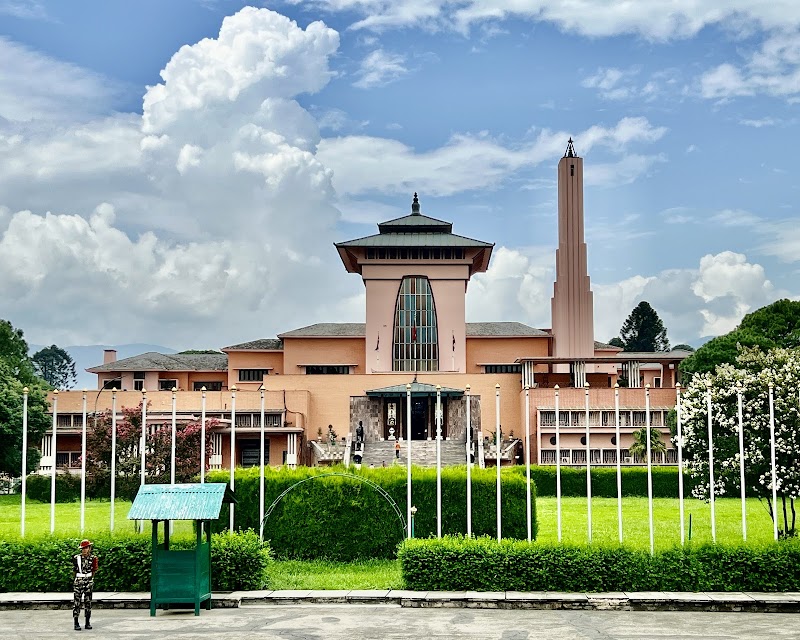
Nepal · Kathmandu
Narayanhiti Palace Museum: Kathmandu’s Royal Past
A preserved royal residence gives visitors a calm, room-by-room look at Nepal’s monarchy, political history and transition to a republic.
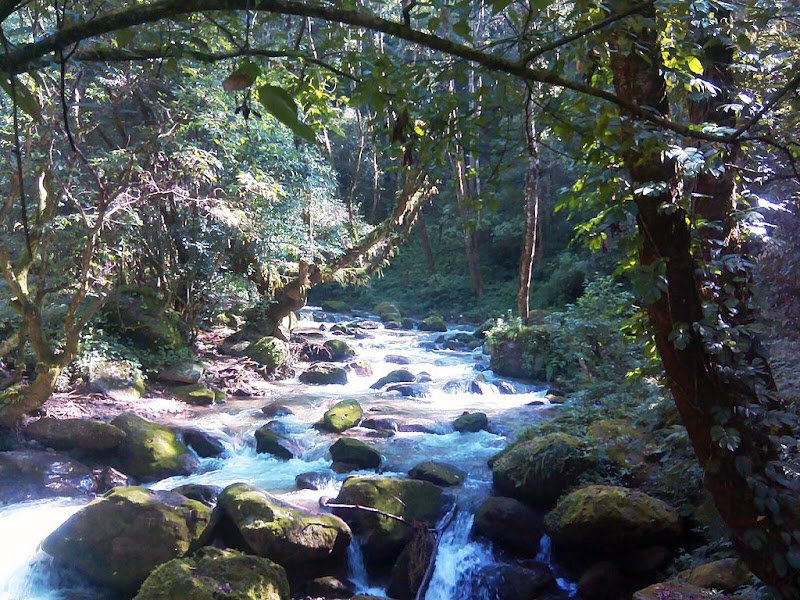
Nepal
Shivapuri Nagarjun National Park: Green Trails Near Kathmandu
A peaceful hiking escape with forested paths, waterfalls and fresh mountain air, close enough to Kathmandu for a half-day outing.
Nepal · Kathmandu
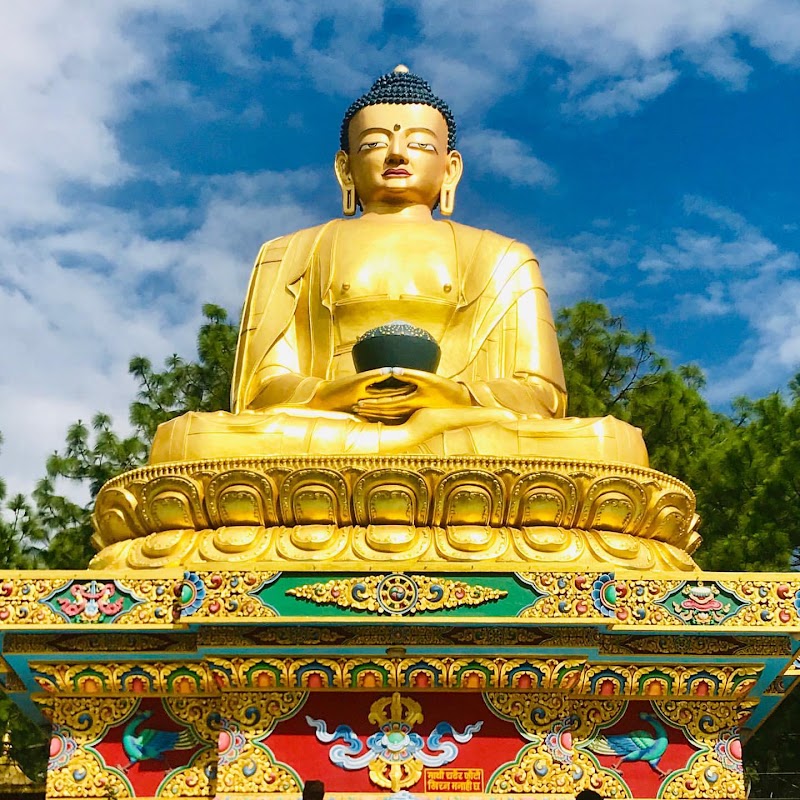
Swayambhu Buddha Park: A Peaceful Kathmandu Viewpoint
Public reviews describe Swayambhu Buddha Park as a culturally important Buddhist site with large statues, a calm atmosphere and broad Kathmandu Valley views.