Hwaseong Haenggung: Suwon’s Restored Royal Residence
A carefully restored Joseon-era palace with royal history, photogenic courtyards and easy access to Suwon’s traditional streets.
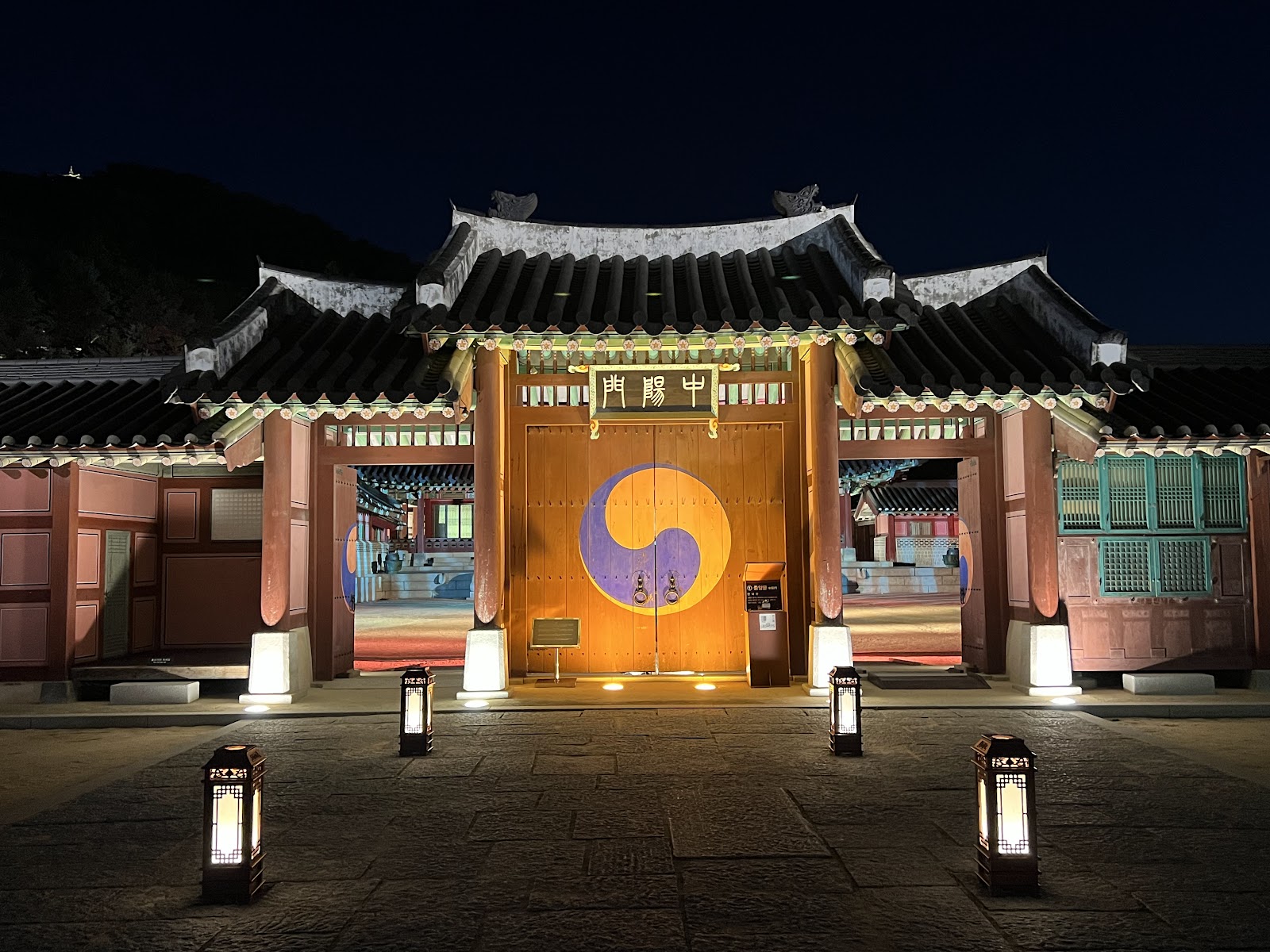
More photos
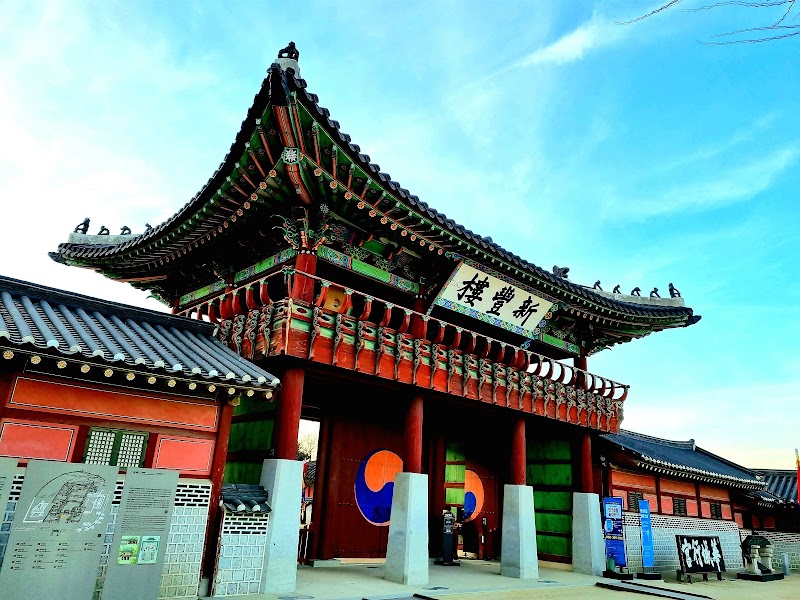
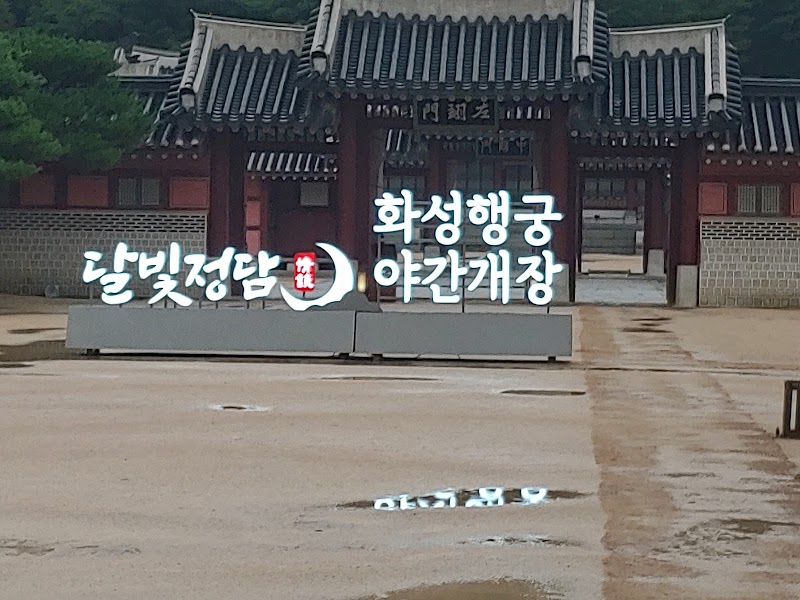
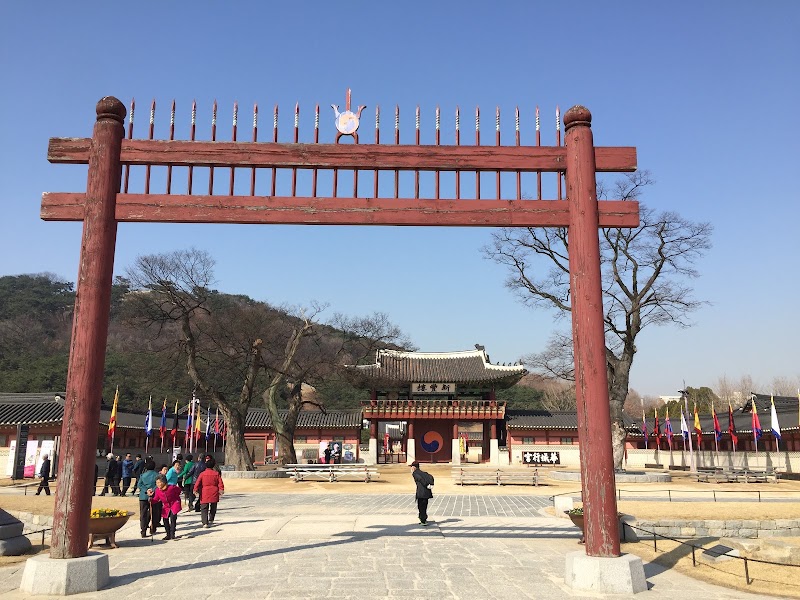

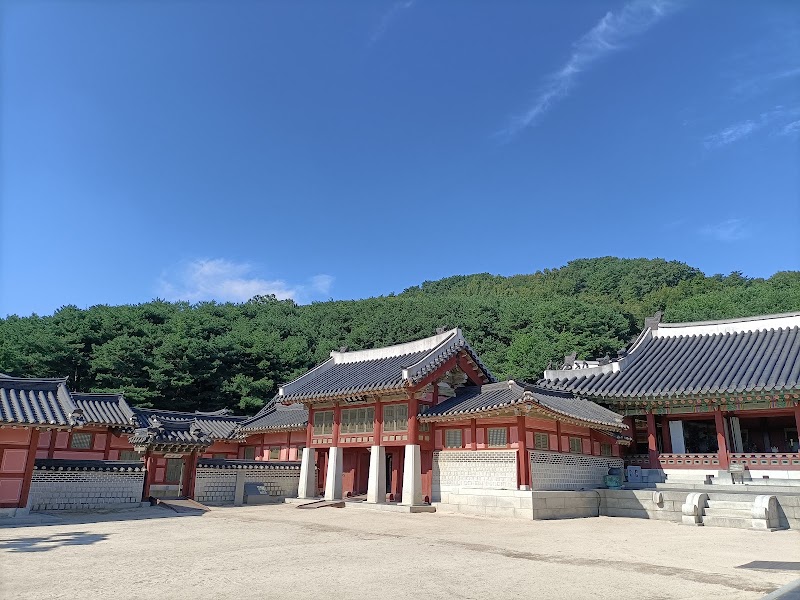
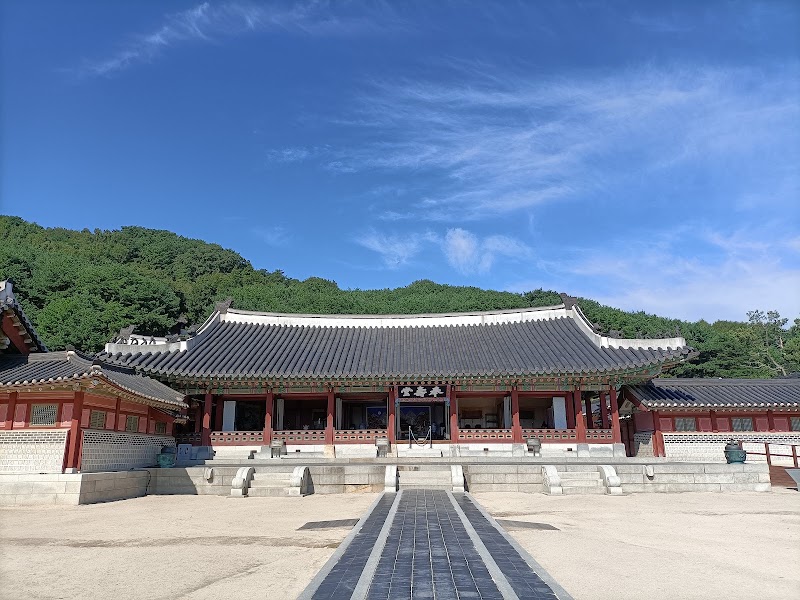
Photos published by travelers on Google, not AI generated.
What stands out
- Carefully restored palace halls and gates
- King Jeongjo’s royal history
- Photogenic courtyards and traditional architecture
- Nearby traditional houses and shops
- Easy public transport access
Worth knowing
- Much of the complex is recently restored
- Less grand than Seoul’s main royal palaces
Don't miss
What comes up most in public reviews
- Walk through the restored halls and gates
- Ask about King Jeongjo’s plans for Suwon
- Rent a hanbok nearby for palace photographs
- Explore the surrounding traditional houses and shops
Worth the trip?
Why it stands out
Hwaseong Haenggung offers a different sort of royal setting from the grand palace complexes of Seoul. Built as a temporary residence for King Jeongjo during his visits to his father’s tomb, it formed part of the king’s broader vision for Suwon as a secondary centre of power. Public reviews often respond to that practical role: this feels like a palace designed for royal visits and administration rather than an immense ceremonial capital.
That context gives the complex much of its appeal. Visitors can move through gates, halls and courtyards while gaining a clearer sense of how the late Joseon court operated away from Seoul. With a Google rating of 4.5 from 12805 reviews, it is one of Suwon’s most consistently appreciated historical attractions.
Restoration and atmosphere
Reviews repeatedly praise the site as clean, attractive and well maintained. They also make an important distinction between the original fabric and the rebuilt sections. Much of the palace seen today is the result of recent restoration, made necessary after destruction during the Japanese occupation and Korean War. Some original halls and gates remain, while reviewers generally consider the reconstructed elements careful and accurate.
Travellers expecting the scale or visual grandeur of Seoul’s main palaces may find Hwaseong Haenggung more restrained. That is not necessarily a drawback. Its manageable courtyards and working-palace character help visitors focus on the story of King Jeongjo and Suwon itself. The traditional architecture also makes the grounds a popular setting for photography.
What visitors enjoy
Walking around the palace is the central experience. Reviews describe attractive traditional buildings, open palace spaces and plenty of opportunities to examine restored architectural details. Hanbok rental is available nearby according to visitor feedback, adding a popular option for photographs within the palace grounds.
The surrounding area strengthens the visit. Traditional houses and shops sit close to the complex, allowing the palace to be combined with a wider walk through central Suwon. Public transport access is described as straightforward, and at least some visitors regard admission as budget friendly.
One review also associates the palace with filming for the television series *Dae Jang Geum*. That connection may interest Korean drama fans, although it is not among the most frequently mentioned reasons to visit.
Editorial verdict
Hwaseong Haenggung works best for travellers interested in Korean history, restored architecture and a quieter royal site than the major Seoul palaces. The strongest visits appear to be those supported by historical explanation, whether through a tour or background reading, since reviews value understanding why the palace was built and how it fitted into King Jeongjo’s plans.
Its main caveat is the extent of reconstruction. Visitors seeking an entirely original palace complex should set expectations accordingly. For most reviewers, however, the quality of the restoration, central location and accessible scale outweigh that concern. Combined with the nearby traditional streets and shops, it makes a rewarding focal point for a few hours in Suwon.
Ask anything
Looking for somewhere else?
Keep exploring around Suwon
More from South Korea
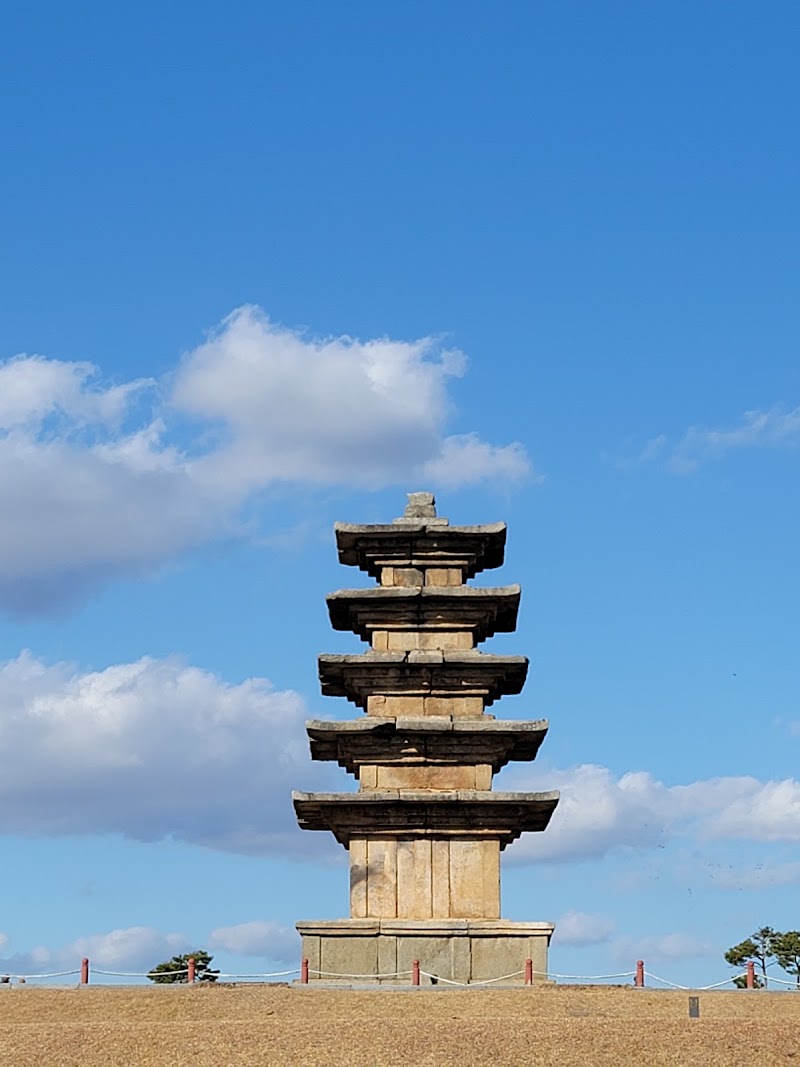
South Korea · Iksan
Wanggung-ri’s Pagoda and Spacious Historic Grounds
A well-rated Iksan landmark where an old stone pagoda, open grounds and relaxed walks shape the visitor experience.
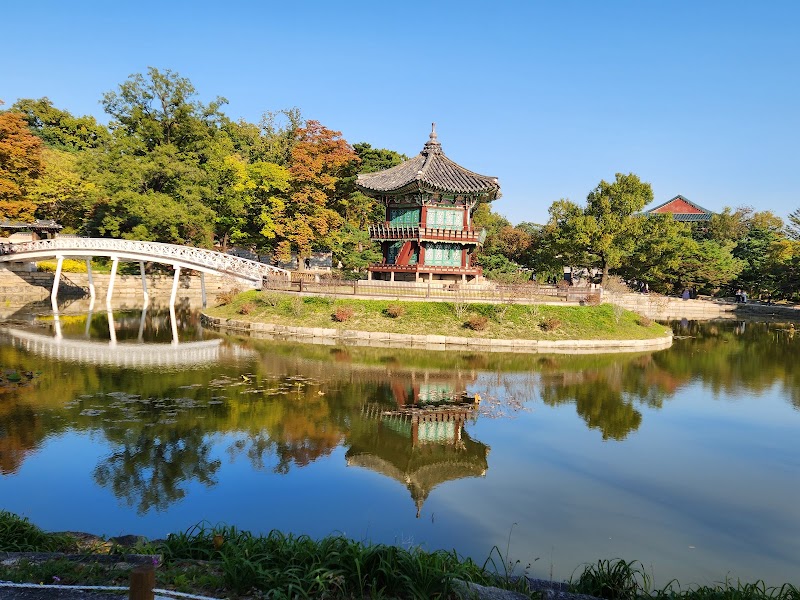
South Korea · 율곡로
Changdeokgung Secret Garden: serene palace landscapes
Timed access and guided interpretation reward advance planning at this tranquil historic garden within Changdeokgung Palace.
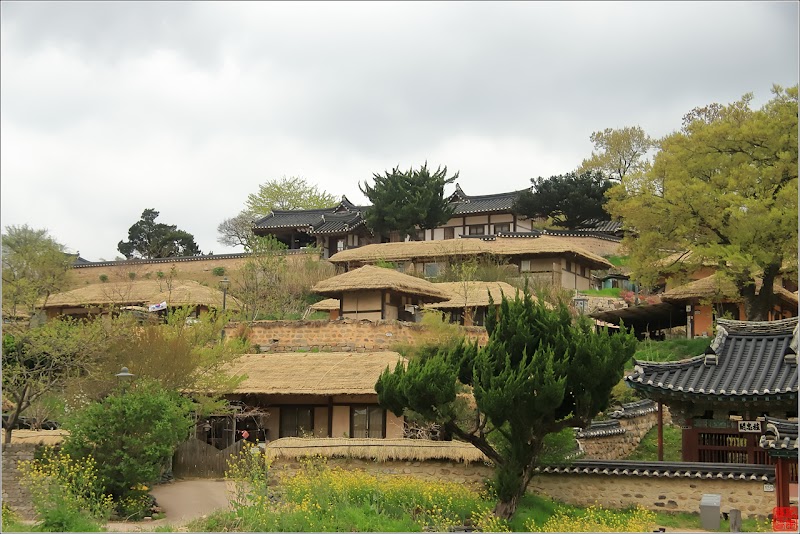
South Korea · Gyeongju
Yangdong Folk Village: A Living Slice of Historic Gyeongju
Traditional houses, mountain scenery and a lived-in atmosphere reward travellers prepared for uphill walking and a journey beyond central Gyeongju.
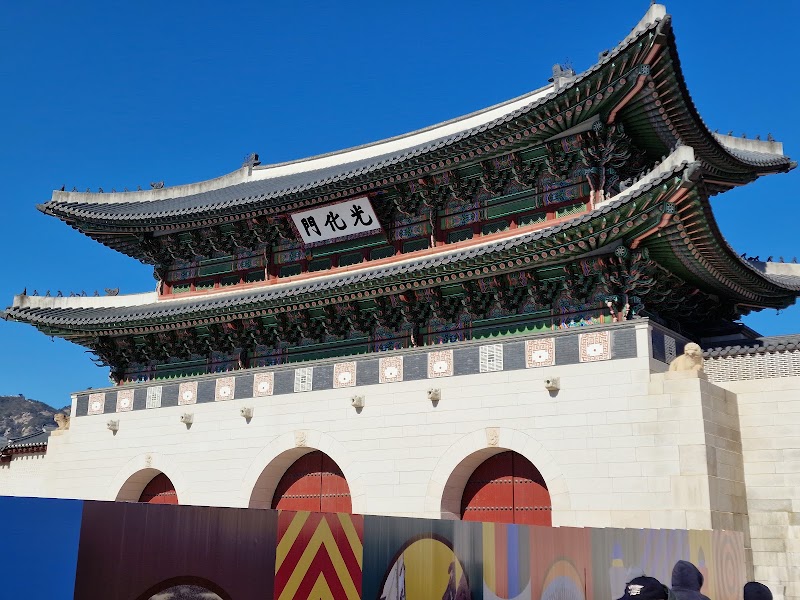
South Korea · Sajik-ro
Gwanghwamun Gate: Seoul’s Grand Historic Threshold
Monumental architecture, a mountain backdrop and the Royal Guard ceremony make this an impressive introduction to historic Seoul.