Hurezi Monastery: Brâncovenesc art in a peaceful setting
Historic architecture, richly painted surfaces and tranquil grounds make Hurezi Monastery one of the area’s most rewarding cultural landmarks.
More photos

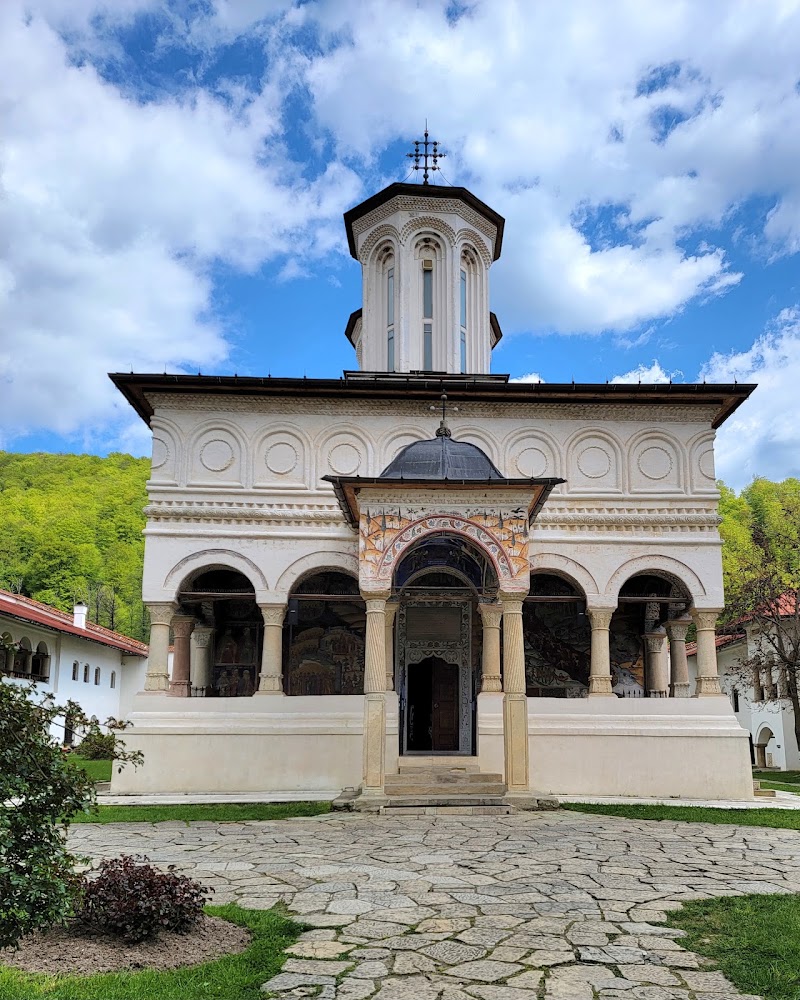
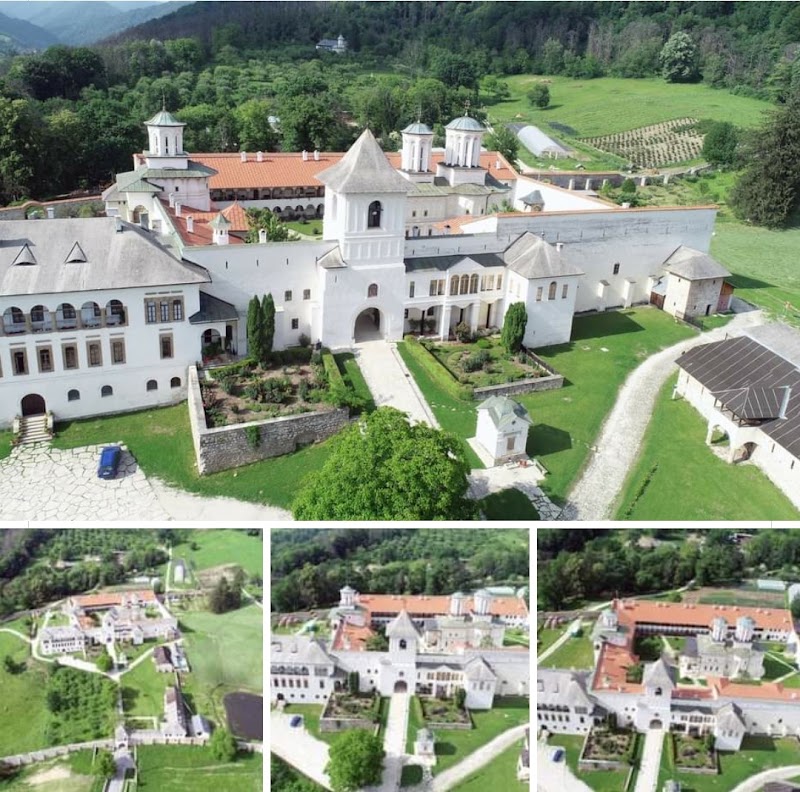
Photos published by travelers on Google, not AI generated.
What stands out
- Brâncovenesc architecture
- Frescoes and painted surfaces
- Peaceful monastery grounds
- Historic and spiritual significance
Don't miss
What comes up most in public reviews
- Murals beside the main church entrance
- Frescoes inside the complex
- A walk around the monastery grounds
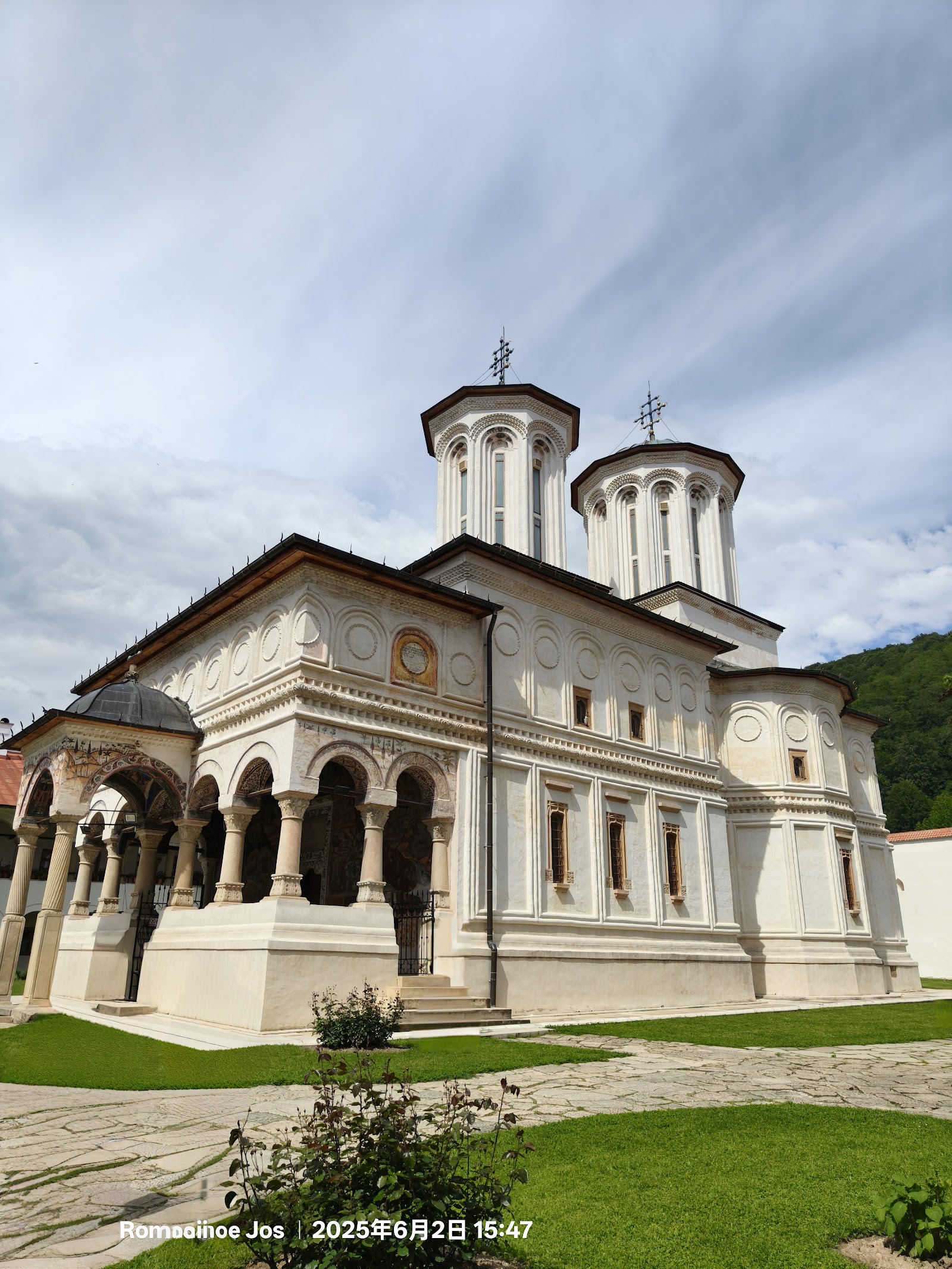
- The main church architecture
Worth the trip?
Why it stands out
Public ratings and reviews are strikingly consistent about Hurezi Monastery. Its Google rating is 4.8 from 2624 reviews, with visitors returning to the same qualities: notable architecture, Romanian history and a strong sense of calm. Many comments praise the entire complex, not just the main church, and describe it as impressive and well preserved.
Constantin Brâncoveanu founded the monastery at the end of the 17th century, around 1690. Reviewers commonly identify it as a fine expression of the Brâncovenesc architectural style. That history makes the experience feel more substantial than a quick look at an attractive religious building. Visitors encounter a historical landmark, a living place of Orthodox spirituality and an important display of Romanian artistic traditions.
Architecture and painted details
The painted decoration tends to stop visitors first. Frescoes and murals draw repeated praise in public comments and are often cited as the strongest reason to come. The murals on either side of the main church entrance receive especially enthusiastic mentions. One reviewer considered them worth the trip on their own.
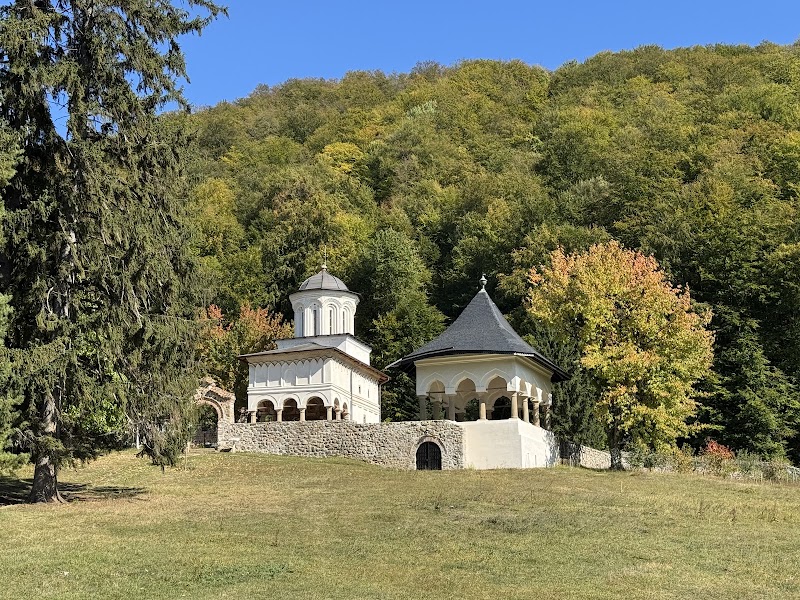
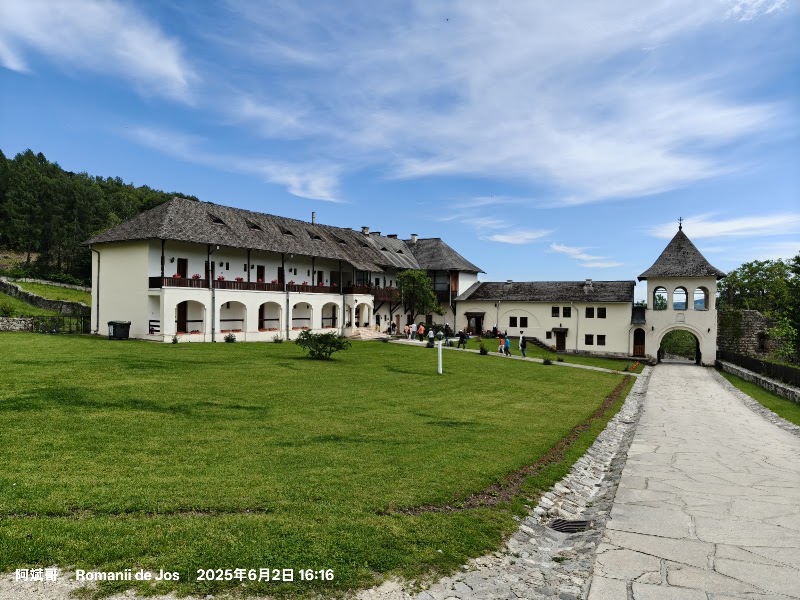
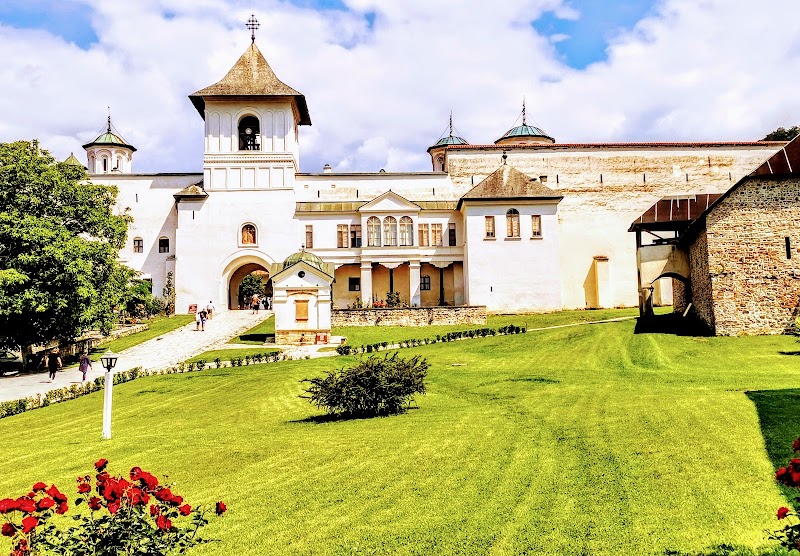
Attention does not stay at the entrance for long. Reviews regularly note how the church, surrounding buildings and grounds fit together as one coherent historical complex. The architecture is described as rich, elegant and carefully preserved. Even visitors who arrive with high expectations say the scale and visual impact take them by surprise.
A rushed circuit would miss much of the point. Time spent looking closely at the painted surfaces pays off, while the exterior architecture offers a wider introduction to the Brâncovenesc style mentioned so often in visitor accounts.
Peace, space and spiritual atmosphere
Calm appears in the reviews almost as often as the art. Peaceful, silent and healing are recurring words. With countryside around it and spacious grounds within the complex, the monastery can feel less formal than many major historical monuments.
That quality helps explain its broad appeal. Architecture enthusiasts can study form and ornament. Visitors interested in history have its late-17th-century origins to consider, while religious travellers can connect with its continuing Orthodox significance. For others, the pleasure may be simpler: a quiet walk through an attractive, contemplative setting.
How long to allow
Half a day is a sensible amount of time for the monastery and its grounds. It allows visitors to inspect the entrance murals, enter the main church where access permits, spend time with the frescoes and walk through the wider complex without rushing.
The supplied public reviews show no recurring problems with crowds, upkeep or the visitor experience. They do not, however, offer reliable information about seasonal conditions, opening arrangements or admission. Anyone making a dedicated journey should confirm current access before setting out. Judging by the review patterns, Hurezi Monastery works best as both an artistic landmark and a place for reflection, rather than merely a brief photo stop.
Ask anything
Looking for somewhere else?
Keep exploring around Romanii de Jos
More from Romania
Romania · București
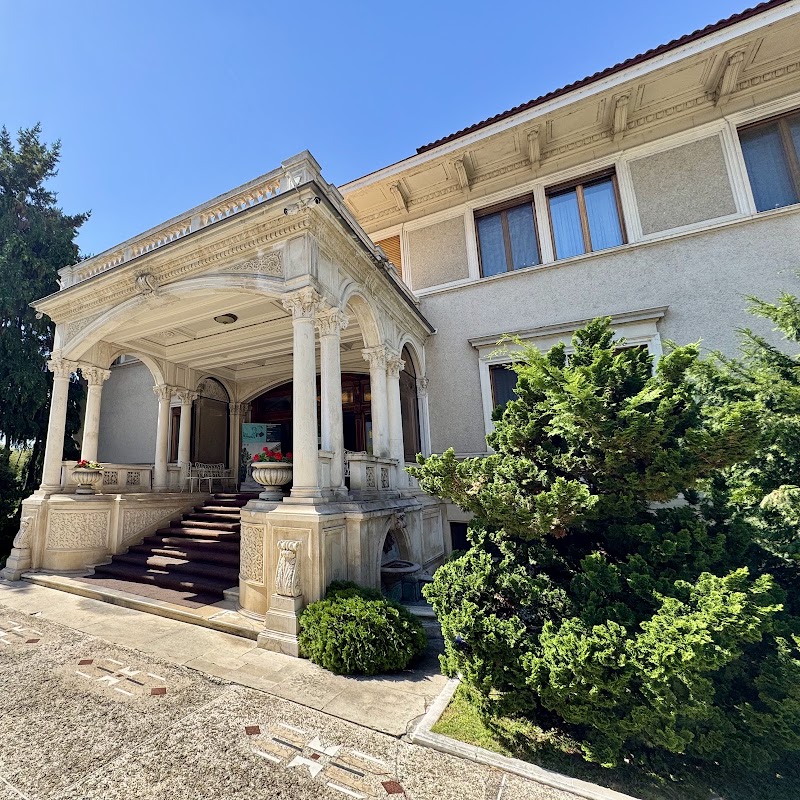
Ceaușescu House: luxury, history and an uneven tour
Bucharest’s Primăverii Palace exposes the Ceaușescu family’s lavish private world, although the quality of its compulsory guided tours can vary.
Romania · Bonțida
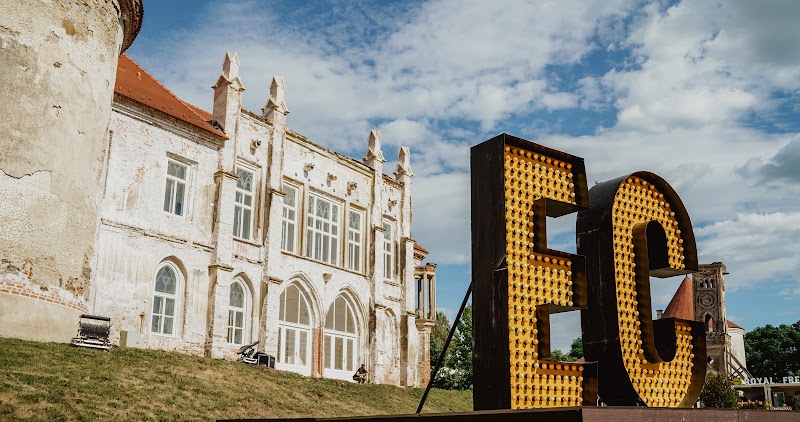
Electric Castle: Music and Festival Energy in Bonțida
Electric Castle pairs major live performances with a friendly festival atmosphere, though transport to and from Bonțida attracts recurring criticism.
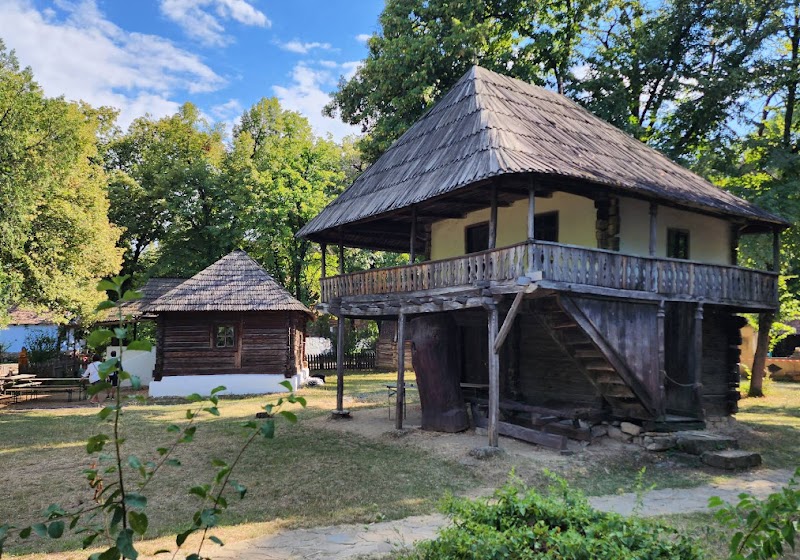
Romania · București
Romanian village life, preserved in the capital
This expansive open-air museum brings together traditional homes, churches, farms and windmills from across Romania.
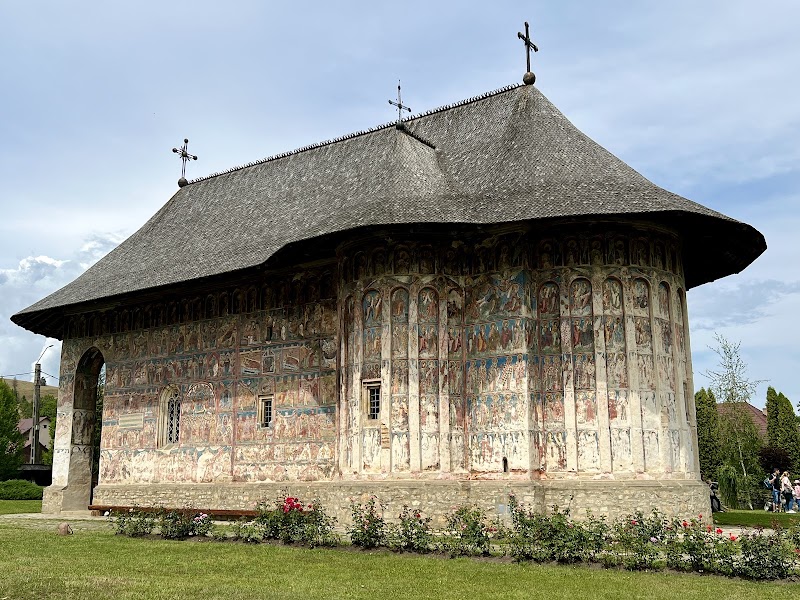
Romania · Mănăstirea Humorului
Humor Monastery: Painted History and a Peaceful Setting
This highly rated Bucovina landmark draws praise for its red-toned decoration, striking church interior, quiet grounds and climbable tower.