Hawa Mahal: Jaipur’s Iconic Palace of Windows
Hawa Mahal’s pink sandstone façade, intricate jharokhas and city views make it one of Jaipur’s most rewarding short visits.
More photos
Photos published by travelers on Google, not AI generated.
What stands out
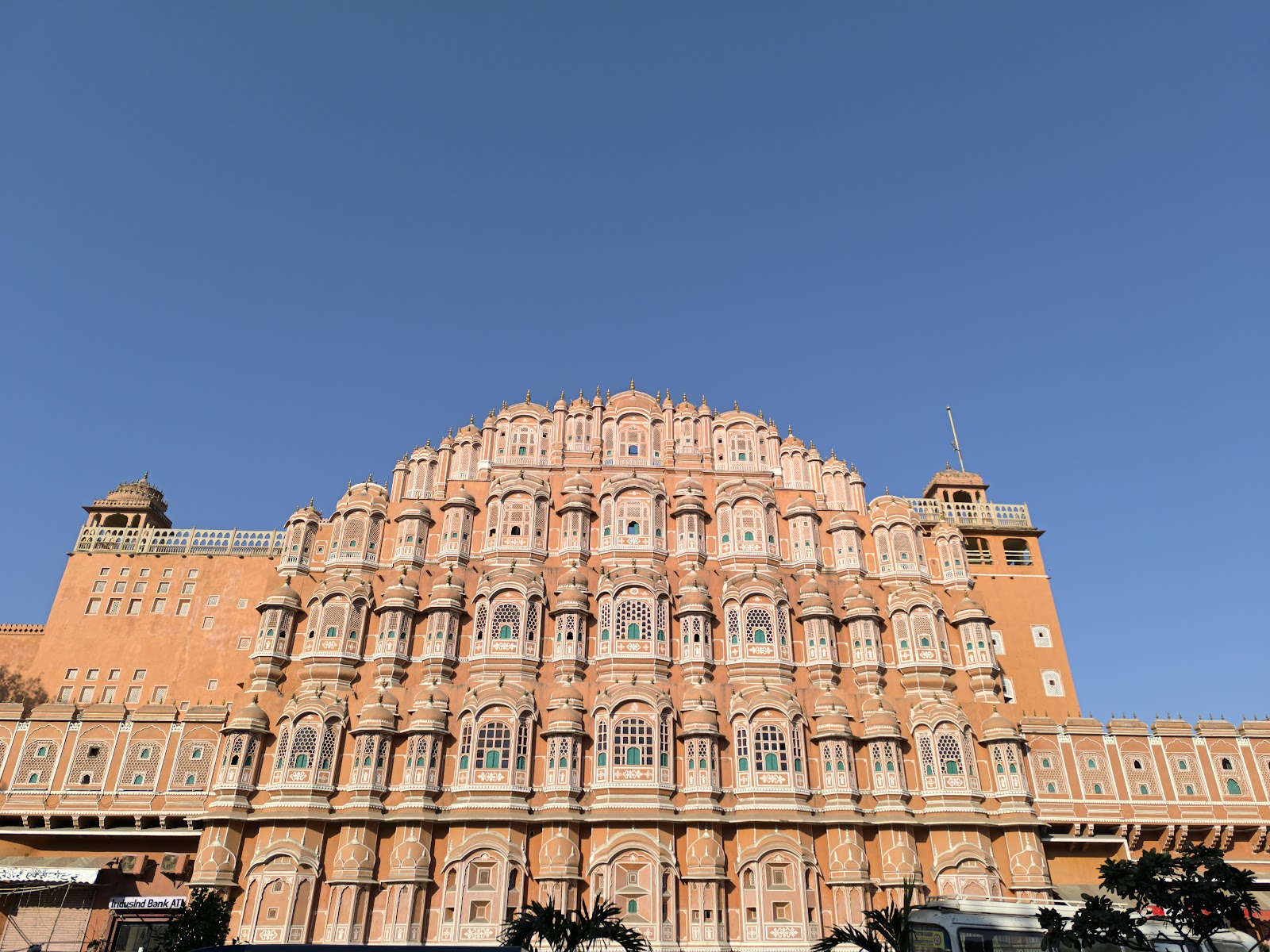
- Pink sandstone honeycomb façade
- 953 small jharokhas
- Views over Jaipur
- Cool breeze through the windows
- Illuminated night view
Worth knowing
- Crowds can build later in the day
- Night viewing focuses on the exterior
Don't miss
What comes up most in public reviews
- See the façade at night
- Visit the small museum
- Look through the jharokhas
- Take in the Jaipur city view
Worth the trip?
Why it stands out
Hawa Mahal is one of Jaipur’s defining landmarks, recognised for its five-storey pink sandstone façade and dense honeycomb pattern of small windows. Public reviews consistently focus on the building’s visual impact. The architecture is described as intricate and distinctive, with arches, decorative patterns and delicate sandstone details creating a memorable street-facing profile.
The palace is also known as the Palace of Winds. Reviews highlight its 953 jharokhas, traditionally designed so royal women could observe festivals and daily life in the streets without being seen. That detail gives the façade more than photographic appeal. It explains the building’s unusual shape and connects a short sightseeing stop with Jaipur’s royal history.
Google users give Hawa Mahal a rating of 4.5 from 168007 reviews, indicating very strong public approval.
What visitors experience
Inside, reviewers mention the cool breeze moving through the numerous jharokhas, along with views across Jaipur. The upper levels appear to be a key part of the visit, particularly for travellers who want a broader look at the city rather than only a photograph from the road. One review describes the view from the top as a major highlight.
A small museum is also mentioned in public feedback, giving visitors something to explore beyond the famous exterior. The site’s history and architecture are the main draw, but the combination of interior spaces, city outlooks and street-level views makes the visit feel more complete.
The landmark suits travellers with an interest in historic buildings, photography and Jaipur’s royal heritage. It is also an easy choice for a first visit to the city. Reviews repeatedly call it a must-visit and describe the experience as memorable.
When to go
Early morning is the clearest recommendation in the available reviews. Visitors cite lighter crowds, softer light for photographs and more comfortable conditions. Morning also makes sense for anyone hoping to study the façade without the busiest street activity dominating the experience.
The building is worth seeing again in the evening. Public feedback says illumination brings out the arches, small windows and decorative sandstone details, giving the façade a different character after dark. The night view is primarily an exterior experience, so visitors interested in the interior should plan for opening hours separately.
Practical take
Hawa Mahal works well as a short stop within a Jaipur sightseeing day. The visit can focus on the exterior, but the available reviews suggest allowing time for the upper levels, the museum and the views over the city. The landmark is described as well maintained, and entry is described by one reviewer as quick and affordable, though the supplied listing does not provide a verified price level.
Photography is central to the appeal, especially in the morning and again when the façade is illuminated at night. Visitors should look closely at the repeated jharokhas rather than treating the building as a single flat backdrop. The architectural detail is the point.
Plan the rest of the trip
Ask anything
Looking for somewhere else?
Keep exploring around Jaipur
More from India
India · Jaipur
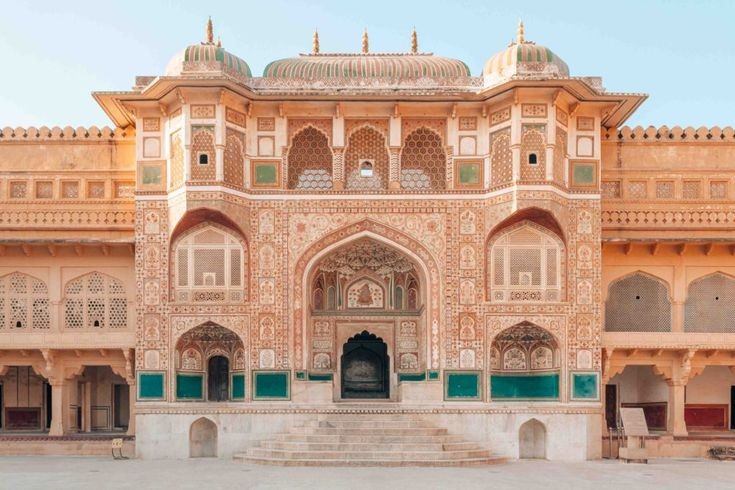
Amber Palace: Jaipur’s Vast Rajput Fort-Palace
Public reviews praise Amber Palace for its grand courtyards, mirror work and hill views, while warning that the complex demands time, walking and an early start.
India · New Delhi
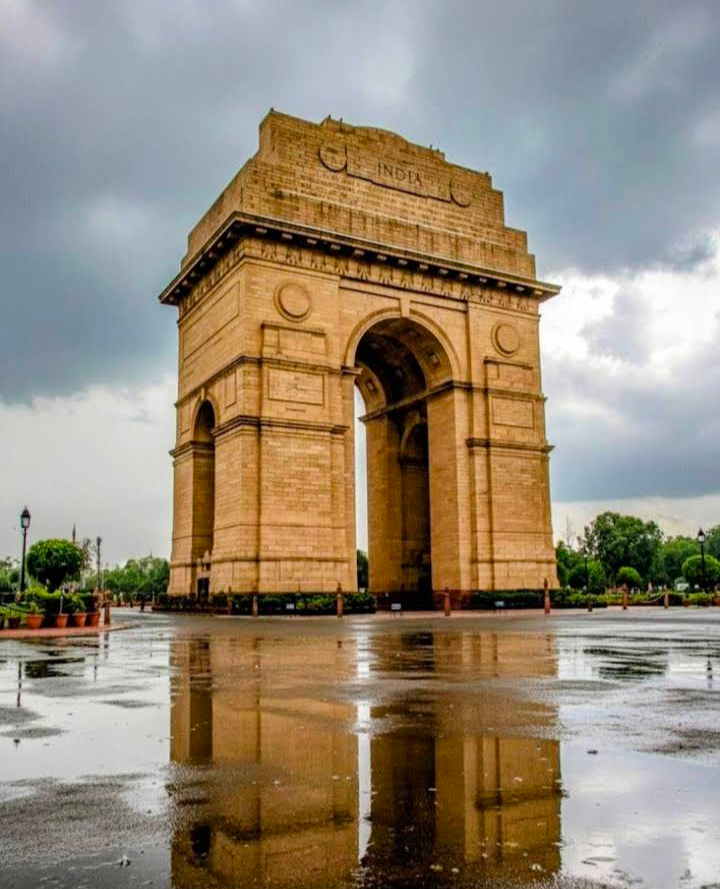
India Gate, New Delhi’s Evening Landmark
Public reviews describe India Gate as a moving war memorial with illuminated evenings, broad lawns and an easygoing setting for walks and visits.

India · Mysuru
Mysuru Palace: Royal Grandeur in the Heart of Mysuru
Mysuru Palace earns strong public praise for its architecture, paintings and royal interiors, though queues can affect the visit.
India · Mumbai
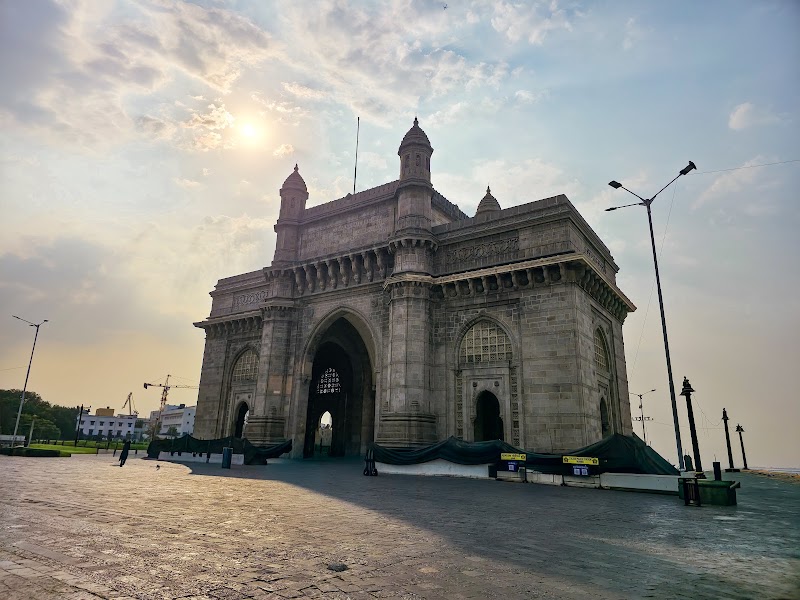
Gateway of India: Mumbai’s Landmark by the Arabian Sea
A historic waterfront monument with striking architecture, lively surroundings and strong sunset appeal, though crowds can shape the experience.