Mysuru Palace: Royal Grandeur in the Heart of Mysuru
Mysuru Palace earns strong public praise for its architecture, paintings and royal interiors, though queues can affect the visit.

More photos
Photos published by travelers on Google, not AI generated.
What stands out
- Indo-Saracenic architecture
- Grand halls and royal interiors
- Paintings depicting culture and tradition
- Illumination after dusk
- Well-maintained palace spaces
Worth knowing
- Extremely long queues can occur
- Crowds may affect the experience
Don't miss
What comes up most in public reviews
- Durbar Hall and Ambavilasa
- The painted interiors
- The palace after dusk
- Ask about hiring a guide
Worth the trip?
Why it stands out
Mysuru Palace is one of Mysuru’s defining landmarks, and public reviews consistently focus on its scale, decoration and historical atmosphere. The palace is described as a magnificent place to explore, with grand halls, intricate carvings, painted interiors and a strong sense of royal presence. Visitors say that even the exterior makes an immediate impression.
The architecture receives particular attention. One review identifies an Indo-Saracenic design that brings together Hindu, Mughal, Rajput and Gothic influences. Other visitors concentrate less on architectural classification and more on the overall effect: elaborate detailing, imposing spaces and a building that feels carefully maintained. The result is a substantial cultural visit rather than a quick photo stop.
What the visit is like
Inside, the public feedback centres on the Durbar Hall, Ambavilasa and other richly decorated rooms. Paintings are a major part of the experience. Reviewers describe them as a record of local culture and tradition, while the halls and ornamentation are repeatedly linked with the former royal family and the Wadiyar dynasty.
A visit can take more than two hours, especially for travellers who want time to examine the paintings, architecture and displays. Mobile phones and photography are reported to be allowed inside. One family visitor considered a hired guide worthwhile because the additional explanation made the palace easier to understand. That is a useful option for visitors who want historical context rather than a purely visual tour.
Timing and practical drawbacks
The palace is especially praised after dusk, when illumination changes the appearance of the building and gives the exterior a memorable evening presence. This makes a late-day visit appealing, provided the schedule allows enough time to see the interiors first.
Crowds are the clearest concern in the public reviews. One visitor reported extremely long queues, saying that the congestion had a major effect on the experience. The palace’s popularity is evident in its 4.6 Google rating from 308,207 reviews, but that same popularity can mean slower entry and a busier visit. Travellers who dislike waiting should allow extra time and avoid treating the stop as a tightly timed appointment.
Who should go
Mysuru Palace suits travellers interested in Indian history, royal architecture, painting and photography. It also works well for families, with enough detail to occupy a visit lasting several hours. The strongest reasons to go are the grand interiors, the cultural meaning in the paintings and the illuminated palace after dusk.
The public feedback supports setting aside at least half a day. A guide is worth considering for visitors who want the stories behind the rooms and artwork. Those mainly seeking a quiet experience should plan carefully around queues. For most visitors, though, the palace’s visual richness outweighs the inconvenience. It is a major Mysuru attraction with substance as well as spectacle.
Plan the rest of the trip
Ask anything
Looking for somewhere else?
Keep exploring around Mysuru
More from India
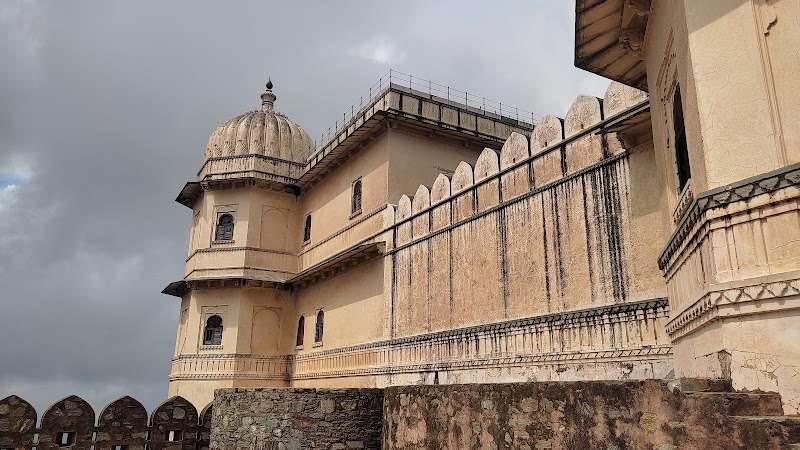
India · Kumbhalgarh
Badal Mahal, Kumbhalgarh’s High Point for Fort and Hill Views
At the top of Kumbhalgarh Fort, Badal Mahal combines historic architecture, painted interiors and sweeping views across the Aravalli Hills.
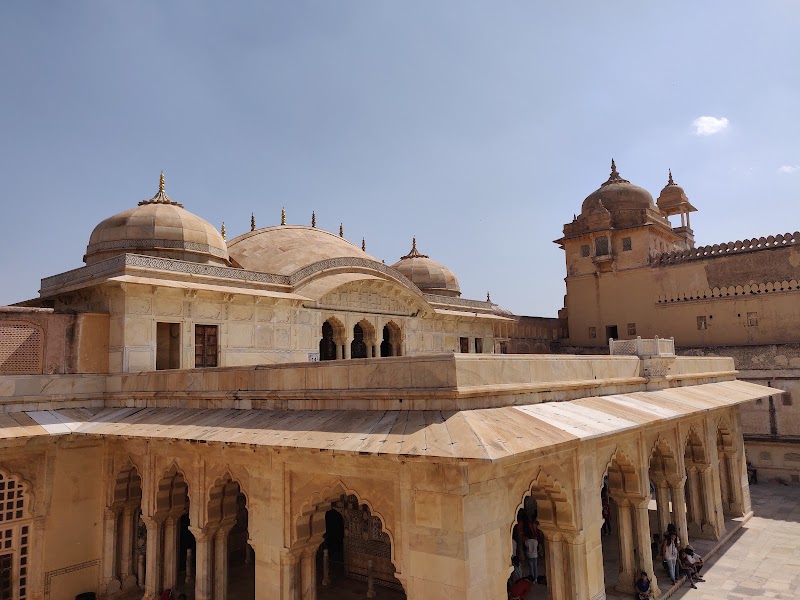
India · Jaipur
Sheesh Mahal, Amer Fort: Jaipur’s Mirror Palace
Inside Amer Fort, Sheesh Mahal draws visitors for its intricate mirror work, floral patterns and striking optical effects.
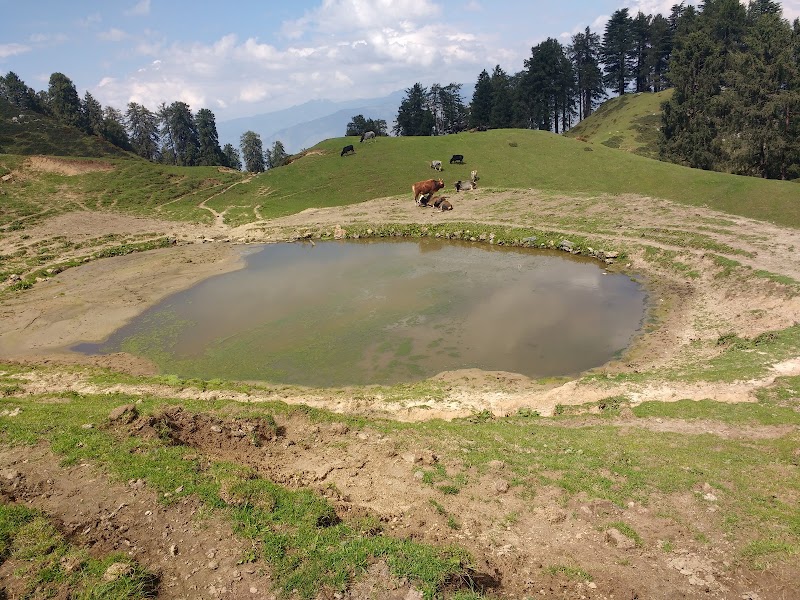
India · Bagani
Budher Caves: A Rough Trek to a Quiet Mountain Retreat
Budher Caves rewards prepared hikers with forest trails, open mountain views and a cave system near Moila Top.

India · Agalgre
Wari Chora: Meghalaya’s Demanding River Canyon Escape
Public reviews give Wari Chora a 4.6 rating from 838 reviews, praising its canyon scenery while warning that reaching it takes planning.