Haw Phra Bang: Ornate Lao Architecture in Luang Prabang
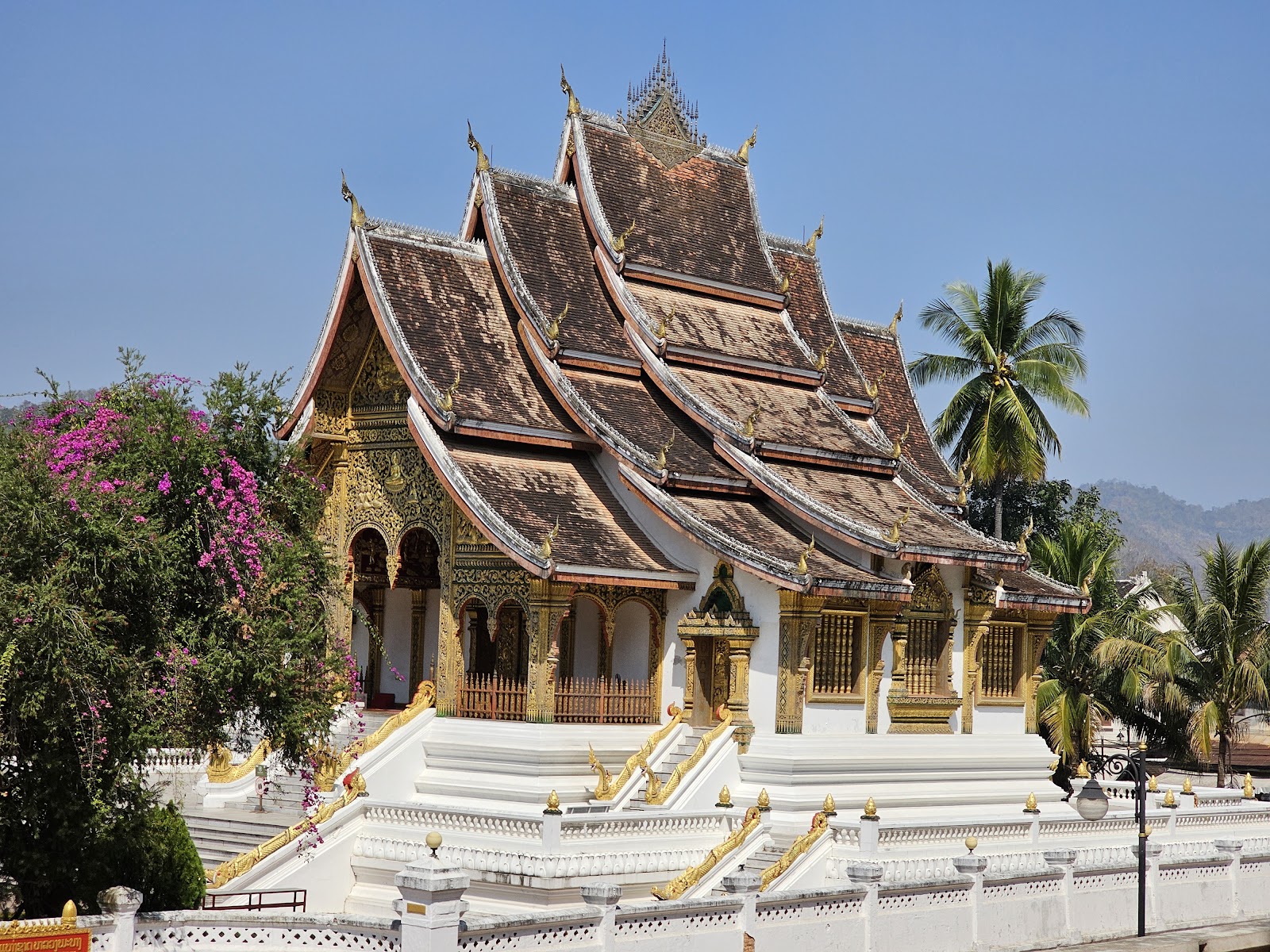
An ornate place of worship within the Royal Palace Museum complex, admired for its layered roofs, vivid decoration and strong photo opportunities.
More photos
Photos published by travelers on Google, not AI generated.
What stands out
- Gracefully curved, tiered roofs
- Ornate gables and vibrant decoration
- Multi-headed naga serpent details
- Views from outside the complex
- Late-afternoon light
Worth knowing
- Organised tour groups can make the area busy
- Less grand in scale than major Thai temples
- Confirm current interior access on arrival
Don't miss
What comes up most in public reviews
- The curved rooflines and ornate gables
- Multi-headed naga serpent details
- The Phra Bang Buddha statue
- The hill viewpoint across from the complex
- The zebra-crossing photo composition
Worth the trip?
Why it stands out
Haw Phra Bang is one of Luang Prabang’s most recognisable religious buildings, with a Google rating of 4.5 from 492 reviews. Public feedback consistently focuses on its architecture: gracefully curved, tiered roofs, elaborate gables, vibrant colours and decorative details rooted in Lao craftsmanship. Multi-headed naga serpents are another feature repeatedly singled out by visitors.
The building forms part of the Royal Palace Museum complex and was constructed to house the Phra Bang Buddha, described in reviews as an 83-centimetre statue and a national emblem of Laos. That cultural role gives the structure significance beyond its photogenic exterior, although the sample reviews devote far more attention to the building’s visual impact than to an extended visit inside.
Some travellers compare it with larger and more elaborate temples elsewhere in Southeast Asia and find it less grand than major Thai examples. Its appeal is better understood through proportion, ornament and setting rather than sheer scale.
What the visit is like
Review patterns suggest Haw Phra Bang works well as a concise stop while exploring central Luang Prabang. One visitor reported that access was included with admission to the museum complex, while others noted that the building can still be admired and photographed from outside without entering the grounds. Access arrangements can change, so travellers primarily interested in the interior should confirm local conditions on arrival.
The site attracts organised Asian tour groups and can feel busy when those groups arrive. Even so, the architecture remains easy to appreciate from several viewpoints. Visitors with limited time can take in the façade and roofline from outside, while those already visiting the Royal Palace Museum complex can incorporate a closer look into the same outing.
Despite one review describing it as off the usual track, the broader feedback presents Haw Phra Bang as an iconic Luang Prabang sight that is becoming increasingly popular. It is therefore better approached as a prominent landmark than as a quiet, little-known sanctuary.
Photography and timing
Photography is a major theme across the reviews. The roof contours, ornate gables and colourful surfaces provide the most obvious subjects, with the naga details rewarding a closer view. A hill on the opposite side is mentioned as a popular angle for photographing the building, including the familiar zebra-crossing composition seen on social media.
Morning visits can suit travellers beginning a day of sightseeing, but late afternoon receives the strongest descriptive praise. Lower sunlight reportedly catches the tiled roofs and gilded details, giving the façade a warmer appearance. Crowds and tour-group movements remain less predictable than the light.
Editorial verdict
Synthesised public feedback places Haw Phra Bang among Luang Prabang’s strongest short architectural stops. It combines national religious significance with an exterior that photographs particularly well, yet it does not require a long visit to appreciate. The main limitation is that travellers expecting the scale or grandeur of Thailand’s largest temple complexes may find it comparatively restrained. For most visitors, its central setting, distinctive Lao roofline and detailed ornament make it a worthwhile addition to a Royal Palace Museum visit or a photographic walk through the city.
Plan the rest of the trip
Ask anything
Looking for somewhere else?
Keep exploring around Luang Prabang
More from Laos
Laos · Vientiane
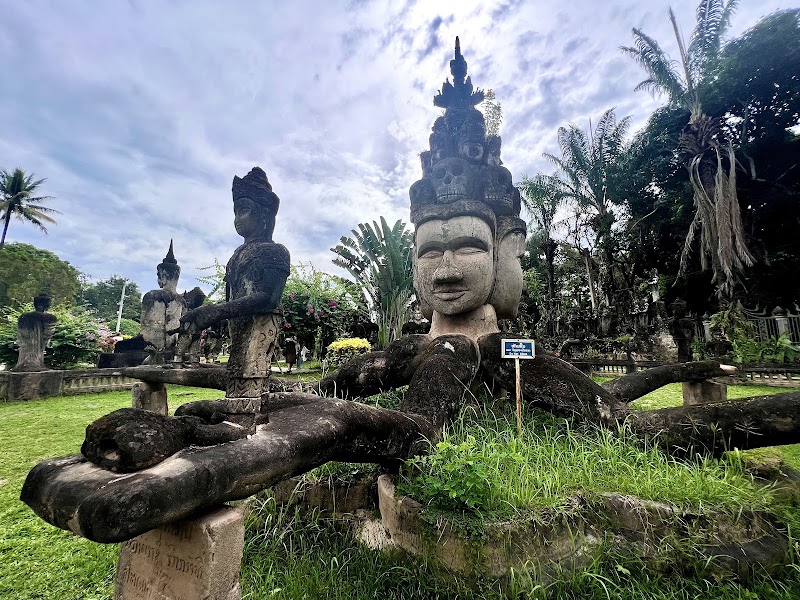
Buddha Park: Vientiane’s Unusual Sculpture Stop
Buddha Park sits outside Vientiane, but its unusual sculptures, walkable grounds and climbable structures make the half-day trip worthwhile.

Laos · Luang Prabang
Phousi Hill: Luang Prabang’s Short Climb to Wide Views
Public reviews consistently praise Phousi Hill for its shaded stair climb, temple setting and sweeping views, though sunset crowds can overwhelm the summit.
Laos
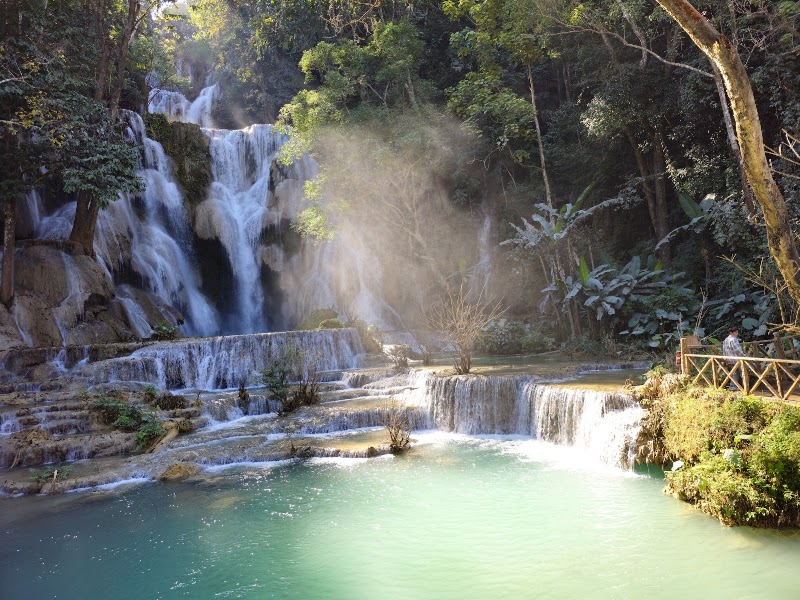
Kuang Si Waterfall: Turquoise Pools Near Luang Prabang
Kuang Si Waterfall pairs striking turquoise pools with a bear sanctuary, making it one of the strongest half-day outings near Luang Prabang, Laos.
Laos · Vientiane
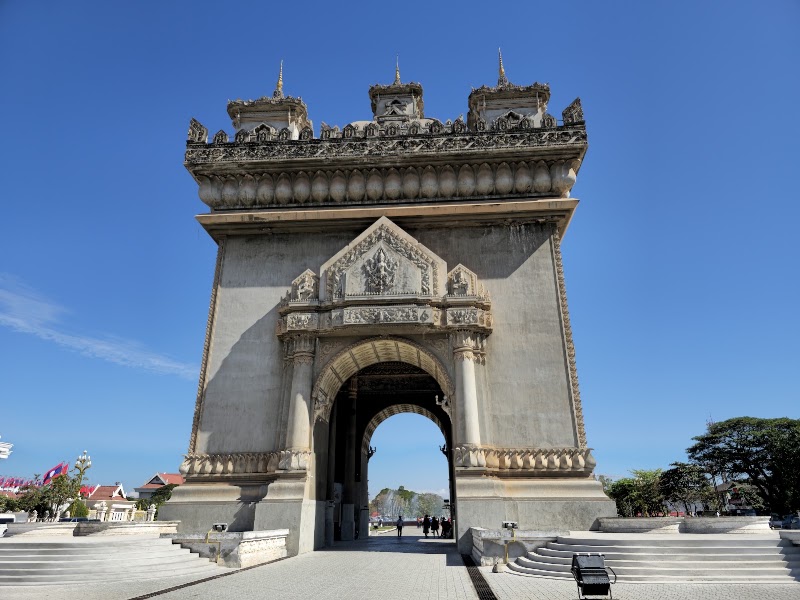
Patuxai: Vientiane’s Monument with a City View
Patuxai combines ornate architecture, local history and a rewarding rooftop outlook in the centre of Vientiane.