Hanuman Dhoka Durbar Square: Kathmandu’s Royal Core
Ancient palaces, temple courtyards and intricate Newari woodwork make this historic Kathmandu square a compelling cultural stop.
More photos
Photos published by travelers on Google, not AI generated.
What stands out
- Intricate traditional wood carvings
- Historic royal palace complex
- Temples and interconnected courtyards
- Traditional Newari architecture
- Lively historic atmosphere
Worth knowing
- Visible effects of the 2015 earthquake
- Busy atmosphere rather than a quiet museum setting
Don't miss
What comes up most in public reviews
- Explore the old royal palace complex
- Look closely at the carved wooden details
- Walk through the temple courtyards
- See the red-cloaked Hanuman statue
Worth the trip?
Why it stands out
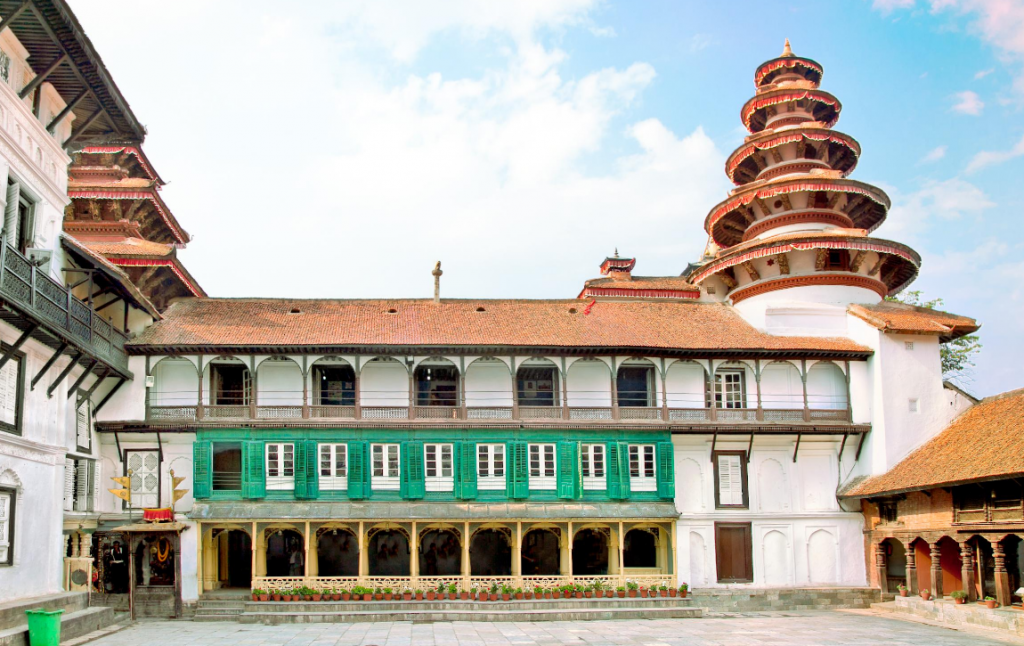
Hanuman Dhoka Durbar Square packs royal history, religious tradition and some of Kathmandu’s most intricate architecture into one complex. Its Google rating stands at 4.6 from 1348 reviews, with visitors consistently praising the palaces, temples, courtyards and finely carved wooden details.
Public reviews often call the complex the historical heart of Kathmandu. The former royal palace is linked to Nepal’s Malla and Shah kings, and across the wider square, layers of traditional Newari design remain visible. There is no single monument around which the whole visit turns. Instead, much of the appeal lies in walking between the buildings and seeing civic, royal and spiritual spaces pressed close together.
One reviewer describes the complex as a five-acre site within Basantapur Durbar Square, noting that it has held UNESCO World Heritage status since 1979. Other accounts pay less attention to official credentials. They dwell on the mood instead: lively, culturally active and firmly connected to the surrounding city.
Architecture and atmosphere
Intricate wood carving comes up again and again in traveller feedback. Reviewers linger over the detail found on old temples and palace structures, often calling the craftsmanship the square’s defining feature. Traditional Newari architecture is another recurring point of praise, especially among visitors interested in history, design or photography.
The courtyards give the crowded collection of monuments some breathing room. Nasal Chowk is named in one account, while several others refer more generally to wandering through linked palace courts and temple spaces. At the palace entrance, a red-cloaked Hanuman statue stands guard. One review dates it to 1672.
For all its historical weight, the square rarely comes across in reviews as hushed or museum-like. It feels busy. Monumental architecture sits alongside everyday Kathmandu activity, and that overlap supplies much of the atmosphere. Travellers expecting an isolated archaeological site, however, may find the setting different from what they had imagined.
Cultural context
The appeal goes beyond decorative architecture. Public reviews tie the square to Nepal’s royal heritage, religious customs and living cultural traditions. One traveller was particularly struck by the Kumari tradition, in which a child is selected as a living goddess. It is a reminder that the area calls for cultural sensitivity, not treatment as nothing more than a photographic backdrop.
Several reviewers describe their visit as a glimpse into the lives and ceremonial world of the Malla and Shah kings. Those arriving with limited background knowledge may find it useful to read about the palace complex, Newari architecture and the Kumari tradition beforehand. The significance of individual buildings is not always clear from appearance alone.
Verdict
Hanuman Dhoka Durbar Square best suits travellers interested in architecture, royal history and active religious heritage. Detail is its great strength. Carved timber, old palace façades, temple forms and atmospheric courtyards all repay an unhurried look.
Reviews also mention damage from the 2015 earthquake, so visitors should expect to see its effects on parts of the historic fabric. Even with that caveat, public opinion remains strongly positive. This is a substantial, layered landmark, not a quick photo stop, and one of the clearest introductions to Kathmandu’s architectural and cultural history.
Plan the rest of the trip
Ask anything
Looking for somewhere else?
Keep exploring around Kathmandu
More from Nepal
Nepal · Pokhara
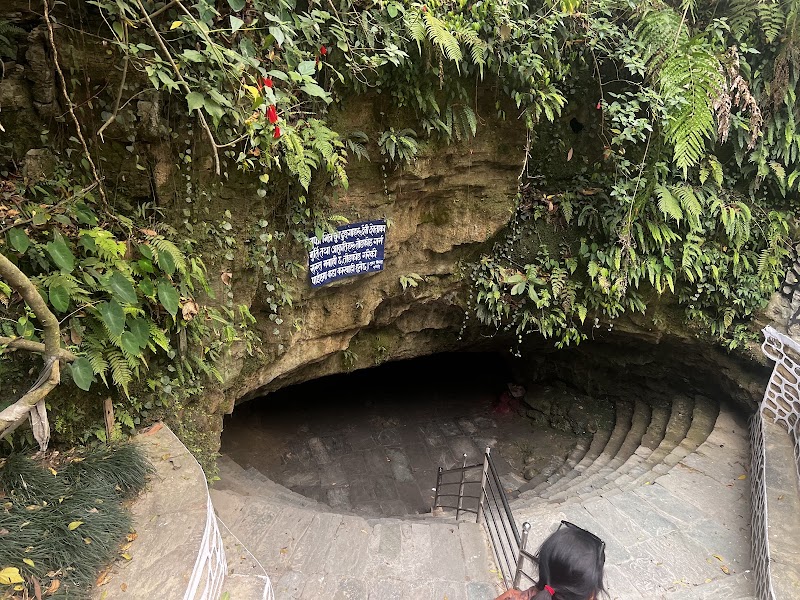
Mahendra Cave, a Short Underground Excursion in Pokhara
Mahendra Cave offers a cool, well-lit look at limestone formations, narrow passages and a small religious shrine north of Pokhara.
Nepal · Kathmandu
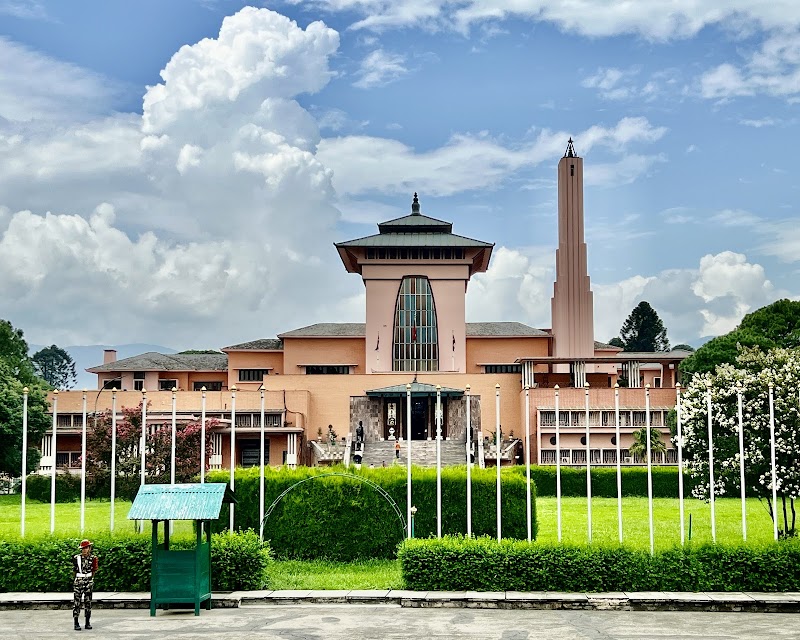
Narayanhiti Palace Museum: Kathmandu’s Royal Past
A preserved royal residence gives visitors a calm, room-by-room look at Nepal’s monarchy, political history and transition to a republic.
Nepal
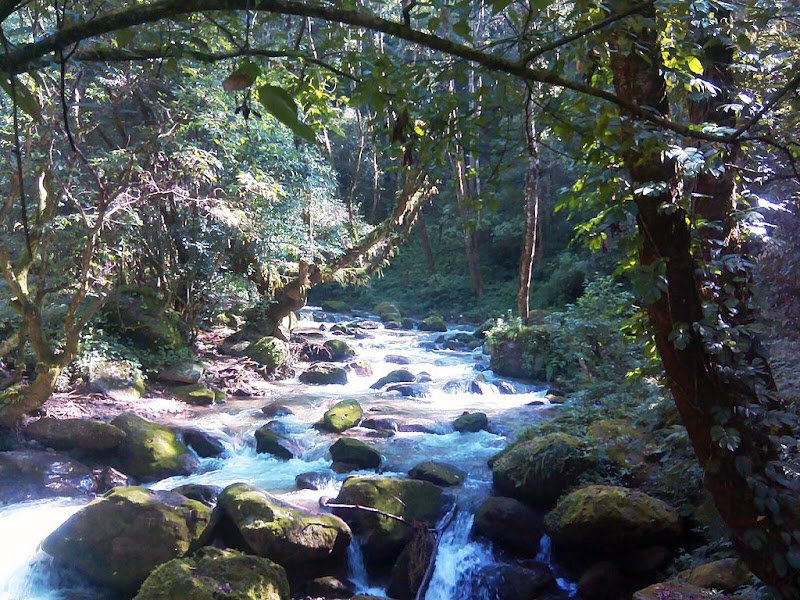
Shivapuri Nagarjun National Park: Green Trails Near Kathmandu
A peaceful hiking escape with forested paths, waterfalls and fresh mountain air, close enough to Kathmandu for a half-day outing.
Nepal · Kathmandu
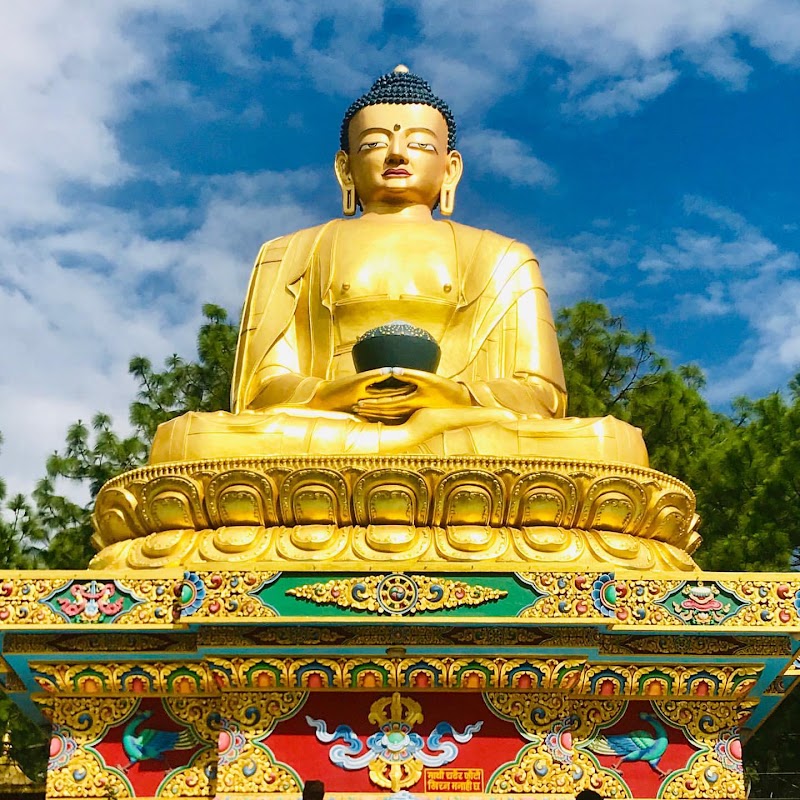
Swayambhu Buddha Park: A Peaceful Kathmandu Viewpoint
Public reviews describe Swayambhu Buddha Park as a culturally important Buddhist site with large statues, a calm atmosphere and broad Kathmandu Valley views.